
 Sagoh
Sagoh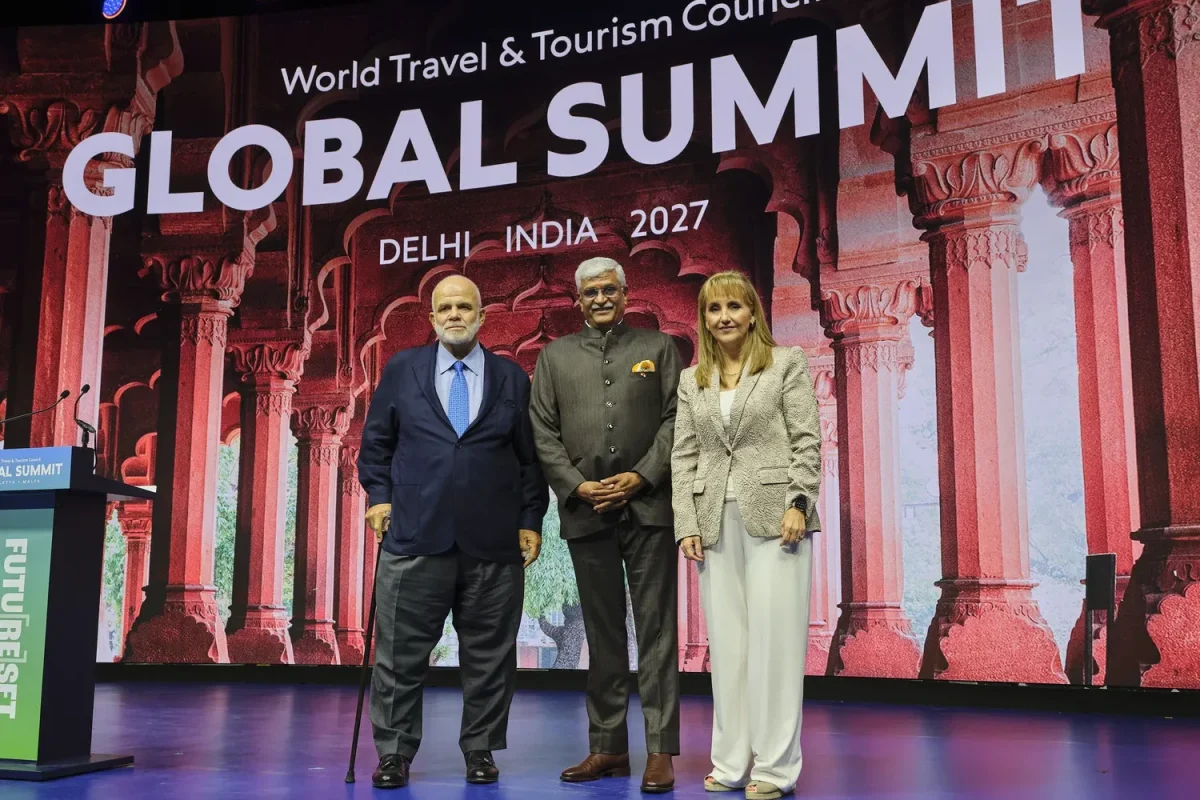
Malta – In a declaration resonating with both audacious ambition and the stark reality of current challenges, India’s Tourism Minister, Gajendra Singh Shekhawat, has unveiled a visionary goal: to catapult India’s international tourist arrivals from a struggling 9.2 million in 2025 to a staggering 100 million by the year 2047. The ambitious target, announced at the prestigious World Travel and Tourism Council (WTTC) summit in Malta, outlines a future where India solidifies its position as a global tourism powerhouse, yet it comes at a time when the nation’s inbound tourism sector is grappling with consecutive years of decline and a "grim" outlook for the immediate future.
Minister Shekhawat, addressing a global audience of industry leaders, policymakers, and investors, articulated a strategic framework built upon "four P’s" essential for achieving this monumental shift: political will, robust public spending, strategic partnerships, and broad-based people’s participation. This comprehensive approach, he emphasized, would be the bedrock of India’s tourism transformation over the next two decades, aligning with the nation’s centenary of independence.
The announcement, while forward-looking, casts a sharp contrast against the backdrop of India’s recent tourism performance. In 2025, the country recorded merely 9.2 million foreign tourists, representing a 9.4% decline from 2024 figures and a significant 17% drop below the pre-pandemic peak of 10.9 million international arrivals achieved in 2019. This marks the second consecutive year of falling arrivals, with the shadow of geopolitical tensions further darkening the horizon for 2026. A recent report from the PHD Chamber of Commerce and Industry has ominously predicted a potential 15-20% contraction in inbound tourism this year, primarily due to the ongoing Iran War disrupting crucial air corridors for long-haul visitors.
Achieving the 100 million arrivals target by 2047 demands an extraordinary average annual growth rate of at least 12% for the next twenty-two years, a pace that far exceeds historical trends and requires a concerted, multi-faceted effort across all levels of governance and industry. The challenge is immense, but the vision articulated in Malta underscores India’s determination to overcome current headwinds and unlock its vast tourism potential.
Chronology: A Decade of Disruption and Decline
India’s journey towards its current tourism landscape has been marked by significant highs, an unprecedented global crisis, and a more recent, worrying downturn. Understanding this trajectory is crucial to appreciating the magnitude of the 2047 target.
Pre-Pandemic Peak and Promising Trajectory (2010-2019)
The decade leading up to the COVID-19 pandemic saw India’s international tourism sector on a generally upward trajectory. From around 5.78 million international tourist arrivals in 2010, the numbers steadily climbed, reaching an impressive 10.9 million in 2019. This period was characterized by growing global interest in India’s diverse cultural, spiritual, and natural heritage, coupled with significant improvements in air connectivity, visa facilitation, and the emergence of a more sophisticated hospitality sector. Government initiatives like "Incredible India" had successfully branded the country as a destination offering unique experiences, from the majestic Himalayas to the serene backwaters of Kerala, the spiritual allure of Varanasi, and the iconic Taj Mahal. Growth rates were often in the high single digits, occasionally touching double digits, fueling optimism for continued expansion.
The Pandemic’s Unprecedented Halt (2020-2022)
The advent of the COVID-19 pandemic in early 2020 brought the global travel industry, including India’s, to a grinding halt. International borders closed, flights were grounded, and travel restrictions became the norm. Tourist arrivals plummeted to an abysmal 2.74 million in 2020, and further down to a mere 1.52 million in 2021, representing catastrophic declines of over 75% and 45% respectively from pre-pandemic levels. The sector faced unprecedented job losses, business closures, and immense financial strain. The initial phases of recovery in 2022 saw a slow rebound, with arrivals modestly increasing as restrictions eased, but still far below historical averages. The focus during this period was primarily on domestic tourism to support the beleaguered industry.
Stagnation and Recent Reversals (2023-2025)
While many global destinations began to witness robust recoveries in 2023, India’s rebound proved more sluggish. By 2024, despite expectations of a stronger bounce-back, international arrivals reached only an estimated 10.15 million, still shy of the 2019 peak. The year 2025, however, marked a significant and concerning reversal. The recorded 9.2 million foreign tourists indicated a 9.4% decline from 2024 figures, plunging 17% below the pre-pandemic high. This unexpected downturn suggests that the challenges extend beyond mere post-pandemic recovery, pointing to deeper structural issues or new external pressures.
The "Grim" Outlook for 2026: Geopolitical Headwinds
The most immediate concern for India’s tourism sector is the "grim" outlook for 2026. A report by the PHD Chamber of Commerce and Industry has highlighted that inbound tourism could experience a further contraction of 15-20% this year. The primary culprit cited is the escalating Iran War, which has severed crucial air corridors historically used by long-haul visitors, particularly those traveling from Europe, North America, and parts of the Middle East. Rerouting flights leads to increased travel times, higher fuel costs, and passenger inconvenience, making India a less attractive option compared to destinations unaffected by such disruptions. This geopolitical instability, coupled with a perceived general atmosphere of global uncertainty, is deterring potential travelers and exacerbating the sector’s woes, making the 100 million target appear even more formidable.
Supporting Data: The Hard Numbers and Economic Context
The raw figures underscore the significant gap between India’s current tourism performance and its ambitious future aspirations. Analyzing these numbers, alongside the broader economic context, reveals the scale of the transformation required.
Current Arrival Statistics and Declines
- 2019 (Pre-pandemic peak): 10.9 million international tourist arrivals. This figure represented the culmination of a decade of steady growth, positioning India as an increasingly popular destination.
- 2024 (Post-pandemic recovery attempt): Approximately 10.15 million international tourist arrivals. While an improvement from the pandemic lows, it still fell short of the 2019 benchmark.
- 2025 (Recent Decline): 9.2 million international tourist arrivals. This marks a 9.4% decrease compared to 2024, and a 17% decline from the 2019 peak. The back-to-back declines in 2024 and 2025 indicate a worrying trend of stagnation, if not regression, in the sector’s ability to attract foreign visitors.
The decline is not isolated to specific source markets but reflects a broader hesitancy among international travelers. Factors beyond the pandemic’s lingering effects, such as evolving visa policies, perceptions of safety and infrastructure, and aggressive marketing by competing destinations, may also be contributing to this trend.
The 100 Million Target: A Growth Imperative
To achieve 100 million international arrivals by 2047 from the 2025 base of 9.2 million, India needs to sustain an average annual growth rate of approximately 12.06% for 22 consecutive years. This is a formidable task, especially when contrasted with India’s historical growth rates, which, even during its most prosperous tourism years, rarely consistently sustained such high double-digit figures. For context, if India were to grow at a more conservative 7% annually, it would reach roughly 40 million arrivals by 2047. A 10% annual growth would take it to around 74 million. The 12% target implies a radical acceleration and sustained momentum unlike anything seen before.
Economic Contribution of Tourism: A Foundation to Build Upon
Even with current challenges, tourism remains a vital contributor to India’s economy. In pre-pandemic years, the sector contributed approximately 9.2% to India’s GDP and supported around 8.1% of its total employment, accounting for over 42 million jobs. These figures encompass direct contributions from hotels, airlines, travel agents, and restaurants, as well as indirect contributions from related industries like food supply, construction, and retail. Foreign exchange earnings from tourism are also significant, helping to bolster the nation’s balance of payments.
A surge to 100 million international arrivals by 2047 would exponentially amplify these economic benefits. Industry analysts project that such growth could potentially increase tourism’s contribution to India’s GDP to over 12-15% and create an additional 50-70 million jobs, directly and indirectly, across various sectors. This includes jobs in hospitality, transportation, retail, local handicrafts, cultural performances, and burgeoning segments like wellness and adventure tourism. The multiplier effect of such an influx of visitors would stimulate local economies, foster entrepreneurship, and drive regional development, especially in less-explored areas.
PHD Chamber of Commerce Report: A Sobering Assessment
The PHD Chamber of Commerce and Industry’s report serves as a critical, data-driven assessment of the immediate future. Its projection of a 15-20% drop in inbound tourism for 2026 highlights the vulnerability of the sector to external shocks. The report specifically details how the Iran War has disrupted crucial air corridors, particularly impacting flights from Europe and North America that traditionally traverse Middle Eastern airspace. This not only increases flight durations and operational costs for airlines but also presents a psychological barrier for travelers concerned about regional instability. The report likely advocates for urgent diplomatic efforts, alternative route planning, and robust marketing campaigns to mitigate these geopolitical risks.
This confluence of declining numbers, an ambitious growth target, and immediate geopolitical threats paints a complex picture for India’s tourism sector. The challenge is not merely to recover to pre-pandemic levels but to embark on an unprecedented growth trajectory requiring fundamental shifts in policy, investment, and perception.
Official Responses: The Vision and The Plan
Minister Gajendra Singh Shekhawat’s address at the WTTC summit was not just about setting a target but about outlining a clear, actionable strategy. His "four P’s" framework provides a roadmap for how India intends to navigate the current difficulties and achieve its ambitious 2047 vision.
The "Four P’s" Strategy Explained
1. Political Will:
Minister Shekhawat underscored that sustained, high-level government commitment is paramount. This involves placing tourism at the forefront of national policy agendas, ensuring cross-ministerial coordination, and implementing reforms that foster a conducive environment for the sector’s growth. Specific initiatives under this pillar include:
- Policy Reforms: Streamlining visa processes, potentially introducing more accessible e-visa options for a wider range of nationalities, and simplifying regulations for tourism businesses and foreign investments.
- National Tourism Strategy: Developing and implementing a long-term national tourism strategy that integrates various facets of the industry, from infrastructure to marketing and skill development.
- Ease of Travel: Prioritizing safety and security for tourists, enhancing border management, and ensuring a welcoming environment across all entry points.
- Digital Transformation: Leveraging technology for seamless travel experiences, including digital payment systems, online booking platforms, and AI-powered information services.
2. Public Spending:
Recognizing the foundational role of infrastructure, the Minister highlighted the necessity of substantial public investment. This spending is envisioned to create a world-class tourism ecosystem capable of handling a significantly larger influx of visitors. Key areas of focus include:
- Connectivity Enhancement: Major investments in expanding and modernizing airports, improving road networks, developing high-speed rail corridors, and enhancing last-mile connectivity to tourist destinations.
- Heritage Site Preservation and Development: Allocating funds for the meticulous restoration and sustainable development of India’s vast array of historical monuments, cultural sites, and natural wonders, ensuring they are visitor-ready while preserving their integrity.
- Tourism Product Diversification: Investing in niche tourism segments such as eco-tourism, adventure tourism, medical and wellness tourism, MICE (Meetings, Incentives, Conferences, Exhibitions) tourism, and spiritual tourism, creating diverse offerings beyond traditional cultural tours.
- Digital Infrastructure: Expanding broadband connectivity, especially in remote tourist areas, to support modern travel needs and digital engagement.
3. Partnership:
Collaboration is a cornerstone of India’s strategy, involving both domestic and international stakeholders.
- Public-Private Collaboration: Fostering strong alliances between government bodies and private sector players (hotels, airlines, tour operators) for investment, marketing, and operational efficiency. This includes incentivizing private investment in tourism infrastructure and services.
- International Agreements: Forging bilateral and multilateral agreements with other countries to promote tourism, facilitate ease of travel, and collaborate on marketing initiatives.
- Industry Stakeholder Engagement: Regularly consulting with industry associations, experts, and local communities to gather insights, address challenges, and ensure inclusive growth.
- Skill Development Partnerships: Collaborating with educational institutions and industry bodies to train a skilled workforce for the hospitality and tourism sectors, ensuring service quality meets international standards.
4. People’s Participation:
The strategy emphasizes that tourism growth must be inclusive and benefit local communities.
- Community Involvement: Empowering local communities to be active participants and beneficiaries of tourism, through direct employment, local entrepreneurship, and conservation efforts.
- Responsible and Sustainable Tourism: Promoting practices that minimize environmental impact, respect local cultures, and ensure long-term sustainability. This includes encouraging tourists to engage responsibly and supporting local artisans and businesses.
- Awareness and Hospitality: Cultivating a culture of hospitality ("Atithi Devo Bhava" – Guest is God) among the general populace, promoting cleanliness, and ensuring tourist safety and satisfaction.
- Local Entrepreneurship: Supporting small and medium-sized enterprises (SMEs) in tourism, enabling them to offer authentic experiences and generate local employment.
International Endorsement and Industry Reactions
Manfredi Lefebvre d’Ovidio, Chairman of the WTTC, present at the summit, commended India’s ambitious vision, stating, "India holds immense, untapped potential in the global tourism landscape. Minister Shekhawat’s ‘four P’s’ framework provides a robust blueprint. The scale of the ambition is significant, but with strategic execution, India could indeed become a dominant force, provided it can address immediate challenges and foster a truly enabling environment."
Gloria Guevara, President & CEO of WTTC, echoed this sentiment, adding, "The global travel and tourism sector is resilient, but it thrives on stability and investment. India’s commitment to public spending and partnerships will be crucial. We at WTTC are keen to support India in navigating the complexities of sustainable growth, particularly in overcoming geopolitical hurdles that impact air connectivity."
Domestically, the announcement has been met with cautious optimism. Rupesh Agarwal, President of the Indian Association of Tour Operators (IATO), commented, "The 100 million target is inspiring, but the current situation is dire. We need immediate measures to counter the impact of the Iran War and other geopolitical tensions. Visa reforms, aggressive global marketing campaigns, and swift infrastructure upgrades cannot wait. The ‘four P’s’ are the right direction, but the pace of implementation will define success." Similarly, a representative from a leading hotel chain in India, requesting anonymity, stated, "While the long-term vision is encouraging, we are currently seeing cancellations due to air corridor disruptions. We need to see concrete steps and financial incentives to help the industry weather this storm, alongside the grand plans for 2047."
These responses highlight a critical juncture: the enthusiasm for the long-term vision must be tempered by pragmatic, immediate actions to stabilize and revitalize the sector.
Implications: A Path Forward Amidst Headwinds
Achieving India’s audacious tourism target carries profound implications, not only for the travel industry but for the nation’s broader economic and social fabric. However, the path is fraught with significant challenges that require careful navigation.
Economic Transformation and Job Creation
A successful realization of the 100 million arrivals target would fundamentally transform India’s economy. The tourism sector’s contribution to GDP could easily double or triple, making it a primary engine of economic growth. This growth would not be confined to major metropolitan areas but would permeate tier-2 and tier-3 cities, rural areas, and remote regions as new destinations are developed and connected. The job creation potential is immense, with estimates suggesting millions of new direct and indirect employment opportunities. This includes skilled jobs in hospitality, aviation, and digital tourism, as well as opportunities for local communities in handicrafts, cultural performances, food services, and guided tours, significantly boosting livelihoods and reducing poverty. Furthermore, the substantial increase in foreign exchange earnings would strengthen India’s rupee, improve its balance of payments, and attract further foreign direct investment into related sectors.
Infrastructure Demands: A Gigantic Undertaking
To accommodate 100 million international tourists, India’s existing infrastructure would need an unprecedented overhaul and expansion. This includes:
- Airport Capacity: Building dozens of new airports and significantly expanding existing ones, along with modernizing air traffic control systems.
- Road and Rail Networks: Developing thousands of kilometers of new highways and expressways, enhancing rail connectivity to tourist hubs, and introducing high-speed rail lines to reduce travel times.
- Accommodation: Constructing hundreds of thousands of new hotel rooms across all segments, from luxury resorts to budget accommodations and eco-lodges, ensuring a diverse offering.
- Digital Connectivity: Universal high-speed internet access, particularly in tourist areas, to support seamless navigation, digital payments, and online engagement.
- Utilities: Ensuring robust and sustainable provisions of water, electricity, and waste management facilities, which will be critical for environmental sustainability and visitor satisfaction.
The sheer scale of this infrastructure development would require multi-trillion-dollar investments from both public and private sectors, presenting both an opportunity for economic stimulus and a logistical challenge of monumental proportions.
Policy Challenges and Regulatory Reforms
The "political will" aspect of the Minister’s strategy will be tested by the need for continuous and adaptable policy reforms. Key areas include:
- Visa Liberalization: Implementing more flexible, efficient, and welcoming visa regimes, potentially including visa-on-arrival for more countries or simplifying e-visa applications.
- Safety and Security: Strengthening security measures, particularly for women travelers, and enhancing emergency response systems to ensure tourist safety, which is paramount for attracting and retaining visitors.
- Regulatory Framework: Creating a stable and transparent regulatory environment that encourages private investment, reduces bureaucratic hurdles, and fosters fair competition within the tourism sector.
- Sustainability Legislation: Implementing strict environmental regulations and incentives for sustainable tourism practices to prevent over-tourism and preserve India’s natural and cultural heritage.
Geopolitical Risks: The Ever-Present Threat
The Iran War’s impact on air corridors serves as a stark reminder of the vulnerability of the tourism sector to geopolitical instability. Future conflicts, regional tensions, or global crises (like another pandemic) could derail even the most meticulously planned growth strategies. India must develop robust contingency plans, diversify its source markets, and actively engage in diplomatic efforts to promote regional peace and stability. The perception of safety and stability is a key determinant for international travelers, and any disruption can have immediate and far-reaching consequences.
Branding, Marketing, and Perception Management
Achieving 100 million arrivals will require a sophisticated and sustained global marketing campaign. This goes beyond traditional advertising to encompass:
- Diverse Storytelling: Showcasing the vast diversity of India’s offerings – from spiritual retreats to adventure sports, medical tourism, MICE, and emerging rural tourism experiences.
- Targeted Campaigns: Tailoring marketing efforts to specific demographics and source markets, understanding their preferences and travel motivations.
- Digital Presence: Leveraging social media, travel influencers, and digital platforms to reach a global audience and build a positive brand image.
- Addressing Misconceptions: Proactively addressing any negative perceptions related to safety, cleanliness, or infrastructure through transparent communication and demonstrable improvements.
Sustainability and Responsible Tourism: Balancing Growth with Preservation
The pursuit of rapid growth must be balanced with a strong commitment to sustainability and responsible tourism. An influx of 100 million visitors without proper planning could lead to:
- Environmental Degradation: Over-burdening natural ecosystems, increased waste generation, and pollution at popular sites.
- Cultural Erosion: Commercialization leading to the loss of authenticity and exploitation of local cultures.
- Over-tourism: Crowding at popular destinations, diminishing the visitor experience, and causing resentment among local communities.
India must implement stringent sustainable tourism policies, promote eco-friendly practices, and invest in heritage preservation to ensure that tourism benefits both visitors and local communities without compromising the very assets that attract people to India. This includes developing carrying capacities for sensitive sites and promoting off-beat destinations to disperse tourist loads.
The vision of 100 million international arrivals by 2047 is an inspiring and transformative goal for India. It promises immense economic prosperity, job creation, and a stronger global presence. However, the journey from 9.2 million to 100 million is not a linear one. It demands unparalleled political commitment, colossal investments, innovative policy-making, robust risk management, and a collective national effort. The immediate challenges, particularly the geopolitical headwinds impacting air corridors, serve as an urgent call to action, reminding policymakers that long-term aspirations must be anchored in pragmatic and decisive responses to present-day realities. India’s ability to navigate these complexities will determine whether its 2047 tourism dream becomes a celebrated reality or remains a distant aspiration.



 Rifan Muazin



