 Suro Senen
For decades, the tourism narrative of Punta Cana, Dominican Republic, was written in the language of the "bubble." The formula was as reliable as it was restrictive: charter flights touching down at Punta Cana International Airport, pre-arranged shuttle buses ferrying travelers to sprawling all-inclusive resorts, and a carefully curated experience that ensured guests rarely needed to venture beyond the guarded gates of their hotel.
Today, that paradigm is fracturing. A new wave of visitors, led by the rising demographic of solo travelers and experiential seekers, is demanding more than just a pool-side lounge chair. They are seeking autonomy, flexibility, and a genuine connection with the broader Dominican landscape. This shift is not merely a change in preference; it is a fundamental transformation of the local economy, moving the destination from a centralized, resort-locked model to a distributed, independent ecosystem.
Main Facts: The Rise of the Independent Traveler
The shift toward independent mobility is driven by a desire for spontaneity. Unlike traditional vacationers who rely on group excursions booked months in advance, the modern solo traveler prefers to let weather, local recommendations, and personal interest dictate their day.
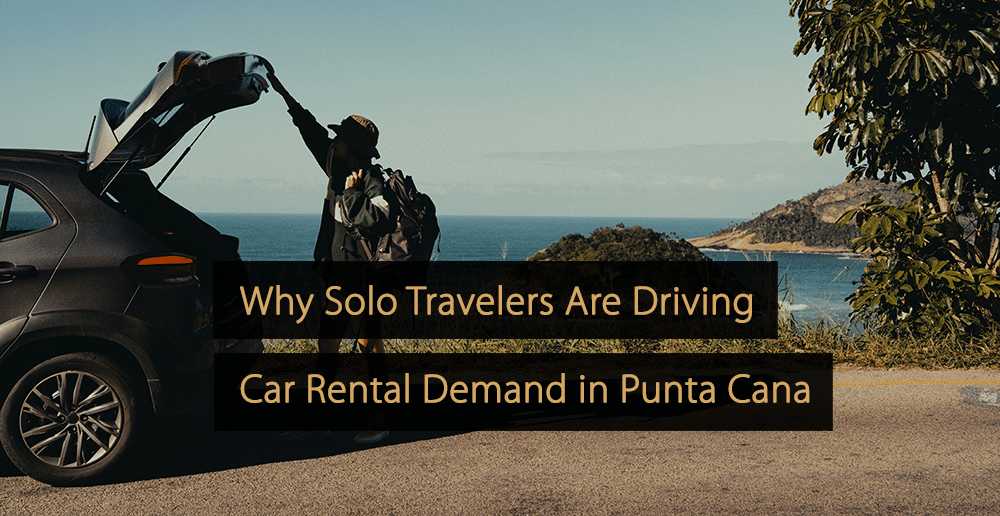
Central to this trend is the surge in car rentals. Rather than tethering themselves to the rigid schedules of hotel shuttles or the fluctuating costs of taxi services, these visitors are increasingly opting to rent vehicles from platforms like Vroom.do. This simple act—choosing to drive oneself—acts as a catalyst for a chain reaction of economic dispersal. When a visitor holds the keys, the destination expands from a five-mile radius of their resort to the entirety of the Altagracia province and beyond.
Chronology of a Tourism Evolution
The transformation of the Punta Cana tourism model did not happen overnight. Its trajectory can be categorized into three distinct phases:
- The Era of the "Bubble" (1990s–2010s): During this period, the all-inclusive model was at its peak. Infrastructure was designed primarily for mass-transit shuttles. The tourism economy was highly concentrated, with the vast majority of visitor spending staying within the hotel walls or with large-scale, contracted excursion operators.
- The Digital Empowerment Phase (2015–2022): The rise of social media and travel review platforms allowed travelers to discover "off-the-beaten-path" locations. Independent bloggers and influencers began highlighting hidden beaches and local eateries, creating a demand that existing shuttle infrastructure couldn’t meet.
- The Current "Autonomous Mobility" Phase (2023–Present): With the proliferation of user-friendly rental platforms and mobile GPS technology, the "barrier to entry" for independent travel has vanished. Today, solo travelers represent a growing segment that views a car not just as a transport tool, but as an essential accessory for their vacation identity.
Supporting Data: Why Flexibility Matters
Research into traveler behavior indicates that the "planning gap" is closing. Historically, tourists arrived with an itinerary set by a tour operator. Today, search data suggests that a significant percentage of travelers are conducting pre-trip research on local driving laws, fuel efficiency, and the location of hidden natural reserves.
The financial incentive for this shift is compelling. While a single taxi ride might seem manageable, the cumulative cost of daily private transfers for a week-long vacation can easily exceed the cost of a weekly car rental. For solo travelers, the math is even more favorable when factoring in the cost of time—the "hidden tax" of waiting for shuttle departures.
Furthermore, data suggests that the economic impact is being felt in sectors previously ignored by tourism. Small-scale rural farmers, local artisans, and independent cafes are seeing a surge in foot traffic that correlates directly with the increase in rental car activity. This "trickle-out" effect is creating a more resilient and diversified regional economy.
Official Responses and Industry Perspectives
Tourism stakeholders in the Dominican Republic are beginning to take note. While some resort chains remain wary of losing the "captured" spend of their guests, forward-thinking hospitality managers are pivoting.
"We no longer see the guest leaving the property as a loss of revenue," says one local hotel manager, speaking on the condition of anonymity. "We see it as a necessary evolution. If our guests go out and have a great experience at a local nature reserve, they come back to our property happier and more likely to recommend us. The ‘prison’ model of tourism is dying; the ‘experience’ model is the future."
Travel industry analysts point out that this trend is forcing local authorities to improve road infrastructure and signage. As the government continues to invest in the connectivity of the eastern region, the ease of driving is improving, which in turn fuels further demand for car rentals. It is a feedback loop that benefits both the visitor and the local municipal economy.
Implications: The New Economic Ripple Effect
The transition toward independent travel has profound implications for the future of Punta Cana.
1. The Democratization of Spending
When visitors have their own transportation, they stop at roadside fruit stands, fuel up at local gas stations, and dine at family-run restaurants. This distributes tourist dollars into the pockets of local business owners who previously had no access to the resort-bound visitor. This decentralization helps stabilize the local economy, making it less dependent on the success of a few large hotel conglomerates.
2. Digital Visibility as a Competitive Edge
For a local restaurant or a small ecological tour company, the digital landscape has become the new storefront. Because independent travelers use GPS and online reviews to build their day trips, a business that is not "discoverable" on Google Maps or social media effectively does not exist. This has sparked a wave of digital adoption among small business owners in the region, who are now investing in web presence to capture the attention of these independent wanderers.
3. The Shift in Hotel Operations
Hotels are changing their service offerings to cater to the "independent" guest. Instead of merely offering a shuttle desk, properties are now providing:
- Curated lists of scenic driving routes.
- "Emergency" support for rental car issues.
- Partnerships with local parking providers and businesses.
- Flexible breakfast hours to accommodate travelers who want to be on the road by dawn.
4. Enhancing the "Experience" Value
The ultimate implication is that Punta Cana is evolving from a single "resort destination" into a "hub destination." Visitors are using their rental cars to reach attractions like the Cotubanama National Park, the Ojos Indígenas ecological area, and the scenic heights of Mount Redonda. These sites, which once required a high-priced group tour to visit, are now accessible on the traveler’s own terms.
The Future of Solo Travel in the Caribbean
Solo travelers are at the vanguard of this movement because their needs align perfectly with the benefits of independent mobility. Without a group to consult, the solo traveler is the ultimate decision-maker. They have the power to pivot from a beach day to an exploration of a nearby village in a matter of seconds.
As this trend matures, we can expect to see further innovations in the rental sector—such as simplified insurance packages, contactless vehicle pick-ups, and app-based driving guides tailored to the Punta Cana region.
Conclusion: A More Sustainable Path
The shift away from the resort-and-shuttle model is not just a trend; it is a maturation of the Punta Cana tourism product. By empowering visitors to move freely, the destination is creating a more authentic, sustainable, and economically inclusive environment.
While the all-inclusive resort will always have a place in the Caribbean, it is no longer the sole gatekeeper of the visitor experience. The future of tourism in the Dominican Republic lies in the hands of the traveler behind the wheel, exploring the hidden corners of the island, and in doing so, ensuring that the prosperity of tourism is felt far beyond the confines of the hotel gate.
For businesses looking to thrive in this new landscape, the strategy is clear: provide the information, the flexibility, and the welcoming environment that the modern, independent traveler craves. The gates are open, and the road ahead is wide.


 Evan Lee Salim
 Iffa Jayyana