Siti Muinah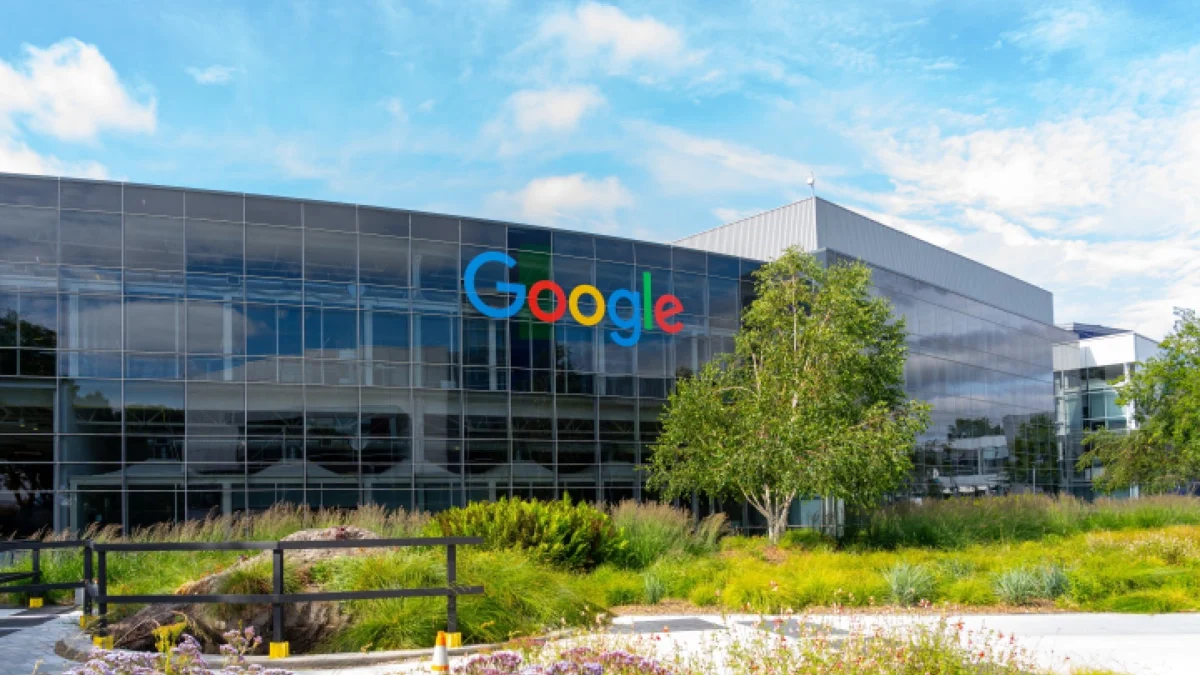
In a performance that has sent shockwaves through the financial markets, Alphabet Inc., the parent company of Google, has unveiled its second-quarter 2026 (Q2 2026) financial results, reporting a staggering 298% surge in net income. The tech giant, which continues to dominate the global digital landscape, reached a net income of $112.1bn, up from $28.2bn during the same period in 2025. This historic quarter was defined by an aggressive pivot toward artificial intelligence, resulting in an 82% explosion in Google Cloud revenue and a record-breaking streak of 12 consecutive quarters of double-digit revenue growth.
However, the celebratory tone of the earnings call was tempered by significant regulatory friction in Europe, where the company faces fresh fines and ongoing antitrust scrutiny that threaten to disrupt its core business models.
The Financial Engine: Unprecedented Growth
Alphabet’s financial health in Q2 2026 proved to be robust across all primary segments. Total revenue for the quarter hit $119.8bn, a 24% increase compared to the $96.4bn recorded in Q2 2025. This growth trajectory, consistently maintained for three years, underscores the company’s successful integration of AI across its diverse ecosystem.
Earnings per share (EPS) followed the same upward trajectory, climbing 294% to $9.11, compared to $2.31 in the year-ago period. Operating income also saw a substantial year-over-year increase of 30%, reaching $40.8bn. Perhaps most notably, Alphabet reported a net gain of $98bn in "other income," a windfall largely attributed to the unrealized gains on its equity security portfolio, providing a massive cushion for the company’s ongoing capital expenditure in AI infrastructure.
Segment Performance
- Google Services: As the primary revenue driver, this segment generated $94.5bn—a 15% increase. Growth was broad-based, with Google Search and other related services rising 17%, subscriptions and devices growing by 15%, and YouTube advertising revenue posting a 13% gain.
- Google Cloud: The standout performer of the quarter was undeniably the Cloud division. Revenues soared 82% to $24.8bn. This surge is widely considered to be the result of a massive shift in enterprise demand, with corporations scrambling to adopt Gemini-powered AI solutions and the underlying infrastructure necessary to support large-scale machine learning.
Geographical Distribution
Alphabet’s reach remains deeply entrenched in global markets. The United States led the growth with a 32% revenue increase, followed by the "Other Americas" region at 23%. Asia-Pacific (APAC) saw a 17% rise, while the Europe, Middle East, and Africa (EMEA) region—currently the epicenter of the company’s regulatory battles—managed a healthy 15% growth, proving that demand for Google’s tools remains inelastic despite the legal pressure.
CEO Perspective: The "Full-Stack" AI Strategy
Alphabet and Google CEO Sundar Pichai framed the quarter as a vindication of the company’s long-term bet on artificial intelligence.
"Our AI investments are redefining what’s possible across every part of our business," Pichai stated during the earnings call. He highlighted the rapid adoption of Gemini Enterprise, noting that nearly 90% of Fortune 100 companies have integrated the tool into their workflows.
Pichai emphasized the scale of the company’s AI dominance, revealing that Gemini models are currently processing 22 billion API tokens per minute, while the Gemini mobile application has reached 950 million monthly active users. Furthermore, he noted the success of specialized tools, such as the Gemini 3.5 Flash Cyber, which is meeting the growing demand for cost-effective, high-performance cybersecurity solutions.
Beyond enterprise and infrastructure, Pichai pointed to the cultural footprint of the platform, noting that during the 2026 FIFA World Cup, over 1.7 billion unique viewers tuned into YouTube for related content, demonstrating the platform’s unparalleled ability to aggregate global audiences.
Regulatory Headwinds: The Brussels Confrontation
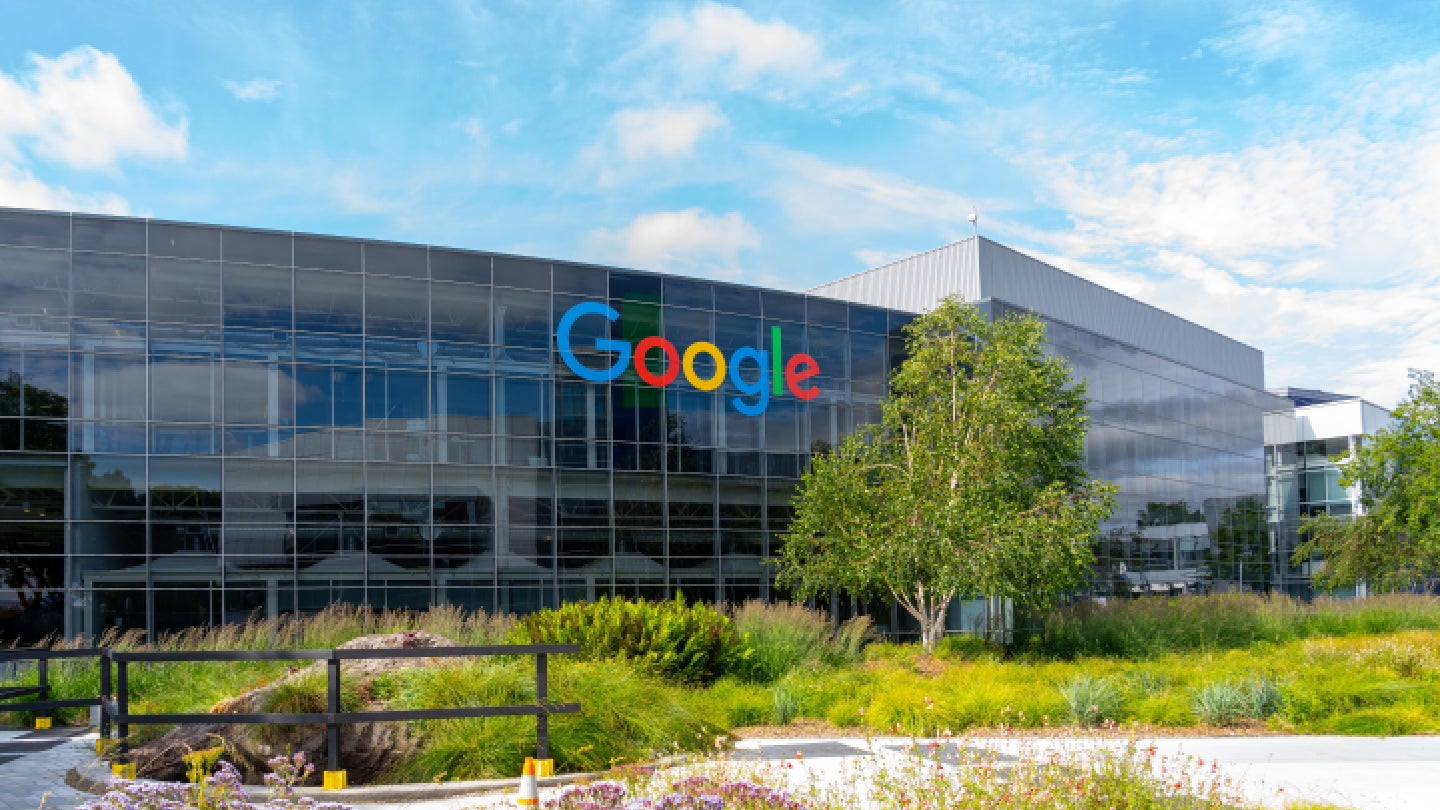
While the financial metrics paint a picture of unrivaled dominance, Alphabet’s legal landscape in Europe is darkening. Concurrent with its stellar earnings report, the European Commission (EC) announced a total fine of €890m against Google for non-compliance with the Digital Markets Act (DMA).
The Breakdown of the €890m Penalty:
- Self-Preferencing (€460m): The Commission found that Google’s search engine gave preferential treatment to its own vertical services—specifically Shopping and Hotels—at the expense of third-party competitors. The use of more prominent visuals and specialized placement was deemed a violation of the DMA’s "gatekeeper" neutrality requirements.
- App Store Restrictions (€430m): Regulators targeted the Google Play Store, finding that the company restricted developers from promoting or concluding contracts outside of the Google ecosystem. The EC specifically criticized the "steering-related fees" imposed on developers as excessive and anti-competitive.
The European Commission has given Google a 60-day window to rectify these practices or face further penalties, which could reach up to 5% of the company’s total global turnover.
A History of Antitrust Challenges
This fine is merely the latest in a long-standing series of legal confrontations between the EU and the tech giant. Earlier this month, the Court of Justice of the European Union upheld a landmark €4.1bn fine related to the Android operating system. That case, which originated in 2018, centered on allegations that Google forced manufacturers to pre-install its apps as a condition for using the Android OS, thereby stifling competition from rival browsers and search engines.
These legal developments signify a broader shift in the European approach to "Big Tech." By leveraging the DMA, the Commission is attempting to force a fundamental change in how Google operates its "walled garden," seeking to lower the barriers to entry for smaller competitors and restore a level playing field in the digital economy.
Implications for Investors and the Industry
The contrast between Alphabet’s financial success and its regulatory struggles poses a complex question for stakeholders: Can the company maintain its rapid growth trajectory if it is forced to dismantle its "full-stack" integration?
Financial Implications
The immediate impact of the €890m fine is negligible given the company’s $112bn quarterly net income. However, the long-term cost of compliance—specifically the potential loss of "self-preferencing" advantages—could have a more material impact on Search and Play Store margins. Investors, however, appear buoyed by the explosive growth in Cloud and AI infrastructure, which currently seems to outweigh the risks of European regulatory action.
Strategic Shifts
Alphabet’s strategy of "full-stack" AI—where the hardware (TPUs), the model (Gemini), and the distribution (Search, Android, Cloud) are tightly integrated—is exactly what regulators are beginning to target. By mandating that third-party services receive equal treatment, the European Commission is essentially attempting to "unbundle" Google’s ecosystem.
If successful, this could lead to a more fragmented user experience but a more competitive market. For Alphabet, the challenge will be to pivot its business model to remain profitable while complying with these increasingly stringent mandates.
Conclusion: The Path Ahead
The second quarter of 2026 will be remembered as the moment Alphabet transitioned from a search and advertising company into a dominant AI infrastructure provider. With 22 billion API tokens processed per minute and massive growth in its Cloud division, the company has successfully pivoted to the next technological frontier.
Yet, the success of the quarter also highlights the company’s precarious position. As Alphabet grows larger and more integrated, it inevitably attracts greater scrutiny from global regulators. The battle between the company’s desire for seamless, vertically integrated service delivery and the European Commission’s push for competitive openness is far from over. For Alphabet, the next 60 days will be a critical test of whether it can satisfy EU regulators while maintaining the momentum that has made it one of the most valuable companies in human history.

 Lina Hope
 Jia Lissa