Laily UPN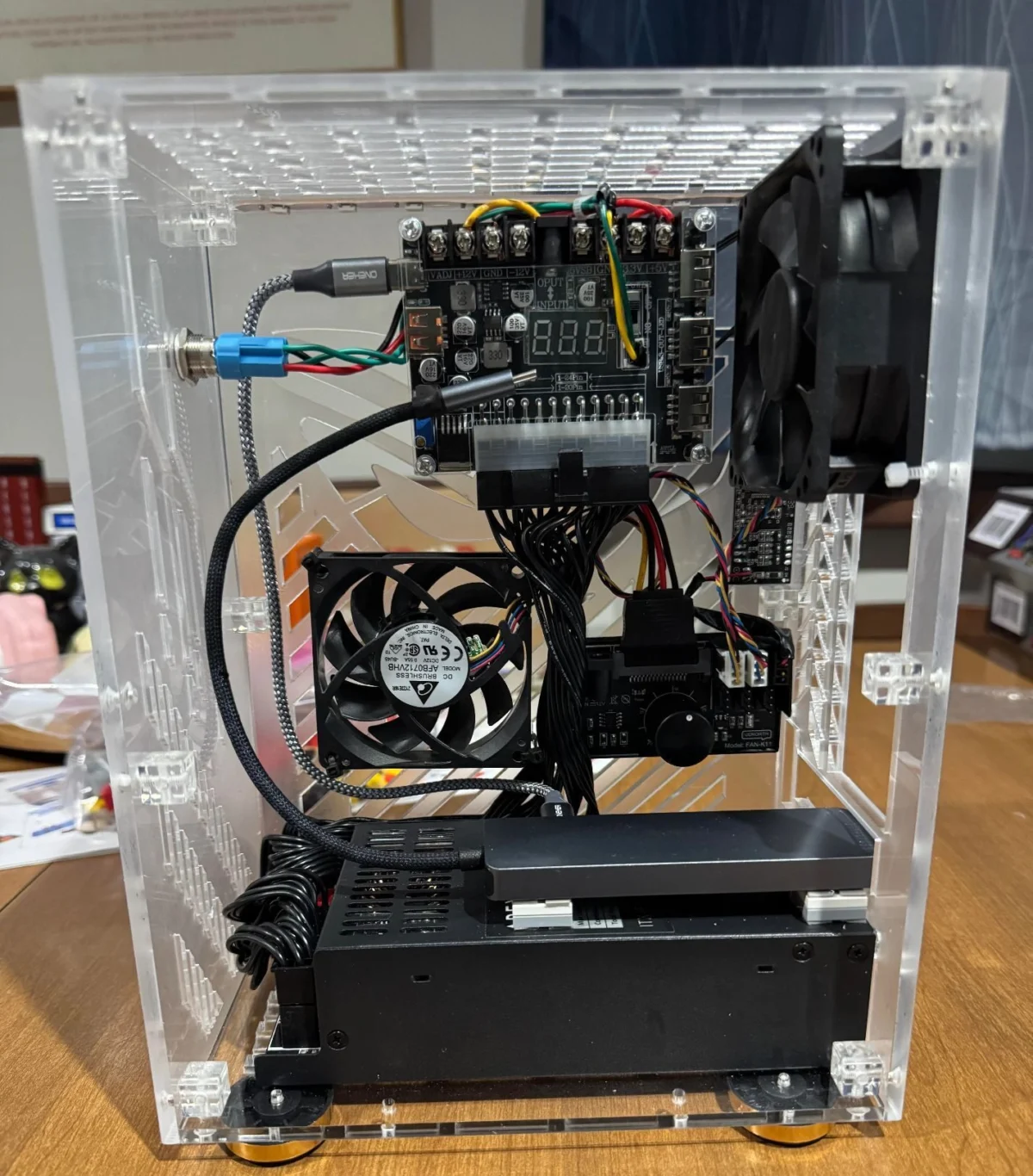
In the high-stakes world of consumer electronics, a shattered display is usually the final chapter for a premium smartphone. When a device like the Samsung Galaxy Z Fold 5 suffers a catastrophic screen failure, it typically transforms from a productivity marvel into a “sad monument to modern gadget math”—a combination of repair costs that rival a new purchase and the psychological weight of a device that has outlived its utility.
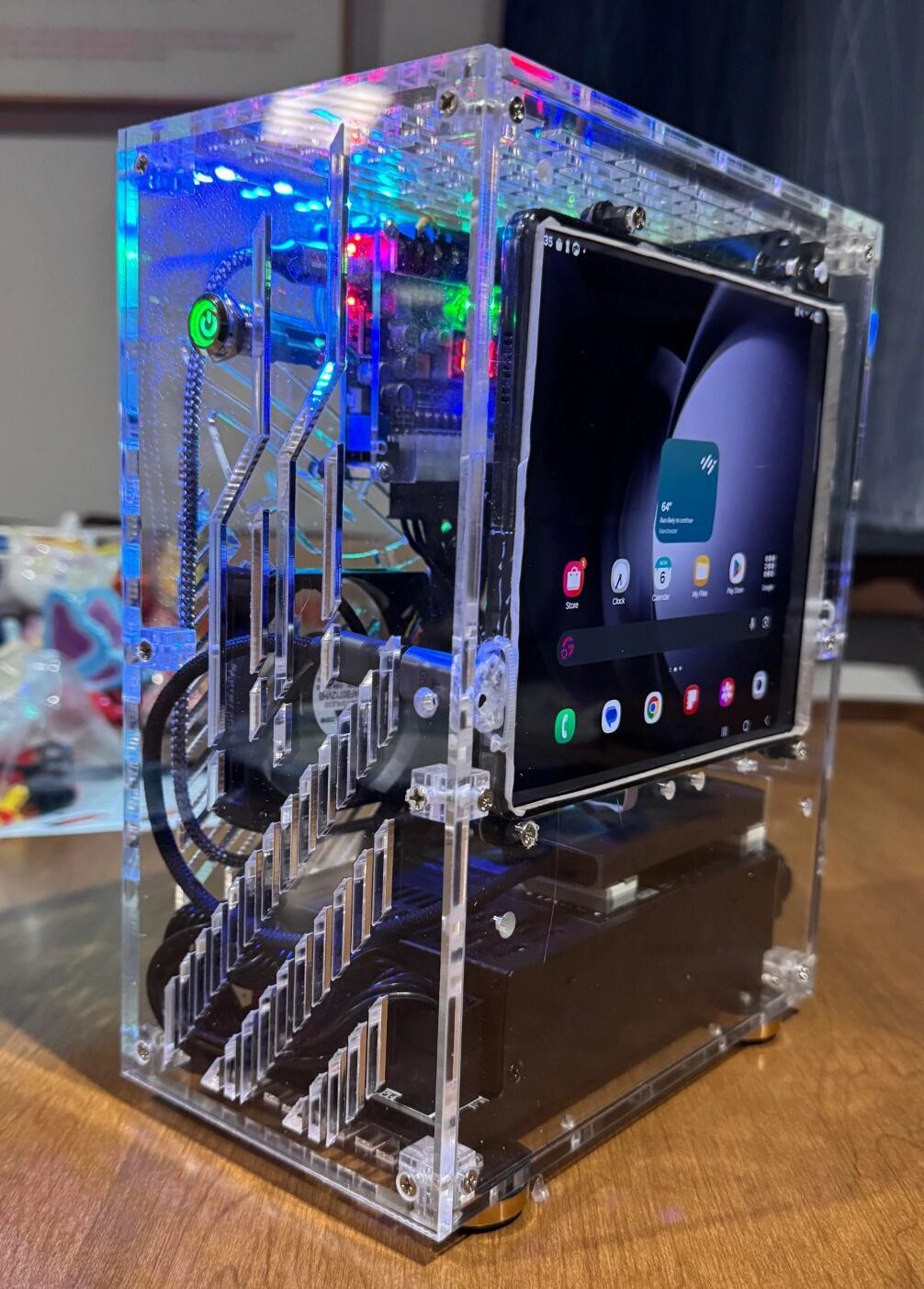
However, one Reddit user, known as u/Salt_Entertainer_879, has defied this cycle of planned obsolescence. By repurposing a broken Galaxy Z Fold 5 into a custom-built, LED-lit acrylic “DeX box,” the user has inadvertently sparked a broader conversation about the untapped potential of mobile hardware and the stagnant state of desktop-class Android computing.
The Anatomy of the Build: A Cyberpunk Resurrection
The project is as much a feat of engineering as it is a visual statement. Utilizing the core components of the Z Fold 5—specifically its powerful chipset, storage, and wireless connectivity—the creator bypassed the damaged outer display entirely. By integrating a USB-C hub, custom cooling fans, and aggressive, neon-hued LED lighting, the user built a chassis that looks less like a smartphone and more like a piece of high-end, homebrew computing hardware.
The build relies on a fundamental truth of modern mobile tech: a "broken" phone is rarely a dead computer. While the screen may be compromised, the processor, memory, and sophisticated software layers remain fully functional. By shifting the device from a handheld form factor to a stationary "brain" for an external workstation, the creator has effectively turned a depreciated asset into a functional mini-PC.
Chronology of a DIY Transformation
The project represents a multi-stage evolution of smartphone repurposing:
- Phase 1: Triage and Assessment: The user identified that while the foldable display was unusable, the internal logic board and core processing power remained intact.
- Phase 2: The Infrastructure: Recognizing that sustained desktop-mode usage generates heat, the creator installed dedicated cooling fans to ensure the processor wouldn’t throttle during intensive tasks.
- Phase 3: Connectivity Integration: A high-bandwidth USB-C hub was incorporated to handle peripherals—keyboards, mice, and external monitors—effectively turning the phone’s single port into an I/O powerhouse.
- Phase 4: Aesthetic Fabrication: Using acrylic housing and industrial-grade LED lighting, the user elevated the "science project" look to a "cyberpunk aesthetic," proving that functionality does not have to be ugly.
- Phase 5: Deployment: The system was successfully docked and interfaced with a desktop monitor, launching Samsung DeX to provide a full-fledged windowed OS experience.
Supporting Data: Why Samsung DeX Still Holds the Crown
The success of this project hinges almost entirely on Samsung’s software maturity. DeX (Desktop Experience) has been iterated upon for years, evolving from a gimmick into a stable, enterprise-ready platform.
Key features that make the DeX box viable:
- Window Management: Unlike stock Android, DeX handles multiple windows with a spatial awareness similar to Windows or macOS.
- Peripheral Support: DeX recognizes and maps input devices with minimal latency, essential for a "desktop" feel.
- UI Polish: The interface includes taskbars, system trays, and keyboard shortcuts that allow users to navigate without touching the physical screen.
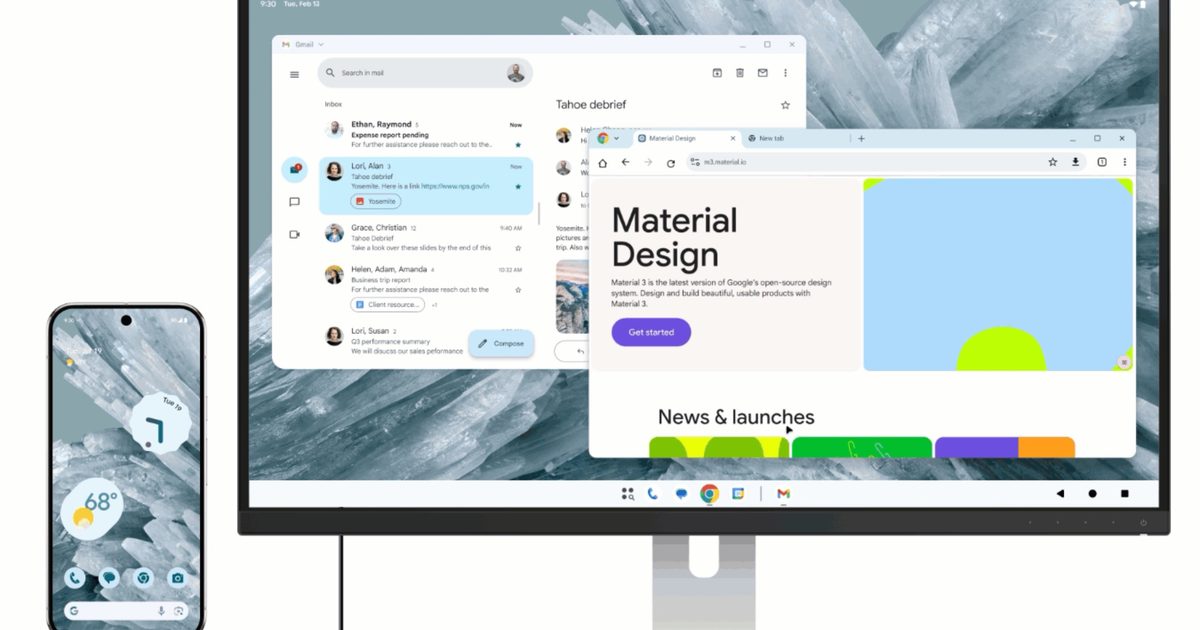
In contrast, Google’s native Android desktop mode remains in a state of perpetual "beta." While Pixel devices possess the hardware specifications to rival a Z Fold 5, the software layer lacks the "desktop-first" philosophy that Samsung cultivated. Google’s implementation feels like a hidden menu setting rather than a primary operating system, leaving users with a fragmented experience that struggles to justify its own existence as a productivity tool.
The "Phone-as-PC" Implication
The existence of this DIY rig presents a challenging narrative for tech giants: users are hungry for a unified computing experience, yet the software ecosystem is failing to keep pace.
If a hobbyist can turn a broken phone into a desktop-capable machine in their spare time, it raises the question: why haven’t manufacturers leaned harder into this? There is a massive environmental and economic argument for "second-life" hardware. Millions of smartphones are discarded annually due to screen or battery issues that could be mitigated if manufacturers designed their software to treat mobile devices as modular components rather than disposable, all-in-one units.
The Google vs. Samsung Divide
The implications for the industry are clear. Samsung has successfully "sanded down the annoying bits," as evidenced by the ease with which this DIY project functions. Google, conversely, appears to be treating desktop mode as an afterthought—a feature included because it can be, not because it must be.
For the Pixel ecosystem, this is a missed opportunity. Google holds the keys to the cloud, the apps, and the services that users spend their entire day in. If Google were to adopt a more aggressive, polished desktop interface, they could effectively turn every Pixel into a "laptop-in-a-pocket." The current disparity highlights a gap in vision: Samsung views the phone as a gateway to any screen, while Google continues to view the phone as the destination itself.
The Philosophy of "Second Lives" for Hardware
Beyond the tech specs and the debate between OEMs, there is a profound human element to this project. We live in an era of hyper-consumption where devices are treated as ephemeral. By giving a broken Z Fold 5 a "second job," u/Salt_Entertainer_879 is participating in a quiet form of protest against planned obsolescence.
This build serves as a reminder that the hardware we hold in our hands is, at its core, a computer. When that computer’s "body" (the screen/chassis) fails, the "brain" (the processor) remains capable of handling word processing, web browsing, and media consumption. This is not just a clever hack; it is a blueprint for a more sustainable approach to personal technology.
Conclusion: A Prototype for the Future
The "DeX box" may look like a mad scientist’s lunchbox, but it is a functional, working prototype that outperforms the official offerings of some of the world’s largest companies. It is messy, it is loud, and it is entirely unique—and that is exactly why it is important.
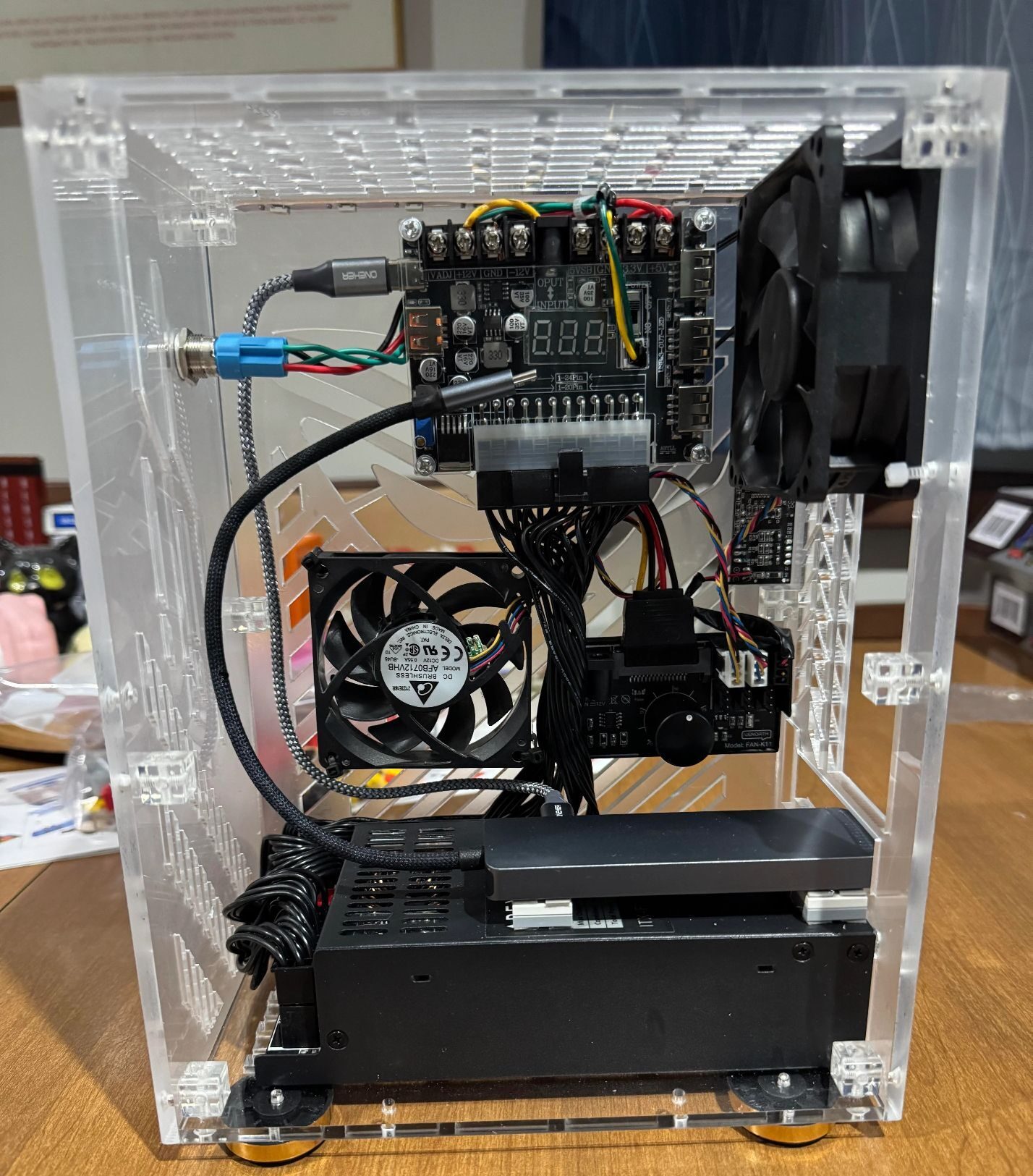
As the industry moves forward, the success of this project should serve as a wake-up call. Users want devices that are modular, repairable, and adaptable. They want software that evolves with their needs, regardless of whether their device is brand new or three years old with a shattered display. Google may continue to polish the theory of desktop Android, but while they sit at the drawing board, this broken, fan-cooled, acrylic-encased Fold 5 is already out there, getting the job done.
In the end, the project proves that the most exciting computers aren’t necessarily the ones coming out of the factory boxes—they are the ones we reclaim from the trash, repurpose with a bit of ingenuity, and force to live a second, more interesting life.

 Ammar Sabilarrohman
 Asro
Asro