
 Dwi Wanna
The landscape of urban mobility in California is undergoing a seismic shift. Waymo, the autonomous driving technology subsidiary of Alphabet Inc., has officially received authorization from the California Public Utilities Commission (CPUC) to significantly broaden its robotaxi operations. This regulatory milestone marks a major victory for the company, paving the way for its driverless service to reach millions of additional residents across Northern and Southern California.
The approval, confirmed by the company on August 14, 2026, signals a maturation of the autonomous vehicle (AV) industry, moving from localized pilot programs to widespread, regional utility. Waymo will now begin the process of deploying its fleet into the metropolitan areas of Sacramento and San Diego, while simultaneously scaling its existing operations throughout the San Francisco Bay Area and the sprawling Los Angeles basin.
The Scope of the Expansion: 18 Counties and Counting
The scale of this regulatory clearance is unprecedented. Waymo’s expanded permit covers 18 counties across the state, effectively creating a massive, interconnected network of autonomous transit options. The authorized regions include Alameda, Contra Costa, Marin, Napa, Sacramento, San Francisco, San Mateo, Santa Clara, Santa Cruz, Solano, Sonoma, Yolo, Los Angeles, Orange, Riverside, San Bernardino, San Diego, and Ventura.
While the approval grants the company the legal framework to operate in these areas, Waymo has emphasized that the rollout will be methodical. "Expansion will be gradual and guided by our safety framework," the company stated in a public announcement. This cautious approach is intended to ensure that vehicle performance meets stringent safety benchmarks before full-scale commercial availability is triggered in every municipality within these counties.
A Chronology of Regulatory Persistence
The path to this August 2026 milestone was not without its hurdles. The narrative of this expansion began in earnest back in November 2025, when Waymo first unveiled its ambitious roadmap to increase its footprint in California.
- November 2025: Waymo announces its intent to expand into San Diego, signaling a desire to capture the Southern California market beyond its initial Los Angeles testing.
- January 2026: Waymo formally files an "advice letter" with the CPUC, detailing a comprehensive safety plan and requesting permission to offer commercial rides across the expanded 18-county service area.
- February 2026: The company specifically highlights Sacramento as a future hub for its autonomous ride-hailing service, further building public and political support for the expansion.
- Mid-2026: The application process faced scrutiny, with the CPUC temporarily suspending the request to seek further clarification on safety protocols and incident reporting. This period saw intense dialogue between regulators and the company to align on performance metrics.
- July 2026: Waymo shifts focus toward testing fully autonomous, driverless rides—without a safety operator behind the wheel—in San Diego, alongside concurrent tests in Denver, Tampa, and Las Vegas.
- August 14, 2026: Following the resolution of previous regulatory suspensions, the CPUC grants the final approval, clearing the way for the 18-county operational rollout.
The Technological Vanguard: Jaguar I-Pace and "Ojai"
The expansion will utilize two primary platforms. The first is the tried-and-tested Jaguar I-Pace, an all-electric SUV that has served as the backbone of Waymo’s fleet for several years. These vehicles have logged millions of autonomous miles, providing the data necessary to satisfy the CPUC’s rigorous safety standards.
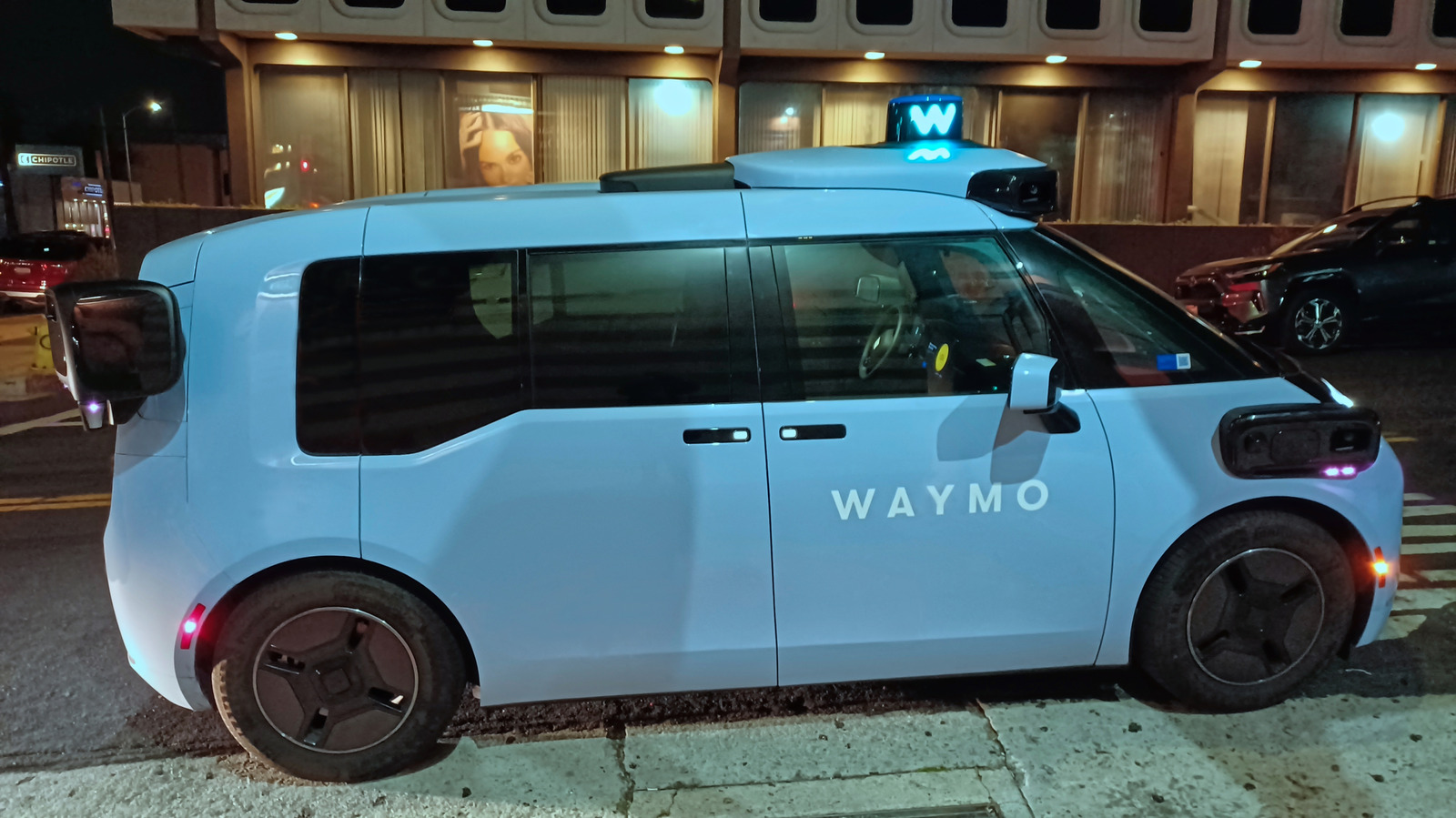
However, the expansion also marks a transition toward purpose-built hardware. Waymo is increasingly integrating its new "Ojai" robotaxis—custom-designed minivans manufactured by the Chinese automaker Zeekr. These vehicles are designed specifically for the ride-hailing experience, offering a more spacious, accessible, and user-friendly environment for passengers. The deployment of the Ojai fleet represents a strategic pivot from retrofitting luxury consumer vehicles to utilizing dedicated transit hardware, which is expected to lower operating costs and improve durability over the long term.
The Regulatory Balancing Act
The CPUC’s decision to grant this expansion is not merely a bureaucratic formality; it is a profound policy statement on the future of transportation in the most populous state in the U.S. The commission’s role has been to strike a delicate balance between fostering technological innovation and ensuring public safety.
Throughout the process, the CPUC has required Waymo to submit detailed data regarding incident reports, vehicle performance, and service reliability. Critics of the expansion, including various labor unions and local municipal groups, have previously raised concerns regarding the potential impact on public transit employment and the unpredictability of AV behavior in complex urban environments. Waymo’s ability to secure this approval suggests that the company has successfully addressed these concerns, likely through enhanced incident reporting transparency and proactive community engagement.
Implications for Urban Mobility
The implications of this expansion are far-reaching, touching on environmental goals, urban planning, and the future of car ownership.
1. The Death of the "Last Mile" Problem
By covering both the San Francisco Bay Area and the Los Angeles metro, Waymo is addressing the perennial "last mile" problem—the gap between public transit hubs and a passenger’s final destination. In cities like San Diego, where urban sprawl is significant, an efficient, on-demand robotaxi service could significantly reduce reliance on private vehicle ownership.
2. Economic and Labor Shifts
The introduction of widespread autonomous transit creates a ripple effect in the local economy. While it offers a new, flexible mode of transportation, it also sparks ongoing debates regarding the future of the professional driving workforce. The transition from human-operated ride-hailing to automated services is likely to be a focal point of legislative debate in Sacramento for years to come.
3. Environmental Impact
Waymo’s transition to an all-electric fleet aligns with California’s aggressive climate goals. By replacing older, combustion-engine vehicles with electrified, autonomous fleets that can optimize routes to minimize energy consumption, the state hopes to lower transportation-related carbon emissions significantly.
4. Setting the National Standard
California is often the "canary in the coal mine" for emerging technologies. The protocols developed by the CPUC and the performance metrics Waymo is required to meet serve as a blueprint for other states and countries. If the 18-county expansion proves successful and safe, it will likely accelerate the adoption of similar autonomous taxi services in major global cities, further cementing the role of AI in the physical world.
The Road Ahead
As Waymo prepares to roll out its services in Sacramento and San Diego, the company faces the logistical challenge of scaling its support infrastructure—including cleaning crews, charging stations, and local operations centers—to support a much larger fleet.
Public reaction remains the ultimate arbiter of the company’s success. While the regulatory hurdles have been cleared, the company must now convince the broader public that its vehicles are safer, more convenient, and more reliable than the alternatives. With the official green light from the CPUC, the "Golden State" is set to become the world’s largest laboratory for the future of urban mobility. Whether this expansion results in a seamless integration of AI into daily life or continues to spark heated debate, one thing is clear: the driverless future has officially arrived in California.


 Sagoh
Sagoh
 Asep Darmawan