Laily UPN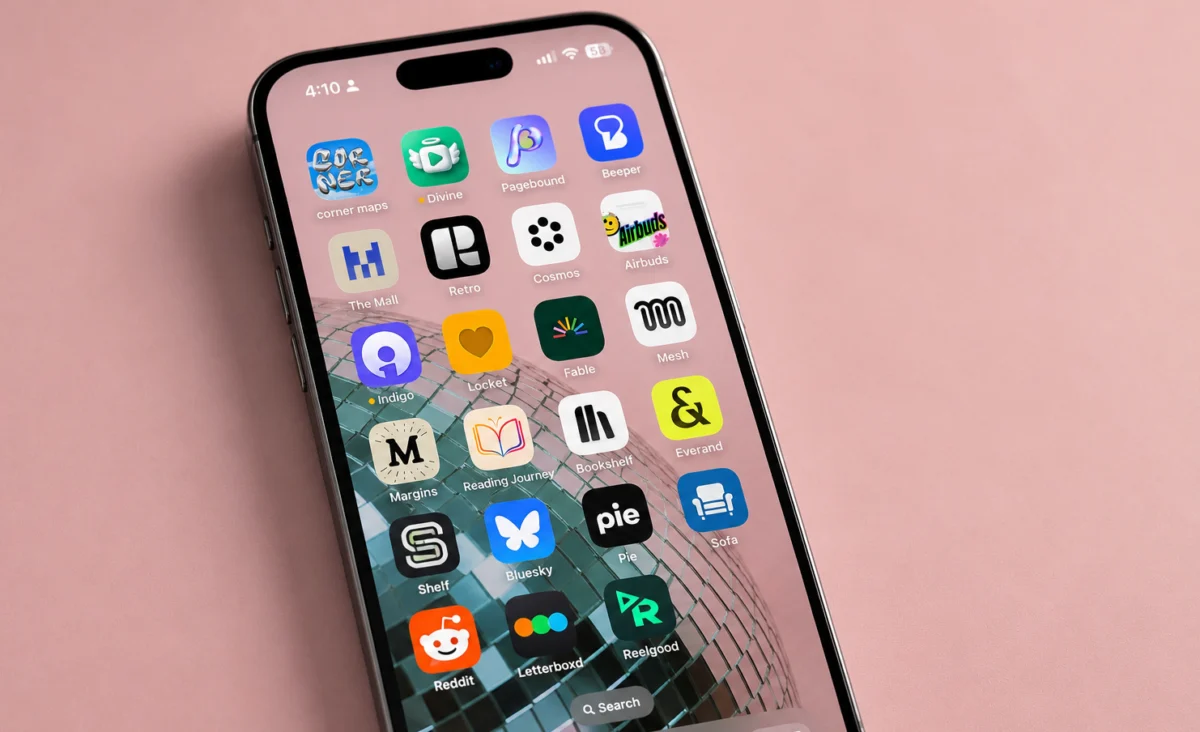
For nearly two decades, our digital lives have been dictated by the "Big Five": Meta (Facebook, Instagram, WhatsApp), Google (YouTube), Snapchat, TikTok, and X. These platforms became the default architecture of human connection, turning social interaction into a high-stakes game of algorithmic engagement, ad-driven data harvesting, and public performance.
However, a quiet but profound shift is underway. A new wave of startups is successfully challenging the hegemony of these giants. These platforms are not trying to capture the "entire world" in a single feed; instead, they are prioritizing intimacy, personal utility, and the restoration of intentionality. By building smaller, specialized, and often private spaces, these companies are catering to a demographic—particularly Gen Z—that is increasingly fatigued by the performative nature of legacy social media.

The Evolution of Connection: A Chronology of the Shift
The current movement away from Big Tech didn’t happen overnight. It is the result of a gradual disillusionment with the "Town Square" model of social media.
- 2016: The Death of Vine and the Birth of Nostalgia. When Twitter shuttered Vine, it left a void in short-form creative expression. The subsequent rise of TikTok filled that void with algorithmic intensity, but it also fueled a craving for the more authentic, six-second spontaneity that Vine once provided.
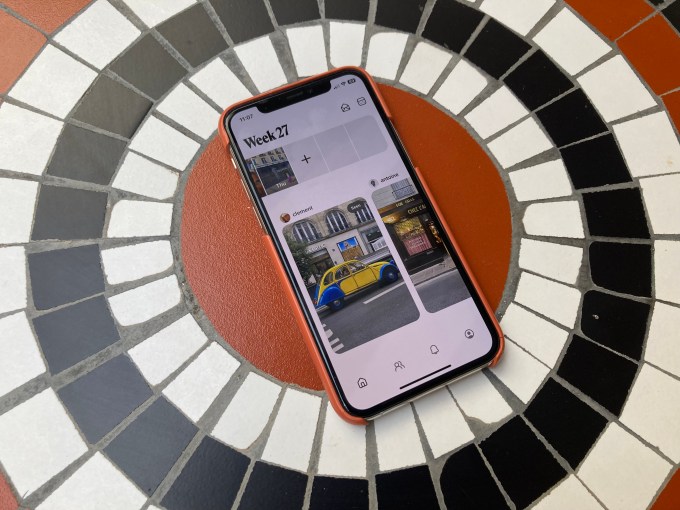
- 2020–2022: The Widget Era. The launch of Locket signaled a move away from the central feed. By placing photos directly on the home screen, Locket proved that users wanted "social" to be a background utility rather than an addictive destination.
- 2023–2024: The Privacy Turn. With the rise of "Photo-Sharing for BFFs" like Retro, the focus shifted from public broadcasting to private, collaborative archiving.
- 2025–2026: The Fragmentation of Utilities. We are currently in the era of the "unbundled" social network. Apps like Indigo (for decentralized microblogging), Shelf (for personal interest tracking), and The Mall (for social commerce) represent a move toward vertical-specific networking where functionality matters more than follower counts.
Supporting Data: Why "Small" is the New "Scale"
The appeal of these niche networks is backed by shifting user behaviors. According to industry trend reports, users are spending less time on general-purpose "infinite scroll" platforms and more time in messaging-centric or interest-driven apps.
The success of these platforms lies in their rejection of "clout-chasing." For instance, Shelf, a platform dedicated to organizing one’s digital "taste"—from movies to books—is private by default. It acknowledges a fundamental truth of the modern internet: people are tired of performing for strangers. Similarly, Corner, which positions itself as "Google Maps, but social," has amassed over 125,000 users by focusing on the curation of local experiences rather than the aggregation of global news. These numbers may seem small compared to Instagram’s billions, but their engagement rates are remarkably high because they solve specific, real-world problems.
The Vanguard of the New Social Web
Below are the platforms currently redefining what it means to be "connected" in the digital age.

Retro: Reclaiming the Memory
Created by former Instagram insiders Nathan Sharp and Ryan Olson, Retro is a direct response to the "highlight reel" culture of its parent company. It focuses on collaborative journals and weekly photo highlights, allowing users to time-travel through their camera rolls with friends. Its privacy controls, which allow users to hide older photos from casual acquaintances while keeping them visible to close friends, restore the boundaries that modern social media destroyed.
Cosmos: Curation Over Content
For the creative class tired of the "AI slop" and cluttered interfaces of Pinterest, Cosmos offers a refined alternative. It is a space for inspiration, allowing users to search by aesthetic, color, or keyword to build a profile that reflects their true taste. It is less a social network and more a digital atelier, facilitating collaboration on collections that can even lead to shopping for unique, curated products.

Indigo: The Decentralized Bridge
The "Fediverse" (Mastodon, Bluesky) is theoretically superior but practically difficult to manage. Indigo solves this by acting as a unified client. Co-created by Ben McCarthy, the app allows users to participate in both Mastodon and Bluesky simultaneously through a single, polished interface. It is the ultimate tool for those who want the benefits of a decentralized social web without the friction of multiple logins.
Divine: A Resurrection for Creators
Divine is perhaps the most ambitious project in the current landscape. Backed by Jack Dorsey’s nonprofit, "and Other Stuff," this reboot of the Vine archive serves as a permanent home for the short-form video movement. By importing 500,000 original videos and encouraging new six-second creations, Divine proves that the internet has a long memory—and a deep desire for the simplicity of the early mobile web.

Mesh: The Personal CRM
While not a "social network" in the traditional sense, Mesh (formerly known as Clay) is essential for anyone managing a complex network of professional and personal relationships. Acquired by Automattic in 2025, it tracks changes in your contacts’ lives—such as new job titles or public posts—and prompts you to reconnect. It is a tool for professional intimacy in a world that has become increasingly transactional.
Fable: The Social Reading Renaissance
Fable has successfully pivoted to challenge giants like Amazon’s Goodreads by bundling its book club features with the digital library of Everand. By syncing reading progress, reviews, and virtual book clubs, it transforms the solitary act of reading into a community experience.

Locket: The Home Screen Revolution
Locket remains the gold standard for "intimate" social media. By turning the iPhone home screen into a live, updating widget for friends, it removes the need to open an app. It is social media that lives in your periphery, rather than at the center of your attention.
Airbuds: Music as a Language
Spotify and Apple Music have struggled to make their platforms truly social. Airbuds succeeds where they fail by treating music as the primary vehicle for interaction. It allows friends to see what’s playing in real-time, roast each other’s musical taste, and participate in quizzes. It turns passive listening into an active, shared hobby.

The Mall: Social Commerce
The Mall is a new entrant that treats shopping as a social discovery process. Rather than an ad-heavy marketplace, it is a feed of curated brand releases. It allows users to follow their friends’ "collections" and find new brands through social discovery, moving away from the "search-and-buy" model of traditional e-commerce.
Official Responses and Strategic Implications
The rise of these platforms has not gone unnoticed by the giants. Meta’s acquisition of smaller competitors and the "cloning" of features (like Stories or Reels) is a standard defensive maneuver. However, the current "unbundling" trend is harder to stop.

The implications are clear: The era of the "everything app" is losing its luster.
For advertisers, this shift represents a fragmentation of the audience. For users, it represents a reclamation of autonomy. Industry analysts suggest that we are moving toward a "federated" or "community-first" internet. Companies that attempt to keep users on a single platform through addictive algorithms are finding it increasingly difficult to compete with tools that provide actual, tangible utility.

Conclusion: A More Intentional Future
As we look toward the latter half of the decade, the winners in the social space will likely be those that prioritize "Depth over Reach." The success of apps like Retro, Corner, and Airbuds shows that users are willing to pay for—or at least dedicate time to—platforms that treat them like human beings rather than data points.
We are not leaving the social web; we are simply moving out of the overcrowded, noisy city centers of Big Tech and into the smaller, more curated neighborhoods of the niche internet. In these spaces, we aren’t just consumers of content—we are participants in a more intentional, private, and meaningful digital experience.

Disclaimer: When you purchase through links in our articles, we may earn a small commission. This does not affect our editorial independence or the integrity of our reporting.


 Lina Hope
 Ammar Sabilarrohman