Evan Lee Salim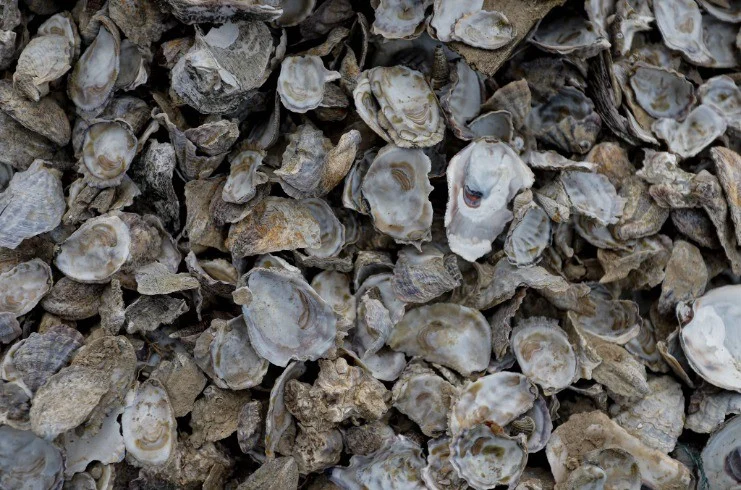
KEY WEST, Florida — In the heart of the Florida Keys, where the delicate balance between tourism and marine preservation is a daily reality, the Hyatt Centric Key West Resort & Spa has unveiled a pioneering sustainability initiative. The resort has officially launched an oyster shell recycling program—the first of its kind for a hotel and restaurant operation on the island. By transforming discarded mollusk shells from its culinary venues into high-value construction materials, the resort is shifting the narrative on hospitality waste from "disposal" to "restoration."
This ambitious project, which officially commenced this January, marks a significant departure from standard waste management practices in the Florida hospitality sector. By capturing the waste stream from its popular dining destinations—Four Flamingos, A Richard Blais Key West Kitchen, and the Blue Mojito Bar and Grill—the resort is creating a closed-loop system that benefits both the built environment and the fragile marine ecosystems of the Florida Keys.
The Genesis of the Initiative: A Chronology of Innovation
The journey toward this sustainability milestone began more than a year ago, born from a internal brainstorming session led by Executive Chef Leo Minelli. As the resort sought ways to minimize its environmental footprint, the sheer volume of oyster shells generated by its high-end seafood offerings became a focal point of discussion.
- Early 2024: The conceptual phase began. Chef Minelli and his culinary team evaluated the logistics of collecting and cleaning discarded shells to ensure they would not pose a health or sanitation risk.
- Mid-2024: The team established a proprietary curing process. Recognizing that raw shells can harbor bacteria and organic material, the team developed a six-month curing cycle designed to sanitize the shells, preparing them for industrial reuse.
- Late 2024: The resort secured a critical partnership with Krause Construction Company, based in Summerland Key. This partnership provided the technical expertise required to test the durability and suitability of the cured shells as building materials.
- January 2025: The program officially went live. The resort constructed a specialized enclosure—funded in part by the broader Hyatt Centric brand—to house the curing process, marking the formal start of the recycling operations.
- Current Status: The program has successfully processed its first 40-pound collection, with the infrastructure now in place to scale operations as the resort’s dining throughput continues.
Technical Feasibility: The Science of Shell Recycling
The transformation of a culinary byproduct into a construction material is a sophisticated process. Oysters, which are composed primarily of calcium carbonate, possess structural properties that make them an ideal candidate for material engineering.
The Curing Process
The six-month curing phase is the cornerstone of the initiative. By exposing the shells to natural environmental conditions in a controlled enclosure, the resort ensures that all organic matter is broken down and the shells are sufficiently dehydrated and hardened. This prevents odor and pest issues while ensuring that the chemical composition of the shell is stabilized.
Applications in Construction
Once cured, the shells are versatile. According to the project’s technical partners, the recycled material is being explored for several high-impact applications:
- Cement and Concrete Replacement: When pulverized, the calcium-rich shells can serve as an aggregate or additive in concrete mixtures, potentially reducing the carbon footprint associated with traditional mining for limestone and other aggregates.
- Landscaping and Soil Stabilization: The crushed shells are being tested as a decorative and structural mulch or base layer, which helps with soil aeration and erosion control.
- Roads and Pavers: In compressed form, the shells act as a sustainable base for driveways and secondary roads. Decorative tiles and brick pavers made from shell composites offer a distinct aesthetic that aligns with the "coastal chic" architectural style of Key West.
- Marine Restoration: Perhaps the most vital application is the potential use of these shells in canal restoration projects. By reintroducing clean, cured oyster shells into the local ecosystem, the project aims to provide a substrate for new oyster larvae to attach to, effectively helping to rebuild natural reefs that provide storm surge protection and filtration for the Florida Keys’ waterways.
Leading by Example: Supporting Data and Industry Impact
The hospitality industry is often criticized for its massive output of solid waste. By becoming the first island operator to institutionalize shell recycling, Hyatt Centric Key West is setting a new benchmark for corporate social responsibility (CSR).
The initial collection of 40 pounds is merely a proof-of-concept. As the program matures, the resort expects to divert hundreds of pounds of waste from local landfills annually. While 40 pounds may seem modest in the context of global waste, it represents a "proof of principle" that is essential for larger industry adoption.
"Sustainability is about taking responsibility for what we create and finding ways to give back," says Executive Chef Leo Minelli. "By recycling our oyster shells, we’re not only reducing waste, but also helping restore reefs that are essential to the health of our community and our oceans."
The partnership with Krause Construction is essential here. In the Florida Keys, where building materials must be transported from the mainland at great cost and high carbon expense, the ability to create "local" construction material is not just an environmental win—it is a logical economic strategy.

Leadership and Community Stewardship
The success of this program is the result of a cross-departmental effort. The Hyatt Centric Leadership Committee, which includes key stakeholders in operations, finance, human resources, and engineering, has been instrumental in clearing the regulatory and logistical hurdles required to implement such a program.
The Steering Committee:
- Hector Ortiz: General Manager (Strategic Oversight)
- Leo Minelli: Executive Chef (Program Vision)
- Kelsey Ischinger: Director of Operations (Logistics)
- Juan Planells: Director of Engineering (Infrastructure)
- Diana Bohn: Director of Commercial Services (Community Outreach)
- Laura Stilley: Director of Human Resources (Internal Education)
- Nora Temelkova: Director of Finance (Grant/Budget Allocation)
The inclusion of external community leaders, such as Rudy Krause of Krause Construction, alongside Keely Kessler and Melody Tuschel, highlights the collaborative nature of the initiative. This is not a "siloed" corporate effort; it is a community-integrated program that bridges the gap between the resort’s dining room and the island’s construction sector.
Implications: A Model for Coastal Hospitality
The implications of the Hyatt Centric Key West initiative are far-reaching. As climate change threatens low-lying island communities, the need for both waste reduction and reef restoration has never been more urgent.
Implications for the Hospitality Sector
If every major resort in the Florida Keys were to adopt a similar shell-recycling protocol, the collective impact on landfill diversion would be massive. Furthermore, it could significantly decrease the demand for imported limestone and gravel, lowering the overall construction costs for the island’s infrastructure.
Environmental Stewardship
The Florida Keys are home to the only living barrier reef in the continental United States. The restoration of oyster populations is critical to maintaining water quality, as a single adult oyster can filter up to 50 gallons of water per day. By returning these shells to the environment, Hyatt is essentially "investing" in the biological filtration system of their own backyard.
A Call to Action
General Manager Hector Ortiz is clear about his hopes for the future: "We hope this initiative will inspire other regional hospitality partners to adopt similar sustainability programs to help protect our marine ecosystems and reduce their environmental impact."
By proving that the process is logistically sound and economically viable, Hyatt has removed the "barrier to entry" for other hotels. The success of this pilot program in Key West serves as a case study for luxury brands worldwide: sustainability is not a marketing buzzword, but a commitment to the tangible, physical restoration of the communities in which they operate.
As the program expands in the coming months, the industry will be watching closely. Whether the shells end up as part of a new driveway at a local home or as a vital substrate for a reef restoration project in the nearby canals, the Hyatt Centric Key West Resort & Spa has fundamentally changed the life cycle of the oyster in Florida. The message is clear: in the modern hospitality era, the plate is no longer the end of the line—it is the beginning of a circular journey.

 Layla Zulfa
 Dwi Wanna