 Rifan Muazin
The Asia-Pacific real estate landscape is undergoing a period of intense transformation as institutional investors and private equity firms recalibrate their portfolios in response to shifting demographic demands and changing travel patterns. From the high-stakes co-living divestments in Seoul to the expansion of worker accommodation in Western Australia, the market is signaling a move toward specialized, high-yield operational assets. This report synthesizes recent market-moving transactions and highlights the underlying trends shaping the hospitality and real estate sectors across the region.
1. Seoul’s Co-Living Shift: The IGIS Divestment
The South Korean capital has become the epicenter of a significant shift in residential and hospitality real estate. IGIS Asset Management, a major player in the Korean investment landscape, has successfully divested two prime co-living assets from its "Mangrove" portfolio.
The Transaction Details
Hyundai HAIM Asset Management, in a strategic partnership with the US-based private equity giant TPG Angelo Gordon, has acquired the 177-key Mangrove Dongdaemun and the 311-key Mangrove Sinseol. The combined consideration for these two assets reached KRW 111.5 billion, representing an average price of approximately KRW 228.5 million per key.
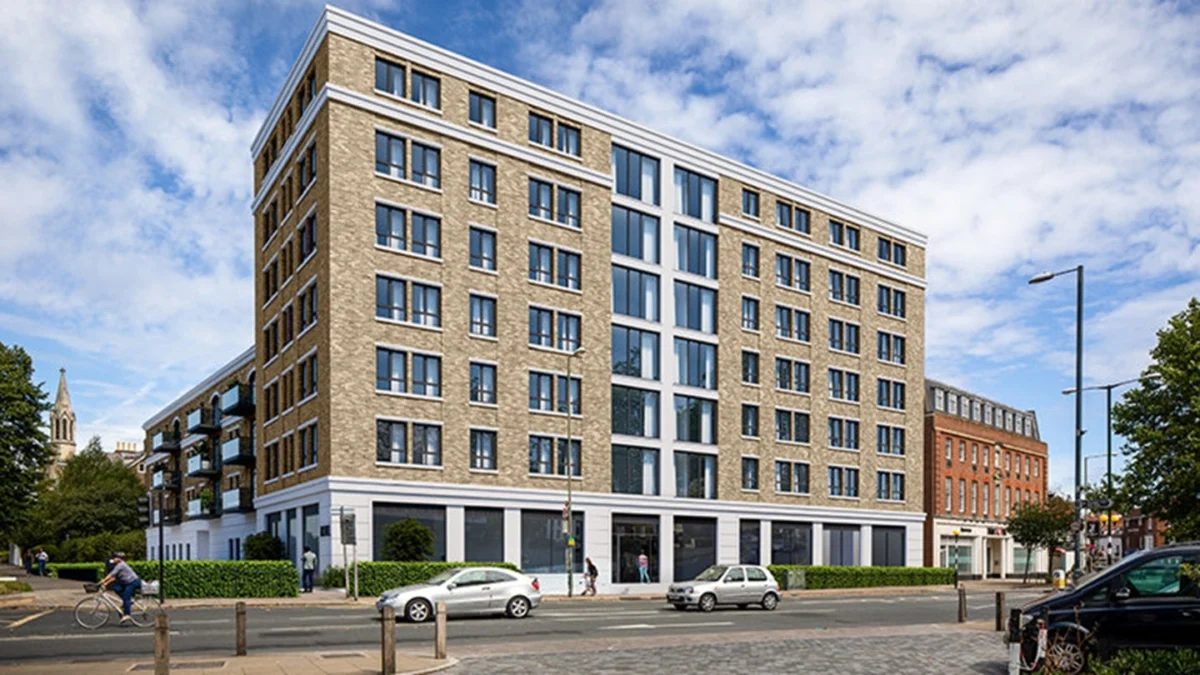
The physical footprint of these properties highlights their urban density and redevelopment potential. The Mangrove Sinseol facility is situated on a 902.8-square-meter site, featuring a total gross floor area (GFA) of 11,588.9 square meters spread across 20 storeys above ground and six basement levels. Its counterpart, Mangrove Dongdaemun, occupies a 653.1-square-meter site with a 5,967.0-square-meter GFA, spanning 16 storeys.
Future Repositioning
Market analysts note that the new owners have signaled a clear intent to pivot away from the current co-living model. Reports indicate that the investors do not intend to renew existing leases upon expiry. Instead, the partnership is expected to explore the repositioning of these assets back into the hotel sector, likely operating under an international brand to capture the rebounding inbound tourism and business travel demand in Seoul.
2. Diversification: Centurion’s Australian Expansion
Singapore-based Centurion Corporation Limited has officially broken into the key worker accommodation market in Australia. This move marks a strategic diversification for the firm, which has historically focused on purpose-built student accommodation (PBSA) and worker housing in other jurisdictions.
The Karratha Acquisition
Centurion acquired an asset in Karratha, Western Australia, for AUD 45 million. The facility is bifurcated into two distinct operational segments: the 93-key Velocity Village and the 135-key Velocity Motel & Bistro. While the former focuses on high-density worker accommodation, the latter provides single-occupancy rooms tailored for managerial staff and corporate clients.
To support the demands of the regional workforce, the property boasts a comprehensive suite of amenities, including a full-service restaurant, bar, conference facilities, a swimming pool, and a fitness center. This acquisition provides Centurion with a foothold in the resource-rich Pilbara region, where high-quality accommodation for FIFO (fly-in, fly-out) workers remains a perennial requirement.
3. Institutional Confidence: GPIF’s Commitment to Japan
Japan continues to be a favored destination for institutional capital, underscored by the latest move from the Government Pension Investment Fund (GPIF).
The Phoenix Partnership
The GPIF has committed JPY 10 billion to a Japan-focused real estate fund managed by the Hong Kong-based Phoenix Property Investors. The fund has a lifespan of eight years and will focus on core sectors including office, rental housing, logistics, and hospitality. The primary geographic focus for these acquisitions will be Tokyo and Osaka.
Phoenix Property Investors brings over two decades of experience in the Japanese market. Their deep-seated local knowledge, combined with an existing portfolio of hotel assets in Tokyo, Kyoto, Sapporo, and Okinawa, makes them an ideal steward for GPIF’s capital. This allocation is part of a broader trend where major pension funds are increasingly turning to externally managed real estate strategies to secure stable, inflation-hedged, income-generating assets in the face of global economic volatility.

4. Operational Infrastructure: Changi Airport’s Upgrade
In Singapore, the aviation and hospitality sectors are aligning to enhance the luxury transit experience. Changi Airport Group (CAG) has announced an ambitious project to develop a new private terminal and an integrated amenities cluster at Terminal 2.
Project Scope and Timeline
Targeted for completion by mid-2027, the redevelopment of the former JetQuay CIP terminal will introduce high-end private suites, dedicated lounges, and refined dining facilities. Furthermore, the existing Hub & Spoke precinct is set for a massive expansion, incorporating new wellness facilities, lifestyle offerings, a covered amphitheater, and an outdoor event plaza.
This project, which will be operated in partnership with the Hong Kong-based Plaza Premium Group, reflects Singapore’s commitment to maintaining its status as a world-class transit hub. By blending public-facing lifestyle amenities with exclusive private terminal services, CAG aims to cater to the growing demand for high-net-worth travel experiences.
5. Asset Redeployment: Pegasus Capital’s Kyoto Exit
The hospitality investment cycle in Japan remains active, with Pegasus Capital Advisors executing the sale of two hotels in Kyoto to an unnamed international hospitality conglomerate.
While the names of the specific hotels were not disclosed, the move follows a series of acquisitions by Pegasus in 2021 and 2023, which included the Wayfarer series (Gojo, Shin, and Shijo) and the ORI properties (Rokkaku and Kyoto). The sale of these assets, which possess a combined GFA of over 13,000 square meters, serves as a liquidity event for the Pegasus Opportunistic III Fund. This capital is expected to be redeployed into new, high-potential investment opportunities as the firm continues to navigate the competitive Japanese hotel market.
6. Market Performance and Analytical Overview
As of late April 2026, equity markets in the hospitality sector showed mixed results across the Asia-Pacific region.
Regional Equity Snapshot
- Australia (ASX): While Elanor Investors Group remained stable at 0.85, Event Hospitality & Entertainment Ltd saw a decline of 7.4%, closing at 12.70.
- Thailand (Bangkok Exchange): The hospitality sector experienced significant headwinds, with The Erawan Group Public Co Ltd recording a 12.5% decrease, while Central Plaza Hotel Public Co Ltd dipped by 10.0%.
- China (Shanghai/Shenzhen): Hospitality stocks faced downward pressure, with Shanghai Jin Jiang International Hotels dropping 6.6% and SSAW Hotels & Resorts falling by 9.3%.
- India (National Stock Exchange): Despite broader regional trends, some players showed resilience. Lemon Tree Hotels saw a positive uptick of 6.5%, and Brigade Hotel Ventures rose by 3.9%.
- Singapore (SGX): The market remained largely cautious, though Hotel Grand Central saw a positive gain of 5.3%.
7. Implications for the Future
The transactions described above reveal three critical implications for the future of the Asia-Pacific real estate market:
- The Rise of Niche Hospitality: The transition of co-living assets to branded hotels in Seoul highlights that investors are prioritizing traditional, proven hospitality models over experimental residential concepts in prime urban centers.
- Resource-Driven Accommodation: Centurion’s entry into Karratha demonstrates that the "key worker" segment is being treated with the same institutional rigor as student and corporate housing. As labor mobility increases, specialized housing near infrastructure and industrial hubs will become a vital asset class.
- The Institutionalization of Real Estate: GPIF’s commitment to a regional fund confirms that institutional investors are moving away from direct ownership toward sophisticated, fund-managed structures that provide diversification and expert asset management.
Closing Perspectives
The hospitality and real estate sectors in Asia-Pacific remain highly dynamic. As we move further into 2026, the key to success for investors will be agility. Whether it is repositioning assets in Seoul, tapping into the worker accommodation market in Australia, or capitalizing on the luxury transit demand in Singapore, the market is rewarding those who can pivot effectively.
For industry stakeholders, the current climate necessitates a renewed focus on hospitality intelligence. As evidenced by the fluctuating share prices across the region, market sentiment is fickle and heavily influenced by macroeconomic indicators. Investors are advised to rely on rigorous market reviews and valuation indices to navigate the complexities of the current landscape.
For more information on market trends, property valuations, and hospitality intelligence, industry professionals are encouraged to consult the latest publications and market reviews provided by HVS experts.

 Nila Kartika Wati
 Siti Muinah