Laily UPN
MIAMI, Florida – [Date of Publication] – Royal Caribbean Group, a global leader in the cruise industry, has unveiled a groundbreaking strategic maneuver poised to redefine its market presence and significantly expand its footprint in the broader leisure travel sector. The cruise giant announced its intention to acquire a substantial 50% stake in the iconic Sandals Resorts and Beaches Resorts, marking a pivotal moment in its pursuit of a larger share of travelers’ annual vacation expenditures. This audacious move, revealed alongside stellar third-quarter financial results that surpassed analyst expectations, signals a robust post-pandemic recovery and an aggressive strategy to cultivate an unparalleled travel ecosystem designed to retain and grow its loyal customer base.
The proposed acquisition of a significant portion of the renowned all-inclusive resort brands underscores Royal Caribbean’s ambition to transcend its traditional cruising identity, offering a more diverse portfolio of vacation experiences. With nearly half of its guests in the current year anticipated to be repeat customers, the company is strategically positioning itself to leverage this formidable brand loyalty and extend its reach beyond the high seas into luxurious land-based retreats.
"If a Royal Caribbean customer goes on a competitive cruise brand, I think that’s a fail," declared CEO Jason Liberty during a recent earnings call, articulating the core philosophy behind the strategic diversification. "Having connected loyalty and delivering these incredible experiences should keep our customer inside of our ecosystem." This statement encapsulates the company’s vision: to create a comprehensive, integrated travel platform that caters to every facet of a vacationer’s desires, from ocean adventures to serene resort getaways.
Main Facts: A Bold Expansion into Integrated Leisure
Royal Caribbean Group’s planned acquisition of a 50% stake in Sandals Resorts and Beaches Resorts represents a seismic shift in its corporate strategy. The deal, which will see the cruise conglomerate become a co-owner of two of the most recognized and respected brands in the luxury all-inclusive segment, is fundamentally driven by a desire to capture a significantly larger portion of its customers’ annual vacation budgets.
Currently, Royal Caribbean estimates it captures between 20% and 25% of its guests’ total annual vacation spend. The integration of Sandals and Beaches into its burgeoning ecosystem is projected to nearly double that figure, pushing the "share of wallet" metric to approximately 50%. This aggressive target highlights the immense value Royal Caribbean places on customer lifetime value and the potential for cross-selling and up-selling across a more diversified product offering.
The announcement comes on the heels of Royal Caribbean reporting better-than-expected third-quarter financial results and subsequently raising its full-year guidance. This strong financial performance provides a robust foundation for such a significant strategic investment, demonstrating the company’s confidence in its operational capabilities and the enduring demand for high-quality travel experiences. The synergy between a thriving cruise business and an expanded land-based resort portfolio is expected to create a formidable force in the global leisure travel market.
Chronology: From Ocean Horizons to Land-Based Luxury
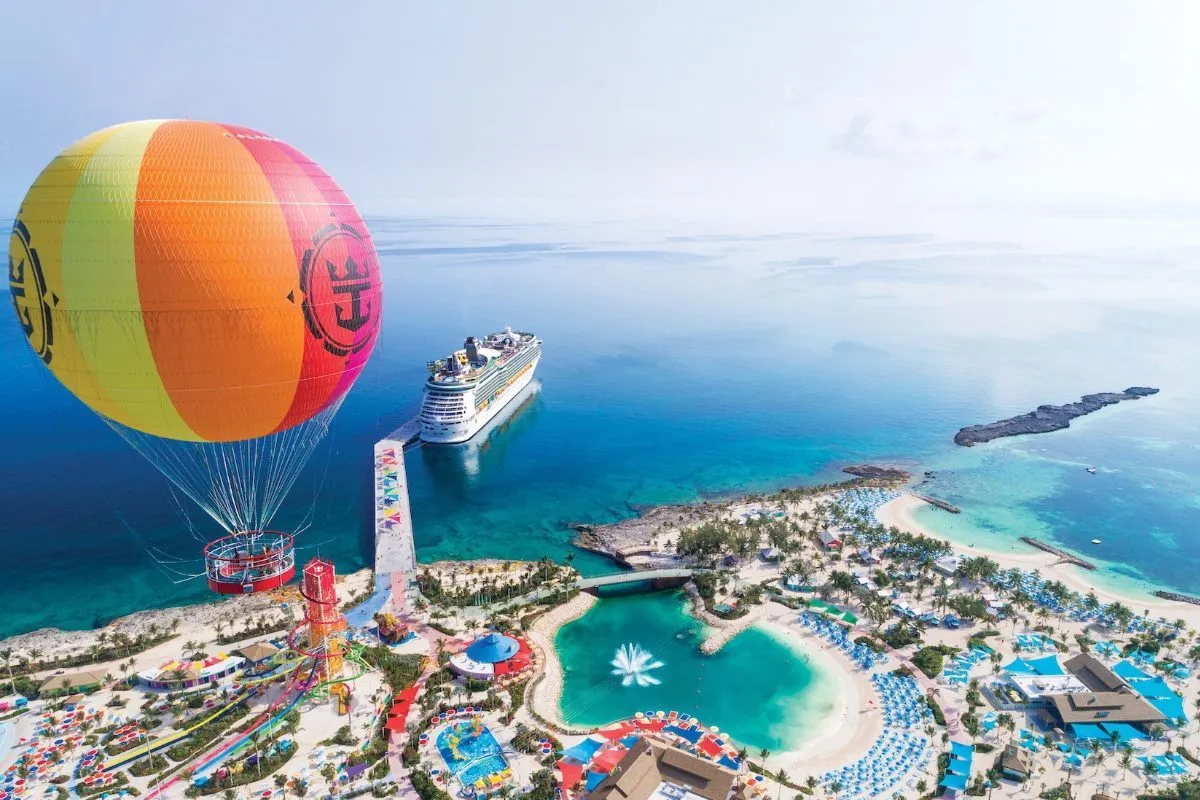
The roots of this strategic evolution can be traced back to Royal Caribbean’s consistent innovation and expansion within its core cruise business. Over the past decade, the company has heavily invested in enhancing its private destinations, such as Perfect Day at CocoCay, an award-winning private island in The Bahamas. These destinations, offering a resort-like experience ashore, served as a precursor to the deeper dive into dedicated land-based resorts. They demonstrated Royal Caribbean’s capability to manage and curate high-quality land experiences, blurring the lines between sea and shore.
The decision to pursue a stake in Sandals and Beaches aligns with a broader industry trend towards integrated travel offerings. Post-pandemic, travelers are increasingly seeking seamless, hassle-free vacation planning and execution. The concept of a "travel ecosystem" – where different components of a trip (cruise, resort, flights, loyalty programs) are interconnected – has gained significant traction.
While the exact timeline for the completion of the 50% stake acquisition was not fully detailed in the initial announcement, such a significant transaction typically involves regulatory approvals, due diligence, and financial structuring that can span several months. The disclosure during the third-quarter earnings call places the strategic initiative firmly within the context of Royal Caribbean’s strong financial rebound and forward-looking growth plans for the coming fiscal years. This moment marks a clear inflection point, moving from a predominantly cruise-centric business model to a more expansive, multi-faceted leisure travel conglomerate.
Supporting Data: The Economics of Ecosystems and Loyalty
The rationale behind Royal Caribbean’s strategic move is firmly anchored in compelling economic data and consumer behavior insights. The ambition to increase its share of a customer’s annual vacation spend from 20-25% to 50% represents a staggering potential revenue uplift. This isn’t merely about adding new revenue streams; it’s about maximizing the lifetime value of each customer within the Royal Caribbean Group’s sphere of influence.
The reported figure of close to half of guests being repeat customers this year is a crucial data point. It signifies a strong, existing loyalty base that is ripe for further engagement. These repeat customers already trust the Royal Caribbean brand, appreciate its service quality, and are familiar with its offerings. By presenting them with an expanded portfolio that includes premium all-inclusive resorts like Sandals and Beaches, the company can cater to diverse vacation preferences and life stages without losing them to competitors. A family that enjoys a Royal Caribbean cruise might seek a romantic adults-only getaway at a Sandals resort in another year, or a multi-generational trip to a Beaches resort.
Third-quarter results provided a robust financial backdrop for this ambitious expansion. The company reported beating guidance primarily due to "stronger-than-expected close-in demand in Europe." This indicates a powerful resurgence in travel, particularly in key international markets, and a willingness among consumers to book vacations, even on shorter notice. This buoyant market environment provides Royal Caribbean with the capital and confidence to make significant strategic investments. The cruise industry, having faced unprecedented challenges during the pandemic, has demonstrated remarkable resilience, with major players like Royal Caribbean now looking beyond recovery to aggressive growth and diversification.
Furthermore, the all-inclusive resort market, particularly in the luxury segment where Sandals and Beaches operate, is a significant and growing component of the global travel industry. By entering this space, Royal Caribbean diversifies its revenue streams, mitigates some of the unique risks associated with the cruise industry (e.g., health advisories, port access issues), and capitalizes on consumer demand for seamless, pre-paid vacation experiences. The existing brand equity of Sandals and Beaches, renowned for their Caribbean luxury and service, offers an immediate entry into this lucrative market segment without the lengthy process of building a new resort brand from scratch.
Official Responses: The Vision of an Integrated Journey
CEO Jason Liberty’s pronouncements have been unequivocal regarding the strategic imperative behind the Sandals and Beaches investment. His assertion that "If a Royal Caribbean customer goes on a competitive cruise brand, I think that’s a fail," is more than a casual remark; it’s a foundational principle driving the company’s future. It highlights an aggressive customer retention strategy that aims to create an impenetrable ecosystem of vacation options.
Liberty elaborated on this vision, emphasizing the role of "connected loyalty" in achieving this goal. While specific details on how the loyalty programs of Royal Caribbean’s various cruise brands (Royal Caribbean International, Celebrity Cruises, Silversea) will integrate with Sandals and Beaches’ existing programs remain to be seen, the intent is clear: to offer unified benefits, recognition, and potentially, reciprocal points or rewards that incentivize customers to remain within the Group’s portfolio regardless of their chosen vacation type. This could manifest as preferred access, discounts, or exclusive experiences across cruises and resorts.
The official narrative from Royal Caribbean centers on delivering "incredible experiences" that resonate deeply with travelers. This commitment to quality and customer satisfaction is seen as the cornerstone of building lasting loyalty. By adding Sandals and Beaches, known for their high standards of service, luxurious accommodations, and diverse amenities, Royal Caribbean is reinforcing this commitment across a broader spectrum of vacation styles. The partnership is framed not just as a financial transaction, but as a strategic alignment of two entities dedicated to premium leisure travel.
While direct official responses from Sandals Resorts International regarding the specifics of the 50% stake were not detailed in the original snippet, it is understood that such a partnership would offer significant benefits. For Sandals, it would mean unparalleled access to Royal Caribbean’s vast customer database, its global marketing reach, and potentially, operational efficiencies through shared resources and expertise. The alliance would enable both entities to cross-promote their offerings to highly engaged and discerning travelers, expanding their respective market shares and strengthening their competitive positions.
Implications: Reshaping the Travel Landscape
The implications of Royal Caribbean Group’s strategic stake in Sandals and Beaches Resorts are far-reaching, poised to impact consumers, competitors, and the broader leisure travel industry.
For Royal Caribbean Group:
This move represents a significant diversification strategy, reducing the company’s sole reliance on the cruise industry. It opens up new revenue streams, potentially stabilizing earnings by balancing the seasonal nature of cruising with year-round resort demand. The "share of wallet" objective, if achieved, promises substantial organic growth from existing customer bases. Moreover, it enhances Royal Caribbean’s brand perception, transforming it from a cruise operator into a holistic vacation provider capable of catering to a wider array of travel preferences. The ability to offer integrated vacation packages – perhaps a cruise followed by a resort stay – could become a powerful differentiator.
For Sandals and Beaches Resorts:
The partnership offers an incredible opportunity for accelerated growth and expanded market reach. Leveraging Royal Caribbean’s immense global marketing capabilities, vast customer loyalty programs, and financial strength, Sandals and Beaches could see an influx of new guests. The infusion of capital and operational synergies could also facilitate further expansion, innovation in their resort offerings, and enhanced guest experiences. It solidifies their position as premier luxury all-inclusive brands with even greater resources.
For Consumers:
Travelers stand to benefit from more integrated and seamless vacation planning. The prospect of a unified loyalty program that rewards stays across both cruises and resorts could unlock significant value through accumulated points, elite status, and exclusive offers. This could lead to more compelling package deals and a streamlined booking process, reducing the friction often associated with planning multi-faceted vacations. Consumers who love cruising but also enjoy land-based resorts will find a more cohesive ecosystem for their travel needs.
For Competitors:
This alliance will undoubtedly send ripples through both the cruise and all-inclusive resort sectors. For other major cruise lines like Carnival Corporation and Norwegian Cruise Line Holdings, it signals an increased competitive pressure to diversify their own offerings or enhance their existing land-based experiences (such as private islands). Similarly, for other all-inclusive resort operators and hospitality giants with all-inclusive portfolios (e.g., Marriott, Hyatt, Hilton), the entry of a cruise behemoth like Royal Caribbean into a co-ownership role with Sandals presents a formidable new competitor backed by immense financial resources and a massive customer base. This could spur further consolidation or innovative partnerships across the travel industry.
Broader Industry Implications:
The move underscores a significant trend towards the blurring of lines between different segments of the travel industry. The era of siloed travel experiences is giving way to integrated "ecosystems" designed for continuous customer engagement. This could lead to more mergers and acquisitions as companies seek to build comprehensive platforms that capture more of the consumer’s travel spend. It also highlights the growing importance of loyalty programs as a strategic asset in retaining customers and fostering repeat business across diverse offerings. Challenges could include navigating regulatory approvals for such a large acquisition, integrating distinct corporate cultures and operational models, and effectively merging loyalty programs without diluting brand identities. However, the potential for long-term growth and market dominance makes this a calculated and compelling risk for Royal Caribbean Group.


 Siti Muinah

 Dwi Wanna