Ammar Sabilarrohman
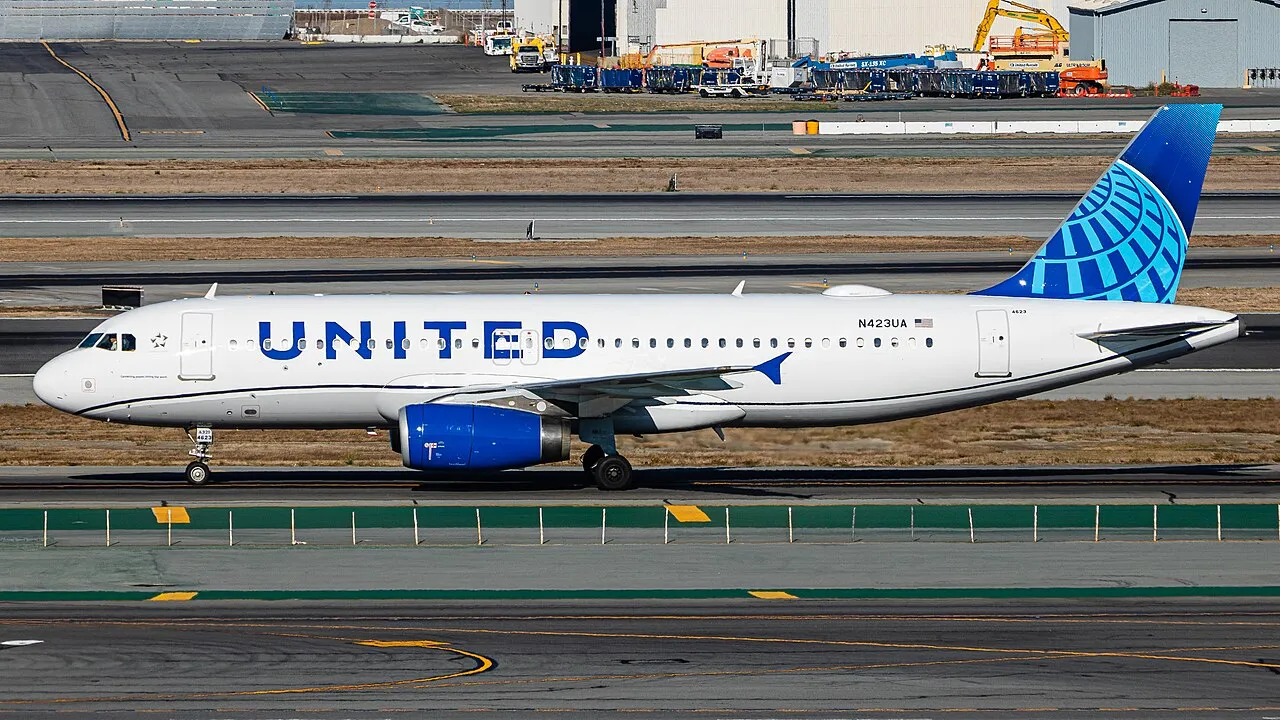
Chicago, IL – [Current Date] – United Airlines is making an aggressive strategic bet on SpaceX’s Starlink satellite internet service, positioning it as a pivotal differentiator and a significant revenue driver in the highly competitive global aviation market. The airline’s leadership, particularly CEO Scott Kirby, has unequivocally articulated Starlink’s role as a cornerstone of its future profitability and customer experience strategy, frequently highlighting its potential to reshape passenger expectations and market dynamics.
The airline’s most recent earnings call underscored this commitment, with Starlink being mentioned an unprecedented 24 times. CEO Scott Kirby dedicated a substantial portion of his prepared remarks to the technology, envisioning it as a "truly differentiating RASM tailwind in 2027." RASM, or Revenue per Available Seat Mile, is a critical industry performance metric, and Kirby’s statement signals a profound belief in Starlink’s capacity to directly enhance United’s financial performance by attracting new customers and elevating the overall travel experience.
While acknowledging that "eventually high-speed, low Earth orbit Wi-Fi will be industry standard for everyone," Kirby emphasized United’s strategic imperative to lead this transition. "For 2027 and really 2028, we are well on our way to being the only global U.S. airline with Starlink at scale. So a lot of new customers are going to try us," he stated, highlighting the first-mover advantage United aims to secure. Currently, approximately 44% of United’s fleet is equipped with Starlink, with the ambitious goal of completing installations across its entire global fleet by the end of 2027. This initiative, alongside other technological investments, is deemed crucial for United’s sustained profitability, particularly as the airline navigates the persistent challenge of soaring jet fuel costs.
Chronology: The Evolution of In-Flight Connectivity and United’s Starlink Adoption
The journey of in-flight connectivity has been marked by incremental progress, from rudimentary systems to today’s high-speed satellite solutions. United Airlines’ adoption of Starlink represents a significant leap forward in this ongoing evolution.
Early Days of In-Flight Wi-Fi
For decades, the concept of staying connected while cruising at 30,000 feet remained largely a dream. Early attempts at in-flight connectivity in the 2000s were rudimentary, often relying on air-to-ground (ATG) systems that offered limited bandwidth and patchy coverage, particularly over oceans. Providers like Gogo, Panasonic Avionics, and Viasat gradually introduced satellite-based systems, initially leveraging geostationary (GEO) satellites. While these offered broader coverage, the vast distance to GEO satellites (approximately 35,786 kilometers) resulted in noticeable latency, impacting user experience for real-time applications like video calls or online gaming. Speeds were often inconsistent, and pricing models were frequently expensive, leading to widespread passenger dissatisfaction and the perception that in-flight Wi-Fi was a luxury that rarely delivered on its promise.
The Emergence of Low Earth Orbit (LEO) Satellites
The advent of Low Earth Orbit (LEO) satellite constellations marked a paradigm shift in global connectivity. Companies like SpaceX (Starlink), OneWeb, and Amazon (Project Kuiper) began deploying thousands of smaller satellites into orbits much closer to Earth, typically between 300 and 1,200 kilometers. This significantly reduced latency, dramatically increased bandwidth capacity, and enabled near-global coverage. The LEO revolution promised fiber-like speeds and reliability, not just for remote ground communities but also for highly mobile platforms like aircraft and ships. This technological breakthrough laid the groundwork for a truly seamless in-flight internet experience, a stark contrast to the limitations of previous generations.
Starlink’s Entry into Aviation
Starlink, SpaceX’s ambitious LEO constellation, quickly garnered attention for its high-speed, low-latency internet service. While initially focused on serving rural and underserved areas, its potential for aviation was undeniable. The first trials for in-flight Starlink connectivity began in late 2021 and early 2022, with several airlines expressing interest. Starlink’s robust network, designed for demanding applications, offered a compelling solution to the long-standing challenges of aviation connectivity. Its phased deployment model allowed for rapid expansion of coverage and capacity, making it an attractive partner for global carriers.
United’s Strategic Bet on Starlink
United Airlines formally announced its partnership with Starlink, or its intent to deploy the service, as part of a broader strategy to modernize its fleet and enhance the customer experience under its "United Next" plan. While specific dates of the initial agreement may vary, the airline’s public communication has increasingly emphasized Starlink’s centrality to its vision. United recognized early on that merely having Wi-Fi was no longer sufficient; the quality and reliability of that Wi-Fi would be the new battleground.
The decision to choose Starlink was likely driven by several factors: its demonstrated high-speed capabilities, its low-latency performance crucial for modern internet applications, its rapidly expanding global coverage essential for a major international carrier, and its future-proofing potential against evolving technological demands. The installation process involves significant engineering and logistical challenges, requiring the integration of Starlink’s low-profile antenna and associated hardware onto hundreds of aircraft. United’s commitment to equipping 44% of its fleet and aiming for 100% by the end of 2027 reflects a substantial capital investment and a deeply ingrained belief in the long-term strategic value of this technology.
Supporting Data: The Business Case for Premium Connectivity
United’s aggressive Starlink rollout is not merely a technological upgrade; it’s a calculated business decision underpinned by compelling market data and financial projections. The "RASM tailwind" Kirby referenced is a direct reflection of how enhanced connectivity can translate into tangible economic benefits.
The Passenger Demand
Contemporary travelers, particularly business passengers and younger demographics, view reliable, high-speed internet as a fundamental expectation rather than a luxury. Numerous surveys consistently show that in-flight Wi-Fi quality is a significant factor in airline choice. A 2023 study by Routehappy by ATPCO indicated that over 70% of passengers consider Wi-Fi quality when booking a flight. The rise of the "digital nomad" and the increasing normalization of remote work mean that staying productive and connected during travel is paramount. Passengers are increasingly unwilling to tolerate slow, intermittent, or overpriced internet. The ability to stream content, participate in video calls, or seamlessly access cloud-based work applications from 35,000 feet directly influences loyalty and willingness to pay. Airlines that fail to meet this demand risk losing market share to competitors offering superior connectivity.
Financial Projections and RASM
The concept of a "RASM tailwind" for Starlink is multifaceted:
- Direct Revenue Generation: While some airlines may choose to offer Starlink for free as a differentiator, others will implement tiered pricing models. Premium, high-speed access can command a higher price point, generating direct ancillary revenue. Given Starlink’s performance, passengers are likely to be more willing to pay for a service that truly delivers.
- Indirect Revenue through Enhanced Ancillary Sales: A connected passenger is a more engaged passenger. High-quality Wi-Fi can facilitate on-board purchases, allowing passengers to browse duty-free catalogs, order food and beverages, or book ground transportation seamlessly through the airline’s app or portal. This frictionless experience can boost ancillary revenue streams.
- Brand Differentiation and Market Share Gains: In a highly commoditized industry, customer experience is a key battleground. United’s ability to market itself as the "only global U.S. airline with Starlink at scale" by 2027/2028 creates a powerful brand advantage. This differentiation can attract new, high-value customers who prioritize connectivity, leading to increased bookings and market share.
- Premium Cabin Appeal: For business and first-class travelers, seamless connectivity is often a non-negotiable. A superior Wi-Fi offering enhances the premium cabin experience, justifying higher fare prices and reinforcing loyalty among lucrative corporate accounts.
- Offsetting Operational Costs: By boosting RASM, Starlink contributes to overall profitability, helping to offset persistent operational challenges like volatile jet fuel prices, which Kirby explicitly mentioned as a concern. A stronger revenue base provides greater resilience against external economic pressures.
Industry analysts suggest that airlines with best-in-class Wi-Fi can see a 1-3% uplift in RASM, primarily through increased passenger loyalty, higher load factors on certain routes, and direct Wi-Fi revenue. For a global carrier like United, with billions in annual revenue, even a modest percentage increase translates into hundreds of millions of dollars.
Operational Efficiencies
Beyond passenger experience and direct revenue, robust in-flight connectivity offers significant operational advantages:
- Enhanced Crew Communication: Real-time communication between flight crew, ground operations, and maintenance teams can improve situational awareness, streamline decision-making, and enhance safety protocols.
- Real-time Data for Operations: Aircraft can transmit performance data, fuel consumption metrics, and diagnostic information in real-time, enabling predictive maintenance, optimizing flight paths, and reducing delays.
- Personalized Entertainment and Services: High-speed internet allows for more dynamic and personalized in-flight entertainment options, as well as the delivery of customized services and offers to passengers.
Official Responses: United’s Vision and Industry Commentary
The commitment to Starlink is not merely a tactical move for United; it’s deeply integrated into the airline’s overarching strategic vision, garnering both enthusiastic internal endorsements and considered external commentary.
Scott Kirby’s Reiterated Confidence
Scott Kirby’s consistent and vocal advocacy for Starlink underscores its strategic importance. His statements during earnings calls are not just about a product; they are about defining United’s future trajectory. By repeatedly referring to Starlink as a "truly differentiating RASM tailwind," Kirby is signaling to investors, competitors, and customers that this is a core investment with tangible returns. He views the eventual ubiquity of high-speed LEO Wi-Fi as inevitable, but United’s competitive advantage lies in its aggressive pursuit of "scale" well before competitors can catch up. This first-mover advantage, he believes, will allow United to capture a significant segment of new customers who prioritize connectivity, solidifying its position as a preferred global carrier.
Kirby’s vision aligns Starlink with United’s broader "United Next" strategy, which focuses on fleet modernization, an elevated customer experience, and technological leadership. Starlink is not an isolated project but a critical component in creating a seamless, modern travel ecosystem that attracts and retains high-value customers. The emphasis on being the "only global U.S. airline with Starlink at scale" reflects a calculated "race to scale," aiming to establish market dominance before the technology becomes fully commoditized.
Starlink’s Perspective
From Starlink’s vantage point, partnerships with major global airlines like United are crucial for its expansion into the lucrative aviation sector. Collaborating with a carrier of United’s size and reach provides a significant validation of Starlink’s technology and its ability to meet the stringent demands of commercial aviation. Such partnerships contribute to Starlink’s revenue diversification, extending its market beyond consumer and enterprise ground-based services. Starlink likely emphasizes its system’s unparalleled capacity, low latency, and global reach as key selling points, promising a robust and reliable service that traditional in-flight connectivity providers have struggled to deliver consistently. The goal for Starlink is to become the default connectivity provider for aviation, and United’s early and large-scale adoption sets a precedent for other airlines.
Analyst and Industry Expert Commentary
Aviation industry analysts generally view the move towards LEO satellite connectivity as inevitable and transformative. Many concur with United’s assessment that premium Wi-Fi will become a key differentiator, at least in the short to medium term. Analysts from firms like [Hypothetical Firm A] might note, "The battle for airline market share is increasingly being fought in the digital realm. United’s bold move with Starlink puts significant pressure on competitors to accelerate their own LEO strategies or risk falling behind in a crucial customer experience metric."
However, some experts also point to potential challenges. The high upfront cost of installation, the complexity of integrating new technology across a large, diverse fleet, and the long-term maintenance implications are significant considerations. There is also the question of eventual commoditization; once LEO Wi-Fi becomes standard, the differentiation advantage will diminish, shifting the focus back to pricing and other service aspects. "While United gains a strong lead, the ‘Wi-Fi arms race’ will inevitably intensify," comments [Hypothetical Aviation Consultant B]. "The challenge will be to leverage this initial advantage into sustained customer loyalty and profitability before competitors catch up."
Implications: Reshaping the Skies
United’s aggressive Starlink deployment carries far-reaching implications, not just for the airline itself but for the broader competitive landscape of the aviation industry, the passenger experience, and the future of in-flight technology.
Competitive Landscape
United’s move with Starlink will undoubtedly ignite a fierce "connectivity race" among its competitors. Other major U.S. and international airlines will face immense pressure to accelerate their own plans for LEO satellite connectivity. Delta, American, and other carriers are already exploring or implementing advanced Wi-Fi solutions, but United’s commitment to "scale" by 2027/2028 positions it to seize a significant lead. This could lead to:
- Market Share Shifts: Passengers who prioritize seamless connectivity, especially business travelers and tech-savvy leisure travelers, may gravitate towards United, impacting competitor load factors and revenue.
- Accelerated Investment: Competitors will likely fast-track their own LEO partnerships and installations, leading to a rapid industry-wide upgrade in in-flight Wi-Fi standards.
- Pricing Pressure: As high-speed Wi-Fi becomes more common, the pricing models for connectivity may evolve, potentially becoming a free amenity on premium routes or bundled into higher fare classes.
Passenger Experience Evolution
The most immediate and tangible impact will be on the passenger experience. "Truly high-speed, low Earth orbit Wi-Fi" means an end to the frustrating limitations of past systems. Passengers can expect:
- Seamless Productivity: Business travelers can work uninterrupted, participating in video conferences, accessing cloud-based files, and responding to emails as if they were on the ground.
- Enhanced Entertainment: Streaming high-definition video, playing online games, and engaging in social media without buffering will become the norm. This could reduce reliance on pre-loaded entertainment systems.
- Real-time Communication: Staying connected with family, friends, or colleagues via messaging apps and voice calls will be possible, transforming long-haul travel from a disconnected ordeal to a connected journey.
- New Services: Airlines could leverage high-speed connectivity to offer new, personalized services, from real-time flight updates to personalized concierge services accessible through the Wi-Fi network.
The blurring of lines between ground and air connectivity will redefine expectations, making the flight itself an extension of daily digital life.
Technological Advancement and Future Trends
United’s embrace of Starlink is part of a broader trend of LEO satellite technology transforming various industries. For aviation, this sets the stage for further technological integration:
- Advanced Analytics: Real-time data from aircraft can be transmitted and analyzed instantly, leading to more efficient operations, predictive maintenance, and optimized fuel consumption.
- Internet of Things (IoT) in the Cabin: Future aircraft could see more interconnected cabin elements, from smart seats to personalized climate controls, all leveraging the robust LEO network.
- Edge Computing: With high bandwidth, more data processing could occur on the aircraft itself, reducing latency for certain applications and enhancing cybersecurity.
However, challenges remain, including managing bandwidth demand across thousands of concurrent users, ensuring robust cybersecurity against potential threats, and navigating complex international regulatory frameworks for satellite communication.
United’s Long-Term Strategic Positioning
Ultimately, United’s investment in Starlink is a declaration of its long-term strategic positioning. It signals an airline committed to leadership in customer experience and technological innovation. By aiming to be the first U.S. global carrier with Starlink at scale, United is not just upgrading its Wi-Fi; it is:
- Future-Proofing its Business: Anticipating the inevitable shift towards ubiquitous high-speed connectivity and securing a dominant position.
- Attracting and Retaining High-Value Customers: Targeting a demographic that values connectivity and is willing to choose airlines based on this criterion.
- Driving Sustained Profitability: Leveraging an enhanced customer offering to boost RASM, increase ancillary revenue, and build stronger brand loyalty, thereby creating a more resilient and profitable enterprise in the face of industry challenges.
The skies are changing, and United Airlines, with its significant bet on Starlink, is determined to lead the charge into a new era of hyper-connected air travel.

 Laily UPN

 Lina Hope