Nila Kartika Wati
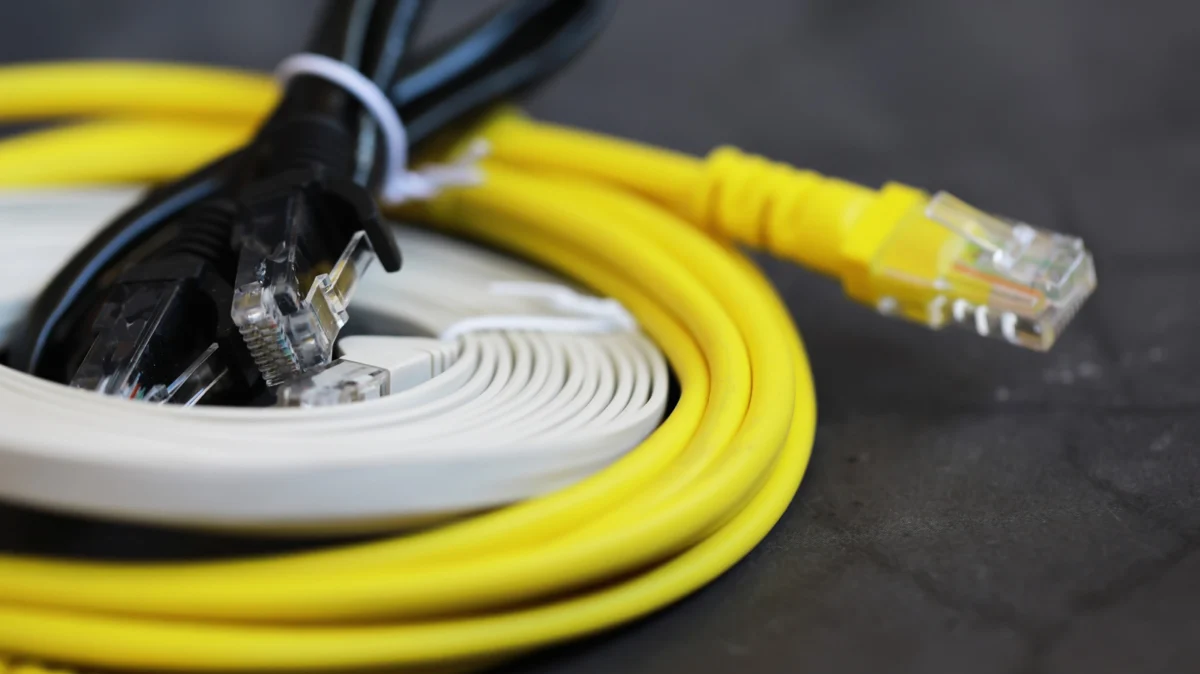
Just because you can do something doesn’t mean you should. In the world of networking, this adage is particularly relevant when considering the physical infrastructure of your home or office. With the rise of smart home security systems, outdoor Wi-Fi access points, and remote monitoring cameras, the need to extend network connectivity beyond the four walls of a building has never been greater. However, a common mistake often leads to premature network failure, safety hazards, and costly repairs: the assumption that a standard, indoor-rated Ethernet cable is sufficient for outdoor environments.
The Core Problem: Why Standard Cables Fail
To understand why standard Ethernet cables—often referred to by their category ratings like Cat5e, Cat6, or Cat6a—are unsuitable for outdoor use, one must look at their construction. Indoor-rated cables are primarily designed for climate-controlled environments. Their jackets are typically manufactured using Polyvinyl Chloride (PVC). While PVC is cost-effective, flexible, and fire-resistant, it is fundamentally ill-equipped to handle the harsh realities of the exterior world.
When exposed to direct sunlight, the ultraviolet (UV) radiation breaks down the polymer chains in the PVC jacket. This process, known as photodegradation, causes the outer sheath to become brittle, fade in color, and eventually crack. Once the jacket is compromised, the internal twisted pairs of copper are exposed to the elements. Moisture, humidity, and temperature fluctuations then infiltrate the cable, causing oxidation of the copper conductors and dielectric breakdown of the insulation. This degradation leads to intermittent signal loss, packet collisions, and, in severe cases, complete network failure.
Chronology of Failure: The Lifecycle of an Exposed Cable
The deterioration of an indoor cable placed outdoors follows a predictable, albeit accelerated, timeline:
- Phase 1: Surface Degradation (0–6 Months): Under constant UV exposure, the PVC jacket loses its plasticizers. The once-supple exterior becomes rigid. While the electrical performance may remain stable, the physical integrity of the cable is already compromised.
- Phase 2: Micro-Cracking (6–18 Months): As the seasons change, thermal expansion and contraction cause the rigid jacket to develop microscopic cracks. During rainstorms, water begins to wick into the cable via capillary action.
- Phase 3: Corrosion and Signal Degradation (18–36 Months): The copper conductors begin to oxidize, changing from a bright metallic luster to a dull, dark brown or green. The increase in resistance significantly hampers the signal, leading to reduced data transmission speeds and frequent connection drops.
- Phase 4: Total System Failure (36+ Months): Eventually, the internal insulation fails, causing a short circuit between the pairs. If the cable is connected to Power over Ethernet (PoE) devices, this short can potentially damage the switch or the camera/access point at the other end.
Supporting Data: Understanding Outdoor Ratings
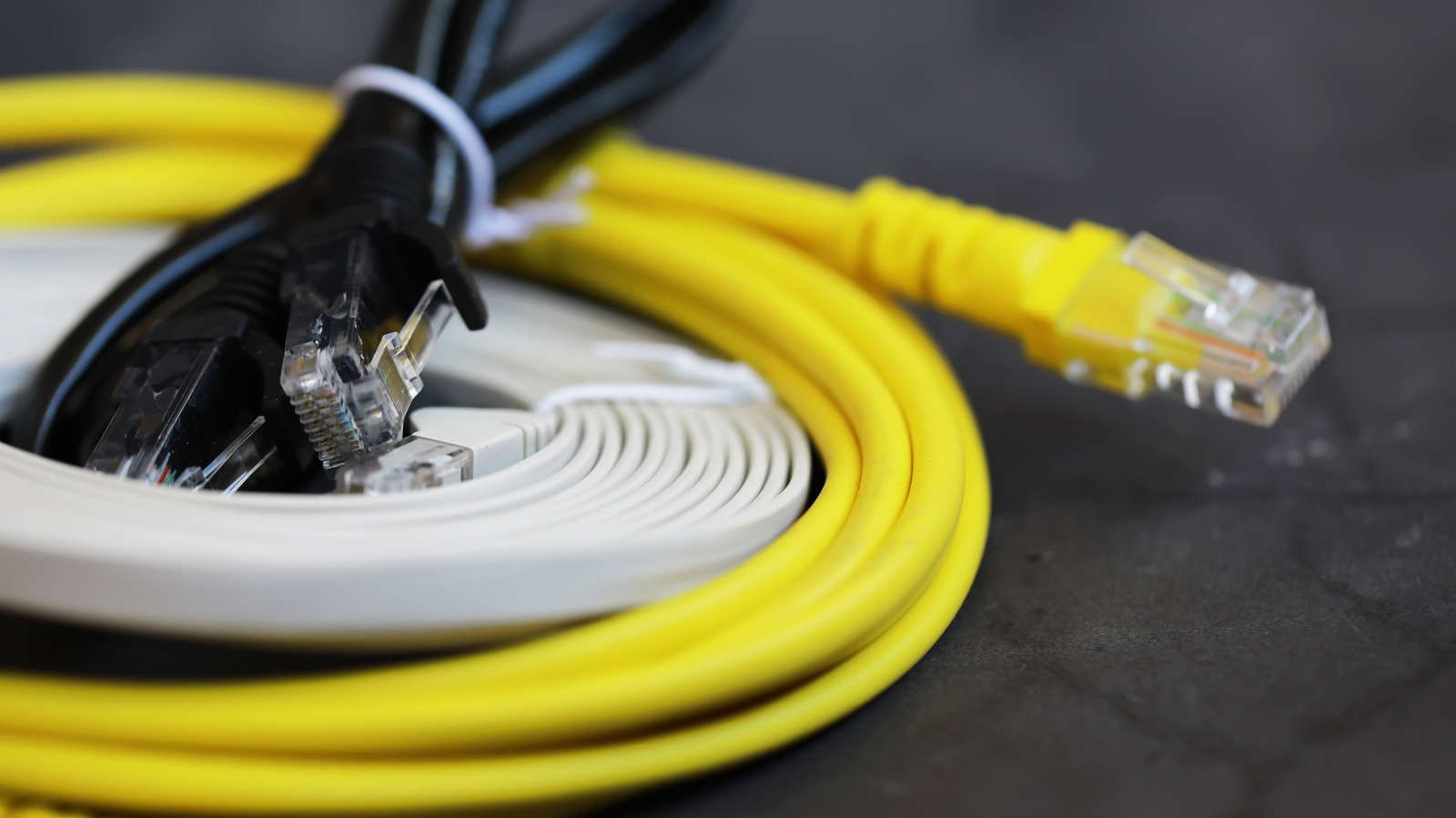
To mitigate these risks, manufacturers produce cables specifically engineered for the outdoors. These cables differ from their indoor counterparts in both material composition and internal design.
Material Science: LLDPE and PE
Outdoor-rated cables typically utilize a jacket made from Linear Low-Density Polyethylene (LLDPE) or High-Density Polyethylene (HDPE). Unlike PVC, these materials are inherently resistant to UV radiation and moisture. They are tougher, more abrasion-resistant, and can withstand the extreme temperature swings found in outdoor environments—ranging from the freezing temperatures of winter to the intense heat of a summer afternoon.
Direct Burial vs. Aerial Installations
It is vital to distinguish between "outdoor-rated" and "direct-burial" cables.
- Outdoor-Rated (Aerial/Conduit): These cables are designed to withstand UV rays and moisture but are not necessarily rated to survive the crushing pressure or chemical composition of soil. They are best suited for mounting on walls, running through PVC conduits, or stringing between structures.
- Direct-Burial Rated: These cables are the heavy-duty option. They are specifically constructed to be laid directly into a trench. They often include additional protective features, such as water-blocking tape, powdered desiccants, or specialized gels that prevent water from traveling along the length of the cable if the outer jacket is punctured by a rock or shovel.
Official Guidance and NEC Compliance
The National Electrical Code (NEC), specifically Article 800, governs the installation of communication circuits. Compliance is not merely a suggestion; it is a regulatory requirement for safety and insurance purposes.
The 50-Foot Rule
One of the most critical, yet frequently ignored, rules is the limitation on running outdoor cables inside a building. Because outdoor cables (especially those with PE/LLDPE jackets) are designed for durability rather than fire safety, they do not meet the strict "plenum" or "riser" fire ratings required for indoor wiring. The NEC generally limits the penetration of non-rated or outdoor-rated cables into a building to a maximum of 50 feet. Beyond this distance, the cable must be transitioned to an indoor-rated cable within a junction box.
Identifying the Right Cable
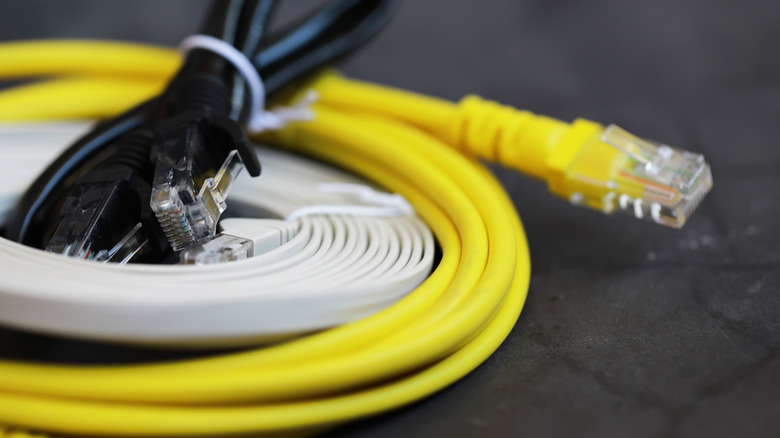
When shopping for cabling, do not rely on the "category" (Cat6, etc.) or the color. Instead, look for the following markings printed on the jacket:
- CMX: Rated for outdoor use with limited fire exposure.
- OSP (Outside Plant): Specifically designed for exterior environments.
- UV-Resistant/Sunlight-Resistant: A baseline requirement for any cable exposed to the sun.
- Direct Burial: Confirms the cable is rated for ground contact.
If a cable is not explicitly marked with these identifiers, it should be assumed that it is for indoor use only.
Implications: The Risks of Negligence
Ignoring these standards carries significant implications for homeowners and businesses alike:
Lightning and Surge Protection
Copper is an excellent conductor of electricity. Running copper Ethernet cables between buildings creates a common pathway for ground potential differences. During a lightning strike or a power surge, the cable can act as a bridge, funneling dangerous electrical energy into your home network equipment.
- Best Practice: Always install high-quality gas-discharge surge protectors at both ends of an outdoor copper run.
- The Fiber Alternative: For long runs between buildings, the industry increasingly recommends the use of fiber optic cable. Fiber is made of glass or plastic and is non-conductive, meaning it is immune to lightning strikes and electrical interference. While the equipment to convert fiber to Ethernet is more expensive, the safety and performance benefits are unmatched.
Local Ordinances and Installation Standards
Before breaking ground for a direct-burial run, check local building codes. Many municipalities require communication cables to be buried at specific depths (often 18 to 24 inches) and may mandate the use of electrical-grade conduit for protection. Failure to comply can result in fines, forced removal of the cabling, or complications during home resale inspections.
Professional Installation Tips
- Avoid Sharp Bends: Ethernet cables have a minimum bend radius. Bending them too sharply can deform the internal twists, leading to signal loss.
- Cable Clips and Abrasion: Use UV-rated cable ties or clips. Avoid over-tightening, which can crush the cable.
- Drip Loops: When entering a building, ensure the cable forms a "drip loop"—a small sag in the cable before it enters the wall. This ensures that rainwater runs off the bottom of the loop rather than following the cable into the building.
Conclusion
The convenience of a connected yard or outbuilding should not come at the expense of network reliability or household safety. While it is tempting to use whatever cable is lying in a junk drawer, the long-term cost of failure—and the potential danger of electrical hazards—far outweighs the savings of choosing the correct, purpose-built material. By understanding the differences between PVC and PE jackets, respecting the 50-foot indoor transition rule, and considering fiber for inter-building connections, you can build an outdoor network that stands the test of time and the elements.


 Sagoh
 Nana Wu