Nila Kartika Wati

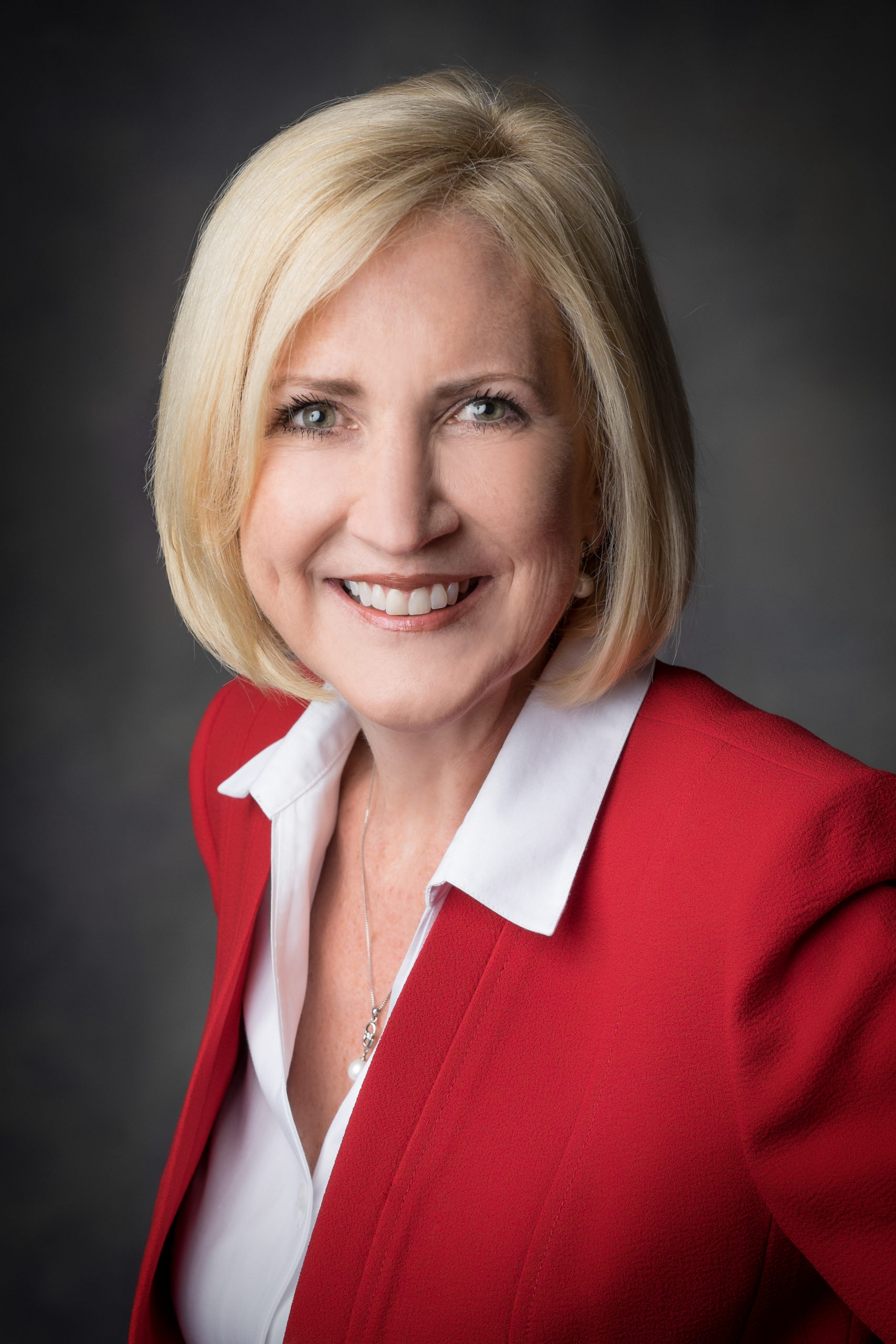
In an era defined by rapid technological disruption and shifting consumer expectations, the hospitality industry remains a bedrock of human connection. Yet, beneath the surface of guest services and lobby smiles lies a complex, data-driven engine that powers the global tourism economy. To understand the trajectory of this dynamic sector, we turn to Barb Bowden, a veteran leader whose career arc mirrors the professionalization of modern hospitality management. Currently serving as the Complex Managing Director for Loews Hotels at Universal Orlando, Bowden offers a masterclass in how passion, strategic foresight, and a commitment to culture can transform a career from a front-desk post into an executive powerhouse.
The Human Network: Hospitality as a Global Catalyst
At its core, hospitality is defined by the relationships forged between guests, staff, and professional networks. When asked how her career has shaped her perspective on the world, Bowden emphasizes the unique nature of the industry’s human infrastructure.
"Without a doubt, my career in hospitality has opened my world simply through the relationships you build with so many different audiences—team members, colleagues, guests, meeting planners, and those in professional associations," Bowden notes. This sentiment underscores a fundamental truth about hospitality: it is not merely a service-based business, but a network-based one. The ability to cultivate professional bridges across borders is perhaps the most valuable asset a hospitality professional can acquire, creating a global community that transcends traditional corporate silos.
A Chronology of Leadership: From Orlando Roots to Complex Management
Barb Bowden’s career is a testament to the power of vertical growth within a single, evolving industry. Her journey serves as a roadmap for aspiring hospitality professionals, demonstrating that longevity and adaptability are not mutually exclusive.
Early Beginnings
Bowden’s entry into the industry began immediately after college. Her foundational role was at the front desk of the Buena Vista Palace Resort in Orlando, situated on the doorstep of the Disney ecosystem. This early experience provided her with the essential "boots on the ground" perspective that is vital for any future leader.
The Peabody Era (1987–2014)
Following a two-year tenure at the Buena Vista Palace, Bowden joined the opening team of The Peabody Orlando. Her 27-year tenure there is a study in persistence and evolution. Starting in front office operations and reservations, she steadily climbed the ranks. However, the true turning point of her career occurred in 2004, when she was tasked with an unprecedented challenge: developing the Peabody Hotel Group’s first-ever revenue management infrastructure.
This assignment required more than just analytical skill; it demanded the creation of an entirely new organizational architecture. Bowden was responsible for designing the strategy, implementing the necessary technology, and streamlining the supporting operational processes. This success paved the way for her promotion to General Manager, and eventually, Vice President/General Manager, overseeing a massive expansion that included 1,600 rooms and 300,000 square feet of meeting space.
The Universal Chapter
Currently, Bowden applies her vast experience as the Complex Managing Director for Loews Hotels at Universal Orlando. She oversees the operations of both the Loews Royal Pacific Resort and the Loews Sapphire Falls Resort—a sophisticated, dual-property operation that requires the highest level of strategic oversight and cultural stewardship.
Revenue Management: The Science of the Stay
The emergence of revenue management as a standalone discipline represents one of the most significant shifts in the history of hospitality. Bowden, having been on the "ground floor" of this transition, provides unique insight into why this department is now the heartbeat of any major hotel.
"The world was changing," Bowden explains. "Technology, distribution, the way people were booking reservations—everything changed." Historically, hotel pricing was static and intuition-based. As the digital age dawned, the industry was forced to grapple with dynamic pricing, real-time demand forecasting, and complex distribution channels. Revenue management emerged as the bridge between raw data and commercial strategy. By looking at the organization through the lens of data-driven pricing, hotels were able to optimize revenue per available room (RevPAR) in ways that were previously inconceivable. This shift transformed the role of the hotelier from a host to an analyst.
The Anatomy of a Hospitality Professional
What kind of individual thrives in such a high-pressure, high-reward environment? Bowden identifies several non-negotiable traits that characterize the modern hospitality leader:
- The Passion to Serve: Despite the heavy reliance on data and technology, the industry remains rooted in service. An intrinsic desire to enhance the guest experience is the bedrock of success.
- Goal-Oriented Mindset: In an industry with quantifiable targets—occupancy rates, RevPAR, guest satisfaction scores—those who are naturally goal-oriented are best positioned to excel.
- Commitment to Continuous Improvement: The hospitality landscape is in a constant state of flux. Professionals who view every day as an opportunity to iterate and improve their systems are the ones who ascend.
- Proactive Communication: Whether managing a team of hundreds or negotiating with meeting planners, the ability to communicate transparently and proactively is essential for building partnerships.
Transferable Skills and Cross-Industry Leaps
One of the most encouraging aspects of the hospitality industry is its openness to talent from other sectors. Bowden has observed successful transitions from education, finance, and retail, among others. "There are so many different skill sets that transfer into our industry," she observes. "And typically, once they’re in, that’s it. No one wants to go back to their original profession." This phenomenon highlights the addictive nature of hospitality—the unique blend of operations, psychology, and high-stakes strategy creates an environment that few other industries can replicate.
The Hidden Career Architecture
Despite the industry’s prominence, there is a recurring public misconception regarding the scope of available career paths. Many individuals view hospitality through the narrow lens of the "front desk" or "event planning."
Bowden is quick to correct this, pointing to a vast ecosystem of specialized roles:

- Operations & Engineering: The backbone of physical asset management.
- Finance & Development: The strategic planners who oversee growth and profitability.
- Technology: The architects of the digital guest journey.
- Safety & Security: The unsung heroes of guest well-being.
- Marketing & PR: The storytellers who build the brand image.
For the job seeker, this means the hospitality industry is not just a job sector; it is a professional universe. Whether one is a data scientist or a creative director, there is a role that aligns with almost every professional interest.
Finding the "World-Class" Employer
For those looking to enter the industry, Bowden offers advice on how to vet potential employers. She emphasizes that in a world-class organization, the culture is not just a slogan—it is the foundation.
"You have to be passionate about the mission and the pillars of the organization," she advises. "Look for a culture you align with." In an industry where employees are the brand, an alignment of values is the only way to sustain a long-term, satisfying career. A candidate should look for companies that invest in their people, prioritize professional development, and maintain a clear, ethical mission.
Future Implications: Technology and the Human Element
Looking ahead, Bowden anticipates that the marriage of technology and the human touch will only grow tighter. "Analytics will continue to play a significant role," she states, "but there will be an even greater emphasis on the customer journey."
The future of hospitality lies in the ability to leverage data to personalize the guest experience while maintaining the authentic, warm service that has defined the industry for centuries. As technology handles the logistics of distribution and pricing, the human professional is freed to focus on the "quality customer relationship." This is the ultimate, paradoxical goal of the modern hotelier: to use the cold precision of advanced technology to create the warmth of a truly personalized, human experience.
As Bowden’s own career illustrates, the future of hospitality is not just about keeping pace with change—it is about leading it. By blending deep analytical rigor with a genuine commitment to service, the next generation of hospitality professionals can continue to evolve, ensuring the industry remains as vibrant and rewarding as it has ever been.


 Siti Muinah

 Muslim