Nila Kartika Wati
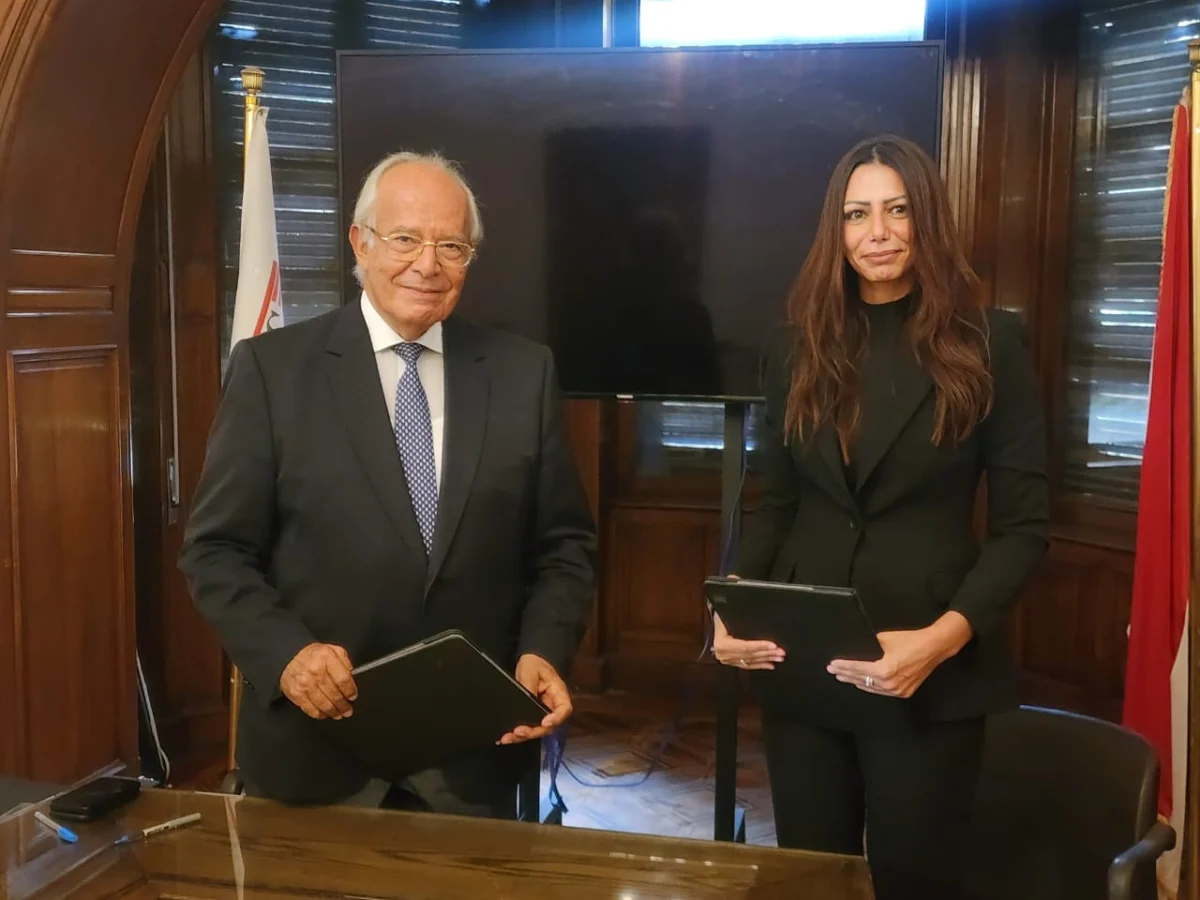
London, 5th November 2025 — In a landmark move designed to reshape the economic landscape of the African tourism sector, the World Sustainable Hospitality Alliance (the Alliance) has officially entered into a strategic Memorandum of Understanding (MOU) with Egypt’s Regional Technology Center (RTC). This partnership marks a pivotal shift in how the hospitality industry approaches human capital development, positioning digital literacy and sustainable practices at the heart of the continent’s growth strategy.
As Africa emerges as one of the world’s most dynamic travel markets, the intersection of technology and hospitality has become a battleground for competitiveness. By combining the global sustainability framework of the Alliance with the localized technological infrastructure of the RTC, the collaboration aims to foster a digital ecosystem that empowers local talent, streamlines operational efficiency, and ensures that the rapid expansion of the sector translates into tangible benefits for local communities.
The Core Mandate: Digital Transformation and Sustainable Employability
The primary objective of this MOU is to address the widening skills gap that threatens to stifle the potential of Africa’s burgeoning tourism economy. While the hospitality sector in Africa is expanding at a breakneck pace, the infrastructure for training and digital integration has historically lagged behind.
The partnership focuses on three critical pillars:
- Technological Upskilling: Creating localized digital training modules tailored for hotel employees, ranging from front-of-house staff to back-end management, ensuring the workforce is proficient in modern property management systems (PMS) and sustainable resource tracking.
- Bridging the Employment Gap: Utilizing digital platforms to connect trained, qualified local talent directly with major international hotel brands and regional hospitality players.
- Sustainable Ecosystem Integration: Implementing digital monitoring tools that allow businesses to track their carbon footprint, water usage, and waste management, aligning African operations with the Alliance’s "Net Positive Hospitality" framework.
Chronology of the Strategic Alignment
The road to this partnership was paved by a series of high-level dialogues between the World Sustainable Hospitality Alliance and regional stakeholders in Egypt.
- Q1 2025: Needs Assessment. The Alliance conducted a series of regional audits across North and East Africa, identifying that while the desire for sustainable tourism is high, the technological barriers to entry for local youth and small-to-medium enterprises (SMEs) remained significant.
- Q2 2025: Identification of Synergy. The Regional Technology Center (RTC) in Egypt emerged as the ideal partner, given its proven track record in bridging the gap between academic theory and technical application in the Middle East and North Africa (MENA) region.
- Q3 2025: Formalization. Negotiators from both organizations drafted the framework for the MOU, focusing on scalability and long-term sustainability rather than short-term training fixes.
- 5th November 2025: The Signing. The MOU was officially signed in London, signaling a commitment to a multi-year collaborative project that will begin implementation in early 2026.
Supporting Data: Why Africa Needs a Digital Pivot
The impetus for this partnership is rooted in compelling industry data. Africa’s hospitality sector is currently navigating a period of unprecedented investment. According to recent market intelligence, the African hotel sector is expected to see a significant uptick in room inventory over the next decade. However, the "Net Positive" ambition—the industry’s goal to leave destinations better than they were found—cannot be achieved without a highly skilled, tech-savvy workforce.
Current estimates suggest that for every one percent increase in digital adoption within the service sector, there is a corresponding 0.5% increase in operational efficiency and a significant reduction in food and energy waste. By digitizing training, the Alliance and the RTC intend to reach tens of thousands of young professionals who would otherwise be excluded from the global hospitality value chain due to a lack of technical certification.
The Alliance itself represents a massive, global force for change, encompassing:
- Over 300 Global Hotel Brands.
- 66,000+ Individual Properties.
- Eight Million+ Rooms under management.
By funneling the resources of these entities into the African market via the RTC, the partnership creates a pipeline of opportunity that is both massive in scale and granular in its impact.
Official Responses: A Shared Vision for the Future
The signing ceremony underscored a shared vision for the future of the continent. Glenn Mandziuk, President & CEO of the World Sustainable Hospitality Alliance, articulated the strategic importance of this union during his keynote remarks.
"This collaboration is a vital step in supporting local communities, driving economic opportunity, and helping the hospitality workforce thrive in a digital world," Mandziuk stated. "We are moving beyond traditional philanthropic models of support. We are unlocking technology’s potential to create a skilled, empowered, and sustainability-driven hospitality sector across Africa. Our goal is to ensure that as the sector grows, it brings the local population with it, utilizing digital tools to break down the barriers that have historically held back local talent."
Representatives from the RTC added that the partnership would serve as a "technological lighthouse" for other regions. "By leveraging the Alliance’s global expertise, we are not just teaching students how to use software; we are teaching them how to be the architects of a sustainable future. The digital divide is no longer an excuse; it is a challenge we are now equipped to solve," said a senior director at the RTC.
Implications: Building a "Net Positive" Continent
The long-term implications of this partnership are profound. The adoption of digital infrastructure in African hotels will likely lead to:
1. Enhanced Resource Stewardship
With the integration of the Alliance’s data-driven frameworks, hotels will be better equipped to manage their environmental impact. Digital dashboards will allow property managers to monitor energy and water consumption in real-time, facilitating the transition toward renewable energy sources and more efficient waste management systems—crucial in regions facing water scarcity.
2. Economic Empowerment for Local Youth
By focusing on "digital employability," the initiative creates a clear pathway for the next generation. The partnership ensures that the skills being taught are relevant to the global market, allowing young Africans to compete for roles in international hotel groups. This reduces "brain drain" and ensures that the economic benefits of tourism remain within the continent.
3. Strengthening the Value Chain
Tourism is a significant contributor to the GDP of many African nations. By digitizing the hospitality value chain, the Alliance and the RTC are strengthening the resilience of the industry against future shocks. A digitally integrated hotel is more agile, more efficient, and more attractive to investors, which in turn fuels further economic development.
Conclusion: A Blueprint for Global Hospitality
The agreement between the World Sustainable Hospitality Alliance and the Regional Technology Center is more than a administrative milestone; it is a blueprint for the future of international development in the service sector. By aligning the needs of global hotel chains with the aspirations of local talent through the medium of technology, this partnership provides a scalable model for other emerging markets.
As the industry moves towards 2030, the focus must remain on the intersection of innovation and sustainability. Through this collaboration, Africa is poised to lead that charge, transforming its hospitality industry into a beacon of digital efficiency and inclusive growth. For the millions of workers, guests, and community members across the continent, this partnership represents the beginning of a more connected, sustainable, and prosperous era.


 Nana

 Ammar Sabilarrohman