Neng Nana
There is an enduring, tactile romance to a physical book—the scent of paper, the weight in your hands, the satisfaction of a turning page. However, for the modern reader, physical volumes often clash with the realities of space, travel, and convenience. The solution, which has matured significantly over the past decade, is the e-reader. As we enter 2026, the Amazon Kindle ecosystem has reached a zenith of refinement, offering specialized hardware that caters to everything from the casual commuter to the professional researcher.
With a recent lineup refresh featuring thinner profiles, enhanced flush-front displays, and the introduction of color-enabled e-ink, Amazon has effectively blurred the lines between digital convenience and the paper-like experience. This guide examines the current landscape of the Kindle family, helping you determine which device best aligns with your reading habits, aesthetic preferences, and budget.
The Chronology of Innovation: From Basic Reader to Digital Canvas
The journey of the Kindle is one of steady, iterative improvement. In its infancy, the Kindle was a utilitarian device—a digital delivery system for text. Over time, Amazon shifted its focus toward the "reading experience." The introduction of the Paperwhite line brought high-resolution, glare-free displays and waterproofing, making the Kindle a companion for the beach and the bathtub.

By 2024 and 2025, the focus shifted to form factor and user interface. The devices became thinner, lighter, and more durable. The 2026 hardware refresh represents a culmination of these efforts: a move toward edge-to-edge aesthetics, where the color of the chassis wraps seamlessly around the device, and the integration of sophisticated writing technologies in the Scribe series. The most significant milestone, however, is the mainstream adoption of color e-ink, which has finally made the jump from niche experimental tech to a consumer-ready staple.
The 2026 Kindle Lineup: A Breakdown of Models
1. The Gold Standard: Kindle Paperwhite (2026)
The Kindle Paperwhite remains the undisputed champion for the vast majority of readers. It is the "Goldilocks" device: it provides every essential feature without the unnecessary bloat of higher-end models.
- Key Features: The 2026 iteration boasts a 7-inch display with the highest contrast ratio in the device’s history. The flush-front design eliminates the annoying bezel edge, providing a seamless surface that mimics a physical page.
- The Experience: With IPX8 waterproofing and a 12-week battery life, it is designed for the traveler. The warm-light adjustment is a standout feature for those who wind down with a book at night, effectively reducing blue light exposure.
- The Signature Edition: For those who crave premium quality, the Signature Edition offers an aluminum back, 32GB of storage, and an auto-adjusting front light. Its pogo-pin dock charging is a luxury that makes "topping off" the battery effortless.
2. The Portable Powerhouse: Kindle (2026)
The basic Kindle is no longer "the compromise." It is the most pocket-friendly device Amazon has ever produced. Designed for the reader on the go, it fits comfortably into a jacket pocket or a small purse.

- Performance: With page-turn speeds 30% faster than its predecessor and a sleek 6-inch flush-front display, the entry-level Kindle is incredibly responsive.
- Value: Starting at $149.99, it offers 16GB of storage and a 6-week battery life. For the first time, users can opt for an aluminum-backed model, bridging the gap between a budget device and a premium gadget.
3. The Visual Revolution: Kindle Colorsoft (2026)
The Colorsoft is aimed squarely at the graphic novel, magazine, and travel-guide demographic. By bringing color to the e-ink space without the harsh glare of a tablet, Amazon has created a niche that finally makes sense.
- Color Implementation: The 7-inch display renders colors with a soft, paper-like matte finish. While it is not intended for high-motion video, it excels at making comic book panels and vibrant book covers "pop."
- Utility: The ability to highlight passages in five distinct colors is a game-changer for academic or casual readers who like to organize their thoughts.
4. The Productivity Professional: Kindle Scribe (2026)
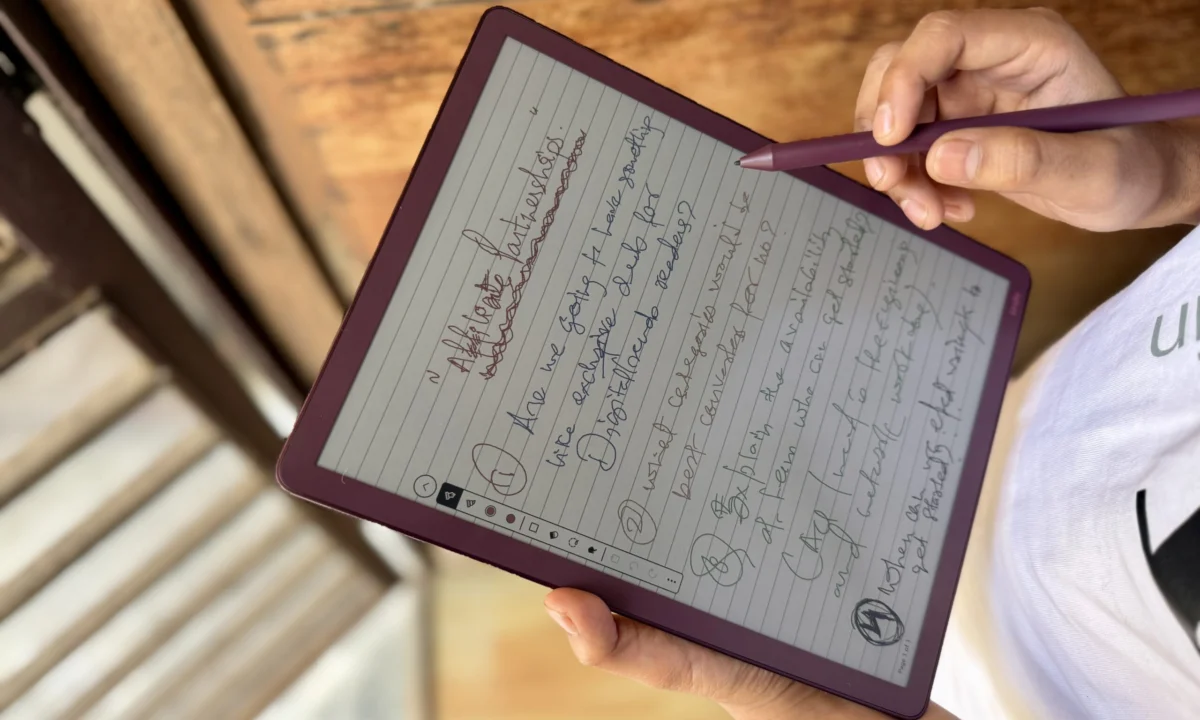
For the student or professional, the Scribe is a digital notebook that refuses to be a distraction. It features a sprawling 11-inch screen and a pen that requires no charging.
- The Writing Experience: The textured surface provides physical feedback that mimics paper. With 40% faster processing than previous iterations, the "latency" of digital writing has been all but eliminated.
- AI Integration: The Scribe uses AI to summarize notes, clean up messy handwriting, and search through thousands of pages of personal documents—a boon for those with extensive research needs.
5. The Ultimate Hybrid: Kindle Scribe Colorsoft
This is the flagship of the ecosystem. Combining the massive 11-inch canvas of the Scribe with the color capabilities of the Colorsoft, it is designed for users who want to annotate technical documents, color-code complex diagrams, and read high-fidelity graphic content. While it carries a premium price tag of $679, it occupies a space where no other device competes—a professional-grade, distraction-free creative tool.

Supporting Data: Why E-Ink Outperforms Tablets
A common point of contention is why one should invest in a dedicated reader when a smartphone or tablet exists. The data is clear:
- Blue Light & Eye Strain: Standard OLED/LCD screens emit direct light that inhibits melatonin production and causes digital eye strain. E-ink displays reflect ambient light, mimicking traditional ink.
- The "Focus Factor": A study of reading habits indicates that users who read on dedicated e-readers consume roughly 40% more books annually than those who use multi-purpose tablets, primarily because of the lack of notifications, emails, and social media interruptions.
- Battery Longevity: While a tablet might last 10 hours, a Kindle’s e-ink display only consumes power when the image on the screen changes. This allows for the industry-leading 6-to-12-week battery life.
Official Responses and Strategic Direction
Amazon’s current strategy, as reflected in their 2026 lineup, is one of "segmentation." By offering the "Click" wireless remote and expanding the use of recycled materials (including 100% recycled cobalt in batteries), they are addressing both the ergonomic needs of the reader and the environmental expectations of the modern consumer.
In official statements, Amazon has emphasized that their goal is not to replace the book, but to "eliminate the friction" of reading. Their move into AI-assisted note-taking on the Scribe suggests a long-term goal of becoming the primary workspace for intellectuals and creatives, rather than just a digital bookstore.

Implications for the Future of Literacy
The widespread adoption of the Kindle Colorsoft and the enhanced Scribe has significant implications for education and journalism. Digital textbooks and magazines, which were once hindered by the lack of color, can now be distributed with full fidelity on e-ink devices.
Furthermore, as the cost of these technologies decreases, we are likely to see a shift in the publishing industry. We may see an increase in "interactive" long-form journalism, where readers can annotate, color-code, and synthesize information directly on their reading device. The "endless scroll" of the internet is being challenged by the intentional, focused experience of the e-reader.
Final Verdict: Which should you choose?
- The Generalist: Kindle Paperwhite. It is the best value, the most durable, and the most comfortable for long-term reading.
- The Minimalist: Kindle (2026). Perfect for the commuter who wants a device that fits anywhere.
- The Visualist: Kindle Colorsoft. If you love comics, cookbooks, or travel guides, this is the only logical choice.
- The Professional: Kindle Scribe. If your work involves markups, document review, or long-form note-taking, the Scribe is a tool that pays for itself in productivity.
In 2026, the digital library is no longer a compromise—it is an upgrade. By shedding the distractions of the modern world and focusing on the purity of the written word, Amazon has ensured that, despite the rapid pace of technological change, the act of reading remains as quiet, meditative, and essential as it has always been.

 Sagoh
 Asep Darmawan