Neng Nana
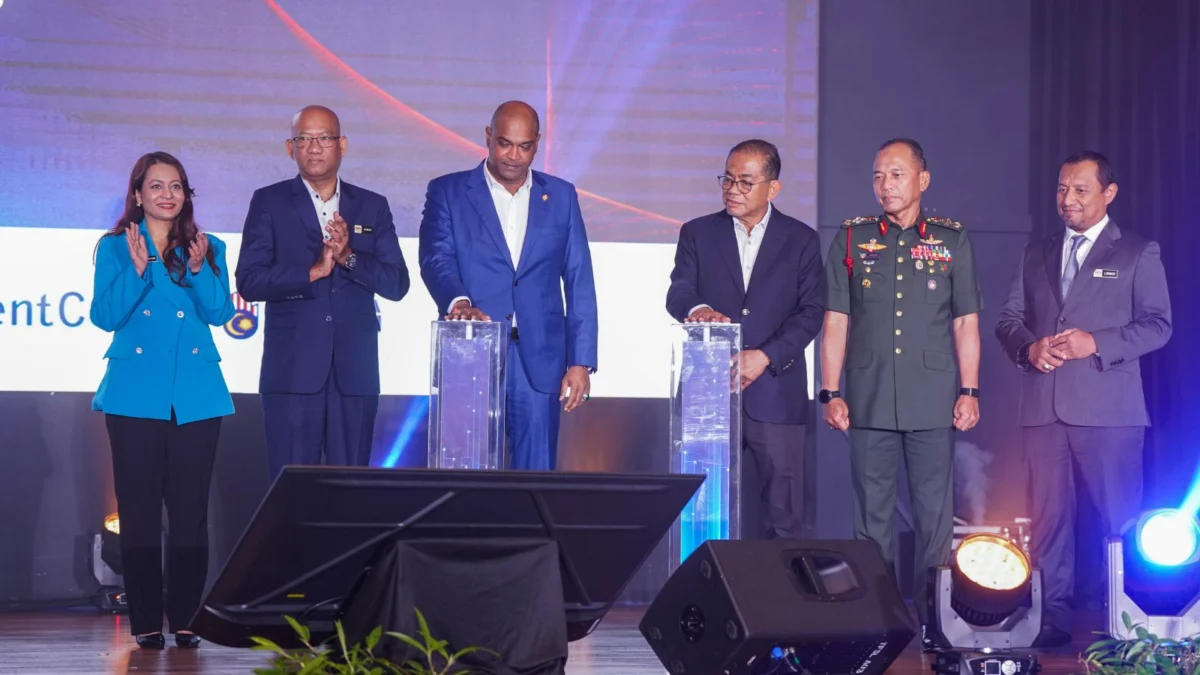
In a strategic move to fortify Malaysia’s national talent pipeline, the Ministry of Human Resources (KESUMA) and the Ministry of Defence (MINDEF) have officially formalized a landmark partnership. On 14 October, the two ministries signed a Memorandum of Understanding (MoU) to launch the MyBakat Veteran initiative, a comprehensive ecosystem designed to transition Malaysian Armed Forces (ATM) personnel and veterans into high-value civilian careers.
By integrating military precision with the dynamic requirements of the private sector, the initiative aims to empower over 15,000 personnel and veterans by 2030, ensuring that those who have dedicated their lives to national security are seamlessly absorbed into the nation’s economic workforce.
The Strategic Imperative: Bridging the Gap
The professional landscape for retiring military personnel is undergoing a significant transformation. Historically, the transition from military to civilian life has often been fraught with challenges regarding skill recognition and sector alignment. The MyBakat Veteran initiative seeks to eliminate these barriers by initiating career preparation at least two years prior to an individual’s retirement date.
Coordinated by Talent Corporation Malaysia (TalentCorp)—a strategic think tank under KESUMA—the program acts as a bridge between the disciplined, high-stakes world of the military and the evolving demands of modern industry. The initiative is not merely a job-matching service; it is a holistic approach to competency profiling, vocational training, and industry-led curriculum alignment.
Chronology and Governance of the Initiative
The formalization of this partnership marks the culmination of months of inter-agency planning. The MoU was signed by Datuk Azman bin Mohd Yusof, Secretary-General of KESUMA, and Datuk Lokman Hakim bin Ali, Secretary-General of MINDEF. The high-level ceremony was witnessed by the Minister of Human Resources, Dato’ Sri Ramanan Ramakrishnan, and the Minister of Defence, Dato’ Seri Mohamed Khaled Nordin.
Key Phases of Implementation:
- Pre-Retirement Preparation: Commencing two years before the discharge date, personnel undergo competency profiling to identify transferable skills.
- Skills Mapping: Through the newly launched Skills Recognition Pathway, military training is mapped against the National Occupational Skills Standards (NOSS).
- Certification: Eligible personnel receive the Malaysian Skills Certificate (SKM) or Malaysian Skills Diploma (DKM) based on their military background.
- Placement: Utilizing platforms like MYFutureJobs and the expertise of agencies such as PERHEBAT, veterans are channeled into roles that match their validated expertise.
Supporting Data: The Magnitude of the Transition
The urgency of this initiative is underscored by the sheer volume of military personnel transitioning to civilian life annually. Statistics show that between 5,000 and 7,000 ATM personnel retire each year. Without a structured framework, this represents a significant loss of human capital.
By tapping into this pool, Malaysia aims to leverage a workforce that is already characterized by discipline, technical proficiency, and high adaptability. The program’s target of 15,000 beneficiaries by 2030 is supported by a network of 18 Future Skills Talent Councils (FSTC), which ensure that the training provided is not redundant but is instead aligned with current market gaps identified by industry leaders.
Official Responses: A Paradigm Shift in Career Transition
The leadership behind the MyBakat Veteran initiative emphasizes a shift from traditional "retraining" to "competency recognition."
The Perspective of KESUMA
Minister Ramanan Ramakrishnan emphasized that the nation’s economic growth is tethered to its ability to recognize existing expertise. "Developing Malaysia’s skilled workforce requires more than just creating new talent; it requires the recognition of the immense expertise already held by our ATM personnel," he stated. He noted that by identifying and strengthening these competencies through industry-guided training, the government is not only aiding veterans but also bolstering the national economy.
The Perspective of MINDEF
Minister of Defence Dato’ Seri Mohamed Khaled Nordin highlighted a fundamental change in the ministry’s philosophy. "Rather than training personnel first and then searching for jobs, this initiative focuses on matching their existing competencies with specific industry needs," he explained. This "demand-driven" approach ensures that training programs are relevant, efficient, and directly linked to sustainable employment opportunities.
The Mechanics of MyBakat Veteran
The strength of the initiative lies in its multi-agency collaborative framework. It is not a siloed project but an integrated ecosystem involving key stakeholders:
- TalentCorp: Serves as the secretariat, coordinating industry participation and connecting government agencies with private sector partners.
- Skills Development Department (JPK): Responsible for the Skills Recognition Pathway, ensuring that military experience is translated into national vocational qualifications.
- Veterans Affairs Corporation (PERHEBAT): Provides specialized career transition training.
- Social Security Organization (SOCSO): Manages employment support through the national portal, MYFutureJobs.
- ATM Veterans Affairs Department (JHEV): Facilitates the administrative transition and support for veterans.
- HRD Corp: Assists in providing the training infrastructure necessary for the upskilling of personnel.
Pilot Programs
The initial rollout is focusing on three key corps: the Infantry Corps, the Royal Engineer Regiment, and the General Services Corps (Education). These sectors were chosen for their high potential for immediate integration into the civilian labor market, particularly in logistics, construction, and technical training roles.
Implications: A New Era for Military Personnel
The implications of the MyBakat Veteran initiative are far-reaching, touching upon social, economic, and institutional domains.
1. Economic Resilience
By integrating 5,000 to 7,000 highly trained individuals into the workforce annually, Malaysia mitigates the risks associated with labor shortages in critical sectors. The military’s emphasis on leadership, technical maintenance, and operational management is highly sought after in industries like manufacturing, security, and infrastructure development.
2. Social Security and Wellbeing
The transition to civilian life is often a psychological and financial hurdle for veterans. By ensuring that career paths are identified two years in advance, the initiative reduces the "transition anxiety" that many veterans face. It ensures that the transition is a planned, career-advancement move rather than a struggle for post-service employment.
3. Institutional Recognition
The Skills Recognition Pathway is arguably the most significant institutional change. For decades, military experience was often undervalued by private sector recruiters who were unfamiliar with the nature of military training. By mapping these roles to the NOSS, the government is providing a "common language" that both employers and veterans can understand, effectively legitimizing years of military service as professional, civilian-grade experience.
Challenges and Future Outlook
While the framework is robust, the success of MyBakat Veteran will ultimately depend on the continued buy-in from the private sector. The role of the Future Skills Talent Councils will be critical here; they must act as an effective bridge, convincing employers that the "military mindset" is an asset that can drive productivity and efficiency in corporate settings.
Furthermore, the scalability of the program—moving from the three pilot corps to the entirety of the armed forces—will require sustained funding and constant refinement of the curriculum to keep pace with rapid technological advancements such as AI, automation, and cybersecurity.
Conclusion
The MyBakat Veteran initiative represents a visionary approach to human capital management in Malaysia. By viewing military personnel not as a separate labor demographic, but as a core component of the national talent pool, the ministries of Human Resources and Defence are setting a new standard for veteran support.
As the initiative moves into full swing, it stands as a testament to the belief that the service of an individual to their country should not end upon retirement. Instead, through the right support, recognition, and strategic matching, that service can evolve into a meaningful, lifelong contribution to the Malaysian economy.
For those in the military, the message is clear: your years of service have equipped you with the skills required to lead in the civilian sector, and the nation is committed to ensuring you have the path to prove it.
For more information on career opportunities for veterans and to stay updated on the progress of MyBakat Veteran, visit the official portals of TalentCorp and the Ministry of Defence. Stay connected with the latest HR and manpower news by following our Telegram and Instagram channels.

 Layla Zulfa

 Lina Irawan