Pevita Pearce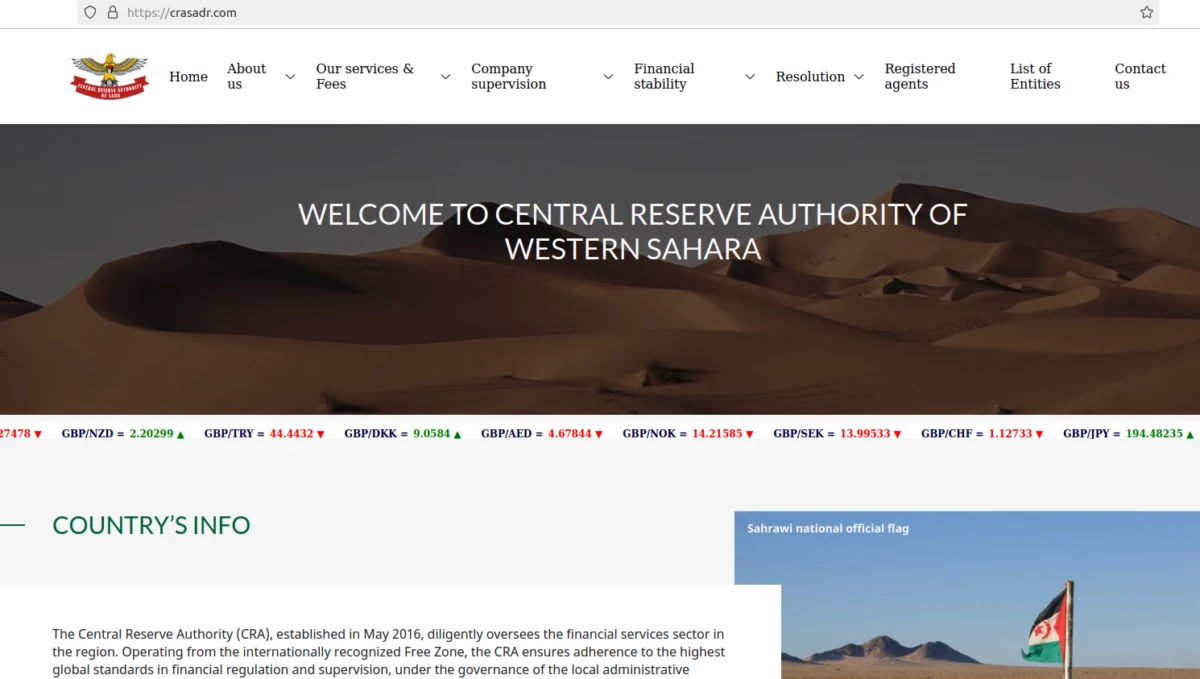
In a decisive move aimed at crippling the financial backbone of global cybercrime and dismantling mechanisms used to bypass international restrictions on Russia, the United Kingdom has officially imposed comprehensive economic sanctions on Cryptomus. The move marks a turning point in the international community’s battle against "chameleonic" digital payment platforms that facilitate everything from ransomware extortions and narcotics trafficking to the funding of illicit state-backed operations.
For years, Cryptomus—a platform that has repeatedly rebranded itself to evade regulatory scrutiny—operated as a shadowy engine for the darknet economy. By providing a bridge between high-risk cryptocurrency transactions and the formal financial system, the platform became an indispensable tool for Russian interests seeking to circumvent Western financial barriers. With the new U.K. sanctions, the entity—and its various aliases—finds itself effectively cut off from the British financial ecosystem.
The Anatomy of the Sanctions
On October 8, 2026, the U.K. government formally sanctioned Cryptomus, alongside associated payment processors VexPay, TokenSpot, and the Tsunami Payments service. The sanctions are sweeping: they freeze all assets held by these entities within British jurisdiction and prohibit any U.K. individual or business from engaging in commercial, virtual, or financial dealings with them.
The British government’s action is not merely a symbolic gesture; it is a strategic effort to degrade the infrastructure supporting Russia’s wartime economy. By targeting the nodes that allow illicit funds to be laundered, the U.K. is attempting to force these "dark" processors into insolvency. As blockchain intelligence firm Chainalysis noted, these platforms are no longer fringe operators; they have become major hubs for illicit activity, moving billions of dollars in funds associated with criminal enterprises.
A Chronology of Deception: From Certa to Heleket
The history of Cryptomus is a study in calculated evasion. Since its emergence in 2022, the platform has operated under a revolving door of corporate identities, including Certa Payments and Xeltox Enterprises. This strategy of "corporate camouflage" was designed to stay one step ahead of global law enforcement.
- 2022: Cryptomus is launched, quickly establishing itself as a preferred payment processor for Russian cryptocurrency exchanges and cybercrime syndicates.
- December 2024: A major investigative report sheds light on how the platform facilitates the conversion of cryptocurrency into fiat currency within Russian banks, exposing its role as a key financial conduit.
- 2025: Facing mounting pressure, the platform attempts to distance itself from its past reputation by rebranding as Heleket. This rebranding followed a record-breaking CAD $176 million fine issued by Canadian authorities for egregious anti-money laundering (AML) violations.
- April 2026: Research by TRM Labs reveals that Cryptomus processed over $7 billion in transactions since its inception, including funds linked to child sexual abuse material (CSAM), terrorism financing, and human trafficking.
- October 2026: The U.K. government issues formal sanctions, following a surge in illicit counterparty activity that saw over 900 criminal entities using the platform in a single month.
Supporting Data: The Scale of the Illicit Pipeline
The sheer volume of funds flowing through the Cryptomus infrastructure has stunned even veteran blockchain investigators. According to Chainalysis, the combined volume of illicit funds handled by Cryptomus and its successor, Heleket, has eclipsed that of many well-known crypto mixers.

The shift in transaction behavior is equally telling. When Cryptomus was hit with Canadian fines, it initially attempted to comply by implementing "Know Your Customer" (KYC) requirements. However, the platform simultaneously launched Heleket as a parallel service specifically designed to bypass these requirements. This "two-track" approach allowed the organization to retain its high-risk user base—the ransomware gangs and darknet vendors—while projecting an image of regulatory compliance to the outside world.
Blockchain analyst Richard Sanders, who spent months mapping the platform’s infrastructure, describes the operation as a "hydra." "You cut off one head, and another grows back," Sanders noted. "But the U.K. sanctions represent a different kind of weapon. A fine is a cost of doing business; sanctions are a death sentence for an operation’s ability to interact with the global financial system."
The "Western Sahara" Illusion
Perhaps the most bizarre aspect of the Cryptomus story is the regulatory façade it constructed to gain a veneer of legitimacy. Investigators discovered that the parent company of the original Cryptomus entity, Certa Payments, was controlled by a 25-year-old Ukrainian national who also managed a series of shell companies.
One of these firms, the WS Management and Advisory Corporation, claimed to be the official regulatory body for cryptocurrency and forex businesses in the disputed territory of Western Sahara. By creating a fictional regulatory framework—complete with a website (crasadr.com) and a "Central Reserve Authority of the Western Sahara"—the operators attempted to provide their clients with a sense of legal security. In reality, the entire architecture was built on servers shared with other shell domains, serving as a smoke-and-mirrors operation to fool prospective partners and evade international oversight.
Official Responses and Strategic Implications
The international response to the Cryptomus saga signals a shift in how "Five Eyes" nations (the U.S., U.K., Canada, Australia, and New Zealand) cooperate on cyber-financial crime. The U.K. sanctions are particularly notable because they mark the first time a Five Eyes country has sanctioned a crypto operation incorporated in another Five Eyes jurisdiction (Canada).
The Significance of the Sanction
- Enforcement over Penalties: Unlike the Canadian fines, which proved difficult to enforce and collect, the U.K. sanctions carry immediate weight. They effectively blacklist the entities, forcing exchanges and financial institutions to sever ties or risk losing their own access to British markets.
- Disruption of the War Machine: By targeting the payment processors that sustain the Russian shadow economy, the U.K. is directly impacting the resources available to the Russian state.
- Setting a Precedent: The success of this action will likely serve as a blueprint for future coordinated efforts to shut down "jurisdiction-hopping" crypto platforms that hide behind fake regulatory bodies.
"The distinction matters," Richard Sanders emphasized regarding the difference between a fine and a sanction. "A fine is a tax on crime. Sanctions are the removal of the criminal’s ability to function."

Looking Ahead: The Future of Crypto-Oversight
As the digital landscape evolves, platforms like Cryptomus/Heleket represent the "new frontier" of financial crime. They leverage the borderless nature of blockchain technology to facilitate harm, while hiding behind the complexity of international shell company structures.
The U.K.’s intervention sends a clear message: the days of operating a massive, unregulated, and illicit payment hub under the guise of a legitimate business are coming to an end. However, the ease with which these platforms have historically pivoted—changing names, relocating servers, and creating fake regulatory bodies—suggests that the battle is far from over.
For the victims of the ransomware gangs and the global efforts to curtail human trafficking and child exploitation, the sanctions on Cryptomus provide a rare, tangible victory. Yet, as the platform’s Telegram support channels continue to claim "technical difficulties" or flatly deny their history, it is clear that the entities behind these operations remain active and desperate to keep their pipelines open.
The international community must now determine if these sanctions will be the final nail in the coffin for the Cryptomus network, or if the "chameleonic" platform will find yet another identity to hide behind. For now, one thing is certain: the world of illicit crypto-processing just became significantly more difficult to navigate.


 Ammar Sabilarrohman
 Raul Delapena Setiawan