
 Lina Hope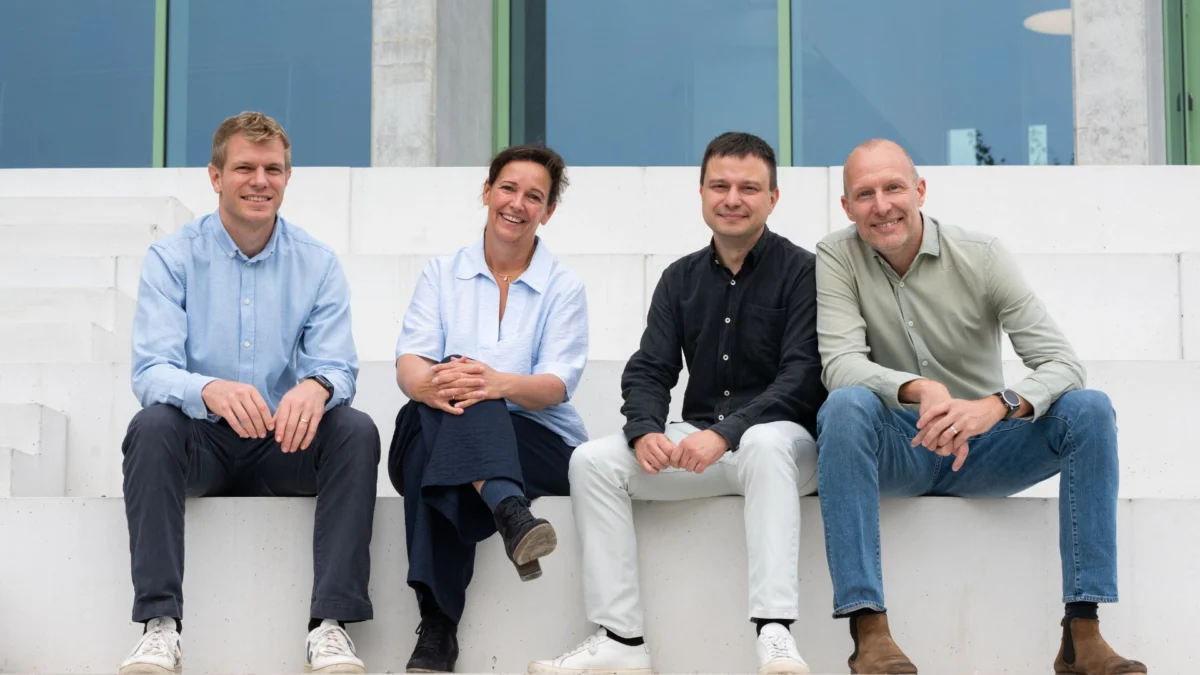
In the high-stakes world of modern medicine, the development of immunotherapies represents one of the most promising frontiers in the fight against cancer and autoimmune diseases. Yet, beneath the promise of these "living drugs" lies a persistent, costly bottleneck: the inability to accurately and rapidly predict how individual cells respond to experimental treatments.
Ghent-based startup SpectaCell is stepping into this breach. Formally emerging from stealth mode today, the company announced the successful closure of a €6 million Seed funding round. Born from a prestigious trifecta of Belgian research excellence—imec, VIB, and Ghent University—SpectaCell is set to introduce a proprietary cell analysis platform designed to transform how life-saving therapies are researched, developed, and manufactured.
The Core Challenge: Why Current Analytics Fall Short
To understand the significance of SpectaCell’s launch, one must first recognize the fundamental limitations of current biopharmaceutical testing. Traditional analytical methods often rely on "population averages"—measuring the collective reaction of millions of cells in a dish to a drug candidate.
While these aggregate measurements provide a general snapshot, they often mask the nuanced behavior of individual cells. In the complex world of T-cell engagers and personalized cell therapies, the "average" result can be misleading. A therapy might appear effective on paper while actually failing to trigger the desired response in the specific, critical subpopulations of cells that ultimately determine patient outcomes.
Furthermore, many existing diagnostic tools require the use of fluorescent markers to visualize cell behavior. These labels, while helpful, can inadvertently alter the very biological processes researchers are trying to observe, leading to skewed data. SpectaCell aims to solve these issues by offering high-resolution, label-free, single-cell analysis that provides granular, time-sensitive data, bridging the long-standing gap between initial lab discovery and industrial-scale manufacturing.
A Synergy of Research and Capital: The Chronology of SpectaCell
The genesis of SpectaCell is a case study in the power of the Belgian "triple helix" model, where academia, research institutes, and industry converge.
- The Foundation (2026): The company was formally established by a quartet of industry veterans and scientists: Mathieu Rabaey, Veronique De Vroey, Jan Van de Velde, and Tony Montoye. Their objective was to commercialize a next-generation platform that leverages chip-based imaging and advanced data analytics.
- The Incubation: Developed within the halls of imec (the world-leading nanoelectronics and digital technologies research hub), VIB (the Flanders Institute for Biotechnology), and Ghent University, the technology benefited from years of cross-disciplinary testing and refinement.
- The Funding Milestone: Today’s announcement of €6 million in Seed funding marks the company’s transition from an academic project to a commercial entity. The round was led by imec.xpand, a venture capital fund that specializes in deep-tech startups emerging from imec’s ecosystem.
- Strategic Participation: The funding round saw robust support from a consortium of heavy-hitting investors, including the PMV Flanders Future Tech Fund, InnovationQuarter Capital, Qbic, and VIB. This backing provides not only the capital to scale but also the strategic network necessary to navigate the global biopharma market.
Technical Innovation: How the Platform Works
At the heart of SpectaCell’s value proposition is an easy-to-use, cartridge-based instrument. By moving away from complex, multi-day laboratory setups, the company intends to deliver high-resolution insights within a matter of hours.
The Power of Label-Free Imaging
By combining semiconductor-based imaging with sophisticated data analysis, SpectaCell can track large numbers of individual cells simultaneously. Crucially, the platform does not require fluorescent labels. This "label-free" approach ensures that the cells remain in their natural state throughout the observation period, providing a true-to-life representation of how they interact with therapeutic agents.
From Discovery to Manufacturing
Most analytical tools are siloed; a tool used in early discovery is rarely suitable for the stringent, high-throughput requirements of a GMP (Good Manufacturing Practice) facility. SpectaCell is designed to be the "single source of truth" throughout the product lifecycle:
- Early Research: Identifying the most promising drug candidates by observing their direct effect on target cells.
- Process Development: Helping teams optimize manufacturing workflows by identifying which variables influence cell health and efficacy.
- Quality Control: Enabling manufacturers to verify that every batch meets the exact performance specifications required for patient administration.
Perspectives from Leadership
The leadership team at SpectaCell emphasizes that their mission is not merely technological—it is deeply patient-centric. CEO and co-founder Tony Montoye articulated this vision during the launch:
"Breakthrough medicines need breakthrough tools. Researchers need to know much earlier which candidates deserve further investment and why. We are building a new standard in cell analysis: detailed insight, results within hours, and a simple workflow that connects research with manufacturing."
Montoye’s sentiment is echoed by the investment community, who view SpectaCell as a foundational player in the future of the pharmaceutical landscape. Benoit Devogelaere, Partner at imec.xpand, expressed high confidence in the company’s trajectory:
"SpectaCell brings together disruptive semiconductor technology, an experienced team, and a major commercial opportunity. We are convinced that SpectaCell can become essential to how new medicines are selected, developed, and produced. With applications across cell therapies, T-cell engagers, and other advanced treatments, we see the potential to set a new industry standard."
Implications: The Future of Immunotherapy
The implications of SpectaCell’s platform are far-reaching. As the pharmaceutical industry shifts toward increasingly personalized and potent therapies, the demand for precision analytics will only grow.
Accelerating the "Time-to-Patient"
One of the most significant costs in drug development is the "fail-fast" cycle. When researchers spend months pursuing a candidate that ultimately fails due to an unforeseen cell-level interaction, that is time and capital lost. By providing insights in hours, SpectaCell allows developers to "fail faster" on bad candidates and "accelerate faster" on good ones. This agility could eventually translate into shorter clinical trial timelines and lower costs for developers—savings that are essential for the commercial viability of high-cost cell therapies.
Setting a Global Standard
While the company is currently anchored in Ghent, its ambitions are global. By targeting pharmaceutical companies, biotechnology firms, and specialist manufacturers worldwide, SpectaCell is positioning itself to become a global infrastructure provider. As regulatory bodies like the FDA and EMA continue to tighten requirements for the consistency of cell-based products, having a standardized, high-resolution analytical platform will become a "must-have" rather than a "nice-to-have" for any serious player in the immunotherapy space.
Empowering Data-Driven Medicine
Finally, the sheer volume of data generated by SpectaCell’s platform offers a secondary benefit: the potential to train AI models for drug discovery. As the company builds a proprietary dataset of how various immune cells interact with a wide range of therapeutic agents, they create an invaluable asset for future predictive modeling, potentially automating the selection of the most effective treatments for specific patient profiles.
Conclusion: A New Chapter for Ghent’s Bio-Cluster
The successful funding of SpectaCell is a testament to the maturation of the Belgian life sciences ecosystem. By successfully spinning out research that combines deep-tech hardware (semiconductors) with complex biological needs (cell therapy), SpectaCell represents a new breed of "interdisciplinary" startup.
As the company moves into the next phase of development—focusing on commercialization and partnerships with global biopharma leaders—the eyes of the industry will be on Ghent. If SpectaCell can successfully scale its cartridge-based platform, it will not only streamline the development of individual drugs but potentially raise the floor for the entire immunotherapy sector, ensuring that better, more effective medicines reach patients sooner.
For the founders, the investors, and ultimately the patients waiting for the next generation of cancer treatments, the launch of SpectaCell is a significant step toward a future where the complexities of the human cell are no longer a mystery, but a manageable, measurable variable in the pursuit of a cure.


 Siti Muinah
 Reynand Wu





