
 Rifan Muazin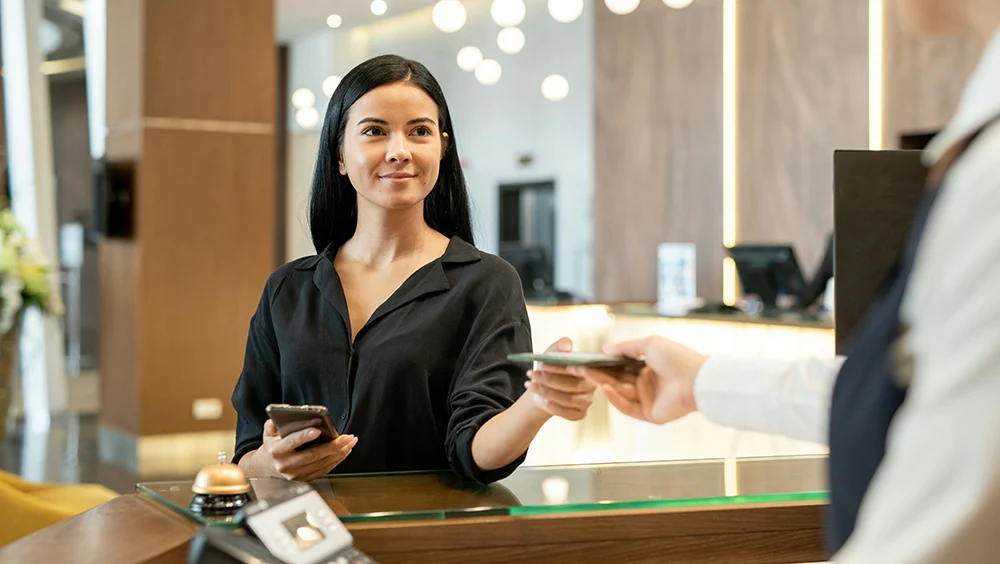
For the modern traveler, the journey from home to hotel is no longer a linear path of physical transit; it is a complex digital orchestration. A guest might experience a flawless booking process on a hotel website, yet find their entire experience compromised before they even reach the property’s driveway. Whether it is a smartphone with no data, an international number that fails to register on local networks, or a critical SMS verification code that never arrives, these "micro-friction" points are becoming the primary source of pre-arrival frustration.
While these issues technically sit outside a hotel’s direct operational scope, the consequences land squarely on the shoulders of the front-desk staff. As hospitality continues to pivot toward mobile-first touchpoints—digital check-in, app-based room keys, and instant messaging concierges—the reliability of a guest’s mobile connection has become an essential, yet often overlooked, component of the guest experience.
The Anatomy of a Pre-Arrival Failure
The guest experience begins long before the physical check-in. In the modern hospitality landscape, the "arrival" is a multi-step digital process. A traveler must navigate airport transit, communicate with ride-hailing drivers, confirm late-arrival details with the hotel, and manage potential itinerary disruptions.
When these interactions depend on a smartphone, the lack of a stable data connection acts as a major roadblock. If a guest cannot access their email to retrieve a booking confirmation or fails to receive a text message from an airport transfer service, the result is often a distressed guest calling the hotel’s reception desk repeatedly.
The Operational Burden
This connectivity gap creates a ripple effect throughout the property’s operations. Every time a guest is forced to call the front desk to solve a problem that could have been handled via a mobile app, the hotel’s labor costs increase and the perceived quality of service decreases. Staff members are pulled away from high-value, face-to-face interactions to troubleshoot basic mobile connectivity issues, turning the front desk into a makeshift technical support center.
The Role of eSIM and Virtual Numbers
To bridge this gap, the hospitality industry is beginning to see the rise of two specific technologies: eSIMs and virtual phone numbers. Understanding how these tools function is critical for hotel operators looking to provide better guidance to their guests.
The eSIM Advantage
An eSIM (embedded SIM) is a digital SIM profile built directly into modern smartphones. Unlike traditional physical SIM cards that require manual swapping, travelers can activate an eSIM plan via a QR code or an app-based setup process.
For the international traveler, the primary advantage is preparation. By purchasing a travel data plan through providers like eSIM Plus or similar services before departing, a guest can ensure their device has immediate access to local data networks upon landing. This removes the stress of hunting for a physical SIM kiosk at the airport or risking expensive roaming fees.
The Nuance of Virtual Numbers
While mobile data provides the "pipeline," virtual phone numbers act as a "communication identity." A virtual number is a cloud-based service that provides a dedicated line for calls and SMS without needing a traditional SIM card.
For the sophisticated traveler, a virtual number offers a layer of privacy and organization, keeping travel-related communications separate from their primary personal number. However, hotels must exercise caution here: not all virtual numbers are treated equally by online platforms. Many security-heavy systems, such as banks or certain booking platforms, reject virtual numbers for SMS verification. Therefore, hotels should be careful not to endorse specific services as a "cure-all" for communication problems.
Chronology of the Guest Digital Journey
To understand where intervention is most effective, one must map the guest’s digital journey chronologically:
- Pre-Departure (The Planning Phase): The guest is at home. This is the optimal window for the hotel to share information about local connectivity, including recommendations for data plans and helpful tips on setting up local roaming.
- Transit (The Arrival Phase): The guest is in the air or at the airport. This is when connectivity is most vital. The guest needs to coordinate transfers, access digital maps, and confirm late arrivals.
- Check-In (The Integration Phase): The guest arrives at the property. Here, the mobile connection is used for digital check-in, keyless entry, and immediate access to property Wi-Fi.
- The Stay (The Engagement Phase): During the stay, mobile connectivity powers in-room ordering, concierge chat, and local exploration.
By identifying these phases, hotels can proactively provide the right information at the right time. For instance, sending a "connectivity guide" 48 hours before arrival is far more effective than providing it during the booking confirmation phase.
Implications for Hotel Management
The move toward mobile-centric service is irreversible. However, the implication for hoteliers is not that they must become telecom experts, but that they must become "connectivity enablers."
Standardizing Communication Channels
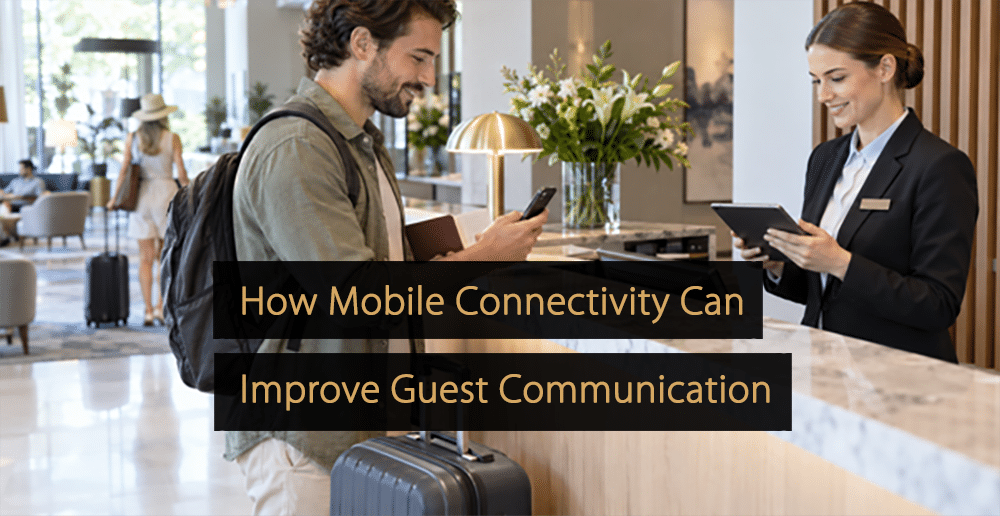
Hotels should move toward offering multiple communication paths. While a hotel app is excellent for loyalty members, it should not be the only way to reach the property. Providing a WhatsApp Business line or a dedicated, reliable SMS number can serve as a safety net for guests whose data plans might be limited.
The Shift in Staff Training
Front-desk teams should be trained to recognize the signs of a "connectivity-stressed" guest. Instead of simply answering the same questions about directions or check-in, staff can be empowered to provide quick, templated advice on how to navigate the local mobile landscape. This turns a frustrated caller into a well-informed guest.
Official Industry Perspectives
Industry analysts at Revfine and other hospitality technology experts emphasize that the goal of providing connectivity guidance is not to control the guest’s choices, but to reduce friction.
"The goal is not to force every guest into one single technology," explains a representative from the hospitality tech sector. "It is about providing a menu of options that allows the guest to choose what works for their device and their destination. When a hotel takes the time to explain the nuances of roaming versus eSIMs versus local Wi-Fi, they are positioning themselves as a thoughtful, guest-centric partner."
Supporting Data: Why Friction Costs Money
Recent studies into digital guest experiences suggest that nearly 40% of negative reviews regarding "service responsiveness" stem from communication failures that occurred before the guest reached the hotel.
- Conversion Rates: Hotels that provide clear, mobile-friendly arrival instructions see a 15% higher usage rate of their digital check-in features.
- Operational Efficiency: Properties that offer dedicated communication channels (like a direct-to-front-desk messaging service) report a 20% decrease in "inquiry-based" phone calls to the front desk.
- Guest Satisfaction: Guests who feel "connected" from the moment they land are 30% more likely to utilize add-on services, such as room service or in-hotel dining, because the barrier to ordering via mobile is significantly lowered.
Developing a Practical Connectivity Strategy
How can a hotel implement these insights without a massive investment in new software?
1. The Pre-Arrival Email "Connectivity Section"
Include a simple, mobile-friendly section in your pre-arrival emails. This should not be a sales pitch but a helpful resource. Include information on:
- Local Wi-Fi hotspots at the airport.
- General advice on SIM card availability in the destination.
- A brief note on the benefits of eSIMs for international travelers.
- Direct contact details for the hotel, including a WhatsApp or business-line number.
2. Streamlining Digital Check-In
Ensure your digital check-in portal is optimized for low-bandwidth environments. A page that takes too long to load due to heavy graphics will fail a guest who is struggling with a weak roaming signal.
3. Dedicated Communication Lines
Consider using a dedicated virtual number for specific departments. For example, a "Transfers & Arrivals" line can separate high-priority logistics communication from general concierge requests. This ensures that a guest stranded at the airport is not stuck in a queue with someone asking about breakfast hours.
4. Privacy-First Communication
When guiding guests on how to contact you, always prioritize privacy. Explain that the hotel uses secure messaging platforms and that the guest’s contact information is handled in accordance with GDPR or local privacy regulations. This builds the trust necessary for guests to engage with your digital ecosystem.
Conclusion: The Connected Guest is a Satisfied Guest
Mobile connectivity is no longer an optional utility; it is the infrastructure upon which the modern guest experience is built. As hotels continue to roll out high-tech amenities—from mobile keys to AI-driven concierges—the success of these tools depends entirely on the guest’s ability to get online.
By adopting a proactive approach to connectivity—providing clear guidance, maintaining reliable communication channels, and acknowledging the diverse technological needs of a global traveler—hotels can drastically reduce friction. The result is a more efficient, less stressful operation for staff and a smoother, more welcoming journey for the guest.
In the final analysis, the most successful hotels of the coming decade will be those that realize their responsibility extends beyond the lobby doors, encompassing the entire journey from the moment the guest lands to the moment they check out. By solving for the "connectivity gap," hotels do more than just improve their processes; they set the stage for a superior hospitality experience.


 Reynand Wu
 Nana Wu




