
 Jia Lissa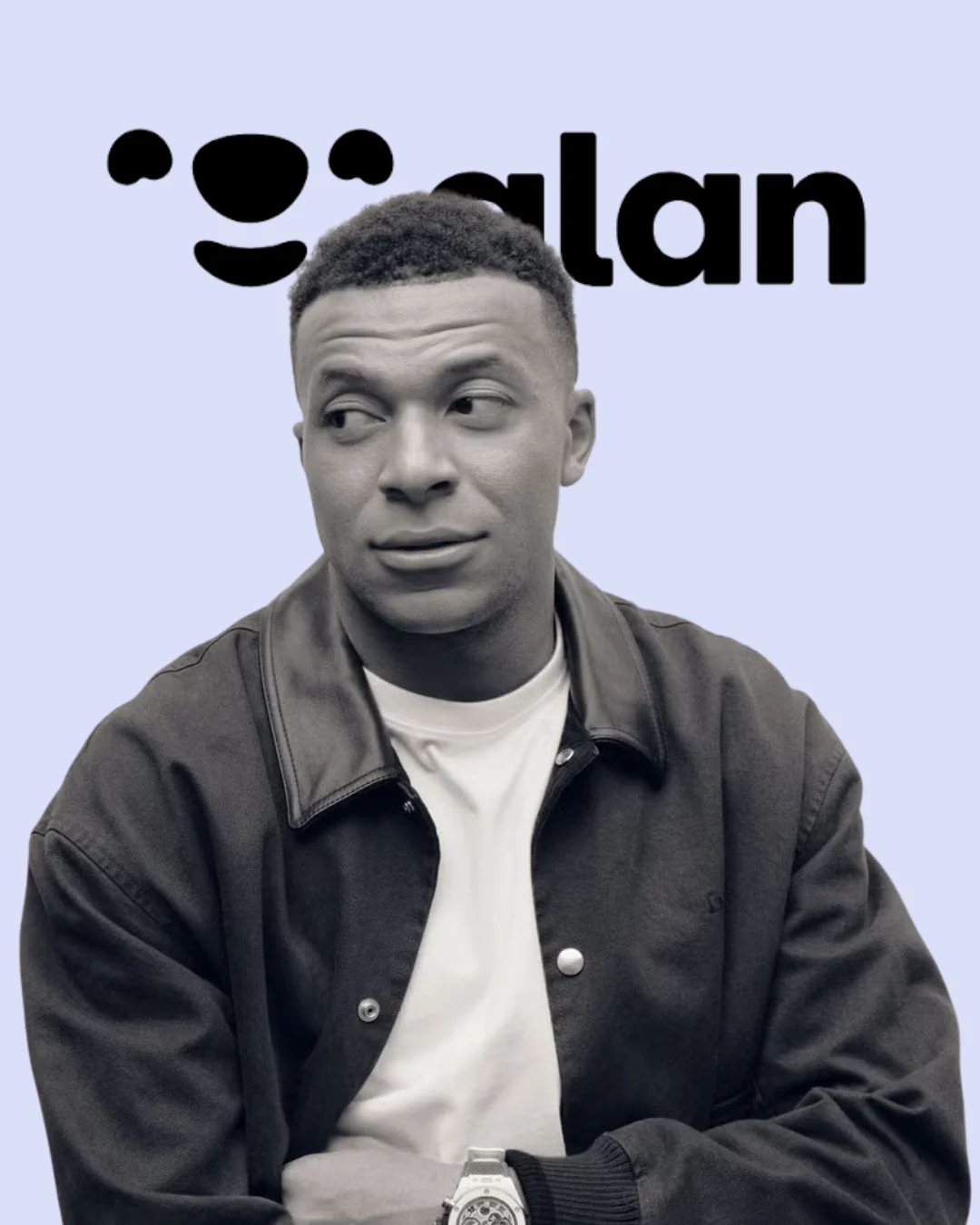
Celebrity investment in startups is no longer a peripheral trend; it has evolved into a cornerstone of modern venture capital strategy. While the practice of high-profile individuals lending their names to products is as old as advertising itself, the current landscape reveals a paradigm shift. Today’s icons are not merely passive brand ambassadors; they are active, strategic investors funneling capital into the frontiers of artificial intelligence, digital healthcare, clean energy, and biotechnology.
This shift marks a maturation in how celebrities manage their wealth. By pivoting from traditional endorsement deals to equity-based partnerships, A-listers are leveraging their global reach to secure a seat at the table of Europe’s most promising innovation hubs.
The Evolution of the Celebrity Investor
In the past, celebrity involvement was limited to "name-dropping" or simple product placement. Today, the involvement is far more sophisticated. Many stars have established their own dedicated investment vehicles—such as Kylian Mbappé’s Coalition Capital or Pau Gasol’s Gasol16 Ventures—allowing them to participate in funding rounds with the same rigor as institutional venture capital firms.

The value proposition for startups is equally compelling. Beyond the capital, a celebrity investor brings international visibility, unparalleled industry connections, and, in many cases, a genuine strategic interest in the sector. Whether it is an athlete backing a health-tech platform or a musician investing in music-recognition software, the alignment of personal brand and business utility is creating a new class of "power-investors."
Chronology of High-Profile Deals
The last few years have seen a flurry of activity as celebrities look beyond the traditional asset classes of real estate and stocks. Below is a detailed look at 10 notable deals that have shaped the current European startup landscape.
1. David Beckham – Guild Esports (2020)
Kicking off the modern era of athlete-driven venture, David Beckham made headlines in 2020 when he invested €272,000 in London-based Guild Esports. By acquiring shares through his business, DB Ventures, ahead of the company’s LSE listing, Beckham signaled a major transition for athletes into the competitive gaming space.

2. Emma Watson – FabricNano (2021)
In 2021, British actress Emma Watson joined a €10.5 million Series A round for FabricNano. This London-based biotech startup focuses on cell-free biomanufacturing, aiming to reduce the industrial sector’s reliance on fossil-fuel-derived materials. Watson’s involvement highlighted a shift toward "impact investing," where personal values drive capital allocation.
3. Snoop Dogg – Sanity Group (2021)
Through Casa Verde Capital, the venture firm he co-founded, Snoop Dogg participated in a €3 million investment into Berlin’s Sanity Group. The startup operates at the intersection of medical cannabis and consumer health, showcasing how international stars are entering the complex, regulated European healthcare market.
4. Novak Djokovic – waterdrop (2023)
Tennis icon Novak Djokovic turned his focus to health and sustainability in 2023, announcing a seven-figure investment in the Austrian company waterdrop. By becoming both an investor and brand ambassador, Djokovic aligned his professional reputation for peak physical performance with the startup’s mission to provide eco-friendly hydration solutions.

5. Pau Gasol – Luzia (2023)
Basketball legend Pau Gasol entered the AI race in 2023, backing Madrid-based Luzia through his vehicle, Gasol16 Ventures. The startup, which developed a generative AI assistant accessible via WhatsApp, raised €9.5 million, highlighting the increasing role of sports stars in the rapid adoption of AI technology.
6. Elton John – Audoo (2023)
Sir Elton John invested €4.75 million in the London-based music-tech startup Audoo in 2023. The company’s focus on audio-recognition technology to ensure fair royalty payments for artists strikes a chord with John’s long-standing advocacy for musicians’ rights, proving that celebrity investors often back companies that solve systemic problems within their own industries.
7. Leonardo DiCaprio – SolarMente (2024)
In 2024, DiCaprio invested in the Spanish climate-tech firm SolarMente. While the startup sadly entered bankruptcy in April 2026, the deal remains a case study in the risks of the startup ecosystem. Undeterred, DiCaprio has continued his pursuit of climate-conscious ventures, most recently investing in the Swedish energy-as-a-service company Elvy in October 2026.

8. Diogo Dalot – Bioniq (2025)
Manchester United’s Diogo Dalot contributed over €1 million to London-based Bioniq in 2025. By investing in the AI-driven nutrition and blood biomarker company, Dalot followed in the footsteps of Cristiano Ronaldo, highlighting a trend of elite athletes betting on the future of personalized healthcare.
9. Kylian Mbappé – Alan (2026)
In March 2026, football superstar Kylian Mbappé made a significant impact through Coalition Capital by investing in the French health-tech giant Alan. As part of a €100 million round, the partnership focused on preventive healthcare and mental well-being, demonstrating how elite athletes are leveraging their influence to promote health literacy.
10. Ibai Llanos – Plesh (2026)
Streamer and entrepreneur Ibai Llanos, alongside Gerard Piqué, led a €3.75 million round in the Spanish food-tech startup Plesh in October 2026. Their focus on healthy, sugar-free chocolate snacks highlights the shift toward "creator-led" investing, where online influence is directly converted into market penetration.

Supporting Data: The Anatomy of the Deals
While these figures represent substantial financial commitment, it is essential to distinguish between a celebrity’s personal contribution and the total round size.
- Sector Diversification: The data suggests a clear preference for HealthTech and ClimateTech. 60% of the listed deals focus on improving human health or environmental sustainability, indicating that celebrities are increasingly using their portfolios to signal support for ESG-compliant (Environmental, Social, and Governance) business models.
- The "Vehicle" Advantage: The rise of dedicated investment vehicles is a critical trend. By operating through structures like Coalition Capital or Gasol16 Ventures, celebrities gain professional management, tax efficiency, and a shield against the volatility of individual direct investments.
Official Responses and Strategic Rationale
Startups often cite the "halo effect" as the primary reason for inviting celebrity backers. A spokesperson for Alan noted that while the capital from Kylian Mbappé was substantial, the real value lay in the collaborative initiatives surrounding nutrition and mental health, which aligned perfectly with the company’s long-term mission.
Conversely, some startups have faced challenges. The bankruptcy of SolarMente serves as a stark reminder that celebrity involvement does not insulate a startup from market realities. Industry analysts argue that while a celebrity can open doors to VCs and retailers, the underlying business model must remain robust. The fact that figures like Leonardo DiCaprio continue to invest despite the occasional failure suggests that these individuals view venture capital as a long-term portfolio strategy rather than a quick-win speculative gamble.

Implications for the Future of Venture Capital
The integration of celebrity capital into the European ecosystem carries several profound implications:
1. Increased Competitive Tension
As more high-net-worth individuals enter the market, competition for "hot" startups is intensifying. Founders now have the luxury of choosing between traditional venture capital firms—which bring operational expertise—and celebrity-backed funds—which bring brand equity.
2. The Democratization of Tech Awareness
Celebrities are effectively "marketing" deep-tech sectors to the general public. When a figure like Emma Watson discusses biomanufacturing or Pau Gasol discusses AI assistants, they bring complex, often opaque industries into the cultural mainstream. This visibility can lead to faster consumer adoption of new technologies.

3. The Need for Due Diligence
As this asset class grows, the regulatory scrutiny on celebrity-backed startups is likely to increase. Regulators are increasingly concerned about whether retail investors follow celebrity endorsements without understanding the inherent risks of early-stage investing.
4. A New Class of "Influencer-Investor"
We are witnessing the birth of the "Influencer-Investor," an individual who treats their social media following as a form of distribution leverage for their portfolio companies. In the case of Ibai Llanos, the investment is not just about the money; it is about the ability to mobilize millions of followers to adopt a new consumer product, creating a powerful "flywheel" effect that traditional VCs cannot replicate.
Conclusion
The era of the "passive celebrity investor" is ending. In its place, we see a generation of high-profile entrepreneurs who are as interested in the balance sheet as they are in the brand. While the risks of the startup world remain, the cross-pollination of entertainment, sports, and cutting-edge technology is undoubtedly accelerating innovation across Europe. As these figures continue to refine their investment strategies, their influence on the European economic landscape will only become more pronounced, proving that the most successful stars of the future will be those who can navigate both the stage and the boardroom with equal dexterity.


 Siti Muinah
 Reynand Wu





