
 Lina Hope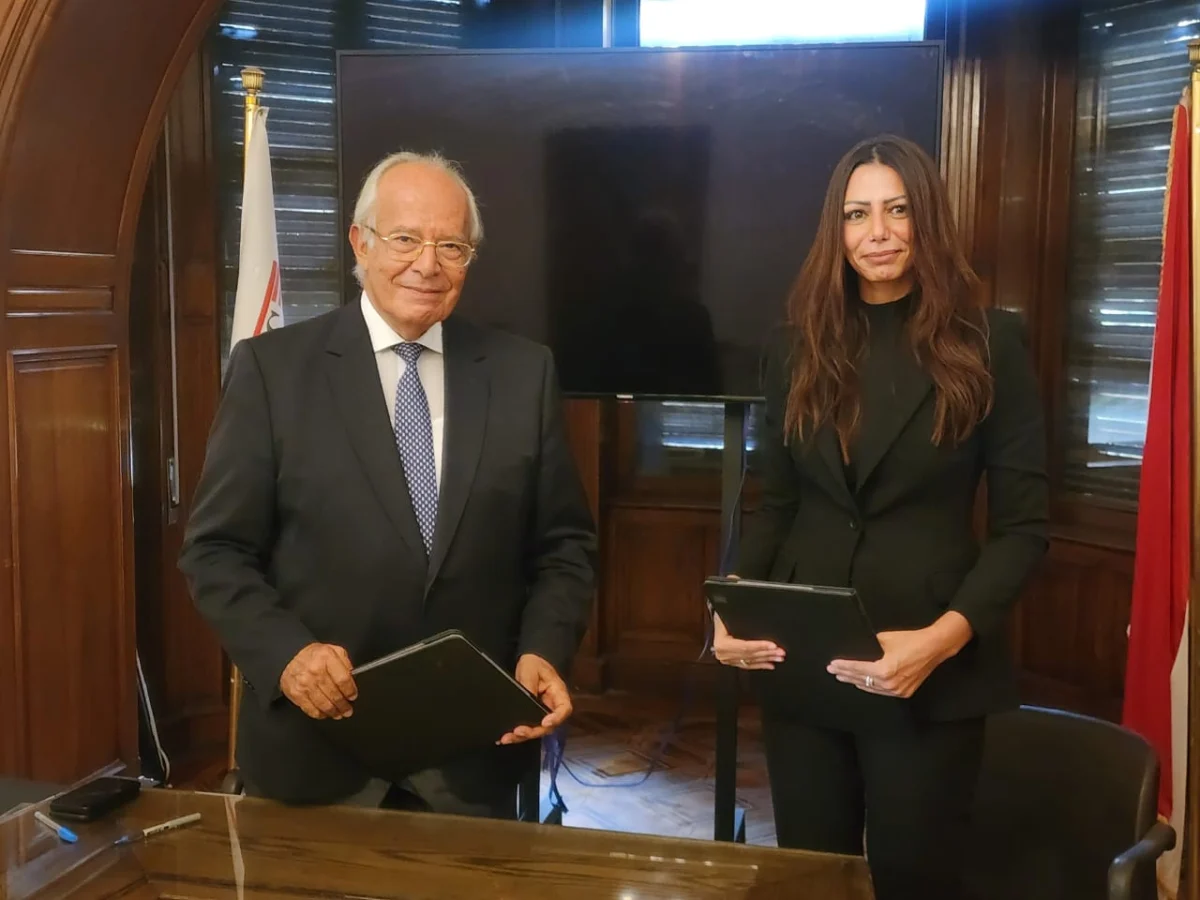
London, 5th November 2025 — In a landmark development for the global tourism landscape, the World Sustainable Hospitality Alliance (the Alliance) has officially entered into a strategic Memorandum of Understanding (MOU) with Egypt’s Regional Technology Center (RTC). This partnership marks a pivotal shift in how the African hospitality sector approaches the twin challenges of digital transformation and sustainable workforce development. By marrying the Alliance’s extensive global sustainability frameworks with the RTC’s localized technological prowess, the collaboration aims to redefine the professional standards of the continent’s burgeoning tourism industry.
The Strategic Imperative: Why Now?
As Africa positions itself as one of the world’s most dynamic tourism markets, the demand for high-quality, sustainable, and tech-savvy labor has reached an all-time high. The continent’s tourism sector is not merely an economic driver; it is a critical pillar of social mobility. However, a significant gap remains between the rapid expansion of hotel infrastructure and the availability of a workforce equipped with the digital literacy required to manage modern, sustainable operations.
The MOU is designed to bridge this chasm. By focusing on the integration of digital tools into the hospitality value chain, the Alliance and the RTC are setting the stage for an ecosystem that prioritizes long-term resilience over short-term gains. This partnership acknowledges that for tourism to truly benefit local communities, the workforce must be empowered not just with manual skills, but with the digital capabilities to navigate a globalized industry.
Chronology of a Shared Vision
The road to this partnership has been paved by years of advocacy for "Net Positive Hospitality"—a core philosophy of the Alliance that demands the industry give back more to its host destinations than it consumes.
- Early 2024: Initial discussions began regarding the lack of localized digital infrastructure in the African hospitality training sector.
- Q3 2024: The Alliance identified the Regional Technology Center in Egypt as a premier partner due to its proven track record in vocational digital training.
- January 2025: A preliminary scoping study was conducted across several key African tourism hubs to identify specific skills gaps in the hotel labor market.
- November 5, 2025: The formal signing of the MOU in London, solidifying a multi-year roadmap for collaborative training, resource sharing, and infrastructure development.
Supporting Data: The Scale of the Challenge and Opportunity
To understand the weight of this partnership, one must look at the sheer scale of the industry represented by the World Sustainable Hospitality Alliance. The organization currently serves as an umbrella for:
- Over 300 global hotel brands.
- 66,000 properties worldwide.
- A combined inventory exceeding eight million rooms.
While these numbers reflect the global reach of the Alliance, the focus of this specific MOU is the "African growth engine." Industry analysts suggest that Africa’s hospitality sector is projected to grow at a compound annual growth rate (CAGR) that outpaces many mature Western markets over the next decade.
However, this growth faces a "human capital bottleneck." Current estimates indicate that millions of new jobs will be created in the region by 2030, yet the traditional education system is struggling to produce graduates with the necessary proficiency in digital hotel management systems, sustainable energy monitoring software, and AI-driven guest experience platforms. The Alliance-RTC partnership intends to address this by injecting a standardized, technology-first curriculum directly into the African vocational training pipeline.
Official Perspectives: A Catalyst for Empowerment
The leadership behind this initiative views the MOU as a fundamental pillar of economic inclusivity.
Glenn Mandziuk, President & CEO of the World Sustainable Hospitality Alliance, emphasized the human element of the agreement. "This collaboration is a vital step in supporting local communities, driving economic opportunity, and helping the hospitality workforce thrive in a digital world," Mandziuk stated during the signing ceremony. "Together, we are unlocking technology’s potential to create a skilled, empowered, and sustainability-driven hospitality sector across Africa. We aren’t just teaching people how to work in hotels; we are teaching them how to manage the sustainable assets of the future."
The Regional Technology Center (RTC) has echoed this sentiment, highlighting that the center’s role is to act as the "technological engine room" for the initiative. By providing the digital infrastructure, the RTC ensures that the training programs provided by the Alliance are not abstract theories, but hands-on, platform-based experiences that mimic the high-pressure, high-efficiency environments of world-class resorts.
Key Pillars of the Collaboration
The MOU is structured around three core pillars designed to create a comprehensive digital ecosystem:
1. Digital Infrastructure Development
The partnership will work to upgrade existing hospitality training centers with high-speed, reliable connectivity and modern hardware. This ensures that students in remote or underserved areas have the same access to global best practices as those in major urban centers.
2. Curriculum Innovation and Skill-Building
The Alliance will leverage its "Net Positive" frameworks to create new modules focused on digital energy management, waste reduction tracking, and community-centric supply chain logistics. These modules will be delivered through the RTC’s digital platforms, making high-level training accessible to a wider demographic.
3. Industry-Academia-Government Synergy
A key component of the agreement is the commitment to engage with local governments and industry stakeholders. By creating a feedback loop between the needs of hotel owners and the output of training centers, the partnership ensures that the skills being taught are directly relevant to the current and future labor market.
The Broader Implications: Toward Net Positive Hospitality
The implications of this MOU extend far beyond the immediate goal of job creation. By digitizing the hospitality sector, the Alliance and the RTC are enabling a more transparent, data-driven approach to sustainability.
In the past, tracking the environmental impact of a hotel—such as water usage, carbon footprint, and food waste—was often a manual and inefficient process. Through this partnership, the next generation of African hotel managers will be trained to use digital dashboards that make sustainability targets transparent and actionable. This, in turn, makes the African hospitality sector more attractive to international investors who are increasingly prioritizing ESG (Environmental, Social, and Governance) criteria in their portfolios.
Furthermore, this move aligns with the broader goals of the African Union’s Agenda 2063, which seeks to transform the continent into a global powerhouse through innovation and education. By positioning hospitality as a tech-enabled, professional career path, the Alliance is helping to destigmatize service roles and elevate them into highly sought-after professional positions.
Looking Ahead: A Sustainable Future
As the implementation phase begins, all eyes are on how effectively these digital programs can scale across diverse linguistic and cultural landscapes. The success of the MOU will be measured not just by the number of students trained, but by the tangible reduction in waste, the increase in local hiring, and the sustained growth of the hospitality sector’s contribution to the African economy.
The World Sustainable Hospitality Alliance and the Regional Technology Center have set an ambitious goal: to create a legacy of empowerment. By fostering a workforce that is both digitally fluent and environmentally conscious, they are ensuring that Africa’s future in global tourism is not only prosperous but truly sustainable. As the world moves toward an era where digital and green transitions are inextricably linked, this partnership serves as a blueprint for how global organizations can collaborate with regional centers to drive meaningful, scalable change.
For the young professionals who will benefit from this initiative, the future of African hospitality is no longer a distant dream—it is a digital reality, supported by a global network, and built on the foundation of sustainability.


 Nila Kartika Wati
 Basiran





