
 Ammar Sabilarrohman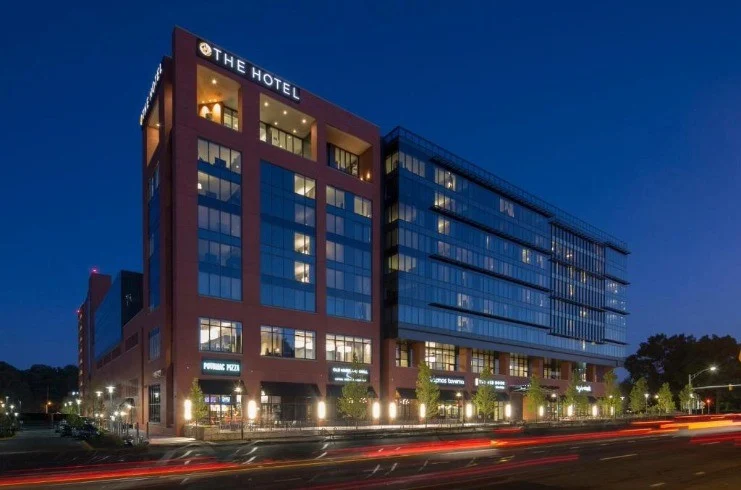
For decades, the “university hotel” occupied a predictable niche in the hospitality landscape. These properties were functional, often austere outposts designed primarily to house the transient needs of visiting parents, prospective students on campus tours, and the occasional visiting lecturer. However, a seismic shift is currently reshaping this sector. As universities increasingly anchor regional economic development, the hotels attached to them are shedding their “dormitory-adjacent” reputation to emerge as full-fledged lifestyle destinations.
The Hotel at The University of Maryland (UMD) stands as the vanguard of this evolution. By blending high-end amenities, flexible meeting spaces, and a strategic embrace of the surrounding Discovery District, the property has moved beyond the cyclical peaks and valleys of the academic calendar to capture a robust, year-round corporate and entrepreneurial clientele.
The Strategic Pivot: A New Demographic Landscape
The transformation of The Hotel at The University of Maryland is not an accident of geography, but a calculated response to the changing nature of the university itself. As Adriana Niepa, the hotel’s director of sales and marketing, notes, the growth of the Discovery District—a hub for research, innovation, and quantum science—has fundamentally altered the guest mix.
“We’ve always strived to not be pigeonholed as just a ‘university hotel,’” Niepa explains. The traditional reliance on collegiate sports seasons and move-in weekends is being supplemented, and in some cases eclipsed, by the influx of scientists, tech entrepreneurs, and corporate partners drawn to the university’s cutting-edge research initiatives.
The upcoming Quantum World Congress serves as a case study for this shift. By hosting high-level global experts in emerging technology, the hotel functions less like a campus guesthouse and more like a premier business hotel in a major metropolitan hub. This shift in clientele necessitates a higher standard of service and infrastructure, moving the property away from being a mere convenience for families toward being a preferred destination for the modern business traveler.
Chronology of a Transformation
The evolution of university-affiliated hospitality has occurred in three distinct phases over the last twenty years:
Phase I: The Functional Era (Pre-2010)
In this period, university hotels were largely utilitarian. Amenities were sparse, and the focus was strictly on proximity to the registrar’s office or the football stadium. These properties often struggled with occupancy during academic breaks and summer months, lacking the marketing infrastructure to compete with branded, city-center hotels.
Phase II: The Amenities Race (2010–2020)
Recognizing that travelers were becoming more demanding, universities began upgrading their properties. The addition of fitness centers, basic conference facilities, and improved dining options helped these hotels capture more than just the “parent demographic.” During this time, The Hotel at The University of Maryland began laying the groundwork for its current, more aggressive lifestyle-focused strategy.
Phase III: The Lifestyle Destination (2020–Present)
Today, we are in the era of the “one-stop shop.” Properties like The Hotel at UMD now integrate full-service spas, makeup bars, diverse food and beverage concepts, and significant meeting infrastructure. The focus has shifted from proximity to experience. The hotel is no longer just a place to sleep after a campus visit; it is a place to hold a board meeting, host an industry conference, or enjoy a luxury weekend getaway.
Supporting Data: Why "Lifestyle" Drives Revenue
The move toward an elevated service model is backed by clear market indicators. According to industry analysis, properties that diversify their guest base mitigate the “academic cliff”—the sharp drop in demand that occurs during winter and summer recesses.
- Diverse Demand Drivers: By attracting corporate travelers and conference attendees, hotels reduce reliance on the academic cycle.
- Extended Length of Stay: Amenities such as diverse dining and on-site wellness facilities encourage guests to stay two or more nights rather than the standard overnight visit.
- Meeting Space ROI: With 40,000 square feet of meeting space, the UMD property can host large-scale association events that would otherwise go to major city convention centers. This generates high-margin revenue through catering, AV services, and room blocks.
- The "One-Stop" Advantage: By providing everything from spa services to fine dining, the hotel captures a greater share of the guest’s total spend while on the property, reducing the incentive for travelers to leave the campus perimeter.
Official Perspectives: The Philosophy of Growth
Adriana Niepa’s approach to sales and marketing provides a roadmap for other institutions looking to replicate this success. Her philosophy is built on the concept of the “informed pivot.”

“You shouldn’t limit yourself to thinking in the box about being a university hotel,” Niepa stresses. “You need to look at who is actually coming to town and why.”
According to Niepa, the most valuable tool a hotel has is its own front-desk data. By training staff to move beyond simple check-in protocols and instead engage in meaningful discovery—asking, “What brings you to town?”—the hotel can collect qualitative data that informs future amenity investment. If the majority of guests are visiting for tech conferences rather than student orientation, the hotel must pivot its marketing and service offerings to cater to those professionals.
This means providing high-speed, reliable WiFi as a baseline, but also offering specialized services like massage chairs or dedicated business concierge support. It is about understanding the "pain points" of the business traveler and solving them before they arise.
Implications for the Future of Hospitality
The success of the model at The University of Maryland has profound implications for the broader hospitality industry. As universities continue to serve as the primary engines of regional economic growth, the demand for sophisticated, professional-grade hospitality on or near campus will only increase.
1. The Death of the "Dorm" Aesthetic
Properties that fail to upgrade their aesthetic and service levels will likely struggle to retain relevance. Travelers now equate “university location” with “intellectual energy,” and the hotel interior must match that sophisticated brand identity.
2. The Rise of the "Third Place"
University hotels are increasingly becoming the "third place"—a social hub outside of the home and the office. By opening restaurants and spa services to the local community, these hotels can ensure consistent revenue, regardless of the university’s academic schedule.
3. Integrating Research and Hospitality
The most successful properties will be those that integrate themselves into the university’s mission. If a university is a hub for quantum science, the hotel should be the home of quantum conferences. If it is a hub for agricultural innovation, the hotel’s F&B program should highlight local farm-to-table partnerships. This creates a cohesive narrative that appeals to high-value, niche travelers.
Conclusion: A New Standard for Collegiate Stays
The transformation of The Hotel at The University of Maryland serves as a compelling proof-of-concept for the industry. By embracing the reality that a modern university is a multifaceted economic ecosystem, the property has successfully shed the restrictive labels of the past.
For other university hotels, the path forward is clear: stop defining yourself by the students and start defining yourself by the global thinkers, innovators, and business leaders who are drawn to the campus. By investing in the amenities that support a professional lifestyle—and by listening closely to the evolving needs of every guest who walks through the door—university-affiliated properties can cement their status as essential pillars of the local hospitality market.
As Niepa concludes, the goal is simple: “We are not just a university hotel. We are a destination.” Through this mindset, the future of collegiate hospitality is not just about proximity to the classroom, but about providing a world-class experience for the world-class individuals who shape the future of our society.


 Azzam Bilal Chamdy
 Ali Ikhwan




