
 Nana
Nana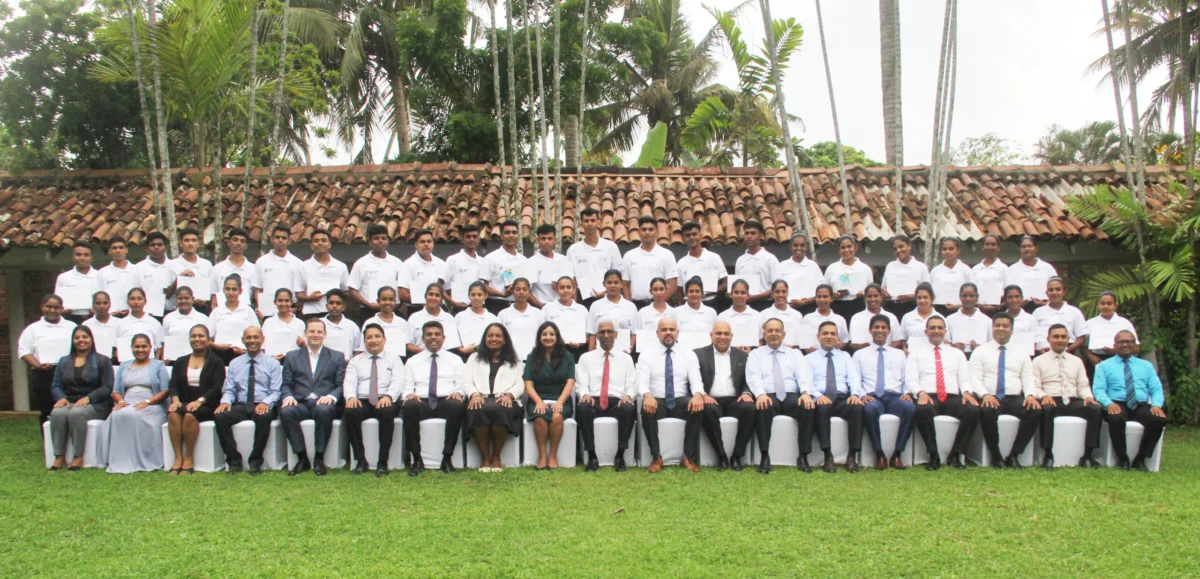
By [Your Name/Editorial Desk]
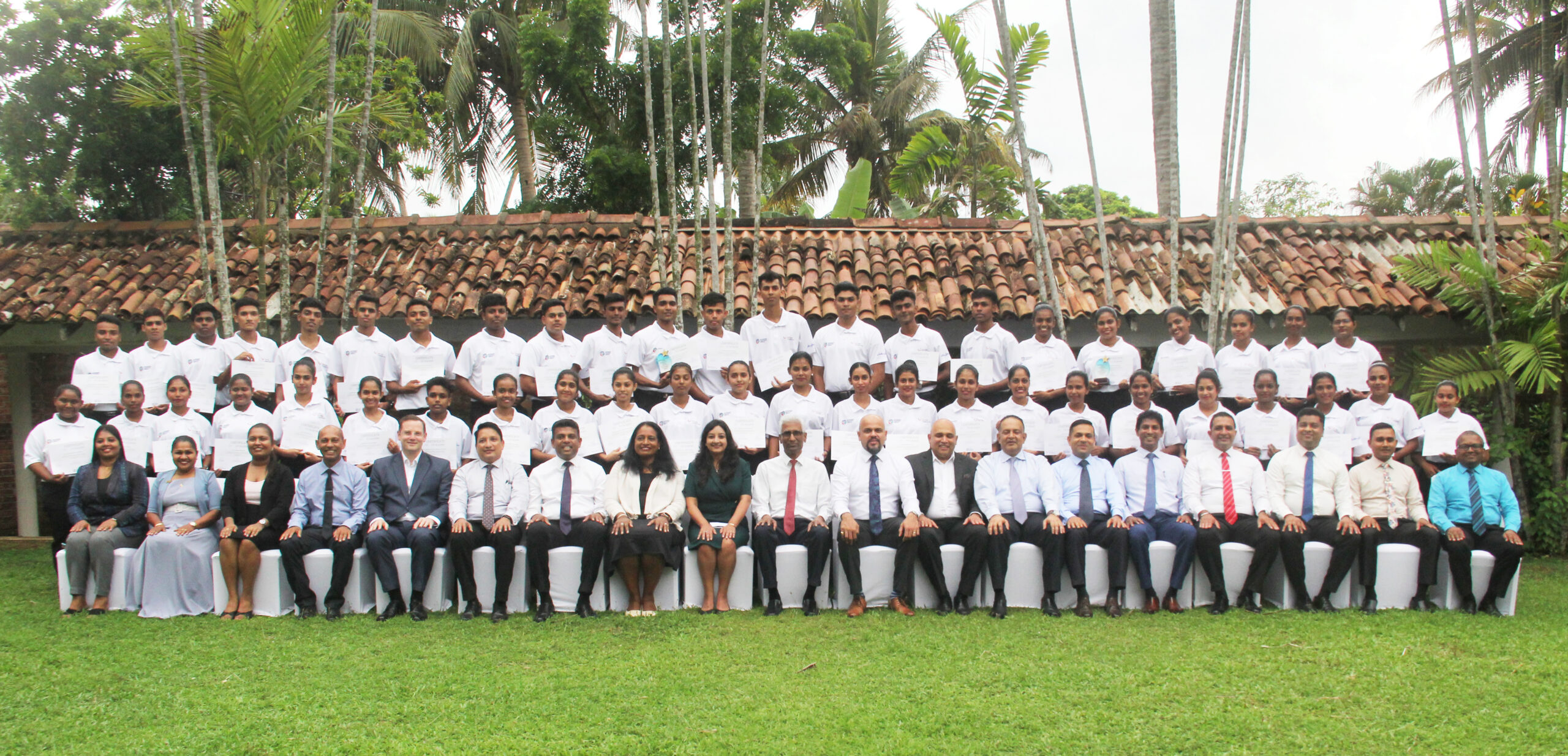
On October 17th, the picturesque coastal town of Ahungalla, Sri Lanka, became the stage for a celebration of resilience, ambition, and transformation. At the Heritance Ahungalla resort, 46 young individuals gathered not merely to receive diplomas, but to mark the culmination of a life-changing journey through the TUI Academy. This cohort, hailing from the regions of Kandalama and Ahungalla, represents the vanguard of a new generation of hospitality professionals, equipped with the technical prowess, soft skills, and newfound confidence required to navigate and succeed in the modern global workforce.
The graduation ceremony was more than a formal recognition of academic achievement; it was a testament to the power of targeted vocational training in bridging the gap between untapped potential and professional opportunity. By focusing on marginalized youth—with a deliberate and successful emphasis on empowering young women—the TUI Academy is actively reshaping the socioeconomic landscape of the tourism sector in Sri Lanka.
The Core Narrative: Transforming Potential into Performance
The TUI Academy operates on a fundamental premise: that systemic economic growth in the tourism sector is inextricably linked to the empowerment of the local youth population. The program is designed as a comprehensive "Employability Programme," moving far beyond basic vocational training to offer a holistic approach that includes mentorship, life-skills development, and direct industry exposure.
For these 46 graduates, the program provided a structured pathway out of economic uncertainty. Participants were immersed in the complexities of high-end hospitality, learning the intricacies of service delivery, guest relations, and operational management. However, the true success of the program lies in its psychological impact. Graduates reported significant increases in self-esteem and professional efficacy—traits that are often suppressed in under-resourced communities. By providing these young people with a professional identity, the TUI Academy has equipped them with the "social capital" necessary to advocate for their own careers and futures.
A Chronology of Progress: From Enrollment to Empowerment
The journey to the October 17th ceremony was a rigorous, months-long endeavor. The TUI Academy’s methodology is built on a structured timeline that ensures every student is prepared for the high-pressure environment of world-class resorts like those in Kandalama and Ahungalla.
- Phase 1: Recruitment and Selection: The program initiated an intensive outreach effort to identify youth from diverse backgrounds, specifically targeting those who had previously lacked access to formal vocational training.
- Phase 2: The Core Curriculum: Over several months, students engaged in a hybrid model of classroom-based theoretical learning and on-the-job training. The curriculum covered essential modules in front-of-house operations, housekeeping excellence, culinary arts, and service etiquette.
- Phase 3: Soft Skills and Life Coaching: Recognizing that technical skills alone do not guarantee long-term career growth, the Academy integrated extensive training in communication, problem-solving, and emotional intelligence.
- Phase 4: Mentorship Integration: Throughout the training, students were paired with industry veterans. This mentorship aspect is crucial; it provides the graduates with a professional network before they even enter the workforce, facilitating a smoother transition into permanent employment.
- Phase 5: The Graduation Milestone: The October 17th event served as the final assessment of these efforts, with the graduates presenting their skills to industry leaders, families, and community stakeholders.
Supporting Data: Why Vocational Training Matters
The success of the TUI Academy must be viewed against the backdrop of the broader economic challenges facing Sri Lanka. The tourism sector is a cornerstone of the nation’s economy, yet it has historically struggled with a disconnect between the local labor force’s skills and the requirements of luxury-tier international brands.
According to recent labor market analyses, the hospitality sector in South Asia faces a "skills mismatch" crisis. By addressing this directly, the TUI Academy is contributing to several critical developmental metrics:
- Gender Parity: A significant percentage of this graduating class are women. In many rural Sri Lankan communities, traditional gender roles often limit the professional mobility of young women. The Academy’s focus on female participation serves as a catalyst for changing these dynamics, providing women with financial independence and decision-making power within their households.
- Youth Unemployment Mitigation: With youth unemployment remaining a persistent concern, programs like the TUI Academy provide a sustainable alternative to irregular or low-wage work, effectively pulling young people into the formal economy.
- Regional Development: By sourcing students from Kandalama and Ahungalla, the Academy ensures that the benefits of the tourism industry are localized. This prevents the "brain drain" where young, talented individuals are forced to migrate to urban centers like Colombo, allowing them instead to thrive in their home regions.
Official Perspectives: The Value of Strategic Partnership
The TUI Academy is a prime example of a successful Public-Private-Non-Profit partnership. Representatives from the Sustainable Hospitality Alliance, who support these initiatives, have noted that the goal is not merely to provide training, but to create an ecosystem of long-term support.
In official statements, stakeholders have emphasized that the success of these 46 graduates is a reflection of the "triple-bottom-line" approach: people, planet, and profit. By investing in the human capital of the local community, the hospitality industry ensures a more stable, skilled, and loyal workforce.
One program mentor noted, "When you walk into a hotel, you see the infrastructure. What you don’t always see are the years of training and the personal sacrifices these graduates have made to be here. They are not just staff members; they are the future leaders of the Sri Lankan hospitality industry. Their success today is the foundation of our industry’s stability tomorrow."
The Implications: A Blueprint for Sustainable Growth
The graduation of the TUI Academy class of 2024 has profound implications for the future of tourism in Sri Lanka and beyond. The model proves that sustainable growth is not just about environmental conservation—it is about social sustainability.
Strengthening Community Resilience
When a young person gains a stable income through the hospitality sector, the ripple effect on their community is immense. It improves household nutrition, education access for younger siblings, and overall local purchasing power. The TUI Academy effectively turns these graduates into anchors for their communities.
Promoting Gender Equality as an Economic Strategy
The deliberate focus on empowering women through this program is not just a moral imperative; it is a smart economic strategy. Evidence shows that when women are empowered in the workplace, productivity increases and workplace culture improves. By breaking down barriers to entry for young women, the Academy is setting a precedent that other industries in the region are encouraged to follow.
A Scalable Model for Global Tourism
The success observed in Kandalama and Ahungalla provides a replicable blueprint. As global tourism demand fluctuates, the need for a highly adaptable, skilled, and service-oriented workforce becomes even more critical. The TUI Academy’s focus on "life skills" alongside "technical skills" ensures that these graduates are not just ready for a job, but ready for a career—capable of adapting to the rapid technological and behavioral changes within the global travel industry.
Looking Ahead: The Road for the Next Generation
As the dust settles on the graduation festivities at Heritance Ahungalla, the real work begins for the 46 graduates. They enter an industry that is currently undergoing a significant post-pandemic resurgence. The skills they have acquired will be tested in real-time, but they do so with the backing of a program that has invested heavily in their potential.
The TUI Academy continues to call for further collaboration, urging other industry leaders to adopt similar mentorship and training initiatives. The argument is clear: the future of tourism is not found in the luxury of the resorts themselves, but in the people who bring those spaces to life.
By continuing to support such initiatives, the international hospitality community is sending a powerful message: that in the face of global uncertainty, the most reliable investment is in the talent, ambition, and spirit of the next generation. The 46 graduates from Kandalama and Ahungalla are not just the pride of their hometowns; they are the architects of a more inclusive, equitable, and professional future for Sri Lankan tourism.
For those interested in witnessing the impact of these efforts, video documentation of the training and graduation highlights remains available to the public, serving as a reminder that with the right support, the possibilities for youth in the hospitality sector are truly limitless. As these 46 individuals embark on their professional careers, the industry watches with anticipation, confident that they are the changemakers who will define the next chapter of excellence in global hospitality.


 Nila Kartika Wati
 Basiran





