Basiran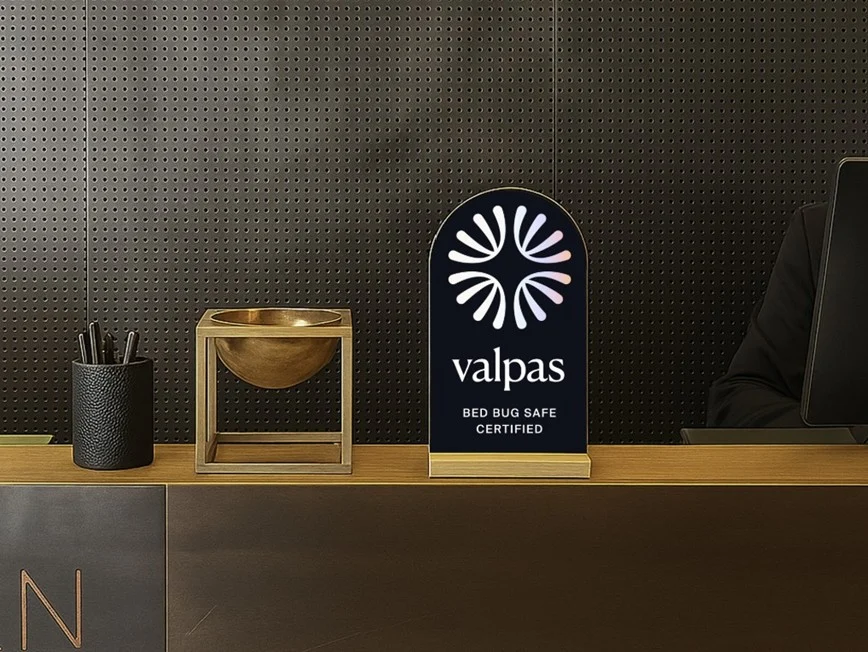
LONDON, 3rd December 2025 — In a landmark move for the global hospitality sector, the World Sustainable Hospitality Alliance (the Alliance) has officially welcomed Valpas, the technology company spearheading a new global standard for bed bug-safe, pesticide-free hotel stays, into its network of industry leaders. This strategic partnership signals a shift in how the hotel industry approaches the intersection of guest wellness, environmental responsibility, and technological innovation.
As the global travel sector continues to recover and expand, the scrutiny on hygiene and sustainability has intensified. By integrating Valpas into its ranks, the Alliance is reinforcing its mission to drive a "Net Positive" hospitality industry—one that contributes more to the world than it extracts.
The Core Mandate: Merging Wellness with Sustainability
For decades, the hospitality industry has grappled with the invisible challenge of bed bugs. Traditionally, this issue has been managed through reactive, often chemical-heavy interventions. Valpas, however, has disrupted this cycle by introducing a proactive, tech-enabled solution.
By utilizing advanced, in-room trapping technology, Valpas provides hotels with a digital proof of safety. This ensures that every room remains free from bed bugs without the need for toxic pesticides, which are not only harmful to guest health but also detrimental to local ecosystems and biodiversity. With over 300 certified hotels across more than 70 destinations, the company is proving that high-end hospitality does not require a trade-off between cleanliness and environmental stewardship.
A Chronology of Innovation and Collaboration
The inclusion of Valpas into the Alliance’s ecosystem is the culmination of years of technological development and a growing industry demand for verifiable sustainability metrics.
- Early Development: Valpas identified the massive gap in the market regarding guest safety and the reliance on harsh chemicals in housekeeping protocols. The company developed its proprietary "smart" furniture and sensing technology to monitor and prevent infestations before they become a guest-facing issue.
- The Growth Phase: Over the last three years, Valpas scaled rapidly, securing partnerships with prestigious boutique hotels and large-scale chains, effectively setting a new "Certified Safe" standard in the industry.
- The Alliance Alignment: Recognizing the synergy between Valpas’s mission and the Alliance’s Net Positive roadmap, the two organizations entered discussions in early 2025 to bridge the gap between technology-led safety and global sustainability standards.
- December 2025: The official announcement of the partnership, marking the formal integration of Valpas’s standards into the broader Alliance framework.
Supporting Data: Why the Industry is Shifting
The necessity of this partnership is underscored by significant shifts in consumer behavior and operational requirements. Modern travelers are increasingly "conscious consumers," prioritizing brands that can provide transparent, verifiable data about their safety and environmental practices.
The Pesticide Problem
Data indicates that traditional pesticide usage in hotels has long-term implications for indoor air quality and chemical runoff. By removing the need for these substances, hotels can significantly reduce their toxic footprint.
The Scale of the Alliance
The World Sustainable Hospitality Alliance represents a colossal force in the travel industry. Its member network includes:
- Over 66,000 hotels globally.
- More than 8 million guest rooms.
- 300+ leading brands, including industry titans such as Hilton, Marriott, and IHG.
By embedding Valpas’s technology within this network, the potential to scale pesticide-free, bed bug-safe travel is immense. If a fraction of these 8 million rooms adopts the Valpas certification, it will represent the largest single reduction in hotel-based pesticide usage in history.
Official Responses: A Vision for the Future
The collaboration has been met with enthusiasm from the leadership of both organizations, highlighting the strategic importance of the move.
Glenn Mandziuk, President & CEO of the World Sustainable Hospitality Alliance, commented:
"We are delighted to welcome Valpas to the Alliance. Their innovative approach to creating safe, pesticide-free stays brings a powerful new dimension to hospitality sustainability. By tackling an often overlooked issue in guest wellbeing and environmental health, Valpas exemplifies how technology and purpose can combine to create lasting positive impact for both people and the planet."
Martim Gois, Co-founder & CEO of Valpas, added:
"We are delighted to join the Alliance. The hotel leaders in this community are already redefining what modern hospitality stands for by moving beyond outdated assumptions and taking action where others still hesitate. By choosing Valpas, the Alliance and its members send a clear signal about the present and future of 5-star hospitality: a standard that no longer plays with avoidable risks, makes no toxic compromises, and extends guest care beyond the stay itself by ensuring they take nothing unwanted home."
Implications: The New Era of Hospitality
The partnership between the Alliance and Valpas carries profound implications for the future of the travel industry.
1. Standardizing Guest Safety
By establishing a verifiable "bed bug-safe" certification, the industry is moving toward a more transparent relationship with the consumer. In the age of social media and rapid online reviews, "peace of mind" has become a luxury commodity. Hotels that can prove their safety standards through digital technology are likely to gain a significant competitive advantage.
2. Operational Efficiency and Asset Protection
Beyond the marketing benefits, the Valpas model is inherently protective of hotel assets. Early detection of pests prevents the massive costs associated with room closures, chemical fumigation, and the reputational damage that follows a pest incident. This aligns perfectly with the Alliance’s goal of making the hospitality sector more resilient and economically sustainable.
3. A Shift Toward "Net Positive" Hospitality
The Alliance’s core vision is for the industry to give back more than it takes. By eliminating chemical pesticides, hotels protect the local water supply and indoor environments, contributing to the health of the communities they serve. This is a practical, actionable step toward the Alliance’s broader environmental goals.
4. Integration into OTAs and Booking Platforms
As these certifications become more common, there is an expectation that they will eventually be integrated into Online Travel Agencies (OTAs). This would allow travelers to filter for "Pesticide-Free" or "Certified Safe" hotels at the point of booking, creating a market-driven incentive for hotels to adopt sustainable safety practices.
Conclusion: A Collaborative Path Forward
The partnership between the World Sustainable Hospitality Alliance and Valpas is more than a simple corporate collaboration; it is a signal that the hospitality industry is maturing. The era of "hidden" operational risks and excessive chemical usage is being replaced by a culture of transparency, technology, and intentionality.
As the industry looks toward 2026 and beyond, the focus will remain on how these organizations can continue to scale these solutions. With the backing of the Alliance’s massive reach and Valpas’s proven technological edge, the goal of a globally standardized, safe, and sustainable hospitality sector is no longer an aspiration—it is becoming an operational reality.
For those interested in the future of sustainable travel, the message from London is clear: the most luxurious stay is one that is safe for the guest, safe for the staff, and kind to the planet.
For further information on the World Sustainable Hospitality Alliance and to view their ongoing initiatives, visit sustainablehospitalityalliance.org.


 Nila Kartika Wati