
 Raul Delapena Setiawan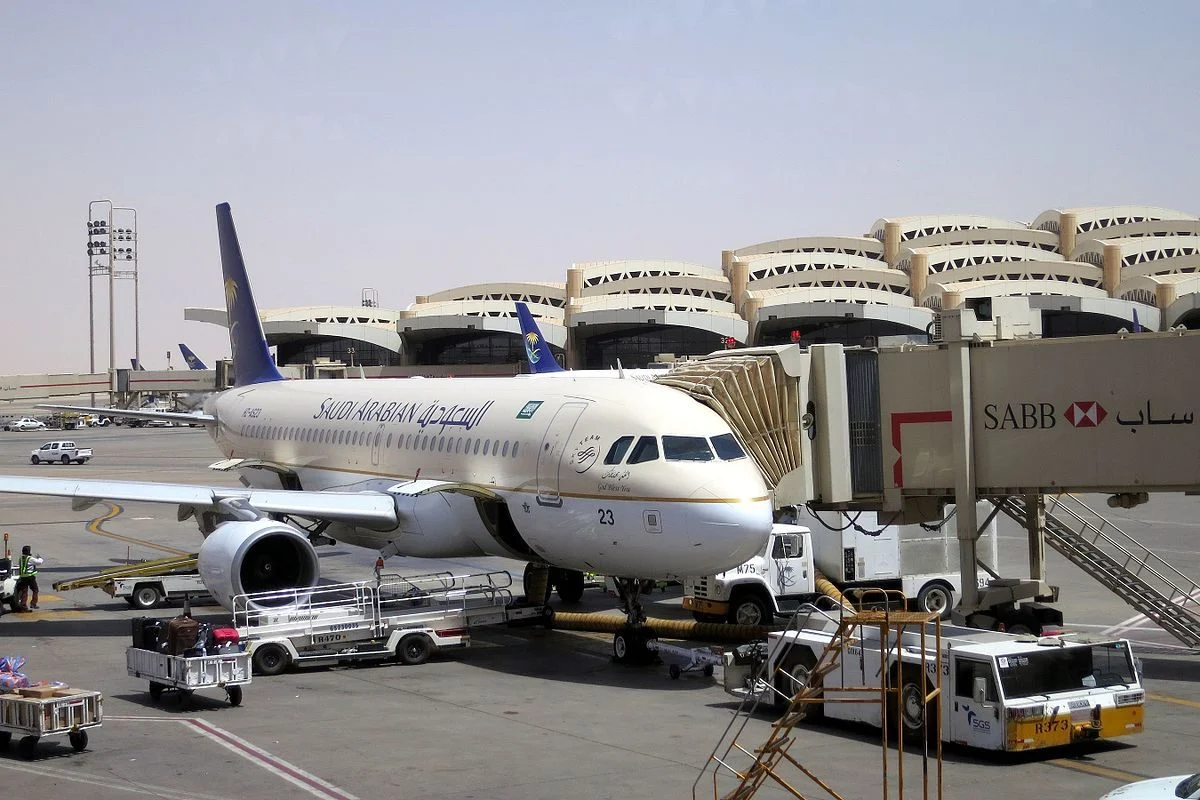
Riyadh, Saudi Arabia – A surge in Iran-aligned Houthi rebel attacks on Saudi Arabian airports on Thursday led to widespread flight disruptions, severely impacting the kingdom’s air travel infrastructure and raising profound concerns about regional stability. More than a quarter of all flights departing Saudi Arabia were either canceled or failed to fly, according to aviation analytics firm Cirium, as the Houthis escalated their campaign against critical civilian targets. The dramatic disruption followed a series of missile and drone assaults that had already claimed lives and caused significant damage in the preceding days.
The latest wave of aggression underscores the volatile nature of the conflict in Yemen and its persistent spillover into Saudi territory, challenging the kingdom’s security apparatus and jeopardizing its ambitious economic diversification plans. The attacks not only ground commercial aviation to a halt for thousands of passengers but also highlighted the evolving threat posed by asymmetric warfare to modern nation-states.
Escalating Tensions Cripple Saudi Air Travel
Thursday, April 7th, 2022, marked a critical turning point in the ongoing cross-border conflict, as Houthi military capabilities demonstrated an alarming capacity to disrupt daily life and economic activity within Saudi Arabia. The widespread flight cancellations served as a stark, tangible manifestation of the conflict’s expansion.
A Day of Unprecedented Disruption
The figures released by Cirium painted a grim picture: out of 1,194 scheduled departures from Saudi airports on Thursday, a staggering 312 were either canceled outright or recorded as "did not fly." This translates to over 26% of the kingdom’s entire daily flight schedule being compromised, a level of disruption rarely seen outside of extreme weather events or major industrial actions. The impact was particularly acute at King Khalid International Airport (RUH) in Riyadh, the nation’s bustling capital and a crucial regional aviation hub. By 6 p.m. local time, nearly half of all scheduled departures from Riyadh had been canceled or delayed indefinitely, causing immense inconvenience and economic losses.
Passengers found themselves stranded, with travel plans shattered and a sense of unease permeating airport terminals. Airlines faced significant operational challenges, including rerouting aircraft, managing passenger rebookings, and contending with the financial implications of grounded flights. The ripple effect extended beyond Saudi borders, impacting international connections and global air traffic networks that rely on the kingdom’s strategic location.
The Human Cost and Infrastructure Under Fire
The aviation disruptions on Thursday were not isolated incidents but the culmination of a week of intensified Houthi assaults. Just two days prior, on Tuesday and Wednesday, the rebels had launched a barrage of attacks targeting multiple locations, including Abha International Airport (AHB) in the southern region of Asir and King Khalid International Airport in Riyadh. These earlier assaults, reportedly involving a combination of ballistic missiles and armed drones, tragically resulted in three fatalities and left 36 people injured, according to statements from Saudi Arabia’s General Authority of Civil Aviation (GACA).
The targeting of civilian infrastructure, particularly airports that serve millions of travelers annually, represents a dangerous escalation. Such attacks not only aim to inflict casualties and material damage but also to sow fear, undermine public confidence, and exert psychological pressure on the Saudi government. The use of sophisticated weaponry, including ballistic missiles capable of reaching Riyadh, underscores the evolving capabilities of the Houthi movement and the persistent security challenge it poses to the kingdom.
Chronology of Attacks and Retaliation
The recent surge in Houthi aggression is part of a protracted pattern of cross-border attacks that have defined the latter stages of the Yemen conflict. However, the intensity and reach of the latest strikes signal a troubling new phase.
A Week of Targeted Strikes
The current escalation began with a series of coordinated attacks earlier in the week. On Tuesday, reports emerged of drone and missile strikes primarily focused on Abha International Airport, a frequent target due to its proximity to the Yemeni border. While Saudi air defenses have often intercepted incoming projectiles, the sheer volume or precision of some attacks has occasionally overwhelmed defenses, leading to casualties and damage. The targeting of civilian areas around the airport has drawn widespread international condemnation.
By Wednesday, the attacks had broadened in scope, with Riyadh’s King Khalid International Airport reportedly coming under direct assault. The Saudi General Authority of Civil Aviation confirmed casualties and damage from these earlier strikes, without providing exhaustive details on the nature of the weapons used. However, the Houthi movement swiftly claimed responsibility, boasting of their capacity to strike deep within Saudi territory.
Houthi Assertions and Saudi Denials/Confirmations
Houthi spokesperson Yahya Sareea took to social media platform X (formerly Twitter) on Thursday to claim credit for a ballistic missile strike on Riyadh’s King Khalid Airport. Sareea asserted that the missile had caused "damage and disrupting air traffic at the airport," a claim largely substantiated by Cirium’s subsequent data on flight disruptions. The Houthi narrative consistently frames these attacks as retaliatory measures against the Saudi-led coalition’s military operations in Yemen, portraying them as a legitimate response to what they describe as an ongoing blockade and humanitarian crisis.
Saudi officials, while confirming the attacks and their impact, have often been more reserved in detailing the specifics of intercepted projectiles or the full extent of damage, likely to avoid providing intelligence to the perpetrators or fueling panic. However, the General Authority of Civil Aviation’s acknowledgement of casualties and disruptions speaks to the severity of the incidents. The Saudi government typically condemns these actions as "terrorist attacks" targeting civilian infrastructure and in violation of international law.
Historical Context of Houthi Aggression
The Houthi movement, officially known as Ansar Allah, has a long history of launching cross-border attacks into Saudi Arabia since the Saudi-led coalition intervened in Yemen in March 2015. Initially, these attacks involved rudimentary rockets and mortars, primarily targeting border towns. However, over the years, with alleged assistance from Iran, the Houthis have significantly enhanced their arsenal, acquiring and developing a range of sophisticated drones and ballistic missiles.
Notable past incidents include:
- 2019 Attacks on Abha Airport: Frequent drone and missile strikes on Abha, causing injuries and minor damage, but signaling an increased threat.
- 2019 Abqaiq-Khurais Attacks: The most significant and impactful attacks occurred in September 2019, when drones and cruise missiles struck Saudi Aramco’s oil processing facilities at Abqaiq and Khurais, temporarily halving the kingdom’s oil production. While the Houthis claimed responsibility, the sophistication of these attacks led many international observers, including the U.S., to attribute them directly to Iran.
- Ongoing Missile and Drone Barrages: Throughout 2020 and 2021, Riyadh, Jeddah, and other Saudi cities have periodically been targeted by Houthi missiles and drones, often intercepted by Saudi air defense systems, including U.S.-supplied Patriot missile batteries. These attacks frequently target critical infrastructure, including oil facilities and airports.
This historical pattern demonstrates a clear escalation in the Houthis’ capabilities and their willingness to target the Saudi interior, underscoring a persistent and evolving security challenge that the kingdom faces.
Supporting Data and Aviation Impact Analysis
The detailed data provided by Cirium offers a crucial quantitative measure of the disruption, but the broader implications for the aviation sector and the Saudi economy are far-reaching.
Cirium’s Stark Findings
The fact that 312 out of 1,194 scheduled flights were disrupted represents a significant operational blow. For King Khalid International Airport, with nearly half of its departures affected, the impact was catastrophic for daily operations. In a typical, stable environment, airports might experience minor disruptions due due to weather, technical issues, or air traffic control restrictions, but never on this scale for security reasons. Such a high percentage of cancellations signals a systemic disruption that goes beyond routine operational challenges. It suggests either direct damage to airport infrastructure, a severe security alert prompting a shutdown, or a combination of both. The sheer volume of cancellations points to an urgent and critical response from aviation authorities to ensure passenger and aircraft safety.
Economic Repercussions for Air Travel
The economic fallout from these disruptions is substantial. Airlines incur direct costs from canceled flights, including fuel wasted, crew salaries for grounded personnel, and the administrative burden of rebooking passengers. Lost revenue from ticket sales is also significant. For passengers, the costs include missed connections, additional accommodation expenses, lost wages, and the intangible cost of stress and uncertainty. Cargo operations, vital for global supply chains, would also have been severely affected, leading to delays in goods delivery and potential financial penalties for businesses.
Beyond the immediate impact, such events can erode traveler confidence, particularly for business travelers and tourists. Saudi Arabia has ambitious plans to boost tourism as part of its Vision 2030, aiming to attract 100 million visitors annually by 2030. Frequent security incidents targeting airports could deter foreign investment in the tourism sector and make the kingdom a less attractive destination, directly undermining these strategic goals.
Global Aviation Security Implications
The attacks also carry broader implications for global aviation security. When a major international airport like Riyadh’s King Khalid, serving as a hub for both regional and international travel, is repeatedly targeted, it raises questions about the resilience of air defense systems and airport security protocols. Airlines operating to and from Saudi Arabia may re-evaluate their risk assessments, potentially leading to increased insurance premiums, revised flight paths to avoid perceived danger zones, or even temporary suspensions of service.
The proliferation of relatively inexpensive yet highly effective drone and missile technology, particularly in the hands of non-state actors, presents a growing challenge to conventional airport security. This forces a re-evaluation of defense strategies, requiring investments in advanced anti-drone and anti-missile systems, as well as enhanced intelligence gathering to preempt such attacks. The international aviation community, including organizations like ICAO (International Civil Aviation Organization), watches these developments closely, as they could set precedents for similar threats in other volatile regions.
Official Responses and International Reactions
The attacks elicited strong reactions from all parties involved, reflecting the deep divisions and high stakes of the ongoing conflict.
Saudi Arabia’s Firm Stance
The Saudi government responded with firm condemnation, labeling the attacks as acts of terrorism. The General Authority of Civil Aviation emphasized the kingdom’s commitment to ensuring the safety and security of its airports and air traffic. While specific details of retaliatory actions are often kept under wraps, Saudi Arabia consistently reaffirms its right to defend its territory and citizens. This typically involves intensifying air strikes against Houthi targets within Yemen, focusing on missile launch sites, drone assembly facilities, and military strongholds.
Furthermore, these incidents prompt a renewed focus on bolstering Saudi Arabia’s air defense capabilities. The kingdom has heavily invested in advanced missile defense systems, primarily from the United States, but the persistent success of Houthi attacks in penetrating these defenses, even partially, indicates a need for continuous adaptation and improvement in anti-drone and ballistic missile interception technologies. The narrative from Riyadh consistently highlights the humanitarian suffering in Yemen, attributing it to Houthi intransigence and actions, while maintaining that its military operations are aimed at restoring the legitimate government and protecting Saudi borders.
Houthi Justifications and Objectives
The Houthi movement, through its spokesperson Yahya Sareea and other channels, consistently justifies its attacks on Saudi territory as legitimate responses to the Saudi-led coalition’s military intervention and the ongoing blockade of Yemen. They frame their actions as a defense of Yemeni sovereignty and a means to pressure Riyadh into lifting restrictions on humanitarian aid and commercial goods entering Yemen, and ultimately, to withdraw from the conflict.
The objectives behind these attacks are multifaceted:
- Demonstrate Capability: To show that they possess the military means to strike deep inside Saudi Arabia, undermining the kingdom’s sense of security.
- Pressure and Deterrence: To inflict economic and psychological costs on Saudi Arabia, hoping to force concessions in peace negotiations or a reduction in coalition military activities.
- Propaganda: To rally support domestically and internationally, portraying themselves as a formidable resistance force.
- Retaliation: To respond directly to Saudi-led coalition airstrikes within Yemen.
The Houthis repeatedly call for an end to the "aggression" and "siege" on Yemen as preconditions for any lasting peace, making their cross-border attacks a central component of their negotiating strategy.
International Community’s Condemnation
The international community generally condemned the Houthi attacks, particularly those targeting civilian infrastructure and causing casualties. The United Nations has consistently called for an end to all hostilities and urged all parties to abide by international humanitarian law. U.S. officials, while reiterating support for Saudi Arabia’s defense, have also pressed for de-escalation and a political resolution to the Yemen conflict, which they view as a critical component of regional stability.
European nations, alongside other regional powers, have echoed calls for restraint and dialogue. There is a broad international consensus that the Yemen conflict, now one of the world’s worst humanitarian crises, requires a comprehensive political solution, and that cross-border attacks only serve to prolong suffering and destabilize an already fragile region. However, concrete actions to deter such attacks or enforce a ceasefire often remain elusive, highlighting the complexities of international diplomacy in proxy conflicts.
Broader Implications for Regional Stability and the Yemen Conflict
The Houthi attacks on Saudi airports are more than isolated incidents; they are symptomatic of deeper geopolitical currents and have significant ramifications for the wider Middle East.
Geopolitical Ramifications
These attacks are inextricably linked to the broader regional rivalry between Saudi Arabia and Iran. While Iran denies directly arming the Houthis, Western intelligence agencies and the UN have presented evidence of Iranian components in Houthi weaponry, suggesting a significant level of support. This proxy warfare dynamic means that every Houthi strike on Saudi Arabia is often viewed through the lens of the Iran-Saudi power struggle, complicating efforts for de-escalation and peace.
The incidents also impact regional security architecture, particularly as Gulf states seek to diversify their alliances and capabilities. The repeated demonstrations of Houthi missile and drone power raise questions about the efficacy of existing defense frameworks and could spur further military procurements and security cooperation among Gulf Cooperation Council (GCC) members.
Impact on the Yemen Peace Process
The intensification of Houthi attacks directly undermines efforts to achieve a lasting peace in Yemen. While UN-led peace initiatives have sought ceasefires and political dialogue, the Houthis’ continued cross-border assaults demonstrate their reluctance to cede leverage without significant concessions. Such attacks make it difficult for Saudi Arabia to engage in meaningful negotiations, as they are seen as acts of aggression rather than gestures of good faith.
The humanitarian crisis in Yemen, which has left millions on the brink of famine and devastated the country’s infrastructure, remains the tragic backdrop to these military escalations. The international community consistently emphasizes that only a political solution can alleviate the suffering, yet each attack pushes the prospects of such a solution further away. The Houthi strategy appears to be one of increasing pressure to force a favorable outcome at the negotiating table, rather than seeking immediate de-escalation.
Future Security Challenges
The nature of the Houthi threat presents significant future security challenges for Saudi Arabia. The use of asymmetric tactics – drones and ballistic missiles – against a conventionally superior military forces a rethink of defense strategies. Protecting vast stretches of border and critical infrastructure from relatively low-cost, high-impact attacks requires constant innovation and adaptation. This includes not only advanced interception systems but also enhanced intelligence gathering, early warning capabilities, and potentially pre-emptive strikes against launch sites.
The attacks also highlight the vulnerability of modern civilian infrastructure, from airports to oil facilities, to sophisticated drone and missile technology. This global trend poses a challenge to nations worldwide, demonstrating that even advanced economies are not immune to such threats from non-state actors.
Economic Diversification and Vision 2030
Saudi Arabia’s ambitious Vision 2030 plan, spearheaded by Crown Prince Mohammed bin Salman, aims to transform the kingdom’s economy away from its reliance on oil, focusing instead on sectors like tourism, entertainment, and technology. The repeated targeting of airports and other civilian infrastructure directly threatens the success of these initiatives. Foreign investors and tourists are naturally deterred by persistent security threats, impacting confidence and hindering the inflow of capital and visitors crucial for diversification.
The perception of instability can also affect credit ratings and the overall business environment. For Vision 2030 to succeed, Saudi Arabia needs a secure and predictable environment. The ongoing Houthi attacks represent a significant impediment to achieving this stability, forcing the kingdom to divert resources towards defense and security that could otherwise be invested in economic development.
In conclusion, the widespread flight disruptions triggered by Houthi attacks on Saudi airports represent a grave escalation in the Yemen conflict, with far-reaching consequences. Beyond the immediate inconvenience and economic cost, these incidents underscore the fragility of regional stability, the enduring human cost of proxy conflicts, and the evolving nature of modern warfare. As both sides remain entrenched in their positions, the path to de-escalation and a lasting peace appears increasingly fraught, leaving the region on edge and its vital infrastructure under constant threat.


 Sagoh
Sagoh
 Rifan Muazin



