
 Nana Wu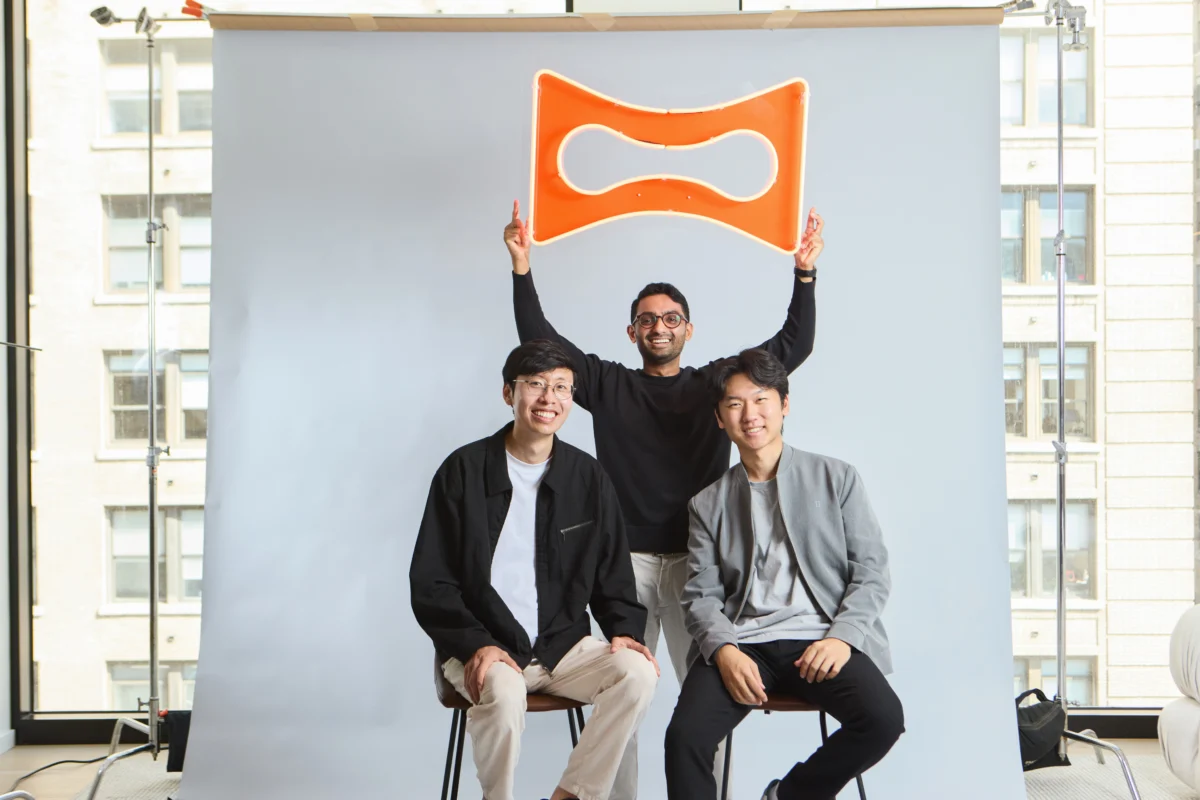
In an era where generative AI is rapidly reshaping the landscape of digital advertising, New York-based startup Melius has emerged as a significant contender. The company, which specializes in an AI-powered platform for generating high-quality ad campaigns, imagery, and video content, announced on Tuesday that it has successfully raised $25 million in funding. The capital injection includes a $20 million Series A round led by CRV, complemented by a $5 million seed round spearheaded by General Catalyst.
For a startup that only emerged from stealth mode in July, the achievement is notable. Melius reports that it has already surpassed $1 million in annualized revenue within just two months of its public debut. Yet, the story behind this rapid ascent is not one of immediate, effortless success, but rather a testament to the power of the "strategic pivot"—a narrative of burning down a product to build a more resilient future.
The Genesis: A Tale of Three Engineers
The story of Melius begins in the halls of Ramp, the high-flying corporate spending and finance software unicorn. Co-founders Joowon Kim, Young Kim, and Arnav Ramu were working as engineers at the fintech firm, where they honed their technical prowess and observed the complexities of business operations.
When the trio first launched Melius over a year ago, their initial vision was vastly different from the platform that exists today. They set out to build a performance marketing tool—a product designed to help marketers manage, track, and optimize their ad spending. It was a logical progression for engineers with a background in corporate finance software, but it lacked the creative spark that would eventually define the company’s identity.
The Great Reset: Why the Original Idea Failed
Six months into development, the co-founders faced a harsh reality: their initial product lacked the necessary "legs" to compete in a saturated market. The feedback from the market was clear—managing ad spend was a commodity; generating the creative assets that actually drive engagement was where the true, untapped value lay.
In a bold move that defines the startup’s culture, the team made a drastic decision. "We scrapped the entire codebase; we burned all of it," co-founder Joowon Kim revealed in an interview. By abandoning their initial investment of time and labor, the team cleared the slate to focus on a new mission: creating an "agents lab for creative work." This radical pivot allowed them to focus on the intersection of generative AI and high-end marketing, a sector currently undergoing a tectonic shift.
A Competitive Landscape: The "Arms Race" for Creative AI
Melius is entering a crowded arena. As brands increasingly look to scale content production without ballooning their agency budgets, the demand for AI-driven creative tools has skyrocketed.
Key Industry Players
- Higgsfield: A titan in the space, this three-year-old startup has seen meteoric growth. Valued at $5.4 billion as of August, Higgsfield has hit over $700 million in annualized revenue, setting a daunting benchmark for newer entrants.
- Niche Innovators: Companies like Krea and Flora AI are also carving out spaces, focusing on specific workflows such as high-fidelity image generation or automated video editing.
Despite the formidable competition, the sentiment at Melius remains one of calculated optimism. When asked about the dominance of players like Higgsfield, Joowon Kim was unfazed. "There are a lot of players, which is pretty exciting," he noted. "That means there are customers to be won and there is demand in this space." Kim argues that the total addressable market is vast enough to accommodate multiple winners, provided they can offer distinct value propositions in an increasingly automated creative ecosystem.
From Childhood Dreams to AI Reality
The motivation behind Melius is perhaps most personal for Joowon Kim, who describes himself as a social media influencer. His interest in digital media is not a newfound professional endeavor but a lifelong passion that dates back to his elementary school years.
"I tried my best to make vlogs," Kim recounted, reminiscing about his early attempts at content creation. "My dad was great at using FinalCut Pro, but I wasn’t." That childhood struggle with the technical barriers of video editing left an indelible mark on his professional philosophy.
Kim’s journey from a frustrated young creator to the CEO of an AI powerhouse reflects a broader trend in the tech industry: the "democratization of creation." Melius is designed as the tool Kim always wished he had—a platform where anyone, from a casual hobbyist to a seasoned creative director, can translate complex ideas into polished visual assets using nothing more than natural, plain-language prompts.
Implications for the Marketing Industry
The success of Melius and its peers carries significant implications for the future of marketing and digital advertising.
The Shift Toward "Agentic" Marketing
The industry is moving away from manual asset generation toward "agentic" workflows. In these models, AI does not just assist in editing; it serves as a creative partner that understands brand guidelines, audience demographics, and performance metrics. Melius’s positioning as an "agents lab" suggests that the future of advertising lies in autonomous workflows where the AI suggests, drafts, and iterates on creative campaigns in real-time.
The Economic Impact
For agencies, this shift is a double-edged sword. While it provides the opportunity to produce more content at a fraction of the cost, it also threatens the traditional billing models of creative agencies. If a client can generate high-quality video ads in seconds via a platform like Melius, the value of traditional production hours diminishes significantly.
Investors like CRV and General Catalyst are clearly betting that Melius’s approach to these workflows will make it an indispensable piece of the modern marketing tech stack. By focusing on the creation of assets rather than just the management of budgets, Melius is positioning itself closer to the heart of the revenue-generating process.
Looking Ahead: The Path Forward
With $25 million in the bank, the path for Melius is clear: aggressive scaling and product refinement. The startup must now prove that its "agents lab" can consistently produce content that outperforms human-only creative work, not just in speed, but in conversion and brand alignment.
As the company transitions from its post-stealth phase into a growth-focused entity, the leadership team faces the challenge of scaling operations while maintaining the agility that allowed them to pivot so effectively in their early days. The founders—Joowon, Young, and Arnav—have demonstrated a rare willingness to kill their own ideas in favor of better ones. Whether that intellectual flexibility will translate into long-term market dominance remains the multi-million dollar question.
For now, the story of Melius serves as a reminder of the volatility and potential of the generative AI boom. It is a sector where codebases are rewritten in weeks, valuations fluctuate in months, and the barrier to entry is lowered by the day. As the company continues to build, the tech world will be watching to see if this "agents lab" can truly turn the vision of effortless creative production into an everyday reality for marketers worldwide.
Disclaimer: When you purchase through links in our articles, we may earn a small commission. This doesn’t affect our editorial independence.
About the Author
Marina Temkin is a venture capital and startups reporter at TechCrunch. Prior to joining TechCrunch, she wrote about VC for PitchBook and Venture Capital Journal. Earlier in her career, Marina was a financial analyst and earned a CFA charterholder designation.


 Siti Muinah
 Reynand Wu





