 Basiran
The backbone of the hospitality industry—housekeeping—is currently undergoing its most significant transformation since the inception of the modern hotel. For decades, the department was defined by paper checklists, walkie-talkie chatter, and manual coordination. Today, that analog model is rapidly being dismantled in favor of intelligent, AI-driven property management systems (PMSs) that turn housekeeping into a streamlined, data-backed engine of guest satisfaction.
As hotels face increasing pressure to balance labor shortages with rising guest expectations, the adoption of automated housekeeping management tools has transitioned from a luxury to a operational imperative. By centralizing data and automating the flow of information, these systems are not merely organizing shifts; they are redefining the standard of the guest experience.
The Evolution of Housekeeping: From Paper Lists to Predictive AI
To understand the current state of hotel operations, one must look at the trajectory of the technology itself. According to Luka Berger, founder and CEO of Flexkeeping—a leader in automated housekeeping software recently acquired by Mews—the transformation has occurred in two distinct waves.
"Basic room status tracking has existed since the earliest PMS deployments in the 1980s," Berger notes. "But for most of that time, ‘housekeeping tools’ meant little more than printable room lists. As cloud-based systems and mobile technology became mainstream, real-time housekeeping functionality started becoming an expected part of modern hotel operations."
The first wave of evolution was the migration from static, paper-based workflows to digital task management. This shift allowed for the digitization of room assignments and the ability to track cleanings in real time. However, the industry is currently in the midst of a more profound second wave: the integration of Artificial Intelligence and deep automation.
Modern systems no longer just report that a room is "dirty" or "clean." They now generate cleaning plans, optimize shift schedules based on real-time occupancy, and facilitate instant communication between departments. The goal has shifted from simple visibility to high-level operational efficiency, where AI-driven workflows reduce administrative overhead and allow managers to focus on the human element of service.
Supporting Data: The ROI of Automation
The benefits of these technological advancements are not merely theoretical; they are quantifiable. Industry reports indicate that hotels integrating sophisticated housekeeping suites are seeing drastic improvements in both productivity and morale.
Mews, which integrated Flexkeeping into its operating system last year, reports that the platform has helped hotel teams increase productivity by 40 percent. More importantly, the technology has led to a 45 percent reduction in guest complaints—a metric that directly impacts revenue and brand reputation.
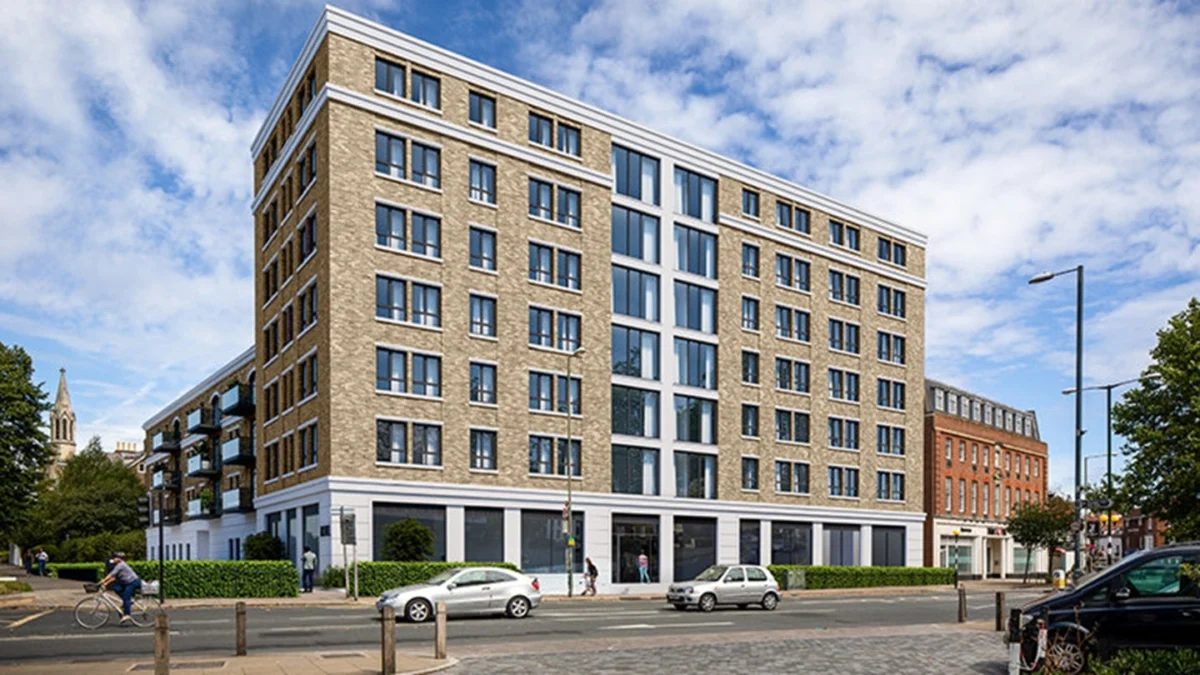
A compelling case study can be found in the performance of Capilon Hotels. After deploying Flexkeeping across their four boutique properties in London, the group moved entirely away from paper-based systems. The results were stark:
- Productivity: A 67 percent improvement in output.
- Time Savings: 114 hours of administrative time saved per month.
- Financial Performance: A 343 percent return on investment (ROI).
These figures demonstrate that when staff members are equipped with mobile tools that provide instant, clear task lists and real-time communication, the "friction" of hotel operations—such as lost time waiting for room status updates or maintenance requests—is virtually eliminated.
Intuitive Design: The Key to Staff Adoption
Technology in the hospitality sector often fails not because the software is weak, but because it is too complex for the frontline workforce to adopt. Berger, who began his career in the housekeeping trenches, emphasizes that the success of any platform hinges on its "user-friendliness."
"Technology should support teams in working faster and more effectively, never creating friction," Berger says. "Whether someone is managing operations or cleaning rooms, the platform should feel natural to use."
A major barrier in global hospitality is the language gap. Many housekeeping teams are multilingual, and traditional, complex interfaces can alienate staff. Flexkeeping has addressed this by integrating an AI assistant that allows staff to dictate tasks in their native language, which the system then automatically translates into the recipient’s language. This innovation not only streamlines operations but also fosters a more inclusive workplace, allowing staff from diverse backgrounds to integrate and perform seamlessly from day one.

The Future: Moving from Reactive to Predictive
If the current state of housekeeping is about real-time coordination, the future is about prediction. The industry is moving toward a model where AI, rather than a manager, determines the needs of the hotel before a problem even manifests.
"The biggest opportunity is predictive, not reactive," explains Berger. "The next step is looking at individual guest stays, occupancy patterns, maintenance history, and guest behavior to get ahead of problems."
Imagine a system that flags a room for a "deep clean" not because it is on a schedule, but because the guest’s profile and stay length suggest it is required. Or, a system that identifies a potential maintenance issue—such as a slow-draining pipe—by analyzing historical data across similar rooms before it results in a guest complaint.
When these housekeeping insights are connected to the broader hotel operating system—linking cleaning data to revenue management and guest satisfaction metrics—hotels will be able to make holistic operational decisions that were previously impossible.
Beyond the Room: Apparel and Operational Logistics
While housekeeping software manages the digital flow of tasks, other aspects of the "back of house" are also seeing a shift toward high-tech automation. The professional appearance of staff is a critical, yet often overlooked, component of the guest experience. Managing uniforms for a large staff is a notorious logistical headache.
To address this, hotels are increasingly adopting automated garment-dispensing solutions, such as those offered by Cintas. These systems utilize secure, card-reader-enabled dispensers that allow employees to access and return uniforms without manual oversight.
"Properties utilizing the solution are realizing lean operational improvements, improved garment accountability, and higher employee satisfaction," says Shane Bartholomew, hospitality and gaming sales director at Cintas.
The move toward "self-service" for employees mirrors the broader trend in the industry: removing the administrative burden from managers so they can focus on the guest. Many properties have found these systems to be cost-neutral when compared to traditional uniform rental programs, offering a rare "win-win" of increased efficiency and improved employee experience.
Implications for the Modern Hotelier
The integration of AI and automation into housekeeping is fundamentally changing the hotel hierarchy. As these platforms take over the manual labor of scheduling and coordination, the role of the housekeeping manager is evolving into that of a data-driven operations lead.
However, the human element remains paramount. The ultimate goal of all this technology is to free up time so that staff can focus on the guest. When housekeepers spend less time filling out paperwork and searching for supplies, they spend more time ensuring the guest’s room is perfect.
The implications for the industry are clear:
- Labor Sustainability: In an era of staffing shortages, technology makes the existing workforce more efficient, reducing the need for massive headcount increases.
- Service Consistency: Automation ensures that every room meets a specific standard, regardless of which staff member cleans it.
- Revenue Growth: By reducing guest complaints and maintenance downtime, hotels can protect their ADR (Average Daily Rate) and improve guest loyalty.
As we look toward 2027 and beyond, the hotels that win will be those that view their operating system as a living organism—one where every room status update, maintenance request, and staff interaction contributes to a smarter, more responsive, and more profitable hotel. The transition from the "paper list" era to the "predictive AI" era is not just an upgrade; it is the new foundation of competitive hospitality.

 Raul Delapena Setiawan
 Lina Irawan