 Laily UPN
Choosing the right smartphone in 2026 has evolved from a simple exercise in comparing spec sheets to a complex decision-making process involving long-term value, AI integration, and global supply chain realities. With the smartphone market reaching a level of maturity where year-over-year gains are becoming more incremental, the focus for manufacturers has shifted toward refinement, software longevity, and component efficiency.
Today, Apple and Android manufacturers are delivering robust options across every price point. However, the market is currently grappling with significant headwinds. A persistent global shortage of DRAM and NAND flash memory has driven component costs to record highs, forcing manufacturers to either hike prices or make strategic trade-offs in their mid-range and budget offerings. For the consumer, this means that "value" is no longer just about the lowest price tag; it is about finding a reliable, long-term daily driver that justifies its cost through durability and software support.
The State of the Market: A Chronology of Constraint
The current smartphone climate is the culmination of several years of industrial shifts. Following the post-pandemic supply chain recovery, the industry faced a "memory crisis." As demand for high-performance AI processing grew, the need for advanced memory chips surged, creating a bottleneck that impacted every major smartphone OEM.
- Early 2025: Component costs began to creep upward. Manufacturers like Samsung and Google began prioritizing on-device AI capabilities, which require massive amounts of RAM, further tightening supply.
- Late 2025: The "Budget Squeeze" became evident. To maintain profit margins without breaking the $500 barrier, entry-level devices began seeing compromises in screen technology and build materials.
- Early 2026: The current landscape crystallized. Flagships crossed the $1,200 threshold, while mid-range devices adopted "premium-lite" strategies, focusing on one standout feature (like a specific camera or battery capacity) while cutting costs elsewhere.
The Flagship Tier ($800 and above)
The flagship category represents the pinnacle of mobile engineering. In 2026, these devices are defined by their "completeness."

Samsung Galaxy S26 Ultra: The Android Titan
The S26 Ultra remains the most comprehensive Android experience available. Its transition to Armor Aluminum and rounded corners addresses the ergonomic complaints of previous generations. With the Snapdragon 8 Elite Gen 5 chip and a 200MP main camera with a wider f/1.4 aperture, it is built for power users. However, it is not without flaws; the 5,000mAh battery has remained stagnant, and magnetic Qi2 charging is notably absent.
OnePlus 15: The Efficiency King
For the user who values longevity, the OnePlus 15 is the definitive choice. Its 7,300mAh battery—enabled by dual-cell technology—provides an unmatched multi-day experience. While it sacrifices display resolution compared to the S26 Ultra, its 165Hz gaming-focused refresh rate and 120W charging make it a powerhouse for active users.

iPhone 17 Pro Max & iPhone 17
Apple’s 2026 lineup focuses on "Pro-level" features trickling down to the base models. The iPhone 17 Pro Max introduces an 8x optical zoom equivalent via sensor cropping and a vapor-chamber cooling system that finally addresses thermal throttling during heavy gaming. The standard iPhone 17, meanwhile, is the market’s best value, finally gaining a 120Hz ProMotion display and 256GB of base storage for $799.
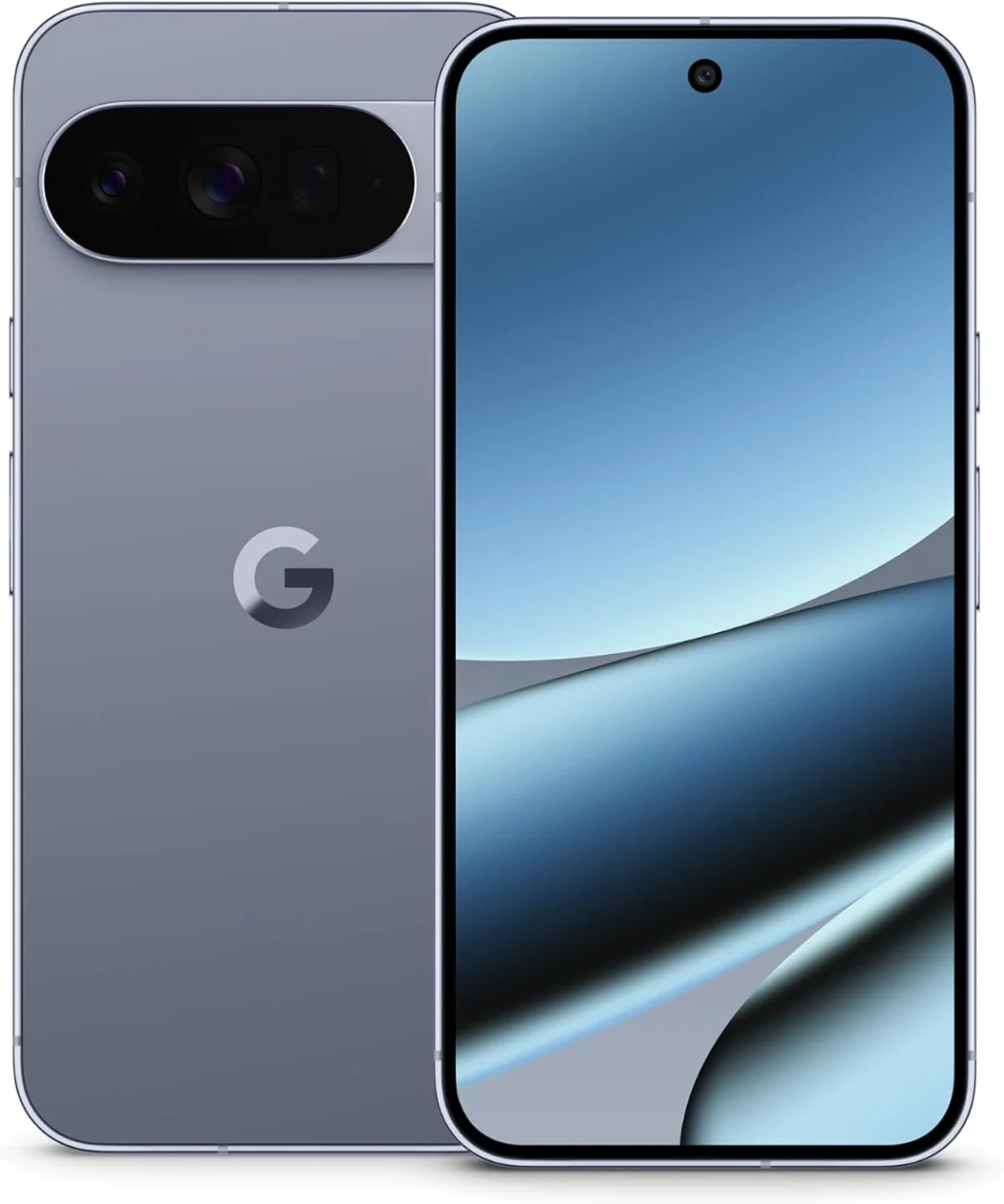
Google Pixel 10 Pro XL
Google’s strategy for 2026 is centered on "AI-first" hardware. The 10 Pro XL is a behemoth of a phone, offering the best 100x zoom capabilities on the market. While the Tensor G5 chip isn’t as fast as the Snapdragon equivalent, the integration of Google’s suite of software tools makes it the preferred device for photographers and power-users of Google services.
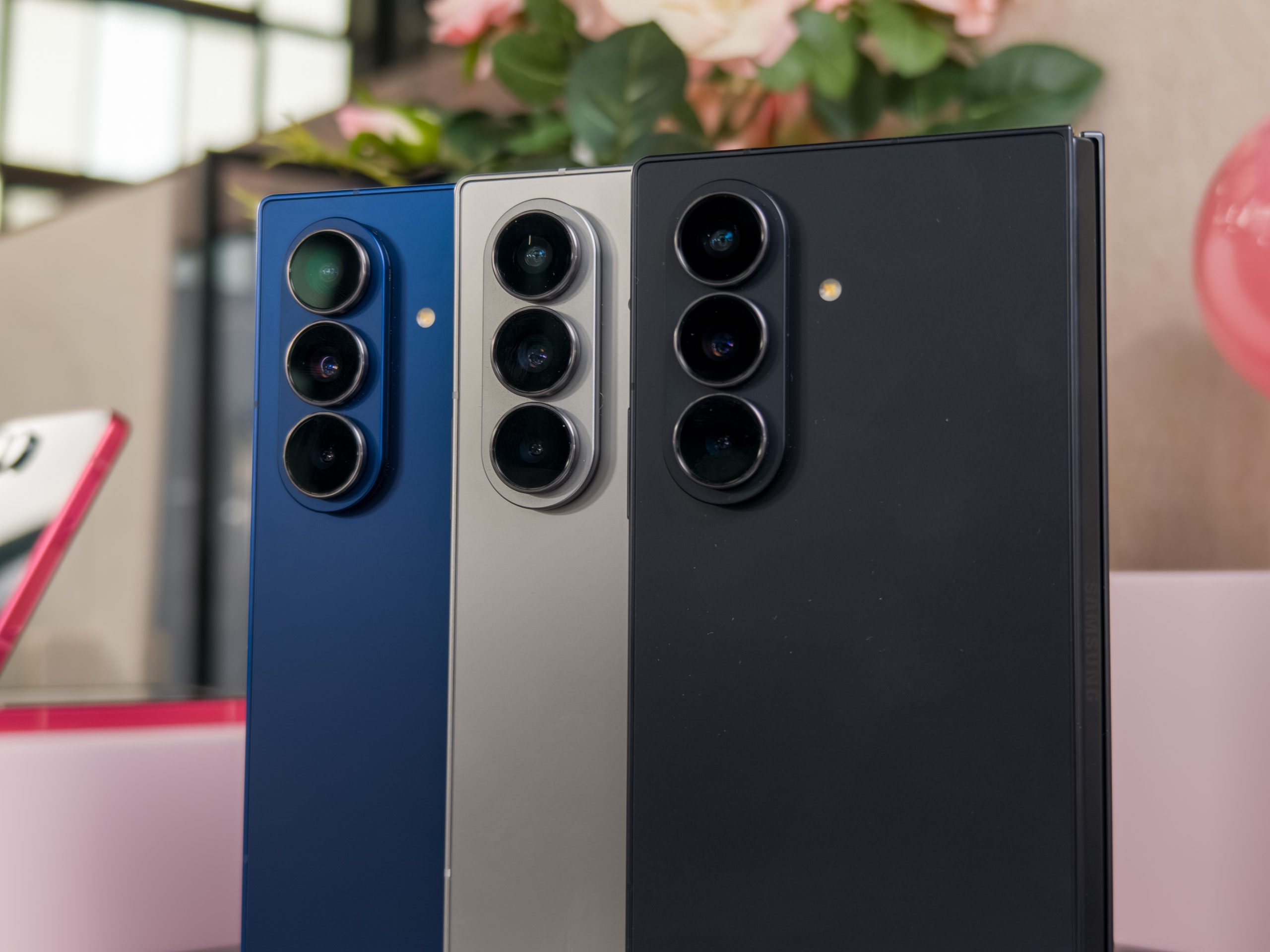
Samsung Galaxy Z Fold 7
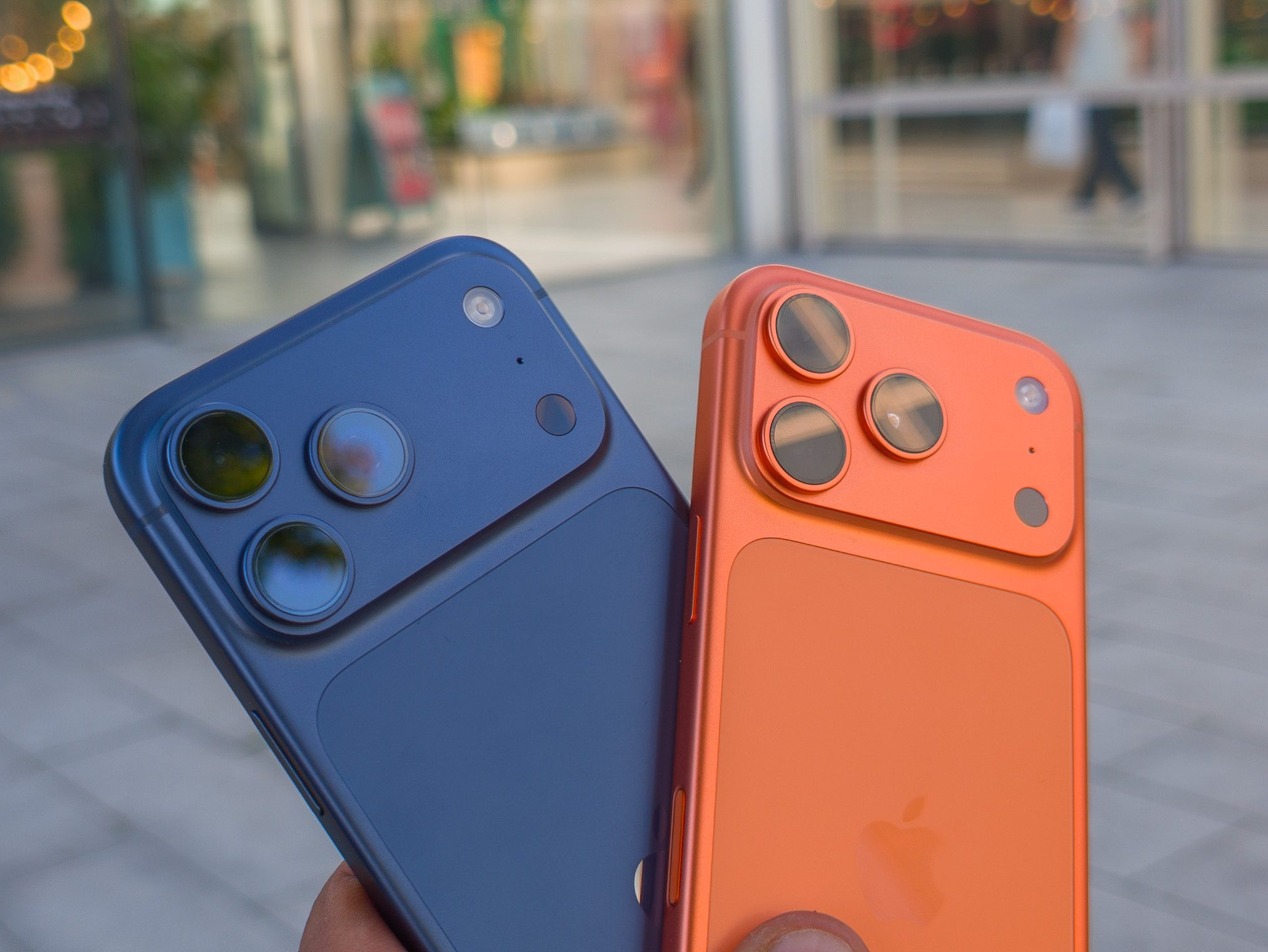
The Z Fold 7 marks a turning point for foldables. By reducing the thickness to 8.9mm, Samsung has finally made the book-style foldable feel like a standard smartphone when closed. It remains the gold standard for multitasking, though the $1,999 price tag serves as a barrier for all but the most dedicated enthusiasts.
Mid-Range Excellence ($500–$799)
This category has become the most competitive segment, as manufacturers attempt to offer "flagship" features at lower price points.

- Google Pixel 10: With a dedicated 5x telephoto lens and seven years of software updates, this is the most balanced phone in the mid-range. It proves that you don’t need a $1,200 device to get professional-grade photography.
- Samsung Galaxy S25 FE: This device is a study in "sensible compromises." It retains the premium build and display tech of the S-series but uses slightly older sensor technology to keep the price at $650.
- Motorola Edge 2026: A victory for ergonomics. In a market of "slab" phones, this compact device offers IP69 durability and a 60W charge, proving that size does not have to dictate feature sets.
- iPhone 16: As the "legacy" option, it remains a fantastic entry point into the Apple ecosystem. Its Camera Control button and Action button offer modern functionality, even if the 60Hz display feels dated.
Budget Solutions ($500 and below)
The budget category is where the memory crisis is most visible. Here, the focus is on maximizing the "essential" experience.
Google Pixel 10a
The king of "no-fuss" phones. It provides a clean, 120Hz experience and a camera that consistently outperforms its peers. It is the most reliable recommendation for someone who wants a phone that just works for the next seven years.

Nothing Phone (4a) Pro
This is for the buyer who wants personality. Its aluminum unibody and glyph lighting differentiate it from the sea of plastic budget phones. It is the most ambitious design-forward device at the $499 price point.
Samsung Galaxy A17 5G & Motorola Moto G (2026)
At the $200 mark, these devices are about basic utility. The A17 5G offers a class-leading Super AMOLED screen and a six-year update policy, while the Moto G (2026) offers an incredible 5,200mAh battery that caters to users who prioritize endurance over raw performance.
Implications for the Consumer
The 2026 smartphone market sends a clear message: Hardware is now secondary to longevity.
The industry-wide move toward 6- and 7-year software update cycles (led by Google and Samsung) is a direct response to rising prices. If a phone costs $800, it is no longer intended to be replaced every two years. Consumers are increasingly expected to view their smartphones as long-term assets rather than disposable tech.

Why Prices Are Rising
The ongoing shortage of high-density DRAM and NAND flash is not expected to ease significantly until late 2027. Research firms indicate that as AI models become more complex, the RAM requirements for smartphones will continue to climb, forcing manufacturers to pack 12GB or 16GB of RAM into even mid-range devices. This effectively creates a "floor" for pricing that is unlikely to drop.
Final Verdict: What Should You Buy?
- If money is no object: The Samsung Galaxy S26 Ultra remains the most versatile tool for work and play.
- If you want value: The iPhone 17 is the smartest purchase, offering nearly all "Pro" features for $400 less than the Max variant.
- If you are on a budget: The Google Pixel 10a is the undisputed champion, providing a premium software experience at a price that doesn’t sacrifice the long-term utility of the device.
The 2026 market is challenging, but it is also one of the most rewarding for the informed buyer. By prioritizing software support and battery life over raw benchmark scores, consumers can navigate these price hikes and secure a device that will remain relevant well into the next decade.

 Sagoh
Sagoh
 Asep Darmawan