Pevita Pearce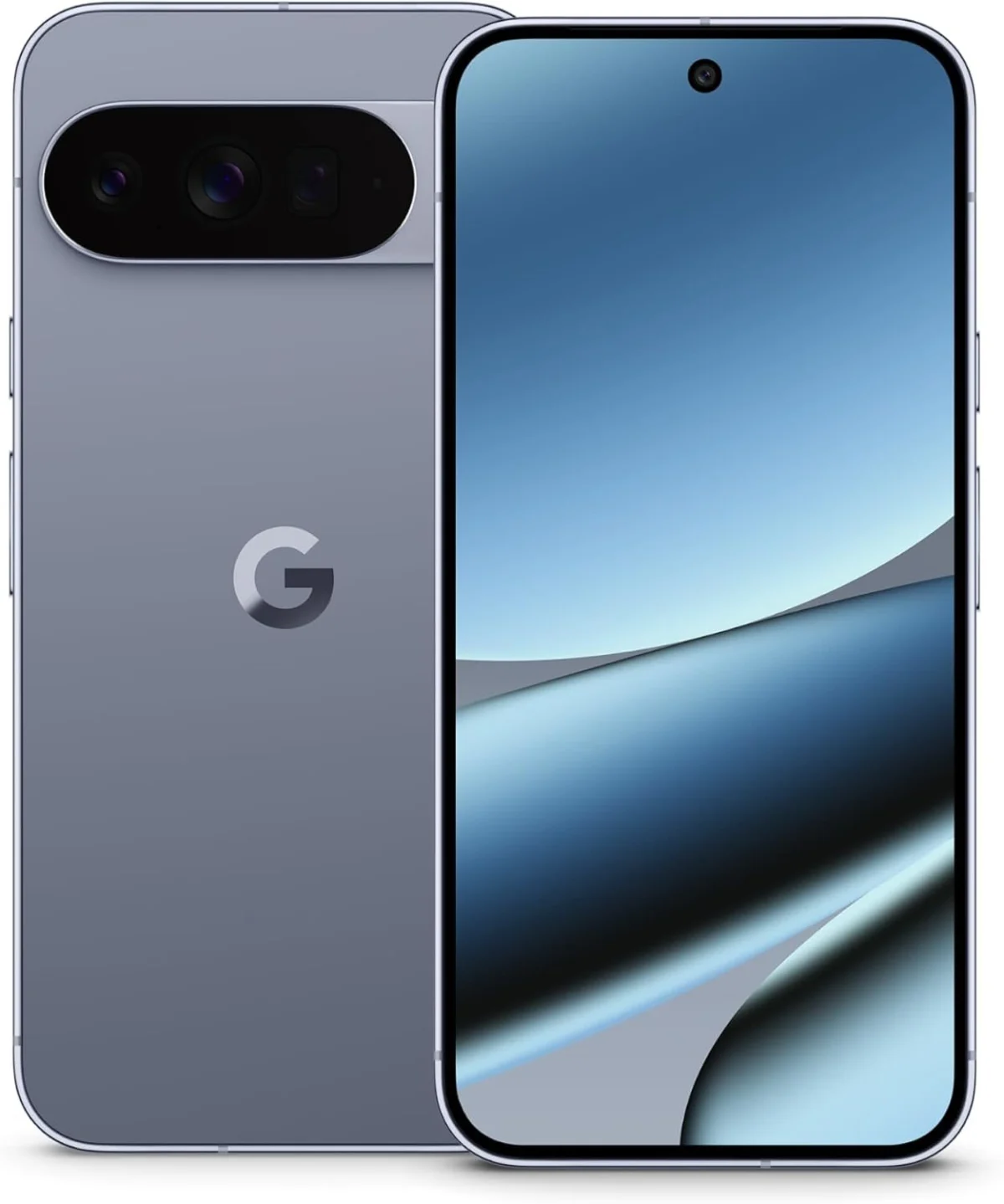
The smartphone market has reached a point of saturation where hardware incrementalism often masks a lack of true innovation. However, Google’s latest foray—the Pixel 10 series—breaks this trend by anchoring its hardware identity in something more intangible yet profoundly impactful: deep-rooted, on-device artificial intelligence. As the Pixel 10 lineup settles into its market lifecycle, a significant wave of discounts across Amazon has transformed these devices from "premium flagships" into some of the most compelling value propositions in the mobile sector. With savings of up to 26% across the entire family, including essential peripherals like the Pixel Buds Pro 2, the barrier to entry for the "gold standard" of Android has never been lower.
Main Facts: The Pixel 10 Value Proposition
The current promotional event on Amazon is not merely a seasonal sale; it represents a strategic shift in accessibility for Google’s most advanced hardware to date. By discounting the Pixel 10, the Pixel 10 Pro, and the massive Pixel 10 Pro XL, Google is inviting a broader demographic to experience what it describes as the "smartest Android experience."
At the heart of this offer is the Gemini integration. Unlike competitors that treat AI as a cloud-based add-on, Google has engineered the Pixel 10 architecture to handle complex tasks locally. This includes real-time call screening, live translation of foreign languages during video calls, and advanced photo manipulation tools—all powered by an on-device engine that minimizes latency and maximizes privacy. When you combine these software capabilities with the aggressive pricing—such as the Pixel 10 Pro XL falling to $949 from its original $1,199—it becomes clear that the value proposition here is heavily skewed in favor of the consumer.

A Chronological Evolution of the Pixel Line
To understand the significance of the Pixel 10, one must look at the trajectory of the series over the last half-decade.
- The Early Years (2016–2019): Google’s initial focus was on establishing the "best camera" crown, relying heavily on its computational photography software (HDR+) to outperform sensors that were physically larger.
- The Tensor Pivot (2021): The introduction of the proprietary Tensor chip marked a turning point. Google moved away from third-party silicon, signaling its intent to optimize software and hardware in tandem.
- The Gemini Era (2024–2025): With the Pixel 10, the "smart" philosophy reached maturity. The hardware was no longer just about taking a good photo; it was about the device understanding the user’s intent.
- The Current Market Phase (2026): We are now in the "maturation and adoption" phase. The technology has been proven, the software ecosystem is stable, and the current discounts signify a push to capture market share from users who have been waiting for the "right price" to make the jump from other platforms.
Supporting Data: Dissecting the Lineup
Choosing the right Pixel 10 model depends on how you value screen real estate, optical zoom, and ergonomics. Here is a breakdown of the current value metrics:
The Flagship: Google Pixel 10 Pro XL
- Price: $949 (21% off $1,199)
- Best For: Power users and content creators.
- Why: Featuring a massive 6.8-inch Super Actua display, this device is arguably the best media consumption tool in the Android space. The triple-camera array, when paired with Google’s post-processing engine, provides a level of detail that remains the industry benchmark.
The Balanced Choice: Google Pixel 10 Pro
- Price: $799 (20% off $999)
- Best For: Users who want the "Pro" camera specs but find the XL models too cumbersome for one-handed operation.
- Why: This is the "Goldilocks" device. It retains the telephoto lens and the premium display tech of its larger sibling but packages it in a 6.3-inch frame that fits comfortably in a pocket or palm.
The Value King: Google Pixel 10
- Price: $649 (19% off $799)
- Best For: The vast majority of smartphone users.
- Why: You are sacrificing the dedicated telephoto lens, but you are retaining the core AI features and the same high-tier performance as the more expensive models. At $649, it faces virtually no competition that offers a similar level of software support and camera quality.
The Ecosystem Companion: Pixel Buds Pro 2
- Price: $169 (26% off $229)
- Why: Wireless earbuds are often an afterthought, but the Buds Pro 2 are essential for the full "Gemini" experience. Their ability to provide hands-free assistance while maintaining a stable, low-latency connection makes them the logical add-on for any buyer purchasing a phone in this sale.
Official Responses and Strategic Implications
Google has remained characteristically quiet regarding the specific duration of these promotions, as is typical with their retail partnerships. However, industry analysts suggest that these discounts serve a twofold purpose. First, they clear inventory for subsequent refresh cycles. Second, and more importantly, they function as a "gateway" strategy. By putting high-end hardware into the hands of a broader user base, Google increases the adoption rate of its Gemini services, which are critical to the company’s long-term revenue model.

When asked about the "Pixel-first" AI approach, a Google representative noted, "Our goal is to ensure that the most advanced AI features are not just accessible, but intuitive. The Pixel 10 is the manifestation of that goal, where hardware is merely the vessel for an increasingly capable software assistant."
Broader Implications for the Smartphone Industry
The aggressive pricing of the Pixel 10 series has profound implications for the industry. It puts significant pressure on competitors—specifically Samsung and Apple—to justify their own premium pricing structures. If a consumer can get a top-tier camera, seven years of guaranteed OS updates, and class-leading AI integration for $649, the "luxury" markup of competing flagships becomes harder to defend.
Furthermore, the longevity commitment is a massive differentiator. Google’s promise of long-term OS updates means that a Pixel 10 purchased today at a discount will remain relevant and secure well into the decade. This changes the consumer mindset from "buying a phone for two years" to "investing in a platform for five or more."

Final Verdict: Is It Time to Buy?
If you have been hovering on the fence, waiting for the technology to mature or for the price to drop, the current window is as good as it will get. The Pixel 10 series is not just a collection of specifications; it is a mature ecosystem that finally delivers on the promise of the "smart" phone.
For the average user, the Pixel 10 at $649 is the most logical financial decision. It covers every base—camera, performance, and software longevity—without the diminishing returns of the higher-tier models. For those who live and breathe photography, the Pixel 10 Pro XL provides the best optics in the business at a price that, until now, would have been considered impossible for a device of this caliber.
As with all major retail events, inventory is likely to fluctuate. If you are looking to upgrade your digital life, the combination of the Pixel 10 and the Pixel Buds Pro 2 is currently the most robust, AI-ready package on the market. The hardware is reliable, the software is cutting-edge, and at these prices, the argument for waiting has effectively evaporated.

 Lina Hope
 Jia Lissa