Evan Lee Salim
The Asia-Pacific hospitality landscape is undergoing a period of rapid evolution, characterized by strategic partnerships, the repurposing of traditional hotel assets into student housing and co-living spaces, and long-term urban revitalization projects. From Seoul to Singapore and Phuket, the following report synthesizes the latest industry movements as of July 2026.
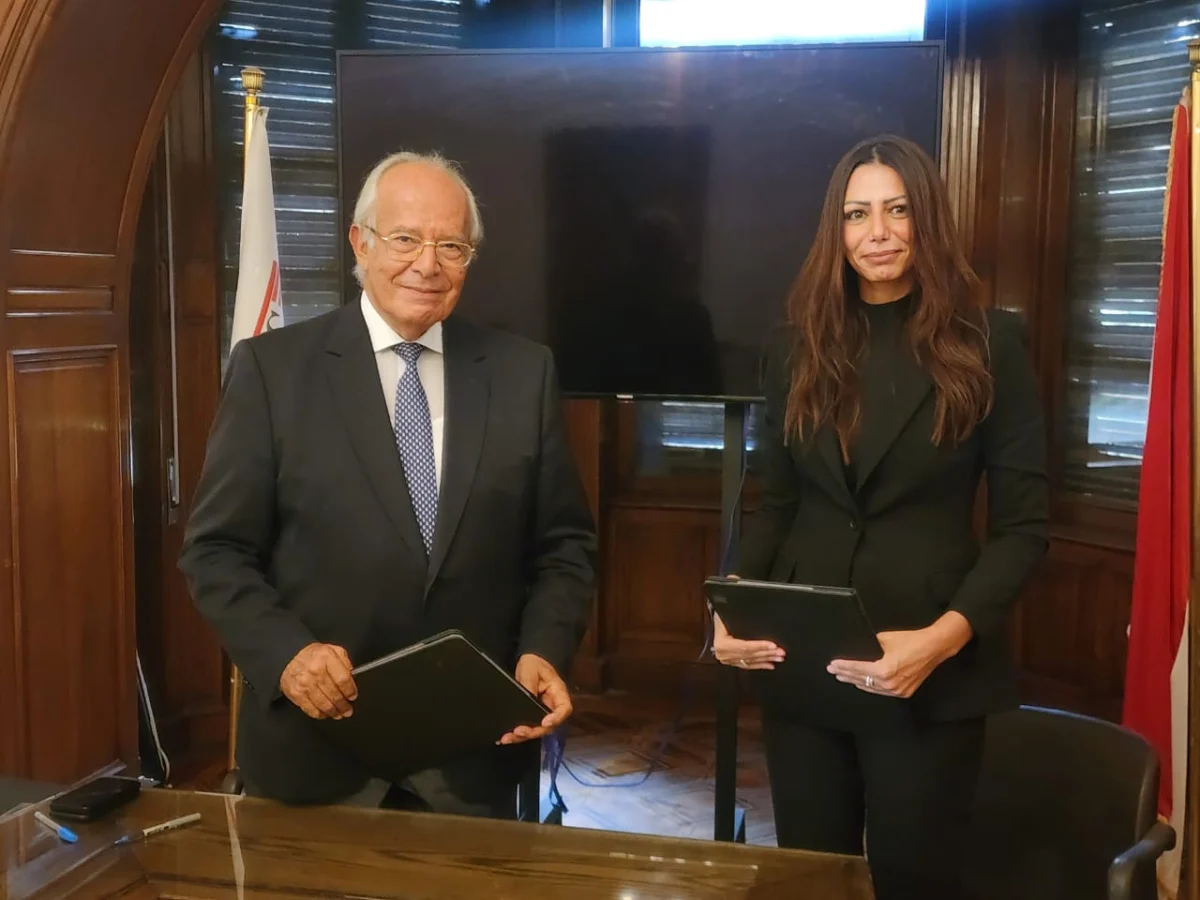
HVS and Styleloft Forge Strategic Partnership in South Korea
In a move designed to strengthen the advisory infrastructure of the South Korean hotel market, global hospitality consulting leader HVS has entered into a formal license agreement with Styleloft. This collaboration marks a significant milestone for HVS as it seeks to deepen its footprint in one of Asia’s most dynamic hospitality markets.
The Synergy of Expertise
Styleloft, a specialized consulting boutique, brings nearly two decades of localized expertise to the table. Their track record includes high-profile advisory work for landmark luxury properties, such as the Four Seasons Hotel Seoul, Banyan Tree Club & Spa Seoul, and the Mandarin Oriental Seoul.
By combining HVS’s global analytical framework—honed since its inception in 1980—with Styleloft’s deep understanding of local asset transactions and planning, the partnership aims to provide a comprehensive service suite to investors, REITs, and government bodies. This alignment is expected to set a new benchmark for professional hospitality services in the region, focusing on asset valuation, development feasibility, and operational optimization.
Far East Consortium Divests Silka Seaview Hotel for HKD 750 Million
The Hong Kong hospitality market is witnessing a notable trend of asset conversion, exemplified by the recent sale of the Former Silka Seaview Hotel in Yau Ma Tei.
Transaction Breakdown
Dorsett Hospitality International Limited (DHIL), an indirect subsidiary of the Far East Consortium (FEC), has finalized the sale of the 268-key property to the JD Group for a total consideration of HKD 750 million. This deal values the asset at approximately HKD 2.8 million per key.
Strategic Implications
The property is strategically positioned, situated just a four-minute walk from the Yau Ma Tei MTR station and in close proximity to the Queen Elizabeth Hospital and the Hong Kong Polytechnic University. These location advantages have prompted a shift in the building’s utility; the new owners are currently converting the guest rooms into specialized student accommodation.
Under the terms of the agreement, DHI Hotel Management HK Limited will continue to manage the property for a three-year term. This transition period ensures operational stability, with a guaranteed annual income of HKD 45 million. The deal highlights a growing preference among investors to pivot from traditional hotel operations toward the resilient and high-demand student housing sector in major Asian educational hubs.
Seoul Co-Living: A KRW 60 Billion Redevelopment
Central Seoul is set for a major transformation as a consortium led by REPAN Asset Management (RAM), TPG Angelo Gordon, and Weave Living acquires the ABL Life Sungin-dong office building and its surrounding land parcels.
The Project Scope
The transaction, valued at approximately KRW 60 billion, will see the 2,027-square-meter site redeveloped into a massive co-living complex known as Weave Suites. The project aims to deliver 546 units, with a total gross floor area of roughly 19,266 square meters.
Timeline and Economic Impact
The total development cost is estimated at KRW 170 billion. With construction expected to commence following permit approvals, the project is slated for completion by 2030. This development underscores the rising institutional interest in the "co-living" asset class, which serves the burgeoning young professional demographic in South Korea’s capital. By integrating modern residential design with efficient community spaces, the project represents a shift toward more flexible, urban-integrated living solutions.

Divestment of ibis Phuket Kata: A Move toward Portfolio Optimization
In Thailand, Origin Hotel Public Co. Ltd. has completed the divestment of the ibis Phuket Kata for THB 745 million.
Market Valuation
The sale of the 258-key property reflects a price point of at least THB 2.9 million per key. The hotel, which has operated under a franchise agreement with Accor SA since 2022, remains a significant asset due to its proximity to Kata Beach and Phuket International Airport.
Joint Venture Context
This sale is part of a larger, ongoing portfolio strategy. In 2023, Tokyu Land Asia acquired a partial ownership interest in this property as part of a three-hotel portfolio deal. This move demonstrates the active nature of the Thai resort market, where international investors are increasingly collaborating with local developers to refine their hospitality portfolios through strategic exits and re-investments.
Singapore’s Greater Sentosa Master Plan: A 20-Year Vision
Singapore has officially unveiled the Greater Sentosa Master Plan, a bold, long-term blueprint designed to solidify the city-state’s status as a world-class tourism powerhouse.
Key Pillars of the Master Plan
The plan envisions the integration of Sentosa and Pulau Brani into a unified leisure destination. The transformation will encompass:
- Infrastructure: A new transport hub connecting the islands to the mainland.
- Attractions: A new multi-purpose event venue, "Sensorium," and new landmarks at Mount Imbiah.
- Environment: Refreshed beachfronts, extensive nature trails, and enhanced outdoor public spaces.
Economic Implications
The government projects that these enhancements will nearly double annual visitor numbers. By creating a diverse array of leisure and hospitality assets, the plan is designed to appeal to both domestic and international travelers, ensuring Singapore remains at the forefront of the global tourism industry well into the 2040s. The first phase of these new attractions is expected to be operational by the early 2030s.
Supporting Data: Regional Market Performance
As of July 3, 2026, market performance across the Asia-Pacific region shows mixed results, reflecting local economic conditions and investor sentiment.
Australia and Thailand
- Elanor Investors Group (ASX): Showed a notable gain of 63.3%, indicating significant investor confidence.
- Event Hospitality & Entertainment Ltd (ASX): Experienced a decline of 4.5%.
- Laguna Resorts & Hotel (THB): Remained stable at 36.75, showing resilience amidst broader market fluctuations.
China and Hong Kong
- BTG Hotels Group Co Ltd (RMB): Rose by 5.7%, signaling a positive outlook for the Chinese hospitality sector.
- Regal Hotels International Holdings (HKD): Faced a sharp correction of 17.4%, reflecting current volatility in the Hong Kong real estate and hospitality market.
India and Korea
- Chalet Hotels Ltd (INR): Saw a 1.0% uptick, while Royal Orchid Hotels (INR) saw a decline of 4.4%.
- Hotel Shilla Co., Ltd. (KRW): Experienced a strong surge of 9.6%, highlighting potential recovery or positive operational news in the Korean market.
Implications for the Future of Hospitality
The news summarized above points to three clear trends defining the 2026 hospitality landscape:
- Repurposing Assets: The conversion of traditional hotels into student housing (as seen in Hong Kong) and the redevelopment of office space into co-living (as seen in Seoul) highlight that "hospitality" is increasingly defined by usage rather than classification. Owners are seeking to maximize the yield of real estate by catering to specific demographic needs.
- Strategic Alliances: The HVS-Styleloft partnership is indicative of a broader trend where international consultancy firms are looking to "localize" their services to mitigate the complexities of regional market entry. Local market intelligence is becoming the primary currency for institutional investors.
- Long-term Tourism Infrastructure: The Singapore Greater Sentosa Master Plan proves that even in an age of digital transformation, physical infrastructure and "place-making" remain the cornerstone of tourism strategy. Cities are moving away from single-attraction models toward integrated, multi-use precincts that can support tourism growth over decades.
Conclusion
The hospitality sector in the Asia-Pacific remains robust, yet increasingly sophisticated. Whether through institutional acquisitions in South Korea, structural conversions in Hong Kong, or national-level master planning in Singapore, the industry is pivoting toward long-term sustainability and operational flexibility. Investors and stakeholders should remain vigilant, as these shifts in asset utility and market alliances continue to redraw the map of the regional hospitality economy.
For further insights into specific market trends and detailed valuation indices, readers are encouraged to visit the official HVS portal at hvs.com.


 Azzam Bilal Chamdy
 Lina Hope