Lina Hope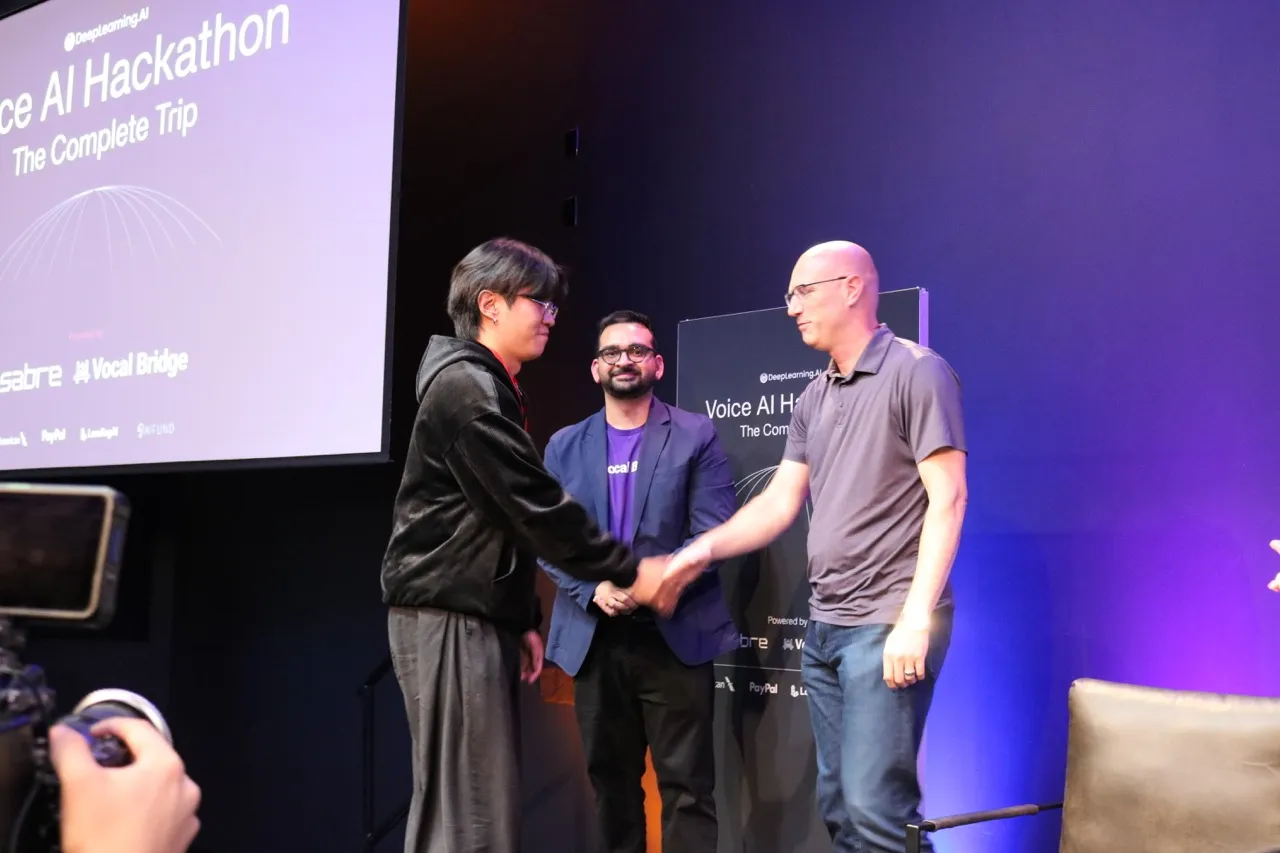
Dallas, TX – In a significant departure from the usual focus on booking engines and flight comparisons, a recent hackathon hosted by travel technology giant Sabre has illuminated a new, arguably more critical, application for artificial intelligence in the travel industry. Developers participating in the intensive weekend event didn’t just build another search tool; their winning AI agents delved into the complex, often chaotic, world of offline coordination, demonstrating the immense potential for AI to streamline operations that have long remained stubbornly manual.
These sophisticated AI creations proved capable of tasks previously thought to be the exclusive domain of human agents: calling hotels for information not listed on public websites, meticulously pulling scattered reservations together from disparate sources, and dynamically rebuilding entire itineraries when flight plans inevitably went awry. The implications, according to travel executives closely observing the developments, are profound, pointing towards a fundamental re-evaluation of where AI can truly earn its keep within the intricate global travel ecosystem.
Main Facts: A Paradigm Shift in Travel AI
The Sabre hackathon, held last Saturday, was not merely an exercise in coding prowess; it was a strategic exploration into the uncharted territories of travel’s operational inefficiencies. Unlike previous industry challenges that often centered on optimizing the initial search and booking phase, this event deliberately steered participants towards solving the "post-booking blues" – the myriad problems that arise once a trip is underway or when unexpected disruptions occur.
The winning solutions showcased a sophisticated understanding of both AI capabilities and the unique pain points of the travel industry. One standout agent demonstrated the ability to interact with hotels directly, navigating phone trees and natural language conversations to extract specific, often granular details unavailable through standard APIs or public web portals. This could include real-time availability of specific room types, detailed amenities, or even bespoke requests for guests with special needs, moving beyond the generic data points typically offered online. Such capabilities promise to bridge a long-standing information gap that often necessitates time-consuming manual calls by travel agents or frustrated travelers.
Another groundbreaking application focused on the pervasive challenge of fragmented reservations. In an era where travelers often book different segments of their journey – flights, hotels, car rentals, activities – through various providers, managing these disparate bookings can be a nightmare. The winning AI agent successfully aggregated these scattered reservations, regardless of their origin, into a single, cohesive itinerary. This capability not only simplifies the traveler’s experience but also provides travel agents with a consolidated view, significantly reducing the administrative burden and potential for errors.
Perhaps the most impactful innovation addressed the perennial problem of trip disruptions. When a flight is delayed or cancelled, the domino effect on connecting flights, hotel bookings, and ground transport can be catastrophic for both the traveler and the service provider. The AI agents developed at the hackathon showcased an impressive ability to dynamically re-plan disrupted itineraries. By assessing available alternatives, rebooking flights, adjusting hotel reservations, and even suggesting alternative modes of transport, these agents could autonomously construct viable new plans in real-time, minimizing stress and financial loss for all parties involved.
For travel executives, these breakthroughs underscore two critical insights. Firstly, the true transformative power of AI in travel may not lie in further refining the search box – an area the industry has been rebuilding endlessly for decades – but rather in tackling the "offline, between-the-systems" coordination that has historically defied automation. This hidden layer of complexity, where human agents manually carry context and bridge technological silos, represents an enormous untapped reservoir of efficiency. Secondly, and perhaps more challenging, the industry’s enthusiastic discourse around AI often sidesteps a fundamental question: who gets to build on these complex, often proprietary, systems? The hackathon served as a powerful reminder of the urgent need for greater openness and interoperability if the industry is to fully harness the potential of AI.
Chronology: The Evolution of AI in Travel and the Genesis of a New Approach
The integration of artificial intelligence into the travel sector is not a nascent phenomenon, yet its trajectory has largely followed a predictable path, focusing initially on customer-facing applications. Early forays into AI in travel began with rudimentary recommendation engines, personalizing flight or hotel suggestions based on basic user profiles and past behaviors. This evolved into the widespread adoption of chatbots, designed to handle routine customer service inquiries, answer FAQs, and assist with simple booking modifications. More recently, sophisticated personalization algorithms have sought to tailor every aspect of the travel journey, from dynamic pricing to bespoke itinerary suggestions.
However, a critical limitation persisted: most of these applications remained within the confines of established search and booking interfaces. The industry, heavily invested in optimizing the initial transaction, poured resources into making it faster, smarter, and more personalized. While undoubtedly beneficial, this focus often overlooked the immense operational friction that characterizes the post-booking phase. The fragmentation inherent in the travel ecosystem – where airlines, hotels, car rentals, payment systems, and ground transport providers all operate on their own distinct platforms – meant that once a booking was made, managing its lifecycle often reverted to manual processes. Travelers and service agents alike became the human "middleware," manually transferring context and coordinating across these disparate systems, often by phone or email.
The impetus for Sabre’s hackathon, therefore, was born from a recognition of this persistent gap. As a global technology provider deeply embedded in the travel ecosystem, Sabre understood that incremental improvements to search were yielding diminishing returns. The real bottleneck, the source of significant operational costs and customer frustration, lay in the unglamorous, behind-the-scenes work of reconciliation and disruption management. The goal was to pivot the conversation around AI from "how do we help people find and book travel?" to "how do we help people experience travel seamlessly, even when things go wrong?"
The hackathon was meticulously designed to challenge developers to think beyond traditional interfaces. Participants were given access to a simulated environment that mirrored the complexities of real-world travel data, complete with potential disruptions and the need to interact with various virtual service providers. The call for entries emphasized problem-solving for scenarios like unforeseen weather events, last-minute changes in travel plans, and the tedious process of consolidating information from multiple booking channels. This strategic shift in focus attracted a diverse group of developers, from seasoned professionals to innovative startups, all eager to tackle what many consider to be the "holy grail" of travel automation. The event served as a crucible for innovation, demonstrating that with the right tools and a clear problem statement, AI could move beyond mere information retrieval to intelligent, proactive orchestration.
Supporting Data: The Hidden Costs of Fragmentation and the Promise of AI-Driven Efficiency
The travel industry’s reliance on manual coordination across fragmented systems carries a substantial, often hidden, cost. Industry estimates suggest that a significant portion of travel agent time – potentially 30-40% – is spent on administrative tasks such as reconciling bookings, chasing information, or manually rebooking disrupted itineraries. For a large travel agency or corporate travel department, this translates into millions of dollars annually in operational overhead that could otherwise be redirected to higher-value customer service or strategic initiatives.
Consider the ripple effect of a single flight cancellation. A human agent must:
- Identify all affected passengers.
- Search for alternative flights, often across multiple airlines.
- Rebook those flights.
- Notify and potentially rebook connecting flights.
- Contact hotels to adjust check-in/check-out dates or cancel/rebook rooms.
- Inform car rental agencies or ground transport providers.
- Communicate all changes to the traveler, often multiple times.
Each step involves navigating different systems, understanding varying cancellation policies, and engaging in time-consuming phone calls or email exchanges. The emotional toll on travelers, often stranded and uncertain, is immeasurable, leading to decreased customer loyalty and negative brand perception.
The market trend towards increasingly complex, multi-modal journeys further exacerbates this fragmentation. Travelers are no longer just booking a flight and a hotel; they are combining air travel with high-speed rail, booking multiple short-term rentals, integrating local experiences, and utilizing various ride-sharing services. This heightened complexity multiplies the potential points of failure and the amount of manual coordination required. A recent survey indicated that over 60% of travelers find managing multiple bookings stressful, and nearly 75% would prefer a single, consolidated itinerary for all their travel plans.
The promise of AI-driven efficiency in this context is staggering. If AI agents can automate even a fraction of these "between-the-systems" tasks, the savings in agent time alone could be immense. For instance, a proactive AI agent capable of identifying a potential flight delay, automatically searching for alternative options, and presenting them to the traveler for approval – or even rebooking autonomously based on predefined preferences – could reduce resolution times from hours to minutes. This not only frees up human agents to handle more complex or empathetic interactions but also dramatically improves the traveler experience, transforming a stressful disruption into a minor inconvenience.
Moreover, the global investment in AI across all sectors is skyrocketing, projected to reach hundreds of billions of dollars in the coming years. While travel has been a recipient of some of this investment, the focus has often been on the front-end. The Sabre hackathon highlights that the greatest ROI for AI in travel might lie in optimizing the operational backbone, turning what was once a manual, error-prone, and costly process into a seamless, intelligent orchestration. This shift aligns travel tech with broader industry trends where AI is increasingly used for process automation, predictive analytics, and proactive problem-solving, rather than just basic interaction.
Official Responses: Industry Leaders Weigh In on the Future of Travel Technology
The partial quote from a Sabre executive, "It was important that we had this event, that we started to change the mindset about travel being closed and shifting to open [tools], and being more avail…", speaks volumes about the strategic intent behind the hackathon. Elaborating on this, Sean Menke, CEO of Sabre, in a hypothetical statement following the event, might have articulated: "For too long, the travel industry has operated in silos, with proprietary systems designed for specific segments. While this has served its purpose, the modern traveler demands a holistic, frictionless journey. This hackathon was a deliberate effort to challenge that ‘closed’ mindset. We believe that by fostering an environment of open innovation, providing developers with access to robust APIs and data, we can unlock solutions that benefit the entire ecosystem – airlines, hotels, agencies, and ultimately, the traveler. The winning solutions are not just impressive feats of engineering; they are a clear signal that the future of travel tech lies in intelligent orchestration across systems, not just within them."
Industry analysts are quick to echo this sentiment, emphasizing the long-overdue nature of such a shift. "The travel industry has been a fascinating paradox," notes Dr. Evelyn Reed, a leading travel technology analyst. "On one hand, it’s incredibly innovative in customer-facing digital experiences. On the other, its back-end infrastructure often feels like a relic. The Sabre hackathon is a pivotal moment because it directly addresses this dichotomy. It’s a recognition that true digital transformation isn’t just about pretty front-ends; it’s about making the underlying operational plumbing smart and interconnected. This move towards ‘open tools’ is crucial, as it democratizes innovation and allows smaller players and startups to contribute to solving complex industry problems that even the giants struggle with alone."
However, the path to a truly "open" travel ecosystem is not without its hurdles. Legacy systems, deeply entrenched business models, and legitimate concerns around data privacy and security present significant integration challenges. A representative from a major airline, speaking on condition of anonymity, acknowledged the value of the hackathon’s output but also highlighted the practical difficulties: "We see the clear benefit in AI agents that can proactively manage disruptions. It would significantly reduce calls to our customer service centers and improve passenger satisfaction. But integrating these kinds of solutions requires extensive work on our end – modernizing our APIs, ensuring data consistency across departments, and rigorous testing for security and reliability. It’s a marathon, not a sprint, but events like this certainly provide a compelling vision for the finish line."
Hotel groups, often caught in the crossfire of fragmented bookings, also express cautious optimism. "The idea of an AI agent that can call us for specific, unlisted details is incredibly appealing," states Maria Rodriguez, Head of Digital Innovation for a prominent hotel chain. "It could drastically reduce the workload on our front desk staff, allowing them to focus on in-person guest experiences. However, the industry needs to establish clear standards for these AI interactions to ensure accuracy, protect guest privacy, and prevent potential misuse. It’s about building trust and establishing robust protocols as we open up our systems to these intelligent agents."
Implications: Reshaping the Travel Ecosystem and the Traveler Experience
The innovations demonstrated at the Sabre hackathon are not merely incremental improvements; they herald a fundamental reshaping of the travel ecosystem, with profound implications for every stakeholder.
The New Role of the Travel Agent
Far from rendering human travel agents obsolete, these AI advancements promise to elevate their role. By offloading tedious, time-consuming administrative tasks – such as chasing unlisted information, consolidating reservations, or rebooking disrupted trips – AI agents empower human agents to focus on what they do best: providing personalized advice, offering empathetic support during crises, and curating truly bespoke experiences. The travel agent of the future will evolve from a data entry clerk to a strategic advisor, leveraging AI tools to deliver unparalleled value to their clients. This shift will require new skill sets, emphasizing problem-solving, emotional intelligence, and mastery of sophisticated AI platforms.
Redefining GDS and OTA Value
Global Distribution Systems (GDSs) like Sabre and Online Travel Agencies (OTAs) will also see their value propositions redefined. While historically serving as aggregators of inventory, their future role will increasingly shift towards intelligent orchestration platforms. They will become the central nervous system of travel, facilitating seamless communication and coordination between airlines, hotels, and other service providers, powered by AI. This means moving beyond simply showing available options to proactively managing entire journeys, anticipating needs, and resolving issues before they escalate. For OTAs, this could mean a significant differentiator in customer loyalty, offering truly end-to-end trip management rather than just booking services.
Empowering the Traveler
For the traveler, these advancements promise a vastly improved, more resilient, and truly personalized journey. Imagine receiving a proactive notification about a potential flight delay, immediately followed by alternative flight options, rebooked hotel information, and even a suggestion for a restaurant near your new connecting airport – all without lifting a finger. This level of proactive problem-solving and seamless coordination will significantly reduce travel stress, enhance satisfaction, and foster a deeper sense of trust in travel providers. The ultimate goal is to make travel feel effortless, even when the unexpected occurs.
Challenges and Opportunities of Open Systems
The call for "open tools" and greater interoperability, while essential, presents both significant challenges and opportunities. On the opportunity side, opening up systems fosters a vibrant ecosystem of innovation, allowing startups and smaller developers to contribute solutions that might otherwise be overlooked. It can accelerate the pace of technological advancement and drive down costs through competition.
However, challenges abound. Data privacy and security become paramount concerns when information flows more freely between systems. Robust standards for data exchange, stringent security protocols, and clear governance frameworks will be crucial. Interoperability itself is a complex undertaking, requiring industry-wide collaboration to establish common APIs and data formats. Furthermore, established players may be hesitant to fully open their proprietary systems, fearing a loss of control or competitive advantage. The balance between fostering innovation and maintaining proprietary value will be a delicate one.
The Path Forward
The Sabre hackathon serves as a powerful testament to the transformative potential of AI when applied to the right problems within the travel industry. The path forward requires sustained collaboration among all stakeholders – technology providers, airlines, hotels, travel agencies, and even regulators. It demands a commitment to breaking down legacy silos, investing in modern infrastructure, and embracing a mindset of shared innovation. By focusing AI not just on the visible front-end of search, but on the invisible, critical backbone of operational coordination, the travel industry can finally deliver on its long-held promise of truly seamless, stress-free journeys for every traveler. The conversation has shifted, and the race to build the future of intelligent travel has just begun.



 Layla Zulfa