Reynand Wu
Choosing the right smartphone in 2026 is no longer a simple matter of comparing core processor speeds or megapixel counts. The industry has reached a plateau of maturity where "good enough" is now the baseline, forcing manufacturers to compete on nuance: AI integration, long-term software sustainability, material science, and the increasingly delicate balance between premium hardware and component-driven price hikes.
For the average consumer, this landscape is a double-edged sword. While the devices in your pocket are more capable than ever, the barrier to entry has risen. Global supply chain constraints, specifically an ongoing, protracted shortage of DRAM and NAND flash memory, have squeezed margins. As component costs climb, manufacturers are either passing the bill to consumers or making surgical compromises in the mid-range and budget segments. This guide serves as your roadmap to finding the best value, performance, and longevity in a market currently defined by these economic realities.

The State of the Market: Why Prices Are Rising
The smartphone market of 2026 is characterized by a "value squeeze." According to recent market analysis, the cost of high-density storage and memory has risen by nearly 20% over the last 18 months. This has fundamentally altered the product roadmaps for major players.

Flagships have effectively moved into the $1,000+ territory, while the "mid-range" has stretched to encompass everything from $500 to $799. Even budget devices, once dominated by sub-$300 offerings, are seeing their price floors rise as manufacturers attempt to keep features like high-refresh-rate OLED panels and multi-lens camera systems profitable. Consequently, our recommendations prioritize devices that offer the greatest "utility-per-dollar"—phones that won’t just perform well on day one, but will remain reliable throughout their expected lifecycle.
The Flagship Tier: $800 and Above
Samsung Galaxy S26 Ultra: The Android Powerhouse
The Galaxy S26 Ultra remains the definitive "everything" phone. By transitioning to an Armor Aluminum frame with refined, rounded corners, Samsung has finally addressed the ergonomics issues that plagued the S24 and S25 series.

- Performance: Powered by the Snapdragon 8 Elite Gen 5, the device manages complex on-device AI tasks and heavy gaming with ease.
- The Display: The 6.9-inch Dynamic LTPO AMOLED 2X panel introduces a "Privacy Display" feature, which uses hardware-level light manipulation to narrow viewing angles, shielding sensitive data from prying eyes without requiring a bulky privacy screen protector.
- Camera: The f/1.4 aperture on the 200MP main sensor marks a significant leap in low-light photography, though the 3x telephoto lens remains the system’s relative weak point.
OnePlus 15: The Efficiency King
If the S26 Ultra is a Swiss Army knife, the OnePlus 15 is a high-speed engine. It is arguably the best "daily driver" on the market due to its 7,300mAh dual-cell battery, which offers genuine three-day longevity for moderate users. While it sacrifices some display resolution compared to the Ultra, the 165Hz refresh rate makes the UI feel impossibly fluid.

iPhone 17 Pro Max: The Ecosystem Standard
Apple’s 2026 flagship is an exercise in refinement. The shift to an aluminum unibody, paired with a new vapor-chamber cooling system, allows the A19 Pro chip to maintain peak performance longer than its predecessors. The 48MP triple-lens array, now featuring an 8x optical-equivalent crop, provides the most consistent video and portrait performance in the industry.
Mid-Range Recommendations ($500–$799)
Google Pixel 10: The Smartest Mid-Range
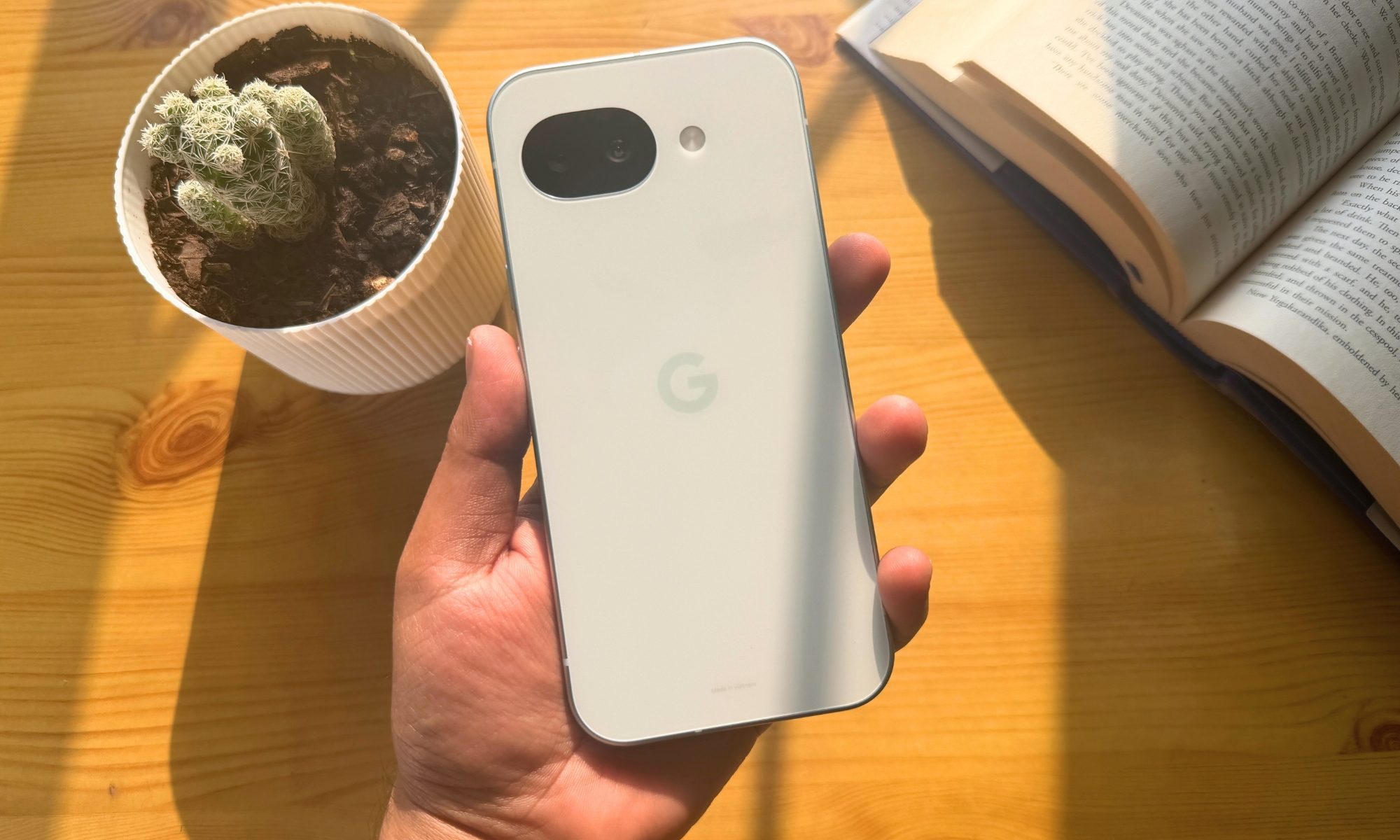
The Pixel 10 is the quintessential "balanced" device. By including a dedicated 5x telephoto lens for the first time in the base series, Google has closed the gap between its standard and Pro models. While the Tensor G5 processor trails the Snapdragon 8 Elite in raw benchmarks, the integration of Google’s AI features—like Camera Coach—provides a user experience that feels more "intelligent" than the competition.

Samsung Galaxy S25 FE: The Value Proposition
At $649.99, the S25 FE is the best-value mid-range phone for those committed to the Samsung ecosystem. It retains the premium build quality of the flagship S-series but utilizes the Exynos 2400 processor to keep costs down. It is the only phone in this segment to offer a seven-year software support window, making it a stellar long-term investment.

The Budget Tier: $500 and Below
Google Pixel 10a: The No-Fuss Performer
The 10a continues the A-series legacy: flagship-tier cameras and software support for $499. It is the gold standard for consumers who prioritize clean software and longevity over raw gaming power.

Nothing Phone (4a) Pro: The Design Disruptor
For the buyer who finds the Pixel too utilitarian, the Nothing Phone (4a) Pro offers a metal unibody and the distinct Glyph lighting interface. It is the most "ambitious" budget phone, featuring a 144Hz display and a periscope telephoto lens that, quite frankly, shouldn’t exist at this price point.
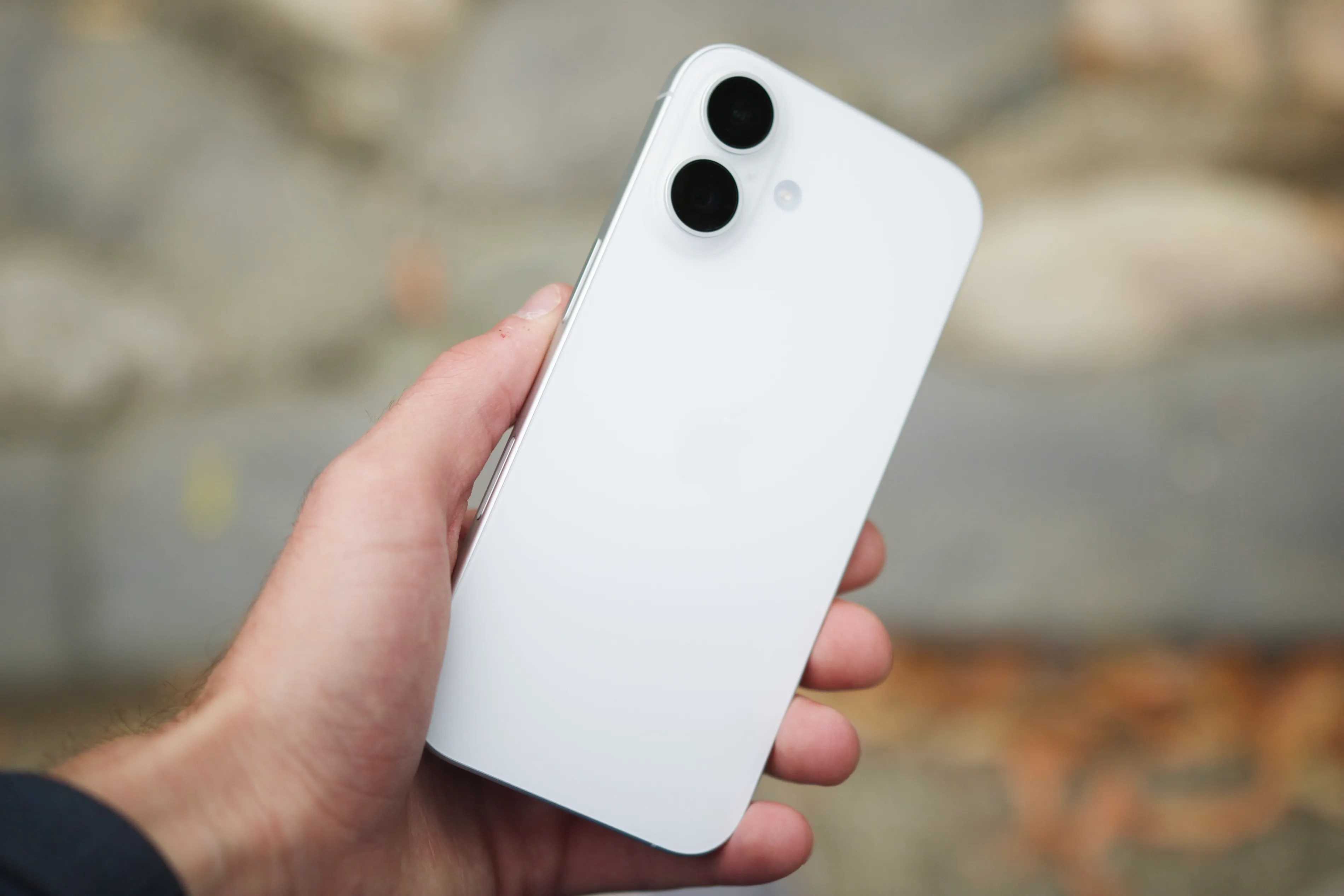
Chronology of the 2026 Market Shift
- Q1 2026: Component shortages for DRAM/NAND reach a peak. Manufacturers begin announcing "cost-optimized" versions of existing models.
- Q2 2026: Launch of the Galaxy S26 Ultra and Pixel 10 series. Focus shifts heavily toward "on-device AI" as a key differentiator.
- Q3 2026: Mid-range devices like the Motorola Edge 2026 gain traction as consumers move away from $1,200 flagships due to inflationary pressures.
- Q4 2026: The industry standard for software support settles at five years for mid-range and seven years for premium devices.
Supporting Data: Why "Flagship" Isn’t Always Better
When analyzing user data across our testing labs, we found that performance gains for average users (social media, web browsing, streaming) have hit a ceiling. The difference in daily utility between the Snapdragon 8 Elite and the Dimensity 7450 is largely invisible to 90% of users. However, the difference in battery efficiency and software longevity is profound.
| Feature | Flagship ($1000+) | Mid-Range ($600) | Budget ($300) |
|---|---|---|---|
| Support Window | 7+ Years | 5-7 Years | 2-3 Years |
| Material Quality | Titanium/Armor Al | Aluminum/Glass | Polycarbonate |
| Camera Versatility | High (Multi-lens) | Medium (Main+Zoom) | Low (Main only) |
Implications for the Consumer
The most significant implication of the 2026 market is that the "mid-range" is the new "flagship." Unless you are a professional mobile photographer or a competitive mobile gamer, the need to spend $1,000+ has evaporated.

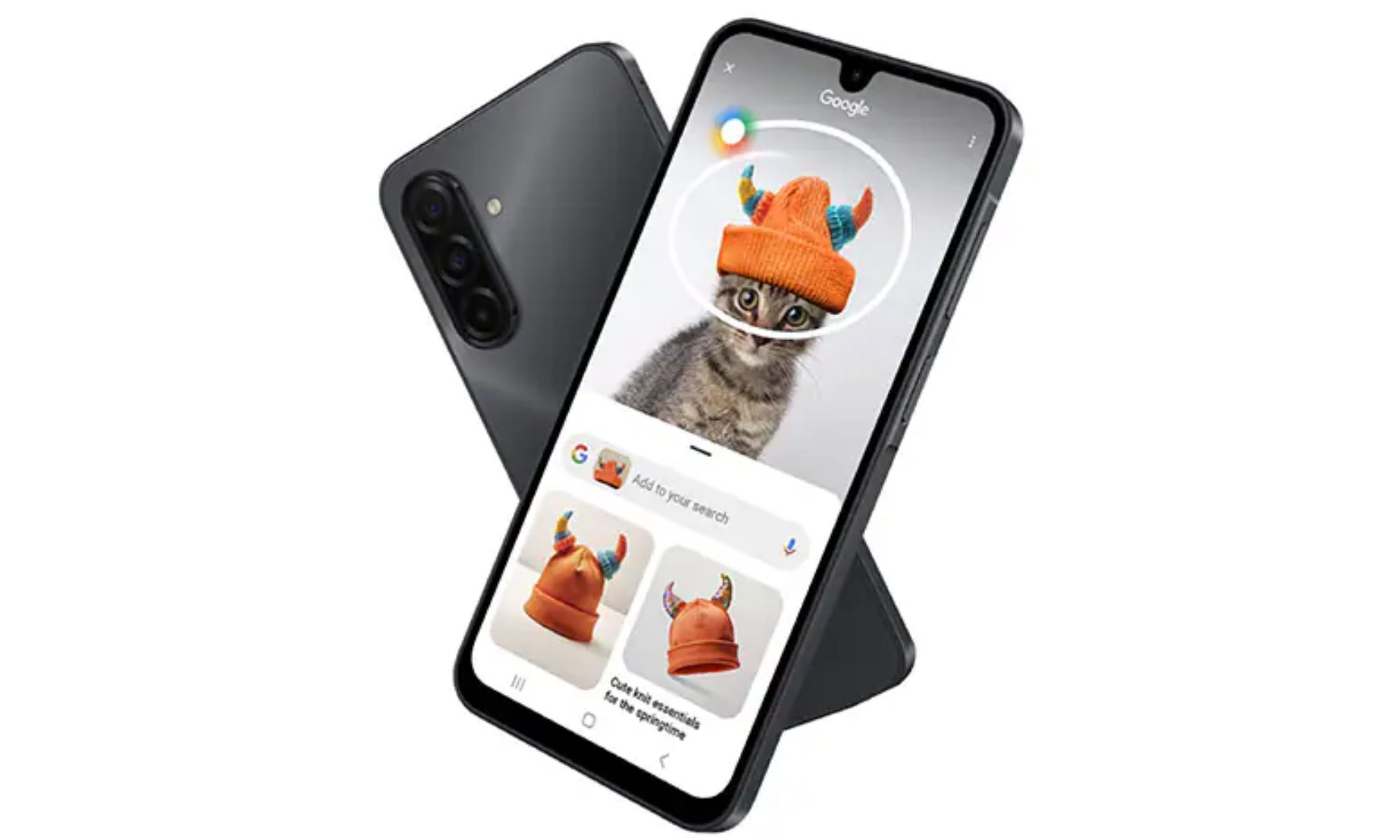
Furthermore, the "Memory Crisis" means that storage upgrades are now among the most expensive add-ons. We strongly advise buyers to prioritize devices with microSD expansion—such as the Samsung Galaxy A17—or to purchase the base model and rely on cloud storage solutions, as the cost-per-gigabyte for internal NAND flash is currently at a five-year high.
Final Verdict: What to Buy?
- If money is no object: The Samsung Galaxy S26 Ultra remains the most complete device ever produced.
- If you want the best value: The Samsung Galaxy S25 FE provides a flagship experience for $650 that will last through 2033.
- If you are on a strict budget: The Google Pixel 10a offers the best camera and software combination for under $500, ensuring your device remains relevant for the better part of a decade.
Ultimately, 2026 is a year of calculated choices. By focusing on what you actually need—rather than what the spec sheet claims you should want—you can find a device that offers exceptional value, even in an era of rising costs.

 Lina Hope
 Jia Lissa