Laily UPN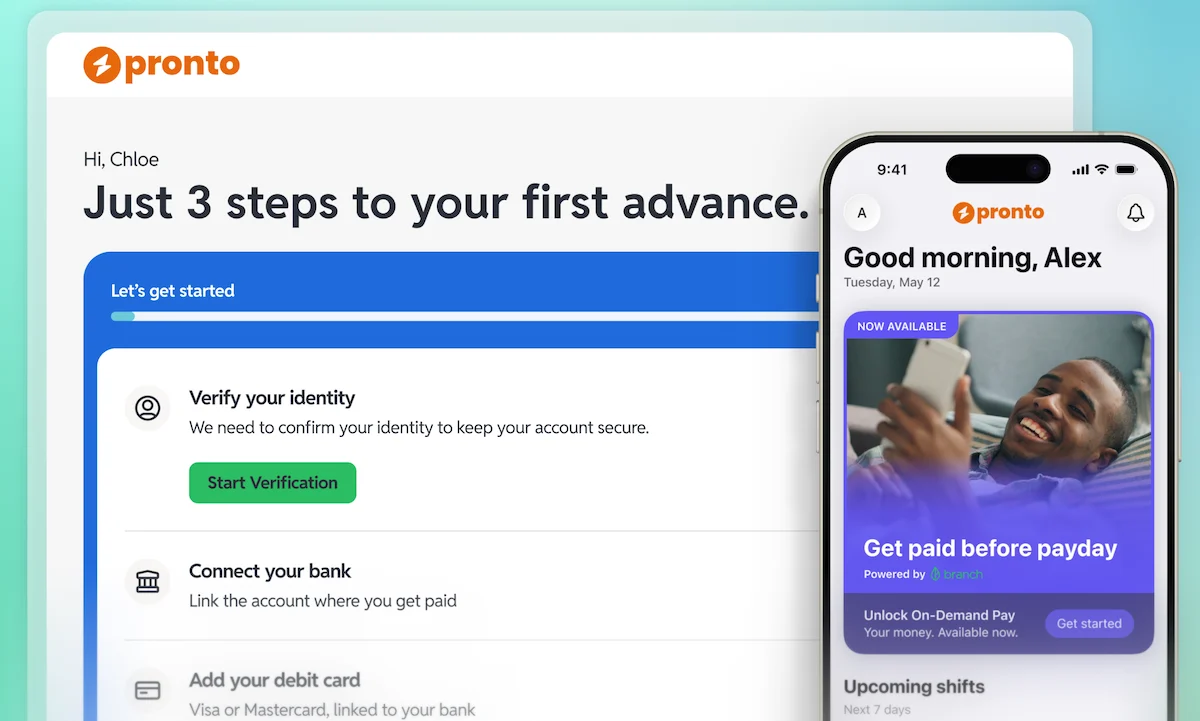
By PYMNTS | July 14, 2026
In an era where the traditional two-week pay cycle increasingly clashes with the realities of the modern cost-of-living crisis, workforce financial infrastructure provider Branch has unveiled a significant technological leap. On Tuesday (July 14, 2026), the company announced the launch of its "Flex" model—a transformative approach to earned wage access (EWA) that allows businesses and platforms to embed instant payment capabilities directly into the daily tools employees use to manage their work lives.
This evolution marks a departure from traditional, siloed payroll integrations. By enabling EWA to exist within scheduling, shift management, and workforce engagement software, Branch is effectively turning payment from a back-office administrative function into a front-facing, user-centric benefit.
The Core Innovation: Moving Beyond the Payroll Silo
Historically, integrating earned wage access required cumbersome engineering efforts, often forcing companies to build bespoke connectors between their payroll providers and their internal workforce management systems. This process was time-consuming, expensive, and prone to technical friction.
Branch’s new Flex model dismantles these barriers. By offering a plug-and-play architecture, Branch allows companies to weave EWA into the very apps workers open every day. Whether an employee is checking their upcoming shift, swapping a block of time with a colleague, or logging hours, they can now access a portion of their earned wages with a single tap.
"Embedding earned wage access into the workplace apps workers open every day can drive engagement, adoption and ongoing usage," said Atif Siddiqi, Founder and CEO of Branch. "These new configurations make that embedded experience far simpler to launch, so companies can turn earned wage access into a key value-add that differentiates and enhances their platform, while giving workers a compelling benefit they can genuinely rely on."
Chronology: A Trajectory of Embedded Financial Empowerment
Branch’s journey toward this announcement has been marked by a consistent push to modernize the "last mile" of payroll.
- September 2025: Branch debuted its first comprehensive embedded platform. This initial solution allowed businesses to integrate fast payment options—including EWA, 1099 payouts, and paycard management—directly into their existing corporate platforms. This marked the company’s first major move away from being a standalone app toward being an infrastructure layer.
- March 2026: In a major strategic partnership, Branch teamed up with Stripe. By leveraging Stripe Issuing, Branch enabled companies to launch digital wallets and branded debit cards for worker payouts, further blurring the line between a traditional paycheck and a digital financial ecosystem.
- March 2026 (Strategic Vision): Branch CFO Matt Peterson spoke with PYMNTS CEO Karen Webster, outlining the company’s broader mission. Peterson emphasized that the push for EWA is driven by a "secular trend" where the archaic wait times for compensation are becoming incompatible with modern economic needs.
- July 2026 (Present): The launch of the Flex model represents the culmination of these efforts, moving from simple integration to a frictionless, "no-engineering-required" embedded experience.
The Data: Why Workers Demand On-Demand Pay
The impetus for this shift is grounded in hard data. According to the PYMNTS Intelligence report, "Wage to Wallet™ Index: Never Quite Enough: How 30 Million Workers Borrow from Tomorrow to Pay for Today," the financial fragility of the labor force is a pressing issue.
The report reveals that 54% of Labor Economy workers found themselves needing money before their scheduled payday to cover essential expenses within a 90-day window. Even more alarming, 16% of these workers faced such a liquidity crunch at least four times within that same three-month period.
This data underscores the reality that for millions of employees, the traditional pay cycle is not just an inconvenience—it is a driver of financial stress. When workers cannot access what they have already earned, they are often forced to resort to high-interest payday loans, credit card debt, or overdraft fees.
"On-demand pay aligns directly with what workers say matters most when bridging a shortfall: speed, immediate availability and the ability to solve a financial problem without asking for help," the report notes.
New Features and Financial Flexibility
As part of this rollout, Branch has also optimized its payout delivery methods. Workers enrolled in either the Core or Flex models now have two primary avenues for receiving their funds:
- Instant Debit Card Transfer: For a nominal fee, workers can move their earned wages instantly to an existing debit card, providing immediate access to capital for emergencies.
- No-Cost Delayed Transfer: For those not in an immediate rush, Branch now provides a no-cost option to receive funds within two business days.
- Branch App Instant Transfer: For users within the Core model, instant transfers directly into the Branch app remain free of charge.
These tiered options reflect a nuanced understanding of workforce needs: the desire for low-cost, reliable access balanced against the occasional necessity for "instant" speed during personal financial crises.
Implications: The Death of the Two-Week Wait
The broader implications of Branch’s Flex model are profound for both the employer and the employee.
For the Employer: Talent Retention and Platform Differentiation
In a competitive labor market, compensation is no longer just about the hourly rate; it is about the "speed of pay." Companies that integrate Branch’s infrastructure can differentiate their employment brand. By offering immediate access to earnings, these employers demonstrate a commitment to worker welfare, which directly correlates with higher retention rates and reduced turnover—a massive operational win in industries like retail, hospitality, and logistics.
For the Platform: Driving Engagement
For software platforms (such as scheduling or HR management tools), Branch’s integration acts as a "sticky" feature. When an app provides essential financial services, it transforms from a utility that a worker uses only when necessary into a daily financial hub. This increases user sessions, engagement, and overall platform value.
For the Workforce: Financial Dignity
The shift to on-demand pay is fundamentally a shift toward financial dignity. As CFO Matt Peterson noted in his March interview, the era of waiting two to three weeks for earned money is drawing to a close. "There’s a secular trend here where workers don’t want to, and they shouldn’t need to, wait," Peterson stated. By providing workers with access to what they have already earned, Branch is helping to eliminate the "payday loan trap," allowing individuals to maintain liquidity without accruing predatory interest.
Conclusion: A New Standard for the Labor Economy
As Branch continues to iterate on its infrastructure, the boundary between "work" and "money" continues to dissolve. With the introduction of the Flex model, the company has effectively commoditized what was once a complex technical integration, bringing the benefits of on-demand pay to a wider array of businesses and employees.
As the industry moves forward, the success of platforms like Branch will be measured not just by the technology they deploy, but by the tangible impact they have on the financial well-being of the 30 million workers who have historically been underserved by the traditional banking and payroll systems. By making pay as dynamic as the work itself, Branch is setting a new standard for what it means to be a modern employer in the 21st century.


 Layla Zulfa
 Ammar Sabilarrohman