Asro
Asro
Amazon is currently orchestrating a high-stakes evolution for its iconic voice assistant, Alexa. Internal planning documents obtained by Business Insider have unveiled "Project Moonraker," an ambitious initiative designed to transition Alexa from a reactive voice-command tool into a truly "agentic" artificial intelligence capable of managing complex, multi-step workflows. As the tech industry pivots away from simple chatbots toward autonomous agents, Amazon’s strategy reflects a desperate need to reclaim relevance in an AI landscape dominated by the rapid advancements of OpenAI, Anthropic, and Google.
The Core Concept: Moving Beyond Simple Requests
At its heart, Project Moonraker is designed to solve the "intent gap" that currently plagues modern voice assistants. While the existing Alexa+ can handle singular queries—such as setting an alarm or playing a song—it often falters when tasked with orchestrating a series of interconnected actions.
"Agentic" AI represents the next frontier of personal computing. Instead of requiring a user to manually navigate through different applications, an agentic system acts as a digital proxy. Under the Moonraker vision, a user could issue a compound command: "Book a ride to the airport and text my partner with the ETA." The AI would be expected to autonomously interface with ride-sharing APIs, parse the estimated arrival time, and trigger messaging protocols without further intervention.
This evolution is critical for Amazon. While the company pioneered the smart speaker market, the advent of Large Language Models (LLMs) has left traditional voice assistants feeling archaic. By integrating more advanced reasoning capabilities, Amazon hopes to transform Alexa from a passive device into a proactive personal assistant that understands context, maintains state across multiple sessions, and manages real-world logistics.
A Chronology of the Alexa Evolution
To understand the significance of Moonraker, one must view it within the timeline of Amazon’s broader AI roadmap:
- Pre-2025 (The Legacy Era): Alexa functioned primarily on NLU (Natural Language Understanding) models, which relied on intent-slot matching. These systems were rigid and struggled with natural conversation.
- Early 2026 (The Alexa+ Launch): Amazon officially launched Alexa+ in the United States. This iteration introduced a more conversational, LLM-backed interface. It was a significant improvement in fluidity, yet early feedback highlighted persistent issues with task completion and memory retention.
- Mid-2026 (The "Sassy" and Personality Updates): In an effort to humanize the experience, Amazon introduced customizable personality styles, including a "sassy" mode that allows the assistant to use stronger language. This move was largely seen as a bid to drive user engagement through entertainment.
- Late 2026/Early 2027 (The Internal Pivot): Documents surface regarding the "Moonraker" project, indicating a shift from "conversational flair" back to "utility and agentic reliability."
- Present Day: Amazon is actively testing the integration of Anthropic’s Sonnet models to improve reasoning and visual processing, while simultaneously debating the massive capital expenditures required to sustain these features.
Supporting Data: The High Cost of Ambition
The internal documents reveal a startling reality regarding the financial commitment required to build a world-class AI agent. Amazon’s projections for 2026 alone cite GPU costs exceeding $100 million. This figure is not merely for research and development; it reflects the immense computational overhead required to run high-reasoning models for millions of concurrent users.
The documents highlight a significant point of internal friction: the "return on investment" debate. Some senior executives at Amazon have reportedly expressed concern that the company has already over-indexed on the AI models powering the current version of Alexa. This has led to internal deliberations about whether to scale back the project’s scope or delay its implementation.
Furthermore, technical blueprints suggest the use of "hundreds" of high-end NVIDIA GPUs to support the Moonraker infrastructure. By incorporating Anthropic’s Sonnet model, Amazon is signaling that it is willing to lean on third-party partnerships to achieve the necessary reasoning capabilities that its internal models may not yet possess. The combination of proprietary Amazon tech and high-performance third-party models is clearly intended to create a competitive moat, yet the cost-to-performance ratio remains a point of intense scrutiny within the boardroom.
The Performance Gap: Challenges in the Field
Despite the hype, the rollout of the current Alexa+ has been far from flawless. In international markets, such as the UK, the product remains in an "Early Access" phase, signaling that Amazon is still struggling with the complexities of localization and localized data privacy regulations.
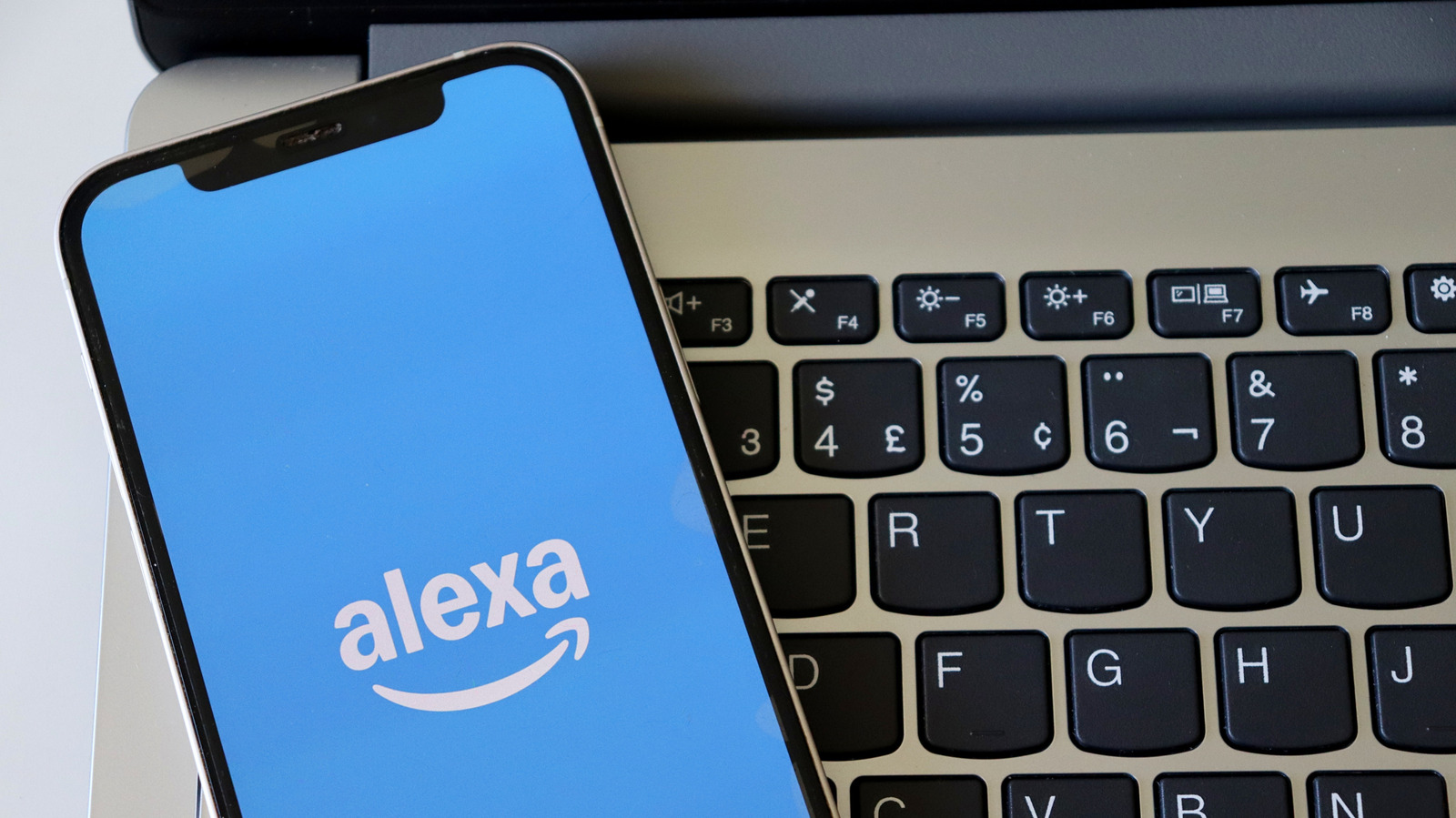
User sentiment, captured on platforms like Reddit, paints a picture of a service that feels "broken" in comparison to the reliability of the classic Alexa. Common grievances include the assistant’s inability to handle basic requests that previous, simpler iterations could execute perfectly. In a detailed review for Engadget, analyst Cherlynn Low noted a dichotomy: while the conversational flow of the new Alexa is philosophically impressive, the "functional intelligence"—specifically the ability to remember previous context while navigating third-party apps like Uber—remains inconsistent.
This creates a paradox: the smarter the model becomes in terms of dialogue, the more frustrated the user gets when it fails to perform simple, expected tasks. Moonraker is essentially Amazon’s attempt to bridge this "intelligence-utility gap."
Strategic Implications: Amazon’s Competitive Standing
The urgency behind Project Moonraker is driven by the rapid encroachment of competitors. Google’s Gemini is increasingly integrated into the Android ecosystem, allowing for deep, agentic control over mobile functions. Similarly, OpenAI’s advancements with GPT-4o and its "Operator" agent project have set a high bar for what a personal assistant should be able to do.
1. The Ecosystem Play
Amazon’s greatest advantage remains its "living room" dominance. By embedding Moonraker into Echo devices, Fire TVs, and the wider Alexa ecosystem, Amazon aims to ensure that the AI is present at the point of action. If Amazon fails to deliver a robust agentic assistant, it risks losing the smart home hub market to competitors who can offer more seamless, multi-modal, and autonomous experiences.
2. The Commercialization Dilemma
The $100 million-plus GPU cost poses a long-term sustainability question. Can Amazon monetize these agents effectively? Current efforts include food delivery integrations with services like GrubHub and Uber Eats, which likely provide a commission-based revenue stream. However, to offset the massive capital expenditure of Moonraker, Amazon may eventually need to move toward a more aggressive subscription model or find ways to make Alexa a more effective shopping funnel for the Amazon marketplace.
3. The Future of Human-AI Interaction
If Moonraker succeeds, it marks the end of the "app era" for the average consumer. Instead of opening a weather app, a calendar, and a messaging app, the user will interact with a single interface that pulls data from those sources. This is a profound shift in consumer behavior. It grants Amazon unprecedented control over the user’s digital life, which brings with it significant regulatory and privacy concerns that the company will have to navigate as it rolls out these features.
Conclusion: A Critical Juncture
Amazon stands at a crossroads. The transition to agentic AI is not merely an upgrade; it is a fundamental re-engineering of the company’s consumer-facing AI strategy. Project Moonraker represents both the promise of a truly intelligent assistant and the harsh reality of the costs involved in the AI arms race.
As the company weighs the decision to delay or accelerate its ambitions, the tech world will be watching closely. Whether Moonraker ultimately results in a seamless, helpful assistant or a bloated, expensive experiment will depend on Amazon’s ability to balance its massive infrastructure spend with the practical, daily needs of its millions of users. For now, the "sassy" Alexa is a distraction; the real battle for the future of the smart home will be won by whoever builds the most reliable, capable agent.

 Lina Hope
 Jia Lissa