Nila Kartika Wati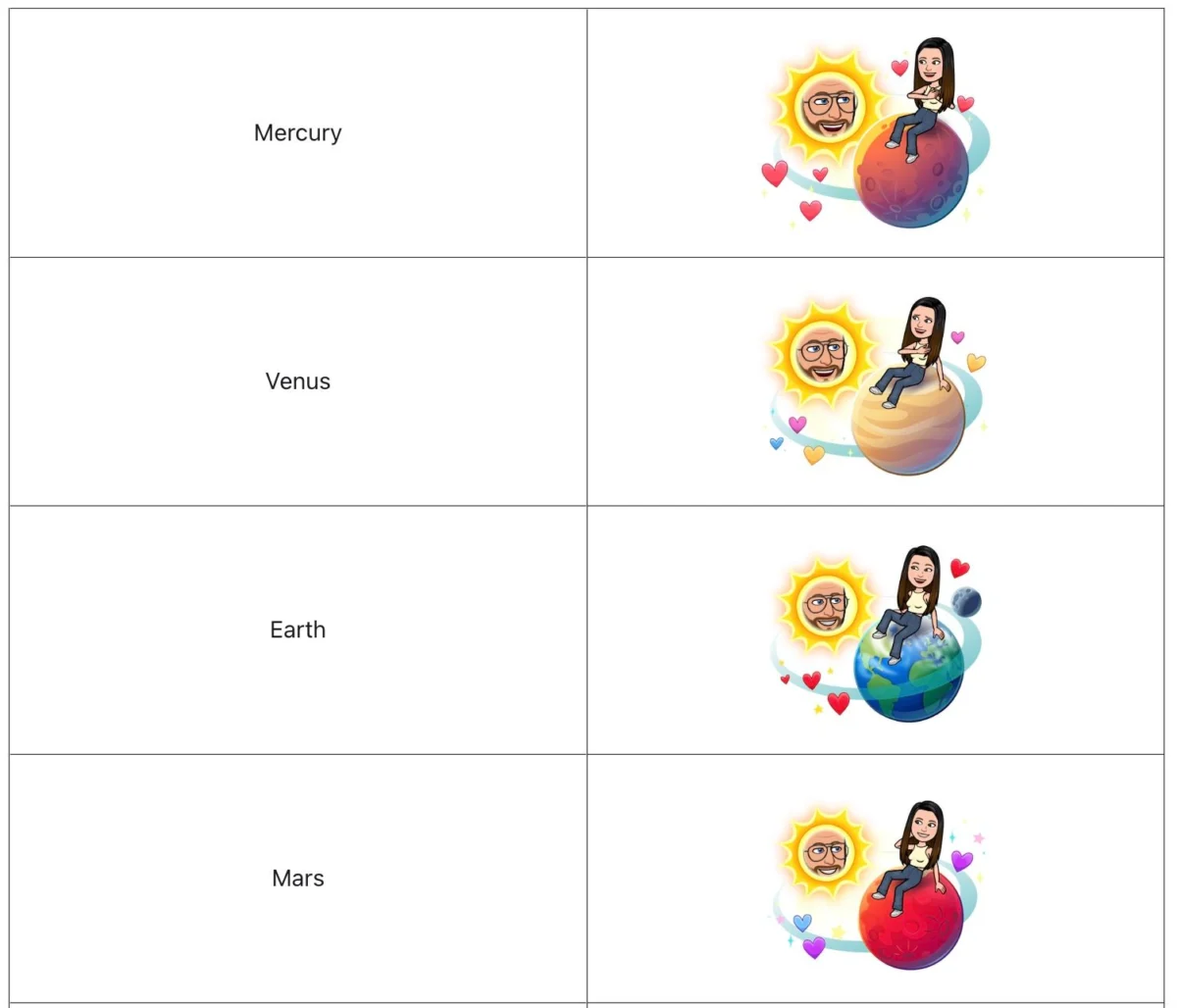
In the ever-evolving landscape of social media, few features have sparked as much intrigue, debate, and digital social anxiety as "Snapchat Planets." Part of the premium Snapchat+ subscription service, this feature transforms the mundane "Best Friends" list into a celestial navigation system. By mapping your top eight interactions to the planets of our solar system, Snapchat has gamified the nuances of human connection, turning binary data into a visual hierarchy that sits prominently on user profiles.
But what exactly is the Friend Solar System, and how does it affect the way we perceive our digital social circles? Below, we explore the mechanics, the psychology, and the technical requirements of one of Snapchat’s most exclusive features.
The Core Concept: Gamifying Social Interaction
At its heart, Snapchat Planets is a visualization tool. For years, the "Best Friends" list was a static, behind-the-scenes metric used by the app’s algorithm to prioritize who you see when you go to send a snap. With the introduction of Snapchat+, the developers decided to bring this data to the forefront, giving it a thematic, space-age aesthetic.
The system assigns each of your top eight friends a specific planet, ranging from Mercury (the closest) to Neptune (the eighth closest). This is not merely a decorative choice; it serves as a "social compass," allowing users to instantly gauge where they stand in the hierarchy of their friends’ digital lives.
The Planetary Order
The system follows the traditional astronomical order, strictly excluding Pluto (which remains a point of contention among space enthusiasts and Snapchat users alike). The ranking is as follows:

- Mercury: Your #1 Best Friend.
- Venus: Your #2 Best Friend.
- Earth: Your #3 Best Friend.
- Mars: Your #4 Best Friend.
- Jupiter: Your #5 Best Friend.
- Saturn: Your #6 Best Friend.
- Uranus: Your #7 Best Friend.
- Neptune: Your #8 Best Friend.
Chronology: The Evolution of Snapchat+ Features
To understand the current state of Snapchat Planets, one must look at the trajectory of the Snapchat+ subscription model. Launched in mid-2022, Snapchat+ was designed as a premium tier for the platform’s "power users." It was introduced as a way for Snap Inc. to diversify its revenue streams beyond traditional advertising.
Initially, the subscription offered basic perks like custom app icons and the ability to pin a #1 BFF. However, user feedback indicated a desire for more granular insights into social standing. By 2023, the "Friend Solar System" was rolled out as a flagship feature. It was met with immediate viral success on platforms like TikTok and X (formerly Twitter), where users began posting screenshots of their "solar systems" to verify the loyalty of their partners or friends.
The feature has since undergone minor UI updates to make the animations more fluid and the "Best Friends" algorithm more responsive to rapid changes in user behavior.
Supporting Data: How the Algorithm Ranks Connections
One of the most frequently asked questions is: "How does the app actually calculate this?" While Snap Inc. keeps the exact source code of its algorithm proprietary, the underlying mechanics are well-documented by data analysts and power users.
The ranking is based on a "Recency and Frequency" model. It is not determined by a single factor, but rather a weighted score that calculates:

- The volume of Snaps sent: Direct photo or video communication carries the highest weight.
- Chat frequency: Frequent text-based interaction contributes to the score but to a lesser degree than visual Snaps.
- Consistency: The algorithm favors streaks and daily interaction over sporadic, high-volume bursts.
- Recency: A single snap sent today is worth more in the algorithm than five snaps sent a week ago.
It is important to note that this is not a measure of friendship quality. The system is purely transactional. If you have a friend you talk to every day about mundane tasks, they will likely rank as your Mercury, while a lifelong friend with whom you only interact once a week may not even appear in your top eight.
Official Responses and User Experience
Snap Inc. has maintained a relatively neutral stance on the psychological implications of the feature. In various official communications, they have described the Friend Solar System as a "fun, visual way to celebrate the friendships that matter most on Snapchat."
However, the feature has faced criticism from mental health advocates who argue that it encourages "social comparison." By quantifying friendships, the app forces users to confront where they sit in someone else’s life. If a user discovers they are not on their partner’s "Planet" list, or if they drop from Mercury to Saturn, it can lead to unnecessary interpersonal conflict.
Despite this, the adoption rate of Snapchat+ suggests that users are willing to overlook these potential stressors in exchange for the "gamification" of their social life. The subscription model has continued to grow, proving that the desire for digital social status is a powerful motivator for users.
Implications: The Social Landscape of the Future
The implication of Snapchat Planets is clear: the future of social media is increasingly transparent and quantified. Where once we had "Top 8" lists on MySpace, we now have complex, real-time algorithms that calculate our social relevance.

The "Best Friend" vs. "Friend" Distinction
A crucial aspect of this system that many users misunderstand is the distinction between the "Best Friends" badge and a standard "Friend" badge.
- Best Friends: This is a mutual or near-mutual high-frequency relationship. The solar system only applies to this tier.
- Friends: This indicates that you are in someone’s contact list, but your interaction frequency does not meet the threshold to be considered a "Best Friend."
This distinction is vital for managing expectations. You may view someone as your "Mercury," but because of their own interaction patterns, you might not even appear in their "Solar System" at all. This lack of reciprocity is a common source of confusion for new Snapchat+ subscribers.
Technical Guide: How to Enable and Navigate the System
To access the Friend Solar System, you must be a paid Snapchat+ subscriber. Once you have an active subscription, follow these steps to ensure the feature is enabled:
- Subscription Verification: Ensure your Snapchat+ subscription is active. Pricing varies by region and is handled directly through the Apple App Store or Google Play Store.
- Enable the Feature: Navigate to your profile, tap on the Snapchat+ membership card, and find the "Friend Solar System" toggle in the feature list. Ensure it is switched to "On."
- View Your Ranking: Go to the chat screen, tap on a friend’s Bitmoji, and look for a badge that says "Best Friends" or "Friends." Tapping this badge will open a window displaying their position in your solar system.
Troubleshooting
If you do not see the badge, check the following:
- Privacy Settings: Ensure your privacy settings allow your friends to see your friendship status.
- Interaction Volume: If you haven’t interacted with a friend in a significant amount of time, they will drop off the list entirely.
- Update the App: Always ensure you are running the latest version of Snapchat from your respective app store.
Conclusion
Snapchat Planets is a fascinating bridge between technology and human emotion. It takes the invisible, complex web of our daily interactions and renders them in a way that is easy to understand, even if it is sometimes painful to witness.

While the system is ultimately just a reflection of digital activity, it serves as a reminder of how much we rely on platforms to define our social standing. Whether you use it as a lighthearted way to track your besties or as a deeper dive into your digital habits, the Friend Solar System is a testament to Snapchat’s ability to keep its user base engaged through innovation and curiosity. As we move forward, it will be interesting to see if other platforms adopt similar "ranking" features, further normalizing the quantification of our personal relationships.


 Lina Hope
 Jia Lissa