Raul Delapena Setiawan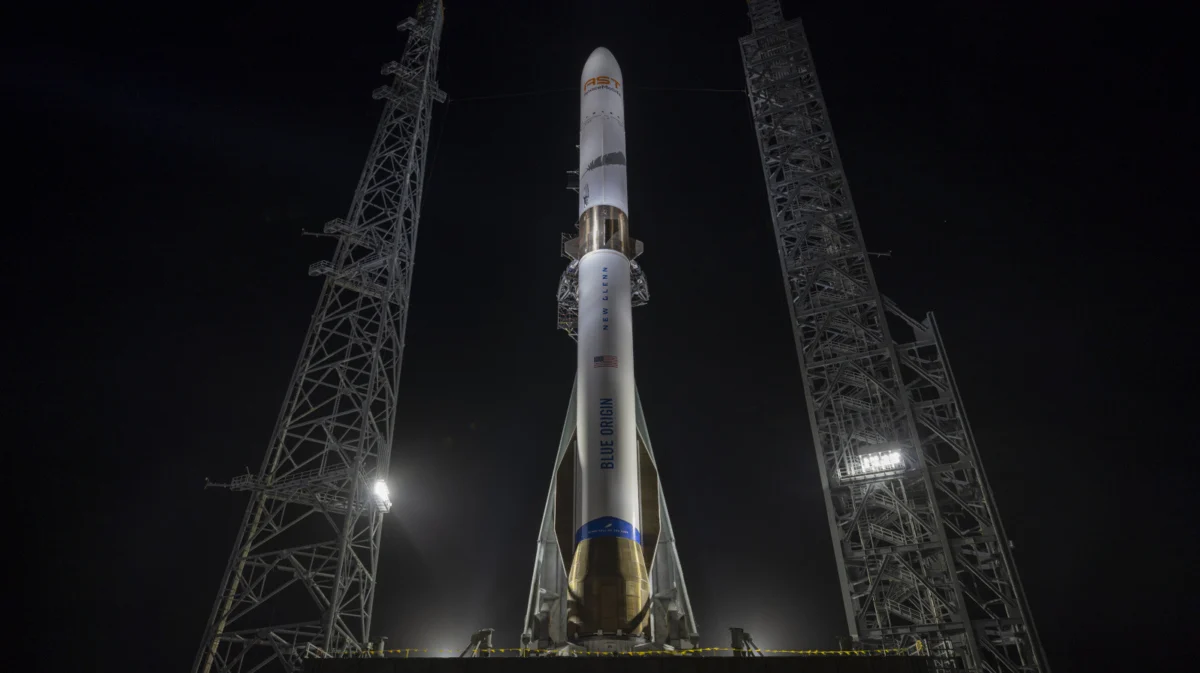
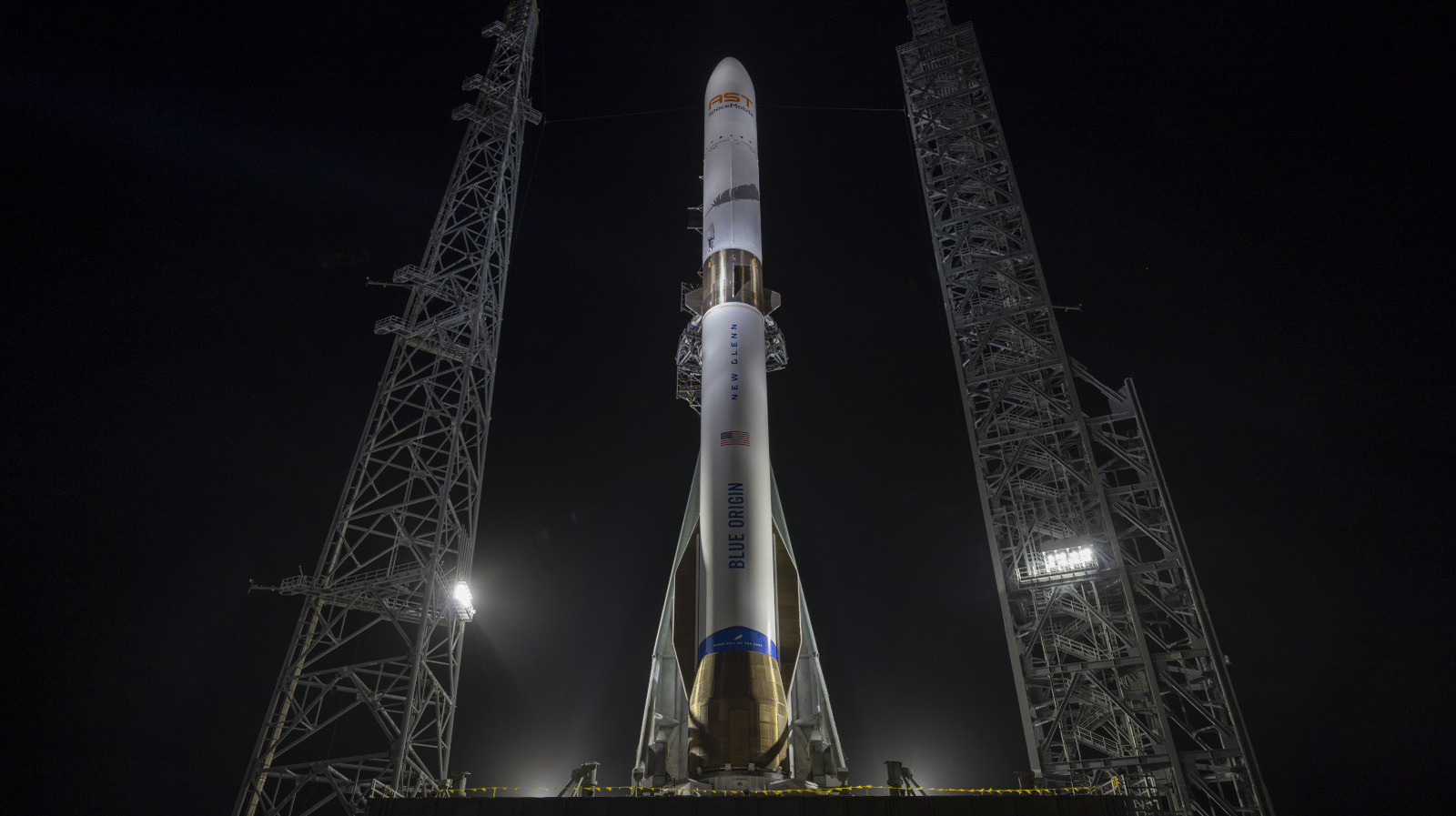
CAPE CANAVERAL, FL — In a catastrophic development for the commercial space sector, Blue Origin’s heavy-lift launch vehicle, New Glenn, was destroyed on the launchpad at Cape Canaveral Space Force Station late Tuesday evening. The explosion occurred during a routine "hotfire" static test, a critical pre-launch procedure designed to verify the performance of the rocket’s BE-4 engines before an upcoming mission.
The incident, which resulted in the total loss of the vehicle and significant damage to Launch Complex 36, marks a major inflection point for Jeff Bezos’s space company. While no injuries were reported, the accident has sent shockwaves through the aerospace industry, raising urgent questions regarding the timeline for NASA’s Artemis program and the future of the New Glenn launch platform.
The Incident: A Routine Test Turned Catastrophic
The explosion occurred under the cover of darkness as Blue Origin engineers were putting the massive New Glenn rocket through its paces. A hotfire test involves igniting the first-stage engines while the vehicle remains securely anchored to the pad, allowing ground control to monitor telemetry, fluid systems, and structural integrity under simulated flight conditions.
Footage captured from the perimeter of the launch site reveals a violent, instantaneous breach of the vehicle’s primary structure, followed by a massive fireball that consumed the launch gantry. The intensity of the blast effectively obliterated the rocket and inflicted severe collateral damage on the surrounding ground support equipment.
Blue Origin officially characterized the event as an "anomaly" during a hotfire test. The company’s internal investigation team, working in coordination with federal regulators, has already commenced the process of scouring the wreckage and analyzing terabytes of sensor data to determine the root cause of the failure.
Chronology of a Crisis
The road to this explosion is paved with recent technical and regulatory hurdles for Blue Origin. To understand the gravity of the current situation, one must look at the recent history of the New Glenn program:
- The Previous Failure: Earlier this year, the New Glenn rocket was grounded by the Federal Aviation Administration (FAA) following a failed orbital insertion during its third mission. The investigation determined that a cryogenic leak had frozen a critical hydraulic line, causing a thrust anomaly during the second-stage engine burn.
- The Path to Clearance: Following a months-long investigation and a rigorous oversight process by the FAA, Blue Origin was recently granted renewed clearance to fly. The company had expressed high confidence that the issues leading to the previous failure had been fully remediated.
- The Current Test: In preparation for a return-to-flight mission, the company proceeded with a static fire test on Tuesday evening. The intent was to confirm that the vehicle was flight-ready.
- The Explosion: At approximately 9:00 PM EST, the vehicle suffered a catastrophic failure on the pad, resulting in the total destruction of the hardware.
Official Responses: Resilience Amidst Ruin
In the immediate aftermath of the explosion, the atmosphere at Blue Origin was one of somber determination. Company founder Jeff Bezos issued a brief but resolute statement on social media.
"Very rough day, but we’ll rebuild whatever needs rebuilding and get back to flying," Bezos wrote on X. "It’s worth it." He emphasized that the safety of the personnel was the company’s highest priority, confirming that all ground crews were accounted for and safe.
NASA Administrator Jared Isaacman, whose agency relies heavily on the success of New Glenn for deep-space exploration, adopted a tone of professional empathy mixed with the stark reality of the industry. "Spaceflight is unforgiving, and developing new heavy-lift launch capability is extraordinarily difficult," Isaacman stated. "We will work with our partners to support a thorough investigation… and get back to launching rockets."
Implications for NASA’s Artemis and Moon Base Programs
The destruction of the New Glenn rocket is not merely a corporate setback; it is a significant strategic blow to national space policy. Blue Origin is a cornerstone partner in NASA’s Artemis program, contracted to provide commercial lunar landers for both cargo and human missions.
A Dependency on New Glenn
NASA had selected Blue Origin over SpaceX for the high-profile "Moon Base I" mission, currently slated for later this year. This mission is critical for establishing a sustained human presence on the lunar surface. Because the lunar lander is designed to launch aboard the New Glenn vehicle, the destruction of the only active launchpad at Cape Canaveral capable of supporting the rocket creates a "bottleneck" effect.
Reassessing the Timeline
The repair and reconstruction of Launch Complex 36 could take months, if not longer. Industry analysts suggest that if the damage to the pad’s sophisticated fueling and structural infrastructure is as extensive as the video evidence suggests, the "Moon Base I" mission is almost certainly delayed. NASA is now in the difficult position of having to determine whether it can maintain its 2026/2027 lunar roadmap or if a fundamental restructuring of the program is required.
Technical Analysis: The Complexity of Heavy-Lift Launch
The failure of a heavy-lift vehicle during testing is a reminder of the extreme physics involved in orbital mechanics. The BE-4 engines, which utilize liquid natural gas (methane) and liquid oxygen, are powerful but complex machines.
Experts note that cryogenic propellant systems are prone to thermal stress. A small leak in a high-pressure line can lead to the rapid formation of ice or the ignition of fuel vapors, which, in a confined space like a launchpad, can escalate to a full-vehicle detonation within milliseconds.
The FAA’s previous findings regarding a "cryogenic leak that froze a hydraulic line" suggest that the architecture of the rocket may be inherently sensitive to thermal management issues. The investigation into the latest explosion will almost certainly focus on whether these thermal issues persist in the updated hardware configurations.
The Path Forward: Rebuilding and Redundancy
Blue Origin faces a multi-front challenge:
- Forensics: Identifying the precise point of failure, whether it was a component failure, a software logic error, or a procedural lapse during the test.
- Infrastructure: Rebuilding the launchpad. Launch Complex 36 is a state-of-the-art facility, and its reconstruction will require massive capital investment and months of specialized labor.
- Regulatory Hurdles: The FAA will likely impose a new, more stringent oversight regime on the company. Securing flight clearance for a replacement vehicle will be a significantly more arduous task than the previous effort.
- Stakeholder Confidence: Retaining the trust of NASA and commercial satellite customers is paramount. The company must prove that this event was a "growing pain" rather than a systemic flaw in the New Glenn design philosophy.
As the smoke clears at Cape Canaveral, the space industry is reminded that the path to the stars is rarely linear. While Blue Origin’s "rough day" may disrupt schedules, the company remains backed by substantial resources and a long-term vision. However, the immediate future for New Glenn is defined by silence, investigation, and the daunting task of rebuilding a launch program from the ground up.
For now, the gaze of the space community remains fixed on the investigation, as the answer to what went wrong on the pad will dictate the pace of American space exploration for the foreseeable future.

 Lina Hope
 Jia Lissa