Ali Ikhwan
The United Kingdom’s Competition and Markets Authority (CMA) has officially initiated a high-stakes investigation into Microsoft’s dominance within the business software sector. The inquiry, launched under the digital markets competition regime established in January 2025, seeks to determine whether the tech giant holds "Strategic Market Status" (SMS) and if its current practices are stifling innovation, limiting consumer choice, and creating an insurmountable barrier to entry for smaller competitors.
As Microsoft’s suite of tools becomes increasingly embedded in the operational fabric of the British economy, the CMA is scrutinizing everything from basic productivity software and operating systems to advanced artificial intelligence integrations.
The Scope of the Inquiry: A Digital Monopoly?
At the heart of the CMA’s investigation is the concept of Strategic Market Status (SMS). Under the new UK regulatory framework, firms designated with SMS are subject to stricter oversight and are required to comply with specific codes of conduct designed to keep markets open and fair.
The CMA is not merely looking at Microsoft as a vendor, but as a holistic ecosystem. The investigation encompasses:
- Productivity Suites: Examining how tools like Microsoft 365 maintain their ubiquity.
- Operating Systems: Evaluating the leverage Microsoft maintains through its PC and server OS dominance.
- Database and Security Software: Investigating the "walled garden" effect created when businesses adopt Microsoft’s proprietary security and data management tools.
- AI Integration: A critical component of the inquiry is how Microsoft’s AI features (such as Copilot) are bundled into its existing workplace software, potentially disadvantaging rival AI service providers.
The regulator is particularly concerned with "lock-in" tactics. These include aggressive product bundling, interoperability constraints—which prevent third-party software from functioning seamlessly with Microsoft tools—and default settings that discourage users from exploring alternatives. With over 15 million commercial users in the UK, the sheer scale of Microsoft’s footprint means that even minor shifts in its product architecture can have systemic repercussions for hundreds of thousands of businesses and public sector entities.
Chronology: A History of Regulatory Friction
The path to this investigation has been paved by years of mounting concern regarding Microsoft’s business practices. While the formal SMS probe is a recent development, it represents the culmination of a long-standing tension between the tech giant and global regulators.
- Early 2020s – The Rise of Cloud Dominance: Microsoft’s transition to a "cloud-first" model, fueled by Azure and the Microsoft 365 ecosystem, triggered early warnings from cloud infrastructure providers who argued that Microsoft was using its software dominance to steer customers toward its own cloud services.
- 2023-2024 – The Cloud Market Investigation: The CMA conducted a deep dive into the UK cloud market. The regulator found that Microsoft’s software licensing terms—specifically those that made it significantly more expensive to run Microsoft software on non-Microsoft cloud platforms—created a "barrier to entry" that effectively reduced competition.
- January 2025 – The New Digital Regime: The UK government officially empowered the CMA with new tools to manage digital markets, allowing for the designation of SMS and more direct intervention in market conduct.
- May 2026 – Formal SMS Investigation Launch: The CMA confirms the launch of a full-scale inquiry into Microsoft’s business software ecosystem, moving from monitoring to formal investigation.
- February 2027 (Projected): The deadline for the CMA to announce its final decision regarding Microsoft’s SMS designation.
Supporting Data: Why the UK is Concerned
The CMA’s move is backed by significant industry feedback. The regulator has reported that numerous organisations, ranging from small enterprises to large-scale public infrastructure providers, have voiced concerns regarding the inability to integrate non-Microsoft products into their existing workflows.
Industry analysts point to the "interoperability gap." When a company relies on Microsoft’s security software to protect its data, that security software is often designed to prioritize Microsoft’s own database management systems, making it technically difficult—or prohibitively expensive—to swap out individual components for competing products.
Furthermore, the integration of generative AI has accelerated this trend. As AI becomes a "must-have" feature in word processing, email management, and data analytics, Microsoft’s ability to bundle its proprietary AI directly into the OS or the browser creates a competitive advantage that, according to critics, no startup can match. By making its AI "default," Microsoft effectively removes the incentive for users to trial rival AI models, potentially stifling the growth of the UK’s burgeoning AI sector.
Official Responses and Stakeholder Engagement
Sarah Cardell, CEO of the CMA, has been clear about the urgency of this investigation. "Business software is a cornerstone of how the UK economy functions, from small businesses to major public services and infrastructure," she stated. "Our aim is to understand how these markets are developing, Microsoft’s position within them, and to consider what, if any, targeted action may be needed to ensure UK organisations can benefit from choice, innovation, and competitive prices."
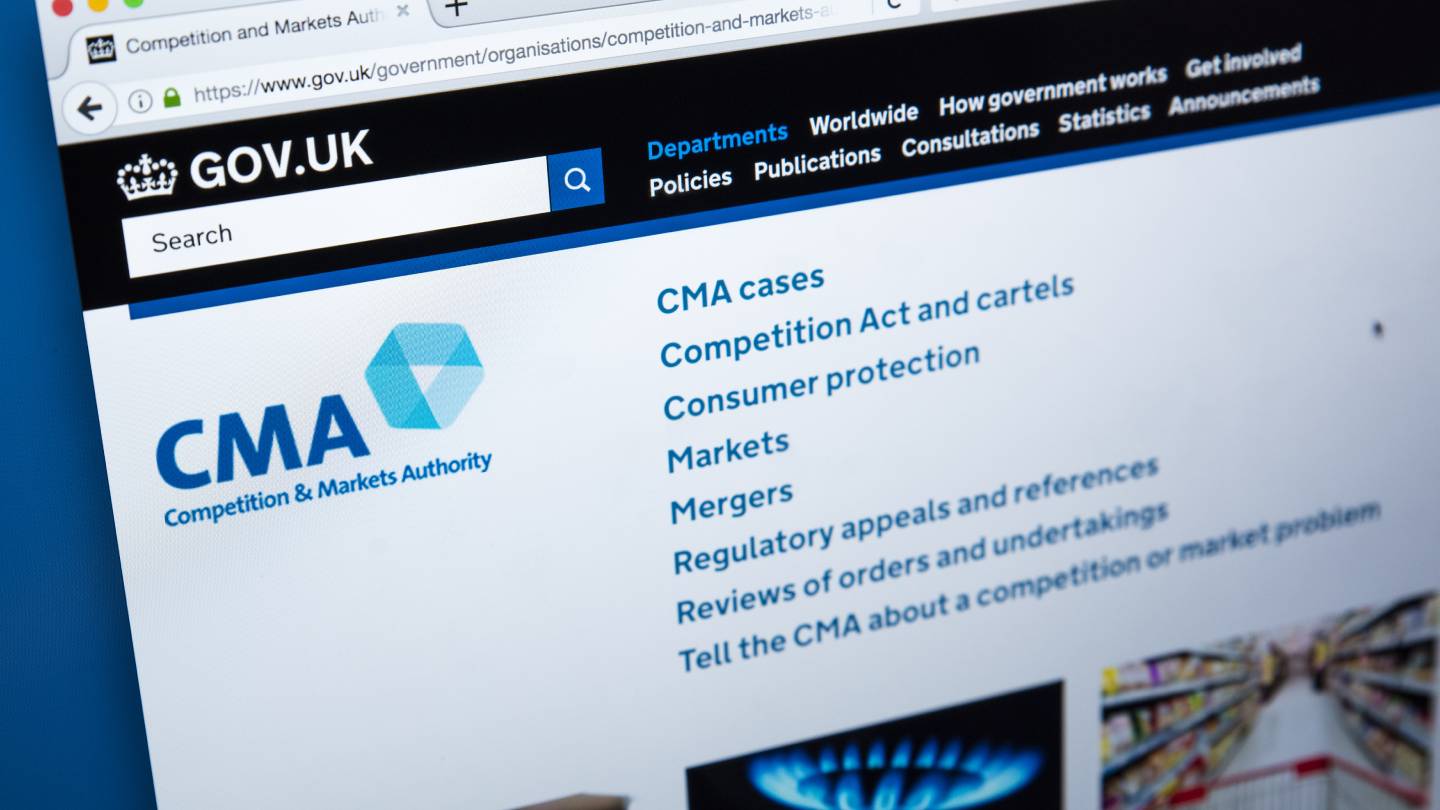
The CMA is currently in an active evidence-gathering phase. It has invited contributions from a wide array of stakeholders, including:
- Challenger Tech Firms: Smaller companies that feel squeezed out of the enterprise market.
- Public Sector Bodies: Government departments and agencies that rely on Microsoft systems and are sensitive to cost increases and vendor lock-in.
- Security Firms: Companies that provide niche security services and have complained that Microsoft’s "all-in-one" bundles make it impossible for them to compete on a level playing field.
Microsoft, for its part, has maintained that its integrations are designed to enhance user experience and security. The company has historically argued that its "ecosystem" approach provides a seamless, secure, and reliable environment for businesses, and that its licensing practices are standard within the industry.
Implications: What Happens Next?
The implications of this investigation are profound. If the CMA designates Microsoft with Strategic Market Status, the regulatory impact could be transformative.
1. Mandatory Interoperability
The CMA could force Microsoft to open its APIs (Application Programming Interfaces) to allow third-party software to interact with its core products as effectively as its own proprietary tools. This would effectively "de-bundle" the ecosystem, allowing customers to build "best-of-breed" software stacks rather than being forced into a Microsoft-only environment.
2. Licensing Reform
Building on the findings of the cloud market investigation, the CMA could mandate changes to how Microsoft licenses its software. This might involve prohibiting the practice of charging premiums for running Microsoft software on competing cloud platforms, thereby lowering costs for businesses and opening the market to cloud infrastructure rivals.
3. Structural Remedies
While less common, if the CMA determines that Microsoft’s dominance is causing systemic harm that cannot be fixed by behavioral changes, they could theoretically look at structural interventions. However, most experts anticipate the CMA will favor "conduct-based" remedies, such as forcing Microsoft to change how it bundles its AI tools or how it presents default settings to users.
4. Setting a Global Precedent
The UK is often seen as a bellwether for global competition regulation. A strong stance by the CMA would likely embolden regulators in the European Union (under the Digital Markets Act) and the United States (under the FTC and DOJ) to take a similar approach to Microsoft’s business practices.
Conclusion
The CMA’s investigation into Microsoft is more than a legal formality; it is a test of the UK’s new digital competition regime. By focusing on the "software ecosystem" rather than individual products, the regulator is acknowledging the modern reality of digital markets, where a single company’s suite of services can become as essential—and as difficult to avoid—as a public utility.
With a nine-month window to reach a conclusion, the industry is watching closely. The outcome will not only shape the future of Microsoft’s business in the UK but will also determine whether the next generation of enterprise software companies will have a fair chance to compete in a digital landscape currently dominated by a few global giants. As the February 2027 deadline approaches, the pressure on both the regulator and the tech giant will only continue to mount.


 Reynand Wu
 Asep Darmawan