Azzam Bilal Chamdy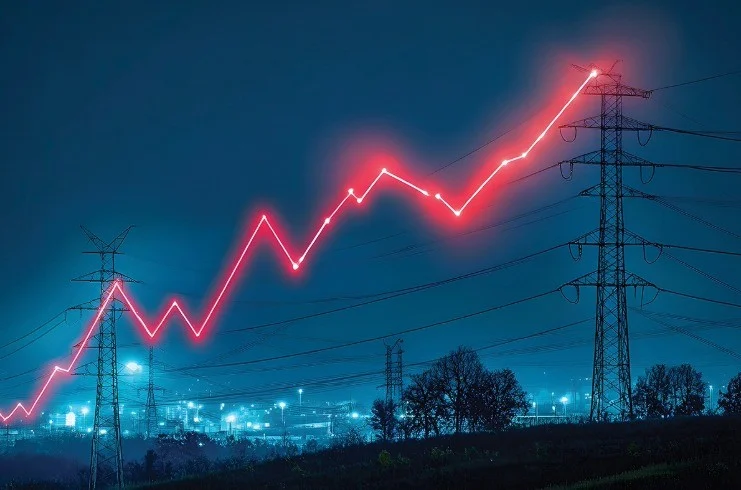
As the hospitality industry moves through the first quarter of 2026, the operating environment has shifted from a period of recovery to one of structural recalibration. For hotel owners and operators, the primary challenge is no longer merely managing labor costs or fluctuating occupancy; it is addressing a fundamental rise in the cost of basic utilities.
Energy and water—once treated as manageable background expenses—have transitioned into significant threats to the bottom line. This is not a cyclical fluctuation but a structural change in the cost of doing business. As the industry faces these convergent pressures, the traditional model of "marginal optimization" is being rendered obsolete. Success in the current era demands a new operational philosophy: the transition from resource consumption to resource intelligence.
Main Facts: The Convergent Crisis
The convergence of two distinct, yet equally aggressive, trends is reshaping hotel P&Ls across the globe.
First, the AI-driven energy surge. The explosive growth of artificial intelligence and the proliferation of massive data centers have placed unprecedented strain on the national power grid. As utility companies rush to upgrade infrastructure to accommodate this technological leap, the costs are being passed directly to commercial electricity consumers. Hotels, as high-volume energy users, are absorbing these costs as a form of "hidden tax."
Second, the water scarcity paradox. While energy costs are driven by technological demand, water costs are being driven by environmental constraints. Declining snowpacks, depleting aquifers, and the erosion of water infrastructure are forcing municipalities to raise rates and tighten regulations. For a 200-room property, the standard consumption of 80,000 gallons per day is no longer a benign operational figure; it is a financial liability that is increasingly susceptible to price volatility and regulatory caps.
Chronology of the Shift
The transition toward this high-cost environment did not occur overnight, but rather through a series of compounding events:
- 2020–2022 (The Baseline): Post-pandemic operational habits were established, often prioritizing immediate guest safety and sanitation over utility efficiency. During this time, energy and water prices remained relatively stable.
- 2023 (The Tipping Point): The rapid deployment of large-scale generative AI models began in earnest. Data center construction surged, leading to early warnings from grid operators about generation capacity gaps.
- 2024–2025 (The Infrastructure Lag): Utility companies began massive capital expenditure programs to modernize grids. Concurrently, major drought events in the Western United States and beyond highlighted the fragility of water supplies, leading to the first wave of significant, multi-year rate hikes for commercial entities.
- Early 2026 (The Current Reality): The "structural" nature of these costs is now fully manifest. Rates are no longer showing signs of retreating, and utility providers have publicly committed to long-term rate increases to fund ongoing grid and water system stability.
Supporting Data: By the Numbers
The data paints a sobering picture for operators who remain tethered to legacy utility management strategies.
The Energy Burden
In regions like California, the impact is already stark. PG&E rates have surged by approximately 61% since 2020. Current projections suggest a further 30% increase by 2030. This is not a regional outlier; it is a preview of the national trajectory. As grid operators across the U.S. mirror these investments in transmission and generation, hotel properties can expect the energy line item on their P&L to continue its upward climb.
The Water Consumption Footprint
The average hotel room utilizes roughly 400 gallons of water per day. This usage is distributed across:
- Guestrooms: Showers, toilets, and sinks.
- Laundry: One of the most intensive water-consuming departments.
- Mechanical Systems: Cooling towers and HVAC water loops.
- F&B and Landscaping: High-volume, often under-monitored usage points.
For a 200-room property, this equates to roughly 29.2 million gallons of water annually. When water prices rise in response to scarcity, the compounding effect on the property’s total operating expense (OPEX) is significant.

The Waste Factor
Efficiency studies continue to reveal that between 40% and 60% of electricity in a typical commercial building is wasted. This includes:
- HVAC inefficiencies: Cooling or heating unoccupied guestrooms.
- Back-of-house operations: Equipment running on fixed timers rather than demand-based sensors.
- F&B Waste: Annual losses of up to $40,000 per property due to poor forecasting and procurement, which directly impacts the energy used for refrigeration and food prep.
Official Responses and Industry Sentiment
Industry trade groups and asset management firms have begun to shift their focus. The American Hotel & Lodging Association (AHLA) and similar bodies have emphasized that rising costs and staffing challenges are the two primary headwinds for 2026.
Market analysts suggest that "smart hotels" are moving beyond simple sustainability marketing. Instead, they are adopting "operational intelligence." In recent quarterly reports, major hospitality REITs have noted that property-level energy management is no longer a sustainability initiative—it is a risk-mitigation strategy. The consensus among top-tier operators is clear: the properties that fail to integrate real-time monitoring of energy and water will suffer from higher cost bases that will make them non-competitive in the long run.
Implications for the Future of Hospitality
The implications of this new reality are profound. To maintain margins, operators must adopt a holistic, systems-level approach to resource management.
1. From Maintenance to Intelligence
Operations teams must shift from reactive maintenance (fixing a leak when it is found) to proactive intelligence (using IoT sensors to detect leaks or inefficiencies before they impact the bill). This includes investing in smart irrigation, high-efficiency plumbing fixtures, and automated laundry systems that track usage per cycle.
2. Procurement and Forecasting
The "buy and use" model is dead. Successful properties are now re-examining their procurement habits. By aligning F&B production with actual occupancy and real-time demand, hotels can reduce the energy and water footprint associated with excess waste.
3. Structural Cost Advantage
The most critical implication is that efficiency is now a competitive differentiator. If one operator spends 15% of their revenue on utilities while a competitor—having invested in resource-smart systems—spends only 8%, the latter has a structural cost advantage. This advantage can be reinvested into guest experiences, property renovations, or staff retention, creating a compounding advantage over time.
4. The "Resource-Smart" Mandate
The next generation of successful hotels will be defined by their ability to track how energy, water, materials, and waste move through their buildings. Operators who act now—implementing granular metering and demand-side management—will insulate themselves from the inevitable utility price hikes of the next three to five years.
Conclusion: The Present Decision
The forces reshaping the hospitality industry are not decelerating. AI infrastructure will continue to draw from the grid, and water scarcity remains a long-term challenge. For the hotelier of 2026, resource management is not a task to be delegated to a sustainability committee; it is a core operational discipline.
The decision to optimize these systems is no longer a choice between "going green" or "staying profitable." It is a necessity for financial survival. Those who treat energy and water as the critical assets they are will find themselves in a position of strength, while those who wait will find that their competition has already secured the structural cost advantages that will define the next decade of hospitality excellence.


 Sagoh
Sagoh
 Rifan Muazin