Rifan Muazin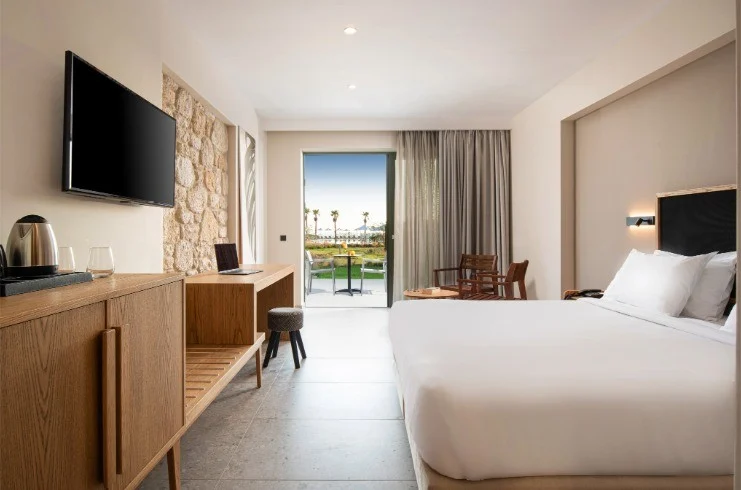
The global hospitality landscape is currently navigating a period of unprecedented expansion and rapid digital transformation. According to recent market analysis, the United States hotel industry surpassed $263.21 billion in valuation in 2024. With a projected compound annual growth rate (CAGR) of 7.1 percent, the market is on a trajectory to exceed $395 billion by 2030. In such a high-stakes, hyper-competitive environment, operators are no longer merely competing on room rates or location; they are competing on the depth, quality, and fluidity of the guest experience.
Against this backdrop of rapid growth, a surprising hero has emerged at the center of the modern guestroom: the in-room television. Once dismissed as a static piece of hardware relegated to playing cable news or pay-per-view movies, the smart display has evolved into a sophisticated, multi-functional command center. Today, these integrated platforms act as virtual concierges, targeted marketing engines, and loyalty-building tools, effectively bridging the gap between operational efficiency and personalized hospitality.
The Chronology of In-Room Connectivity
To understand the significance of the modern "smart display," one must look back at the evolution of hotel entertainment.
- The Analog Era (1970s–1990s): The hotel television was a passive receiver. Content was limited to broadcast channels, and the primary innovation was the introduction of pay-per-view systems, which were often cumbersome and prone to technical failure.
- The Digital Transition (2000s–2015): As flat-panel displays replaced bulky CRTs, the focus shifted to high-definition content and basic interactive menus. However, these systems remained "walled gardens," disconnected from the rest of the hotel’s infrastructure.
- The IoT Integration (2016–2022): The rise of mobile connectivity forced a change. Guests began demanding the ability to cast their own content. During this phase, hoteliers began integrating TVs with PMS (Property Management Systems), allowing for basic messaging and folio review.
- The Modern "Smart Hub" Era (2023–Present): We are now in the age of the intelligent display. These devices serve as the central nervous system of the room, communicating with lighting, thermostats, and guest data profiles to create a responsive, automated environment.
Supporting Data: Why Tech Investment Matters
The shift toward interactive displays is not merely a trend; it is a response to changing consumer demographics. Data suggests that modern travelers—particularly Millennials and Gen Z—prioritize seamless digital integration.
- Efficiency Gains: Research indicates that automating routine guest queries (such as requests for late check-outs or WiFi assistance) through on-screen interfaces can reduce front-desk call volume by up to 30 percent, allowing staff to focus on high-touch service requirements.
- Revenue Generation: Properties utilizing interactive displays for upsell prompts—such as spa packages, restaurant reservations, or room upgrades—have reported a measurable increase in ancillary revenue. These "soft pushes" are perceived as helpful suggestions rather than intrusive advertising.
- Guest Satisfaction (RevPAR Influence): A seamless technology experience is a key driver of guest satisfaction scores. High satisfaction directly correlates with repeat bookings, which are significantly cheaper to acquire than new customers, thereby improving the overall Revenue Per Available Room (RevPAR).
The Centralized Guest Experience Hub
Modern display platforms represent a paradigm shift in how information is delivered. By consolidating entertainment, services, and facility controls, the television removes the friction traditionally associated with hotel stays.
A Unified Interface
The contemporary smart display acts as a digital concierge. Instead of flipping through laminated guidebooks or scrolling through poorly optimized mobile websites, guests can access everything they need from the comfort of their bed. Whether it is reviewing the hotel’s dining menu, checking a flight status, or requesting fresh towels, the interface provides instant gratification.
IoT Integration and Environmental Control
The integration with Internet of Things (IoT) devices is perhaps the most transformative aspect of current hardware. By linking the display to the room’s climate control and lighting systems, guests gain total environmental autonomy. Voice-enabled interfaces further augment this, allowing for hands-free adjustments—a feature that has gained significant traction in the post-pandemic era, where touchless interactions are preferred.
Hyper-Personalization: The New Standard of Luxury
The true breakthrough in hotel technology lies in the transition from generic welcome screens to hyper-personalized content. Automation is the engine behind this shift.
Tailored Guest Profiles
Using data provided during the booking process, hoteliers can now greet guests by name, offer recommendations based on the purpose of their stay, and even adjust the room’s "mood" (lighting and content) before the guest enters.
For instance, a guest arriving for a high-pressure business conference may find their screen populated with local office-space rentals, productivity tools, and quick-service dining options. Conversely, a family on vacation may see a curated list of kid-friendly activities, pool hours, and local attractions.

The Emotional Impact of Personalization
"We have just a few days to make an impact," one veteran hotelier noted during a recent industry conference. "When a guest walks in and sees something made just for them—whether it’s celebrating a milestone anniversary or simply greeting them by name—it tells them we truly want them here."
These small touches bridge the gap between "accommodation" and "hospitality." By using technology to recognize the guest, the hotel creates an emotional connection that transcends the transactional nature of the stay.
Revenue Implications and Brand Loyalty
Critics often argue that technology dehumanizes the hotel experience. However, when deployed correctly, smart displays actually free up human staff to engage more meaningfully with guests.
Monetizing the Digital Real Estate
Displays serve as high-visibility marketing platforms. By integrating local partnerships—such as partnerships with tour operators, boutique shops, or high-end dining establishments—hotels can generate referral revenue. Because these ads are served within a trusted environment, they boast higher conversion rates than traditional mobile advertising.
Strengthening Brand Identity
The display acts as a constant, consistent brand ambassador. From the specific color palette of the UI to the curated imagery of the hotel’s amenities, every interaction on the screen reinforces the brand’s identity. This consistency ensures that the hotel remains at the top of the guest’s mind long after they have checked out.
Official Industry Responses and Future Implications
Industry leaders are observing these changes with significant interest. The consensus among technology architects in the hospitality sector is that we are approaching a "tipping point."
From "Nice-to-Have" to "Must-Have"
In the current market, guests have come to expect the same level of connectivity in a hotel room as they have in their own homes. Consequently, the smart display has shifted from a "nice-to-have" amenity to a "must-have" requirement. Properties that fail to upgrade their in-room tech risk being labeled "dated" or "inconvenient" in online reviews, which can have a devastating impact on long-term bookings.
Strategic Resilience
For hotel operators, investing in smart display infrastructure is a strategy for resilience. As the market grows and competition intensifies, those who can offer a seamless, personalized, and efficient experience will thrive. The goal is not to replace the human element of hospitality, but to enhance it. By automating the routine, the staff is empowered to handle the exceptional—the personal interactions that define a truly great stay.
Conclusion: The Path Forward
The hotel industry is at an inflection point where technology and hospitality must converge to meet the needs of a more demanding, digitally savvy traveler. The transformation of the in-room television into a personalized, interactive hub is a testament to the power of innovation.
As we look toward 2030 and beyond, the properties that succeed will be those that embrace this technology not as a distraction, but as a gateway to deeper, more meaningful guest engagement. The screen is no longer just for viewing; it is the modern portal to a superior stay, ensuring that every guest feels recognized, catered to, and—most importantly—welcome.


 Nila Kartika Wati
 Layla Zulfa