Rifan Muazin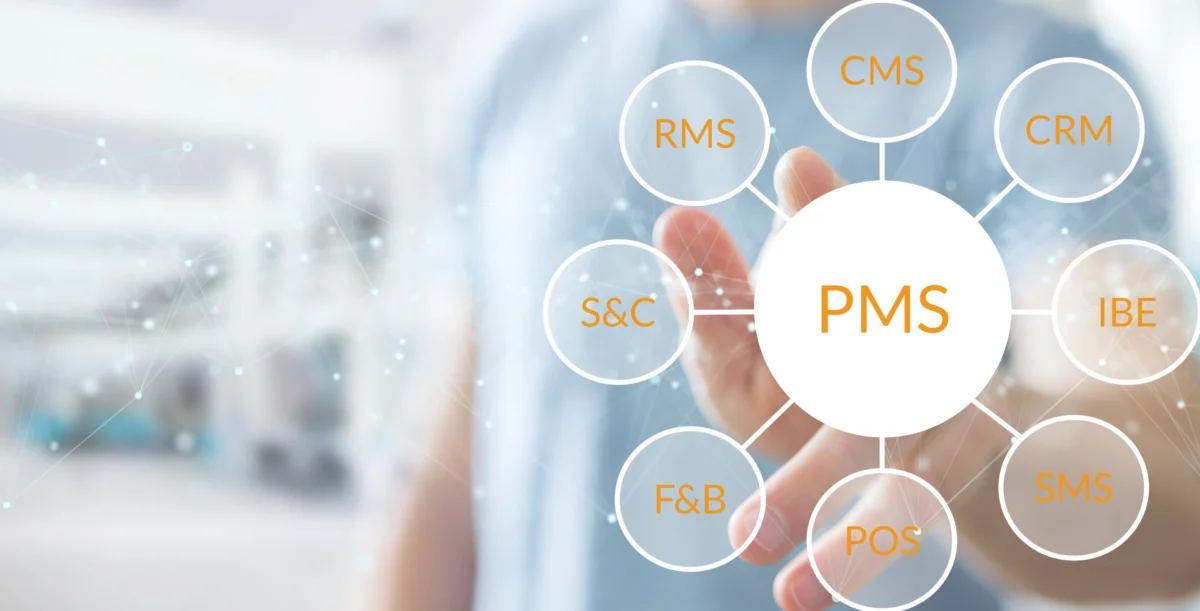
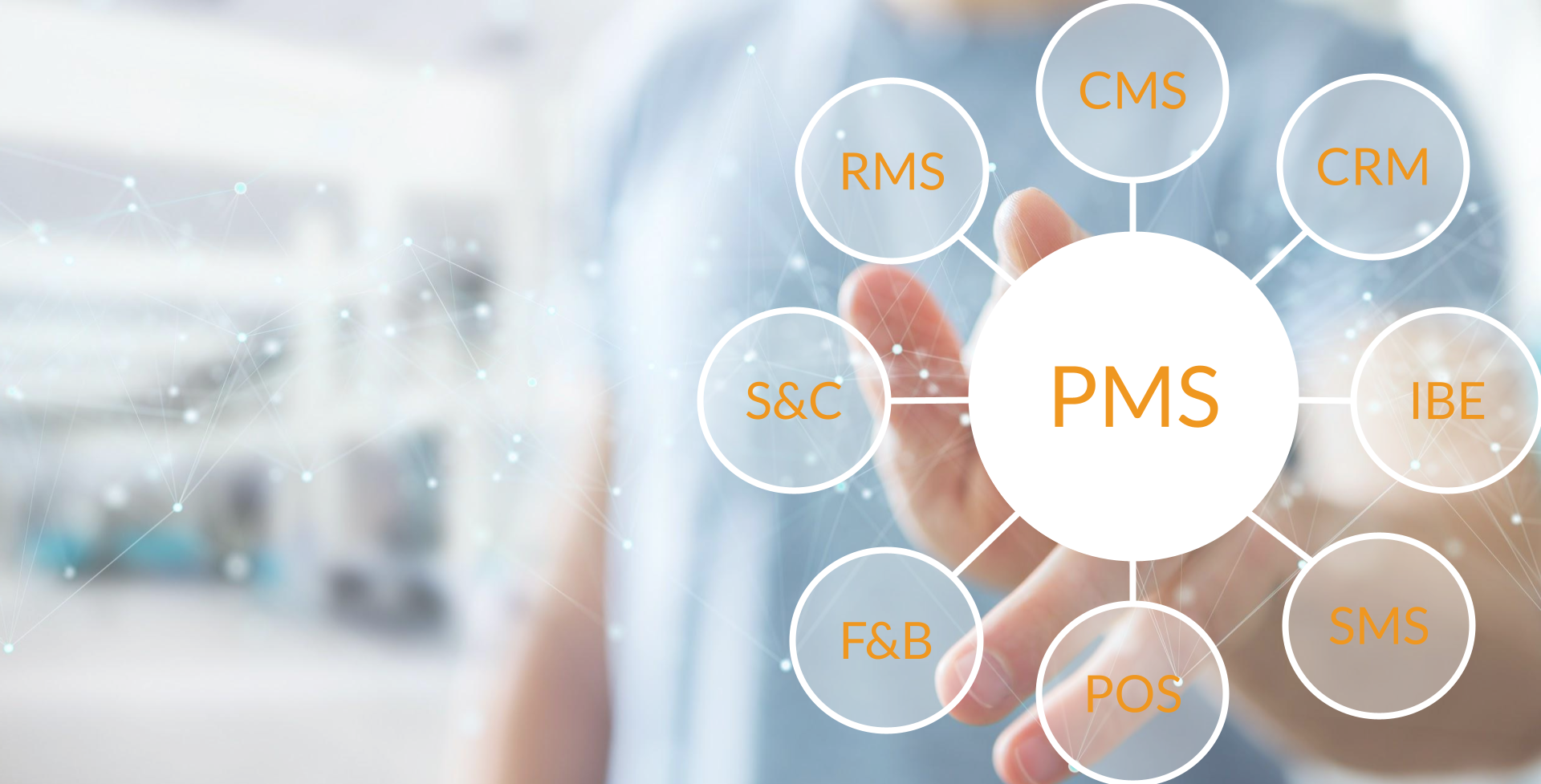
To understand the current state of hospitality technology, one must first address the foundational question: What is a PMS integration? At its essence, Property Management System (PMS) integration is the process of establishing a secure, real-time data bridge between a hotel’s central management platform and a constellation of third-party applications or hardware.
This connectivity allows a unified ecosystem to emerge, where a guest’s journey—from the initial booking on a mobile app to their final room charge for a late-night snack—is tracked, analyzed, and optimized within a single, coherent data layer. In the hyper-competitive landscape of 2026, where guest expectations are higher than ever, the PMS is no longer merely a database; it is the digital nervous system of the modern hotel.
The Evolution: From Silos to Connected Ecosystems
Historically, hotel technology operated in isolated silos. Front office teams managed reservations in the PMS, food and beverage departments relied on separate Point-of-Sale (POS) systems, and housekeeping managed room status via clipboards or disconnected legacy software. These systems rarely communicated, forcing staff to manually transfer data between platforms.
This fragmented approach was a recipe for inefficiency. It increased the risk of human error, created data discrepancies that haunted accounting departments, and severely limited a hotel’s visibility into real-time performance. A front-desk agent might be unaware that a guest had checked out of a room simply because the housekeeping app hadn’t "talked" to the PMS.
The shift from on-premise, hosted solutions to cloud-native, API-first platforms has revolutionized this landscape. Cloud-native platforms are designed for continuous availability, boasting near 100% uptime and providing the flexibility required to adopt new technologies without the disruptive "rip and replace" hardware cycles that defined the early 2000s. This evolution has created a significant competitive advantage for hotels that prioritize a connected stack, with studies indicating that such operational automation can reduce administrative costs by 20% to 40% while simultaneously boosting Revenue Per Available Room (RevPAR).
The Chronology of Connectivity: How Systems Align
The integration process has moved through three distinct phases:
- The Manual Era: Information was moved by humans. A booking arrived via email, and a clerk typed it into the PMS. If the guest wanted a spa appointment, the clerk called the spa.
- The Batch Interface Era: Systems began to talk, but only on a schedule. Once every 24 hours, data would be "pushed" from one system to another. This created "data latency," where information was often outdated by the time it reached the relevant department.
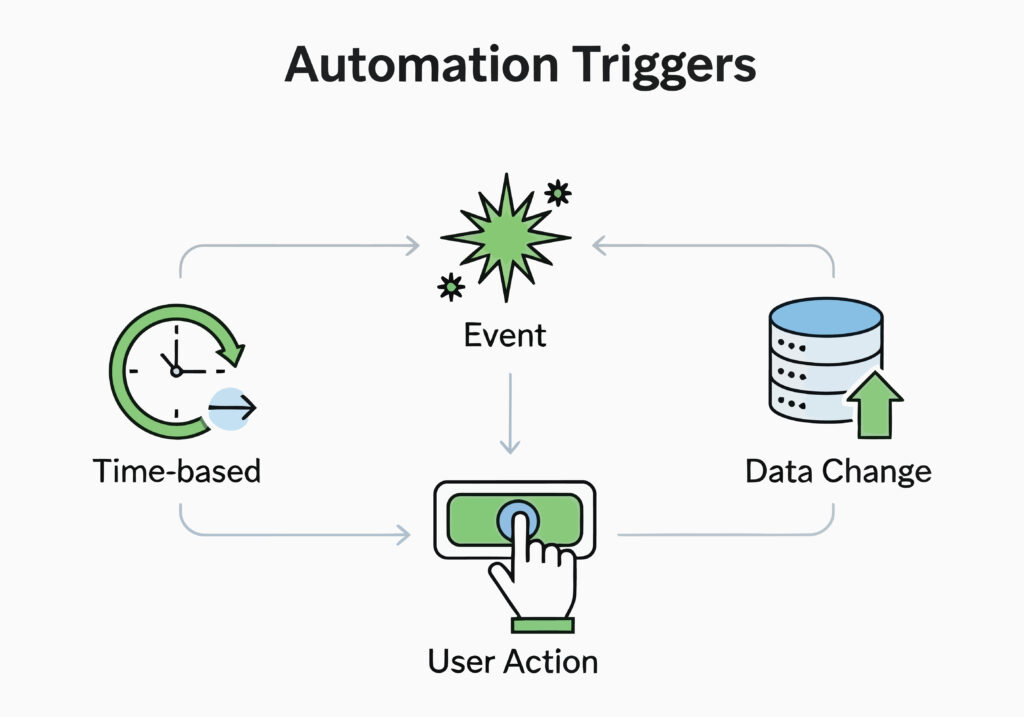
- The Real-Time/API Era (Current): Modern hotels utilize Webhooks and Open APIs. When a guest books a room, the PMS immediately updates the inventory, sends a trigger to the mobile check-in app, and notifies the housekeeping module—all in milliseconds.
Key Systems Integrating with the Modern PMS
To function at peak efficiency, a hotel PMS must act as the central hub for a variety of specialized tools:
- Channel Managers: Essential for synchronizing availability across OTAs (like Booking.com or Expedia) to prevent overbookings.
- Point-of-Sale (POS): Ensures that restaurant, bar, and retail charges are instantly posted to the correct guest folio.
- Revenue Management Systems (RMS): Uses historical data and market demand to suggest dynamic room pricing.
- Guest Messaging & Chatbots: AI-driven tools that handle pre-arrival inquiries and provide real-time service.
- Smart Room/IoT Controls: Systems that manage climate and lighting to improve guest comfort and energy efficiency.
- Payment Gateways: Secure processors that handle transactions while ensuring PCI compliance.
Operational Implications: Streamlining and Efficiency
The primary benefit of a well-integrated PMS is the elimination of manual "double-entry" work. When systems are synchronized, reservations, guest profiles, charges, and room statuses flow seamlessly.

For the hotel staff, this shift is transformative. Instead of spending hours reconciling data, employees can focus on the "human" element of hospitality. Furthermore, properties that utilize sophisticated channel manager integration often see overbookings drop to near-zero levels, while simultaneously reducing the time spent on manual OTA management by over 50%.
Consider the "ready-to-room" journey: In an integrated stack, the moment a housekeeper marks a room as "clean" on their tablet, the PMS receives the signal, updates the room status, and can automatically trigger an SMS to the guest informing them that their room is ready for early check-in. Without this integration, the guest might sit in the lobby waiting, unaware that their room has been prepared, while staff spend precious minutes on manual communication.
Supporting Data: The ROI of Integration
The financial impact of a connected ecosystem is measurable. Research highlights that:
- Administrative Cost Reduction: By automating repetitive tasks, hotels can lower operational overhead by 20–40%.
- Direct Booking Conversion: AI-integrated chatbots, which can pull data from the PMS to offer personalized room upgrades or local recommendations, have been shown to increase direct booking conversion rates by up to 14%.
- Sustainability: IoT sensors integrated with the PMS allow HVAC systems to power down in unoccupied rooms. By linking room status (vacant/occupied) to energy management, hotels can reduce energy consumption by as much as 15–20% annually.
Strategic Framework: What to Look for in a PMS Integration
Not all integrations are created equal. To avoid the pitfalls of a "stuck" tech stack, hoteliers should evaluate potential PMS partners based on six key pillars:

1. Cloud-Native Foundation
Unlike legacy on-premise systems, cloud-native platforms are built for the internet age. They offer continuous availability, meaning integrations are always active, not dependent on the server status of a specific building.
2. Open API Accessibility
Open APIs are the "universal translators" of hospitality. They give a hotel the freedom to connect with best-in-class solutions. If you find a new, innovative guest-engagement tool, an open API ensures you can "plug it in" without waiting for your PMS vendor to build a custom bridge.
3. Real-Time Webhooks
Speed is the currency of the modern guest experience. Webhooks allow systems to "push" data the instant a change occurs. This ensures that the availability you see on your website is exactly what the front desk sees on their screen.
4. Extensive Integration Library
A best-in-class PMS should come pre-loaded with hundreds of pre-built integrations. This reduces the "time-to-value" for your hotel—you can connect your favorite POS or payment gateway in hours, not months.

5. Expert Configuration Support
Technology is only as good as its implementation. A strong provider acts as a consultant, helping to map your specific workflows to the software to ensure that the automation actually saves time rather than adding complexity.
6. The "Strategic Partner" Mindset
Integrations are not a one-time setup; they require maintenance and optimization as new versions of software are released. A true partner provides proactive guidance, ensuring your tech stack evolves alongside the market.
The "All-in-One" Myth
There is a common temptation to choose an "all-in-one" platform, hoping to avoid the complexity of multiple vendors. However, these "walled garden" ecosystems often lack the depth of specialized, best-in-class solutions. If the "all-in-one" provider’s housekeeping module isn’t as good as a specialized app, you are stuck with an inferior tool because it’s the only one that "integrates" with your system. By choosing an open, flexible PMS, you get the best of both worlds: a robust core system and the ability to hand-pick the best tools for every specific department.
Final Thoughts: The Essential Nature of Connectivity
In the modern hospitality landscape, disconnected systems create friction—friction that manifests as long lines at the front desk, errors in guest billing, and missed revenue opportunities. A fully integrated PMS acts as the foundation of a successful hotel, transforming data into a strategic asset.
As we move further into the age of AI and hyper-personalization, the ability to connect systems is no longer a luxury for large hotel chains—it is an essential requirement for any property looking to survive and thrive. By embracing an integration-first philosophy, hotels can reclaim their time, delight their guests, and build a scalable business model that is ready for the future.
Whether you are a boutique hotel or a large group, your technology should work as hard as your staff. If your systems aren’t talking to each other, you are leaving guest satisfaction and revenue on the table. The time to build a connected, intelligent, and efficient ecosystem is now.


 Nila Kartika Wati
 Layla Zulfa