Rifan Muazin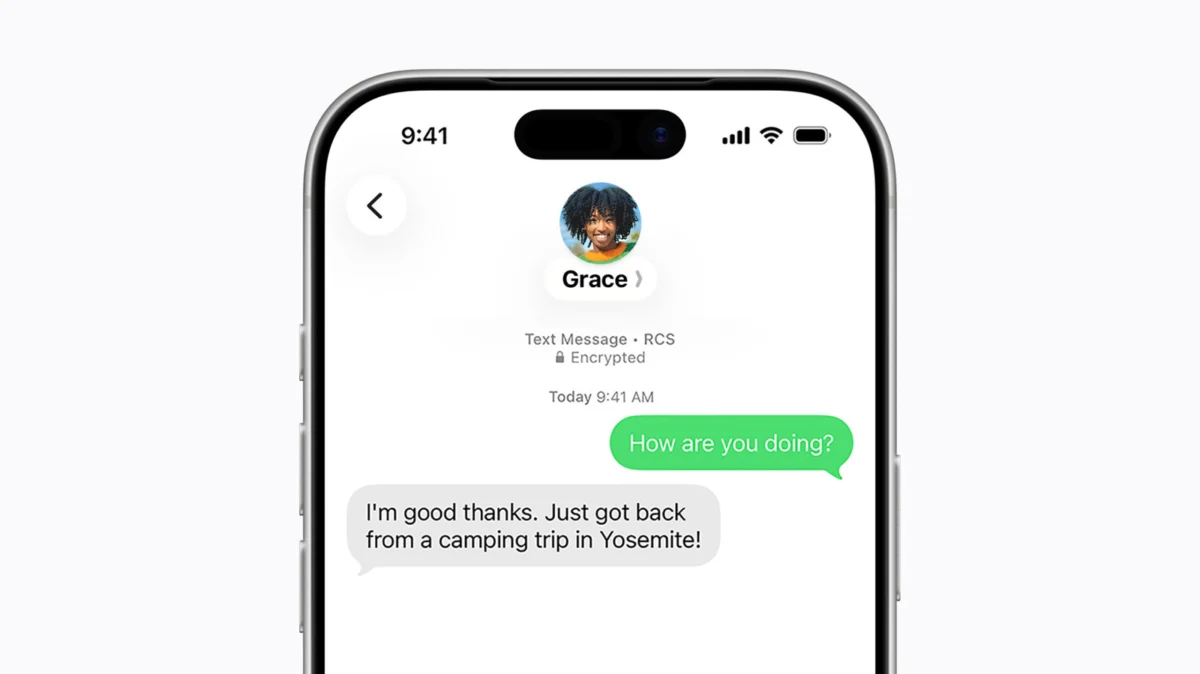
In a landmark development for cross-platform communication, Apple has officially initiated the rollout of end-to-end encrypted (E2EE) Rich Communication Services (RCS) messaging. Debuting with the release of iOS 26.5, this update represents a technical milestone that bridges the long-standing chasm between Apple’s proprietary iMessage ecosystem and the Android-based RCS standard. For years, the inability to send secure, media-rich messages between the two platforms has been a primary source of frustration for mobile users, but with today’s update, the walls are finally coming down.
Main Facts: What You Need to Know
The integration of E2EE RCS is not merely a software toggle; it is a complex handshake between Apple’s servers and the global carrier infrastructure. To utilize this new standard, users must satisfy a specific set of criteria.
First and foremost, your iPhone must be updated to iOS 26.5. This version serves as the gateway for the updated messaging protocol. Secondly, your cellular provider must support E2EE over RCS. In the United States, the major carriers—AT&T, T-Mobile, and Verizon—have confirmed day-one support. However, users globally should consult Apple’s official support documentation to verify if their specific carrier has provisioned the necessary updates for their network.
For those communicating with Android counterparts, the requirements extend to the recipient as well. Android users must be running the latest iteration of the Google Messages application on a device connected to a carrier network that supports the updated RCS universal profile.
When the criteria are met, Apple has made it visually intuitive to verify security. A new lock icon will appear at the top of your RCS chats, signaling that the conversation is encrypted in transit. Apple has confirmed that this encryption is enabled by default, ensuring that even users who are not tech-savvy benefit from enhanced privacy protections without needing to navigate complex settings menus.
The Chronology of a Messaging Cold War
The journey to this moment was neither short nor simple. For nearly a decade, the mobile industry was defined by the "Blue Bubble vs. Green Bubble" dichotomy.
- The Rise of iMessage (2011): Apple introduced iMessage, which revolutionized text messaging by providing E2EE and rich features like typing indicators and read receipts, but only for Apple-to-Apple communication.
- The Fragmentation Era (2012–2020): As Android gained global dominance, the lack of a standardized, secure protocol meant that cross-platform communication defaulted to outdated SMS/MMS protocols. These protocols were unencrypted and lacked the metadata features users had come to expect.
- The Pressure Campaign (2021–2023): Google launched a high-profile, often snarky marketing campaign pressuring Apple to adopt RCS. This was accompanied by increasing scrutiny from international regulators, most notably in the European Union and China, who argued that closed messaging ecosystems were anti-competitive.
- The Concession (2024): Following intense regulatory pressure and shifting market dynamics, Apple officially committed to adopting the RCS Universal Profile.
- The Rollout (May 2026): With the release of iOS 26.5, the "long RCS nightmare," as many industry observers have called it, has reached its functional conclusion.
Supporting Data: Why This Matters
The technical significance of this update cannot be overstated. By adopting RCS with E2EE, Apple is effectively retiring the reliance on SMS for cross-platform communication. SMS is inherently insecure, lacking encryption and subject to "man-in-the-middle" attacks.
According to industry data, messaging traffic has shifted drastically toward third-party platforms like WhatsApp, Signal, and Telegram specifically because users prioritized the security features iMessage provided. By bringing that same security to the native messaging app on iOS, Apple is reclaiming utility for its native software.
Furthermore, the "suggested places" integration in Apple Maps, bundled with this release, hints at a broader strategy: making the native iPhone experience a cohesive hub. While the encryption update is the headline, the subtle refinement of Maps—using AI to suggest locations based on trending data and recent search history—shows that Apple is continuing to invest in the "ecosystem stickiness" that defines its brand, even as it opens up its communication protocols.
Official Responses and Industry Outlook
In a brief statement accompanying the release, Apple representatives emphasized that while RCS is now supported for cross-platform chats, iMessage remains the gold standard for Apple-to-Apple communication. "Encryption is on by default and will be automatically enabled over time for new and existing RCS conversations," Apple stated in their newsroom release. "For communication between different Apple devices, Apple will continue to route messages through its own iMessage protocol, ensuring the highest level of service and proprietary feature sets."
Google, conversely, has welcomed the move, albeit with the tone of a victor in a long-standing diplomatic struggle. By forcing the adoption of the RCS Universal Profile, Google has ensured that its own messaging infrastructure—which it has spent years perfecting—is now the standard backbone for global mobile communication, regardless of the handset manufacturer.
Industry analysts suggest that this move was a strategic necessity for Apple. As regulatory bodies in the EU and China moved to classify messaging services as "gatekeepers" under digital market acts, Apple’s refusal to integrate would have likely resulted in massive fines and forced interoperability mandates that would have been far more intrusive than the voluntary adoption of RCS.
Implications: The Future of Mobile Communication
What does this mean for the average user? Primarily, it signifies the death of the "green bubble" stigma—or at least, the end of the functional disadvantage associated with it. While the green color of the chat bubble remains as a visual indicator of a non-iMessage conversation, the content of that conversation is now as secure as any iMessage chat.
The Death of Third-Party Reliance
For years, users had to convince their friends and family to download Signal or WhatsApp to communicate securely. This caused fragmentation in social circles. With iOS 26.5, the barrier to entry for secure communication has been lowered to zero. If you have an iPhone or an Android phone, you are now inherently secure. This will likely lead to a decline in usage for some third-party messaging apps that were used solely for their security features rather than their social feature sets.
The "Luminance" Update and UI Refinements
While RCS is the technical centerpiece of iOS 26.5, the update also includes the new Pride-themed "Luminance" wallpaper. This addition serves as a reminder that Apple’s software updates are rarely just about infrastructure; they are also about the aesthetic experience. The customization options for the Luminance wallpaper, which reacts to light conditions on the screen, highlight Apple’s ongoing focus on user interface polish.
Final Thoughts
We are witnessing the end of an era where hardware dictated the security of our personal conversations. By embracing the RCS standard, Apple has performed a tactical retreat that ultimately serves the consumer. The pressure campaign, the regulatory inquiries, and the years of technical development have finally coalesced into a seamless experience.
While there will undoubtedly be minor bugs to squash as millions of users transition to the new protocol, the fundamental architecture is now in place. We no longer have to choose between using a specific brand of smartphone and having a secure conversation with our peers. In the grand tapestry of tech history, the arrival of E2EE RCS on iOS 26.5 will be remembered as the moment the mobile industry finally grew up and prioritized the user’s right to private, cross-platform communication over corporate walled gardens.

 Lina Hope
 Jia Lissa