Rifan Muazin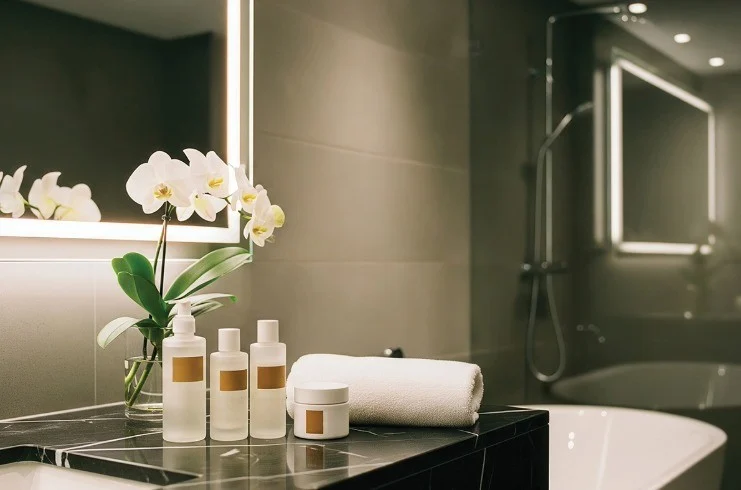
In the competitive landscape of the global hospitality industry, the battle for guest loyalty is often won or lost in the details. While high-quality linens and innovative food and beverage programs remain cornerstones of a successful hotel operation, personal care amenities—the shampoos, lotions, soaps, and "dry" accessories—have emerged as a critical barometer of a property’s commitment to excellence. Today’s travelers are more discerning than ever, and they are increasingly judging a hotel’s brand integrity by the contents of its bathroom vanity.
The Evolution of Guest Expectations: Beyond Basic Hygiene
The modern traveler is not merely looking for a place to sleep; they are looking for an experience that aligns with their personal values, health consciousness, and lifestyle. As guests become more educated about skincare ingredients and environmental ethics, the "standard" amenity kit is undergoing a radical transformation.
"Today’s guests are more informed and attentive to what they use on their skin," notes Guillaume de Beco, international business director at Groupe GM. "They expect formulations that are reassuring, well-designed, and aligned with environmental and ethical values, without compromising performance or pleasure."
This shift has forced hoteliers to move away from generic, mass-produced liquids and toward curated, high-performance products. Whether it is a boutique hotel in a mountain retreat or a luxury urban high-rise, the amenity program is now viewed as an extension of the hotel’s personality.
Chronology of Change: From Single-Use to Sustainability
The trajectory of amenity programs over the last decade mirrors the broader societal shift toward sustainability.
- The Era of Excess: Historically, hotels relied on small, single-use plastic bottles. While convenient, this model generated immense plastic waste, which became increasingly untenable as environmental awareness grew.
- The Rise of Wellness: As wellness travel surged in the late 2010s, guests began demanding products free from harsh chemicals, such as parabens, silicones, and sulfates.
- The Green Transition: In recent years, major manufacturers like ADA Cosmetics and Groupe GM began prioritizing "eco-design." This involved a total overhaul of the supply chain, from sourcing raw materials to rethinking packaging.
- The Present Day: We are currently in the era of the "bespoke identity," where amenities are no longer just supplies—they are signature brand elements that tell a story about the property’s commitment to both the guest and the planet.
Supporting Data: The Impact of Quality Ingredients
The industry is seeing a significant pivot in chemical composition. Manufacturers are setting internal standards that far exceed regional regulatory requirements. For instance, ADA Cosmetics has moved to systematically exclude mineral oil, microplastics, nanomaterials, parabens, and silicones from their entire portfolio.
"At ADA Cosmetics, formulation is a statement of responsibility and expertise," says Raphael Steinbach, CEO of ADA Cosmetics Americas. "We don’t follow minimum requirements—we define our own standards. Our products are designed to meet the expectations of modern travelers while enabling hotels to deliver a truly elevated guest experience."
To meet these high standards, suppliers are now providing products that are:
- Up to 99% Natural Origin: Reducing the reliance on synthetic chemicals.
- Certified Vegan and Gluten-Free: Addressing the growing demand for inclusive beauty.
- Plastic-Free: Utilizing materials like bamboo, paper, and infinitely recyclable aluminum.
Official Perspectives: The Philosophy of Amenities
Industry leaders emphasize that the amenity program is no longer a "check-the-box" procurement exercise. It is a strategic marketing tool.
The Luxury Segment: Crafting an Identity
In the luxury sector, differentiation is the ultimate currency. Steinbach observes that the definition of luxury has shifted: "What was exclusive a decade ago is commonplace today. True luxury now lies in individuality, authenticity, and sensory distinction."

To achieve this, luxury properties are moving toward bespoke amenity concepts. This goes beyond slapping a logo on a bottle. It involves:
- Curated Scent Workshops: Creating a signature fragrance that defines the hotel’s "olfactory identity."
- Tailored Design: Developing packaging that complements the hotel’s interior architecture.
- Emotional Connection: Providing branded accessories—such as premium face masks or artisanal soaps—that guests might choose to take home, extending the brand’s reach beyond the check-out date.
The Midscale Segment: Efficiency Meets Comfort
For midscale properties, the strategy is different but equally vital. Here, the focus is on "efficacy, comfort, and practicality." De Beco explains that midscale guests look for reliability and consistency.
"Thoughtfully conceived dispenser systems, attractive design, and a concise but considered product assortment ensure a consistent, high-quality in-room experience without unnecessary complexity," he notes. By simplifying the product line, hoteliers not only satisfy guest needs but also improve labor efficiency. For example, modern, well-designed dispenser brackets can significantly reduce the time housekeeping staff spends on daily room turnover, directly impacting the bottom line.
Implications for the Future of Operations
The move toward more sustainable and high-quality amenities has profound implications for hotel operations, marketing, and ESG (Environmental, Social, and Governance) goals.
Sustainability as a Competitive Advantage
Eco-conscious travel is no longer a niche market; it is the new baseline. Manufacturers are now producing "zero-plastic" accessory lines that include bamboo combs, toothbrushes, and paper-based sewing kits. By adopting these, hotels can significantly reduce their carbon footprint and appeal to the growing demographic of environmentally aware Gen Z and Millennial travelers.
The Power of Niche Collaborations
One of the most exciting trends is the partnership between hotels and digital-native or boutique cosmetic brands. By partnering with labels like Typology, which offers formulas free of PEGs and sulfates in recyclable aluminum packaging, hotels can borrow the "cool factor" and credibility of these brands. This creates a memorable "unboxing" experience for guests, which is highly shareable on social media, providing the hotel with organic marketing.
Operational Efficiency and Labor Costs
As noted by industry experts, design is not just about aesthetics—it is about labor. In an era where staffing shortages remain a challenge for many hotels, the design of the amenity system is crucial. A dispenser that is easy to refill, clean, and maintain saves precious minutes per room. Multiplied across hundreds of rooms and dozens of properties, these seconds add up to significant operational savings.
Conclusion: A Lasting Impression
The amenity program is the silent ambassador of the hotel experience. From the moment a guest walks into the bathroom and reaches for a hand cream or a shampoo, the quality of that product tells them how much the hotel values their comfort and safety.
As we look toward the future, the integration of sustainability, high-performance formulations, and bespoke branding will continue to define the best-in-class properties. Hoteliers who embrace these trends are not just providing soap and shampoo; they are crafting a narrative of quality, responsibility, and care. In a world where the guest experience is the ultimate product, the small details—the scent of a lotion, the texture of a soap, the sustainability of a comb—are what ensure the guest remembers their stay long after they have returned home.


 Asep Darmawan
 Layla Zulfa