
 Azzam Bilal Chamdy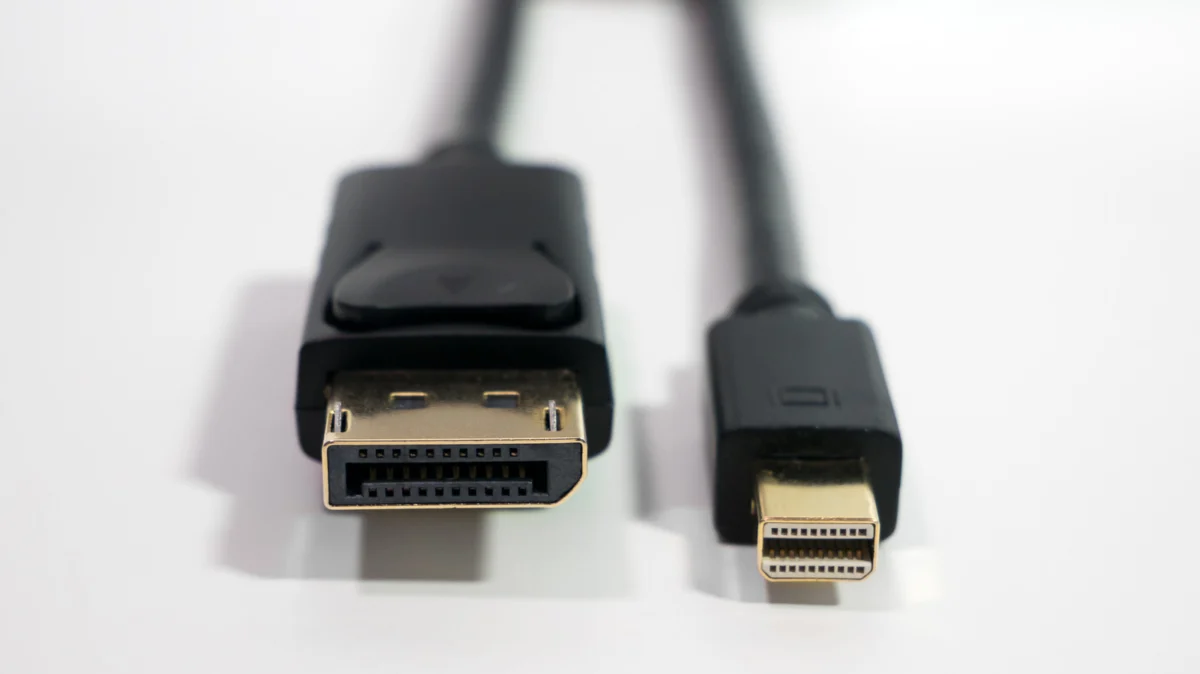
For over a decade, the Mini DisplayPort (mDP) was the silent workhorse of the tech world. Introduced by Apple in 2008 as a sleek, compact alternative to the bulky VGA and DVI interfaces of yesteryear, it promised a future of simplified connectivity. For a time, it was ubiquitous—found on the side of every MacBook, Mac mini, and various high-end PC laptops. However, in the current landscape of streamlined, ultra-thin hardware, the Mini DisplayPort has become a rare sight, replaced by the omnipresent USB-C and the enduring, full-sized DisplayPort.
As we navigate a world dominated by Thunderbolt 4 and USB4, it is worth asking: has the Mini DisplayPort reached the end of its life, or does it still hold a place in the modern ecosystem?
The Rise and Fall: A Chronology of the Mini DisplayPort
To understand the current obsolescence of the Mini DisplayPort, we must look at its historical trajectory.
2008: The Apple Revolution
Apple introduced the Mini DisplayPort to replace the aging DVI and VGA ports on its laptop line. The goal was simple: provide a high-bandwidth, digital interface that was small enough to fit on the side of an ultra-portable MacBook Air. At the time, it was a visionary move, offering a higher resolution and refresh rate capability than its analog predecessors.
2011: The Thunderbolt Integration
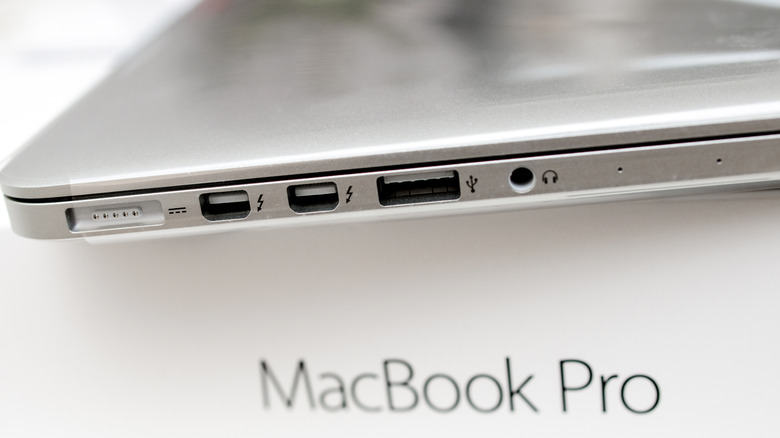
In 2011, Apple and Intel took the physical design of the Mini DisplayPort and expanded its utility by integrating the Thunderbolt protocol. Suddenly, the port wasn’t just for video; it was a high-speed data highway. This allowed for daisy-chaining peripherals and connecting high-end external displays like the Apple Thunderbolt Display using a single cable.
2015-2016: The USB-C Pivot
The true death knell for the Mini DisplayPort began with the arrival of USB-C and Thunderbolt 3. The industry recognized that having a dedicated video port—even a small one—was inefficient in the age of "all-in-one" connectivity. USB-C offered a reversible, multi-functional connector that could handle power, data, and video simultaneously. By 2016, Apple had purged the Mini DisplayPort from its MacBook Pro lineup entirely, opting for an all-USB-C future.
Present Day: The Legacy Status
Today, finding a modern laptop with a native Mini DisplayPort is nearly impossible. While it remains a staple on the back of many dedicated graphics cards (GPUs) and professional-grade monitors, it has been relegated to a legacy status in the consumer laptop market.
The Technical Superiority of the DisplayPort Protocol
It is vital to distinguish between the physical connector and the underlying protocol. While the Mini DisplayPort connector is fading, the DisplayPort standard is more relevant than ever.
The beauty of the DisplayPort architecture is its immense bandwidth. Compared to older standards like DVI, which struggled to push resolutions beyond 1080p without significant signal degradation, DisplayPort was designed for the high-resolution, high-refresh-rate future. Depending on the generation of the DisplayPort standard (ranging from 1.2 to 2.1), the protocol can support resolutions as high as 8K and beyond, with refresh rates that satisfy the most demanding eSports gamers.
The "Alt Mode" Savior
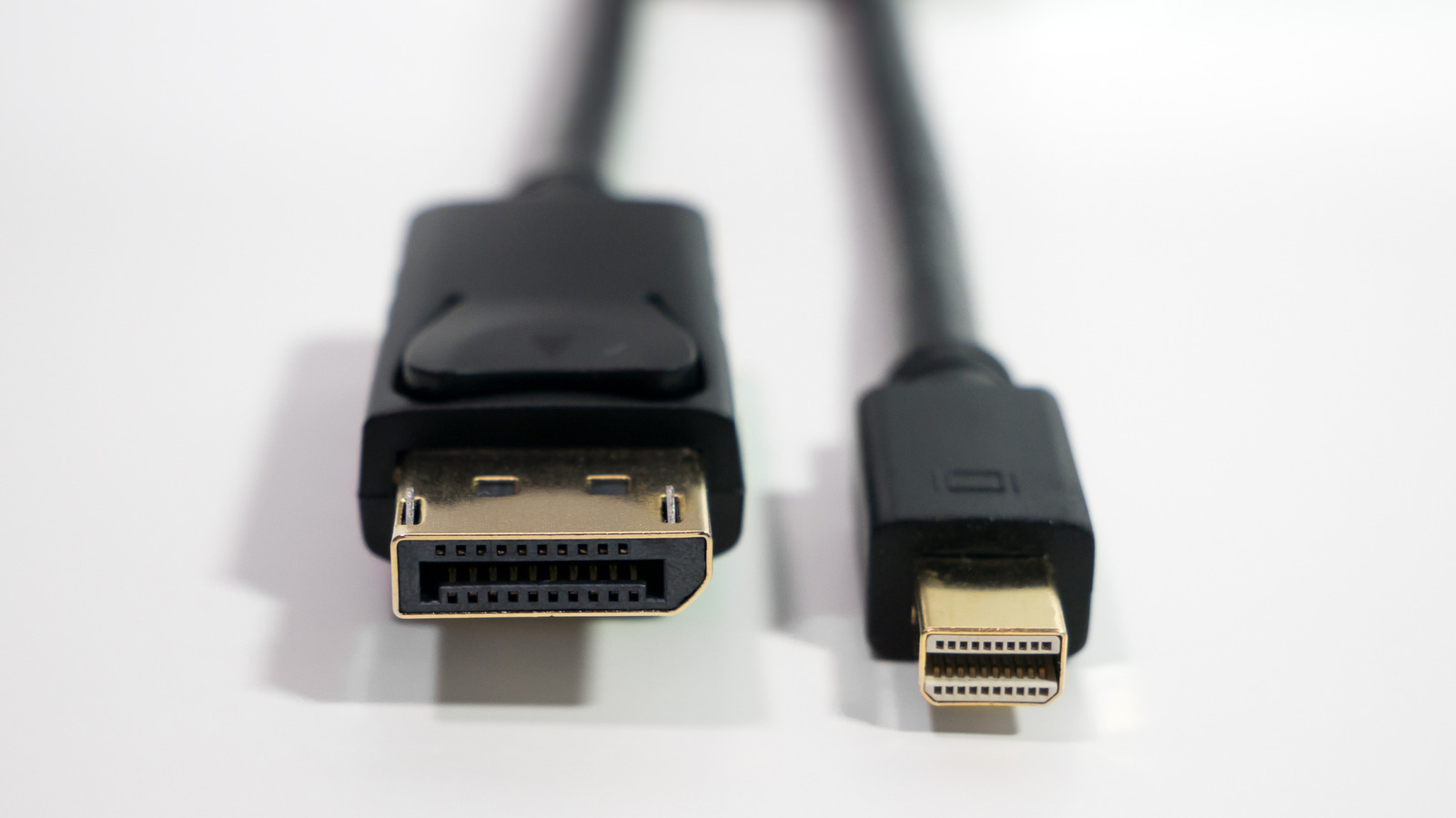
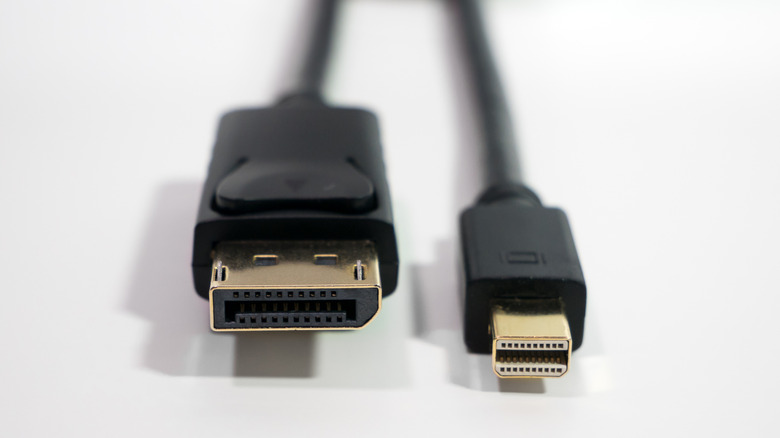
The reason the Mini DisplayPort connector became redundant is "DisplayPort Alternate Mode" (Alt Mode). This feature allows a USB-C port to carry a native DisplayPort signal. Essentially, the industry decided that the connector itself didn’t need to be unique to enjoy the benefits of the DisplayPort standard. A user can now purchase a USB-C to DisplayPort cable, which takes the native signal from the computer’s USB-C port and transmits it to a standard, full-sized DisplayPort monitor. This renders the need for a dedicated Mini DisplayPort port on a laptop completely unnecessary.
Supporting Data: Bandwidth and Performance Comparisons
To understand why the industry moved away from Mini DisplayPort, we must look at the data governing current display standards.
| Feature | HDMI 2.1 | DisplayPort 2.1 | USB4 / Thunderbolt 4 |
|---|---|---|---|
| Max Bandwidth | 48 Gbps | 80 Gbps | 40 – 80 Gbps |
| Primary Use | Home Theater / TVs | Workstations / Gaming | Universal Connectivity |
| Connector | HDMI Type A | Full-size DP / USB-C | USB-C |
As the table demonstrates, DisplayPort 2.1 remains the "gold standard" for professional workstation environments, offering higher theoretical bandwidth than HDMI 2.1. However, the versatility of the USB-C connector (used by USB4 and Thunderbolt) allows it to encapsulate these protocols, effectively absorbing the functionality of the Mini DisplayPort into a more versatile physical form factor.
Implications: Is It Truly Obsolete?
While the Mini DisplayPort is undoubtedly disappearing from consumer electronics, it is not "dead" in the technical sense. It exists as a bridge between older high-end hardware and modern displays.
The "Adapter Economy"
The primary implication of the Mini DisplayPort’s decline is the creation of a massive "adapter economy." Users who own older MacBooks or professional-grade graphics cards still rely on Mini DP-to-DP cables. Because the protocol is the same, these cables remain perfectly functional. However, the shift has introduced complications for specific hardware.
Challenges for Enthusiasts
For those utilizing older hardware, such as the classic Apple Cinema Display or early-generation VR headsets, the transition to modern standards isn’t always seamless. These devices are often sensitive to the conversion process. Active adapters—which require external power—are often needed to convert a signal from a USB-C port to a format an older Mini DisplayPort monitor can understand. This adds cost and cable clutter, the very things the industry tried to eliminate.
The Workstation Exception
The one area where the Mini DisplayPort persists is in the professional workstation and GPU space. Many high-end NVIDIA and AMD graphics cards still ship with three DisplayPort outputs and one HDMI output. These manufacturers prioritize the stability and the lock-in mechanism of the full-sized DisplayPort over the convenience of USB-C, as these ports are designed for static, long-term installations rather than the constant plugging and unplugging seen with laptops.
Official Stance and Industry Trends
Industry standards organizations, such as VESA (Video Electronics Standards Association), have shifted their focus toward DisplayPort 2.1 over USB-C. The industry’s message is clear: the protocol is the future, but the physical port must be universal. By pushing USB-C as the single interface for everything, manufacturers have successfully simplified the consumer experience.
There have been no formal "official" announcements declaring the Mini DisplayPort dead—technology rarely dies with a press release. Instead, it suffers from the "slow fade." As component costs for USB-C controllers drop and the physical footprint of motherboards shrinks, the board space required for a dedicated Mini DisplayPort becomes harder to justify for engineers.
Conclusion: The Legacy of a Compact Pioneer
The Mini DisplayPort was a triumph of engineering for its time. It proved that high-performance video signals could be delivered through a compact, elegant, and reliable connector. It bridged the gap between the clunky, analog era and the digital-first landscape we inhabit today.
However, the march of technological progress is relentless. The industry has reached a consensus: the future is not about specialized ports for specific tasks, but about universal ports that handle any data, power, or video task required of them. The Mini DisplayPort has become a relic of a transitional period. While you will likely never see it on a brand-new laptop again, its spirit lives on in every USB-C port that supports DisplayPort Alt Mode. It didn’t lose the war; it simply merged into the winning side.


 Sagoh
Sagoh
 Jia Lissa





