Raul Delapena Setiawan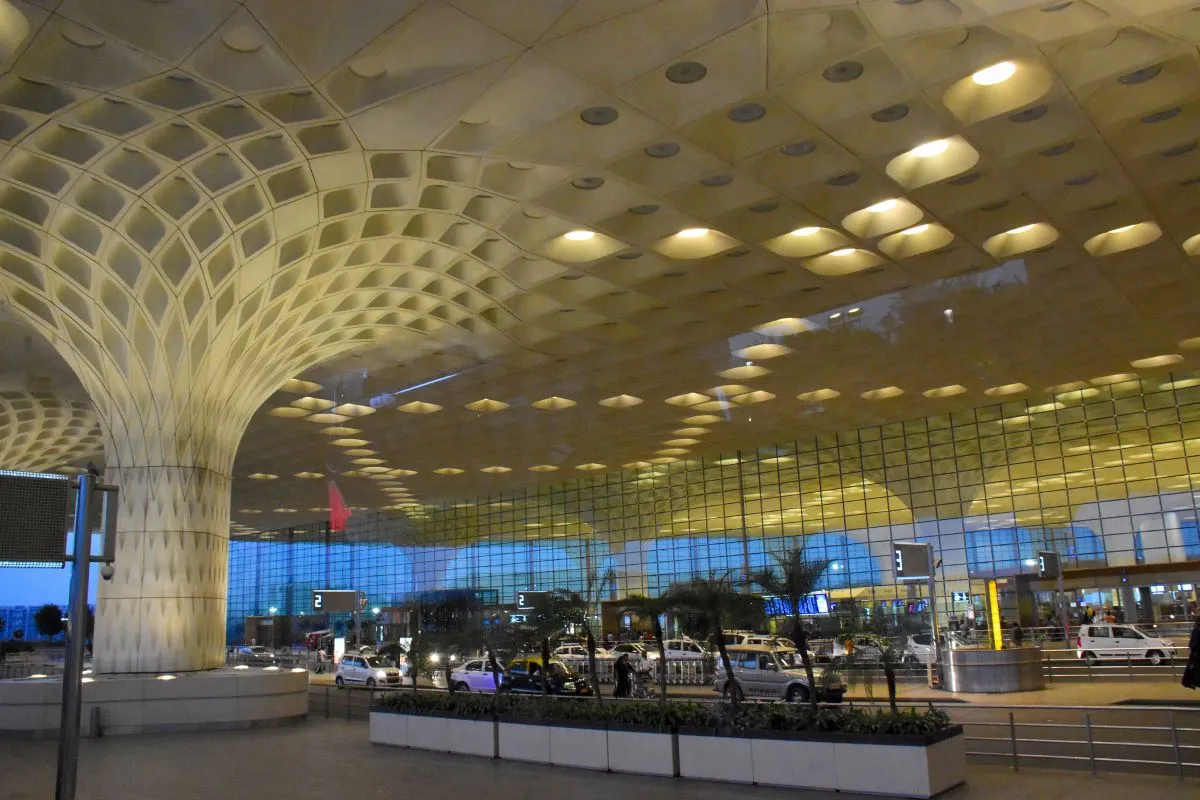
Mumbai, India – [Date of Article] – In a significant development for India’s bustling aviation sector, Adani Airport Holdings (AAH) has announced a crucial deferral of its controversial plan to relocate international flight operations from Mumbai’s Chhatrapati Shivaji Maharaj International Airport (CSMIA) Terminal 2 (T2) to the under-construction Navi Mumbai International Airport (NMIA). The decision, following intensive consultations with airline representatives, ensures that airlines will retain their winter flight slots at CSMIA T2 until at least the summer schedule commencing March 2027. This move, hailed as a temporary but vital reprieve, effectively defuses an escalating dispute that threatened to create substantial operational and logistical challenges for airlines and passengers alike.
The proposed shift, initially aimed at accommodating a surge in domestic flights displaced by the ongoing redevelopment of CSMIA’s Terminal 1 (T1), had drawn widespread opposition from the Airline Operators Committee (AOC) of Mumbai Airport. Airlines had voiced profound concerns regarding the readiness of NMIA, the potential for operational fragmentation, increased costs, and disruptions to passenger connectivity. The agreement to postpone the transition underscores Adani Airport Holdings’ commitment to stakeholder engagement and a collaborative approach in managing the complex evolution of Mumbai’s aviation infrastructure.
Main Facts
The core of the recent announcement centers on a pivotal decision made by Adani Airport Holdings (AAH) to delay the relocation of all international flight services currently operating out of Chhatrapati Shivaji Maharaj International Airport (CSMIA) Terminal 2 (T2). This move, initially slated to occur much sooner, will now not take place until the summer aviation schedule of March 2027. This means that for the upcoming winter schedule and subsequent seasons leading up to early 2027, airlines will continue to operate their international flights from CSMIA T2 without disruption.
The decision emerged from a high-stakes meeting held on Tuesday between top executives from Adani Airport Holdings, including Director Jeet Adani and CEO Arun Bansal, and the Airline Operators Committee (AOC) of Mumbai Airport. The AOC represents the collective interests of all airlines operating from CSMIA. During this crucial dialogue, Adani executives provided assurances to carriers that their existing winter slots would remain intact, thereby preventing immediate operational upheaval.
The primary impetus behind Adani’s original proposal was to create much-needed capacity at CSMIA T2. With the ongoing, extensive redevelopment of Terminal 1 (T1), which primarily serves domestic low-cost carriers, a significant number of domestic flights would need to be temporarily relocated. The plan was to shift these displaced domestic services to T2. To free up space within T2 for these incoming domestic operations, Adani had proposed moving all international flights to the nascent Navi Mumbai International Airport (NMIA) once it commenced operations. This strategy aimed to streamline domestic traffic at CSMIA while establishing NMIA as Mumbai’s dedicated international gateway.
However, this ambitious plan met with considerable resistance from airlines. Their concerns revolved around the operational readiness of NMIA, the potential for logistical nightmares in splitting operations across two distinct airports, the impact on connecting passengers, and the substantial financial implications for carriers. The deferral, therefore, serves as a crucial bridge, allowing for a more staggered transition and providing all stakeholders with additional time to prepare for Mumbai’s evolving dual-airport aviation landscape. The immediate outcome is the defusing, for now, of a potentially damaging dispute, ensuring stability for the immediate future of air travel in and out of India’s financial capital.
Chronology of Events
The recent resolution between Adani Airport Holdings and the Airline Operators Committee is the culmination of a series of events and escalating concerns that have characterized Mumbai’s aviation landscape over the past year.
Early 2023 – Initial Proposal and Capacity Concerns: The seeds of the dispute were sown when Adani Airport Holdings, which operates Mumbai’s Chhatrapati Shivaji Maharaj International Airport (CSMIA) through Mumbai International Airport Limited (MIAL), began formulating plans to manage the airport’s ever-increasing traffic and prepare for the long-anticipated Navi Mumbai International Airport (NMIA). With CSMIA already operating close to its maximum capacity, and the major redevelopment of Terminal 1 (T1) on the horizon, AAH identified a critical need to reallocate terminal space. The proposal emerged to shift all international flight operations from T2 to NMIA upon its opening, thereby freeing up substantial capacity at T2 to accommodate domestic flights displaced by the T1 rebuild. The rationale was clear: optimize existing infrastructure at CSMIA and establish NMIA as a dedicated international hub, thereby creating a dual-airport system for Mumbai.
Mid-2023 – Growing Airline Apprehension: As details of Adani’s plan began to circulate, the Airline Operators Committee (AOC) of Mumbai Airport, representing a diverse array of domestic and international carriers, started to voice significant apprehension. Airlines expressed concerns about the perceived lack of readiness at NMIA, which was still under construction and facing its own set of development timelines. They highlighted the immense operational complexities and costs associated with splitting their operations between two geographically distinct airports. Issues such as ground handling, cargo logistics, crew positioning, and most importantly, seamless connectivity for passengers making domestic-to-international transfers, became major points of contention. There were also underlying fears about the adequacy of ground transportation infrastructure connecting Mumbai city to the Navi Mumbai site.
Late 2023 – Escalation of the Dispute: The disagreement intensified as airlines began formalizing their objections. The AOC engaged in multiple rounds of discussions, both formal and informal, with MIAL and Adani Airport Holdings. Reports began to surface in the media about the looming conflict, drawing attention from aviation regulators and the Ministry of Civil Aviation. Airlines reportedly highlighted the potential for significant passenger inconvenience, flight delays, and a negative impact on Mumbai’s reputation as a smooth travel hub if the transition was rushed or poorly managed. The core of their argument was that NMIA needed to be fully operational and supported by robust ground infrastructure before such a monumental shift could occur. The lack of a clear, comprehensive transition plan that addressed all airline and passenger concerns fueled the growing friction.
Tuesday – The Pivotal Meeting: Against this backdrop of escalating tension, a crucial meeting was convened on Tuesday. Attending on behalf of Adani Airport Holdings were key figures including Director Jeet Adani and CEO Arun Bansal. They met with representatives from the Airline Operators Committee of Mumbai Airport. The meeting was characterized by intense discussions, with airlines reiterating their operational concerns and Adani executives presenting their vision and acknowledging the feedback. The primary objective for both sides was to find a pragmatic solution that balanced the airport operator’s long-term capacity strategy with the immediate operational realities of the airlines.
Immediate Aftermath – Deferral Announcement: The outcome of Tuesday’s meeting was the announcement of a significant concession from Adani Airport Holdings. Adani agreed to postpone the proposed shift of international services from CSMIA T2 to Navi Mumbai until the summer schedule commencing March 2027. A spokesperson for Mumbai Airports subsequently confirmed this decision, stating that Adani executives had assured carriers that there would be minimal disruption to their current winter slots. This deferral provides a critical window of approximately three years for NMIA to reach full operational readiness and for all stakeholders to meticulously plan and execute a phased transition.
Future Outlook: While the immediate crisis has been averted, the deferral sets a new, albeit extended, timeline for one of India’s most ambitious aviation infrastructure projects. The next three years will be crucial for the completion of NMIA, the development of robust connectivity to Mumbai, and continued collaborative planning between Adani and the airlines to ensure a smooth and efficient future for air travel in the Mumbai Metropolitan Region.
Supporting Data and Context
Mumbai’s Chhatrapati Shivaji Maharaj International Airport (CSMIA), India’s second busiest airport, serves as a critical gateway for millions of passengers and tons of cargo annually, underpinning the economic vitality of the Mumbai Metropolitan Region. Its operational dynamics are crucial to understanding the recent dispute.
CSMIA’s Significance and Constraints:
CSMIA operates on a single-runway system (albeit with two intersecting runways that can only be used one at a time due to their proximity), making it one of the most efficient yet capacity-constrained airports globally. Pre-pandemic, CSMIA handled over 50 million passengers annually, a figure that is rapidly recovering and projected to surpass previous peaks. The airport’s slot utilization is incredibly high, meaning even minor disruptions can have cascading effects. This inherent limitation is the fundamental driver behind the need for additional capacity and the development of a second airport.
Terminal Infrastructure at CSMIA:
- Terminal 1 (T1): Often referred to as the domestic terminal, T1 primarily caters to low-cost carriers such as IndiGo, SpiceJet, Go First, and Akasa Air. It’s an older facility that has undergone several upgrades but is now slated for a comprehensive redevelopment. This rebuild is crucial for modernizing its infrastructure, enhancing passenger experience, and increasing its operational efficiency. The redevelopment, however, necessitates the temporary relocation of airlines currently operating from T1.
- Terminal 2 (T2): A state-of-the-art, integrated terminal inaugurated in 2014, T2 handles all international flights and full-service domestic carriers (like Air India and Vistara). Its modern design and amenities provide a significantly superior passenger experience compared to T1. Adani’s original plan was to leverage T2’s capacity by consolidating displaced T1 domestic flights there, which in turn required moving international operations elsewhere.
Navi Mumbai International Airport (NMIA) – The Future Gateway:
The Navi Mumbai International Airport (NMIA) project has been a long-standing aspiration to alleviate the severe congestion at CSMIA. Located across the Mumbai Harbour in Navi Mumbai, the greenfield airport is being developed by Navi Mumbai International Airport Limited (NMIAL), a subsidiary of Adani Airport Holdings.
- Status and Timeline: Construction is ongoing, with the first phase initially projected to open by late 2024. However, such large-scale infrastructure projects often face delays due to various factors including land acquisition, environmental clearances, and construction complexities. The deferral of international flight relocation until March 2027 implicitly acknowledges that the full operational readiness required for international operations, including customs, immigration, and robust ground access, will take longer than initially anticipated.
- Projected Capacity: NMIA is designed to handle significantly large passenger volumes, eventually reaching 90 million passengers per annum across multiple phases, making it a critical component of Mumbai’s future aviation strategy.
- Challenges: Beyond construction, a major concern for airlines and passengers alike is the ground connectivity to NMIA. While infrastructure projects like the Mumbai Trans Harbour Sea Link (MTHL) aim to improve access, the integration of NMIA into Mumbai’s existing transport network (road, rail, metro) is paramount for its success.
Airline Perspectives and Operational Complexities:
Airlines strongly resisted the immediate shift for several practical reasons:
- Operational Fragmentation: Operating flights from two different airports, especially when one is brand new, creates immense logistical challenges. Airlines would need duplicate ground handling staff, equipment, maintenance facilities, and potentially even separate administrative offices.
- Connecting Passengers: A significant portion of international travelers connect from domestic flights. Splitting domestic and international operations across CSMIA and NMIA would necessitate complex and time-consuming inter-airport transfers, potentially requiring new shuttle services and adding significant stress and cost for passengers. This could damage Mumbai’s appeal as a transit hub.
- Crew and Staff Logistics: Managing flight crews, cabin crew, and ground staff across two airports, particularly those located a considerable distance apart, would introduce complex scheduling and transportation hurdles.
- Cost Implications: All these operational complexities translate directly into increased costs for airlines, which would inevitably be passed on to passengers through higher fares.
- Readiness of NMIA: Airlines needed assurances that NMIA would not only be physically complete but also fully equipped with all necessary ancillary services – fuel, catering, MRO (Maintenance, Repair, and Overhaul) facilities, air traffic control integration, and efficient customs/immigration processes – before a major international shift.
Economic Impact:
A poorly executed or premature shift could have ripple effects beyond the aviation industry. It could deter business travelers, impact tourism, and complicate cargo logistics, potentially affecting Mumbai’s standing as a global financial and commercial hub. The deferral, therefore, is a pragmatic move to safeguard economic interests and ensure a smoother transition for all stakeholders.
Official Responses and Stakeholder Views
The recent decision by Adani Airport Holdings to defer the relocation of international flights from Mumbai’s Terminal 2 to Navi Mumbai has elicited varied responses from key stakeholders, reflecting a mix of relief, strategic vision, and ongoing caution.
Adani Airport Holdings (AAH) / Mumbai International Airport Limited (MIAL):
Adani Airport Holdings, as the operator of CSMIA and the developer of NMIA, articulated its rationale for the initial plan as one driven by long-term capacity management and the strategic development of Mumbai’s aviation future. Their vision entails a dual-airport model, with CSMIA potentially focusing more on domestic traffic and NMIA evolving into a premier international gateway.
Following the pivotal meeting, Adani’s official stance, conveyed by a spokesperson for Mumbai Airports, was an assurance to carriers of "minimal disruption." This statement underscores their commitment to addressing airline concerns and adopting a more consultative approach. The presence of top executives like Jeet Adani and Arun Bansal in the meeting highlights the strategic importance Adani places on stakeholder relationships. While the deferral means a delay in their immediate capacity reallocation plans, it also buys them crucial time to ensure NMIA is fully ready and that connectivity challenges are adequately addressed. Their current narrative emphasizes collaboration and a shared goal of enhancing Mumbai’s aviation infrastructure sustainably. The decision demonstrates a willingness to adapt plans in response to legitimate industry feedback, which is crucial for such large-scale infrastructure projects.
Airline Operators Committee (AOC) of Mumbai Airport:
The AOC, representing the collective voice of airlines, had been vehemently opposed to the immediate relocation. Their concerns were primarily operational, financial, and passenger-centric. They had argued that moving international flights to an unproven and potentially inadequately connected airport would lead to chaos, increased costs, and a significant degradation of the passenger experience.
The deferral has been met with palpable relief within the AOC. While no official, detailed statement has been released post-meeting, the outcome is seen as a victory for collaborative dialogue. Airlines now have a clear timeline and the opportunity to plan their future operations more effectively. However, their cautious optimism suggests that they will remain vigilant. Their expectations will now pivot towards active participation in the planning for the March 2027 transition, focusing on ensuring NMIA’s readiness in all aspects, including robust ground transport, customs, immigration, and a seamless inter-airport transfer mechanism for connecting passengers. The AOC will likely push for transparency and continuous engagement in the coming years.
Ministry of Civil Aviation (MoCA) / Directorate General of Civil Aviation (DGCA):
While not directly involved in the commercial operational decisions between airport operators and airlines, the Ministry of Civil Aviation and the DGCA play crucial oversight roles. The MoCA sets national aviation policy and approves major infrastructure projects, while the DGCA ensures safety and regulatory compliance, including slot allocation guidelines.
Although no direct official response from MoCA or DGCA regarding this specific deferral has been widely publicized, their general stance aligns with ensuring efficient air travel and robust infrastructure development. They would likely welcome a resolution that avoids operational turmoil, as widespread airline dissatisfaction could lead to service disruptions that fall under their purview. The deferral allows all parties to adhere to regulatory frameworks for slot management and airport operations without undue pressure. Their implicit role is to facilitate a fair and orderly transition when it eventually occurs.
Passenger Perspective:
From the perspective of the traveling public, the deferral is a welcome development. Passengers value seamless travel, minimal connections, and efficient airport experiences. The prospect of having to transfer between two distant airports for connecting international and domestic flights, especially if one airport was not fully prepared, was a source of potential anxiety and inconvenience. The postponement ensures that for the foreseeable future, their travel plans through Mumbai remain stable, with international flights continuing to operate from the familiar and well-connected T2 at CSMIA. This provides peace of mind and avoids potential confusion and logistical nightmares for millions of travelers.
Implications and Future Outlook
The deferral of the international flight relocation from CSMIA T2 to NMIA until March 2027 carries significant implications for Mumbai’s aviation landscape, its stakeholders, and the broader Indian economy. It reshapes the short, medium, and long-term trajectory of air travel in one of the world’s most dynamic aviation markets.
Short-Term Implications (Immediate to Next 12-18 Months):
The most immediate and critical implication is the stabilization of flight operations for the upcoming winter schedule and beyond. Airlines can now plan their schedules with certainty, knowing their international slots at CSMIA T2 are secure. This averts a potential crisis that could have led to widespread flight disruptions, passenger inconvenience, and substantial financial losses for carriers. The decision provides a much-needed breathing room for the aviation ecosystem in Mumbai, fostering a sense of operational continuity and predictability. It also allows the Terminal 1 redevelopment at CSMIA to proceed, as displaced domestic flights can now be accommodated at T2 without the added pressure of simultaneously moving international operations.
Medium-Term Implications (Until March 2027):
This three-year window is crucial for several reasons:
- NMIA Development and Readiness: Adani Airport Holdings now has a definitive, albeit extended, timeline to ensure NMIA is not only structurally complete but also fully operational with all essential infrastructure and services. This includes comprehensive ground handling capabilities, efficient customs and immigration facilities, robust air traffic control integration, adequate fuel and MRO services, and perhaps most importantly, seamless ground connectivity to Mumbai city and other key areas. This period will be critical for rigorous testing and fine-tuning of all airport systems.
- Strategic Planning for Airlines: Airlines can now engage in more methodical and strategic planning for their eventual transition to NMIA. This involves detailed operational planning, crew training, logistical adjustments for ground handling and cargo, and the development of effective inter-airport transfer solutions for connecting passengers. It also allows them to assess the market dynamics and adjust their network strategies.
- Continued Dialogue and Collaboration: The deferral sets a precedent for ongoing dialogue between Adani Airport Holdings and the Airline Operators Committee. This period should be utilized for sustained collaboration, ensuring that airline concerns are addressed proactively and that the transition plan is developed jointly, rather than imposed. This consultative approach is vital for the long-term success of Mumbai’s dual-airport model.
- Ground Infrastructure Development: The extended timeline provides an opportunity to accelerate the development of critical ground transportation links to NMIA, including road networks, potential metro extensions, and dedicated shuttle services. Adequate connectivity is paramount for NMIA’s success and for ensuring a smooth passenger experience.
Long-Term Implications (Post-March 2027):
- Evolution of Mumbai’s Aviation Hub: The eventual activation of NMIA as a major international gateway, alongside a reconfigured CSMIA (potentially focusing more on domestic traffic), will fundamentally transform Mumbai into a multi-airport metropolitan system. This dual-airport model, akin to major global cities like London, New York, or Tokyo, aims to significantly boost Mumbai’s overall passenger and cargo handling capacity, cementing its position as a premier aviation hub in South Asia.
- Enhanced Capacity and Efficiency: Once both airports are fully operational and optimized, Mumbai will have the capacity to handle a far greater volume of air traffic, reducing congestion, improving on-time performance, and facilitating future growth in air travel. This will be critical for India’s economic expansion and its ambition to become a global aviation leader.
- Lessons in Stakeholder Engagement: The initial dispute and subsequent deferral underscore the critical importance of robust stakeholder engagement in large-scale infrastructure projects. Future projects will likely adopt more proactive and inclusive consultation processes from the outset to avoid similar friction.
- Regional Development: NMIA’s full operationalization is expected to be a major catalyst for economic development in the Navi Mumbai region, attracting businesses, creating jobs, and spurring urban growth.
- Potential for Future Challenges: While the deferral offers relief, it does not eliminate the inherent challenges of managing a dual-airport system. Ongoing coordination between the two airports, seamless passenger transfers, and continuous infrastructure upgrades will remain critical. If NMIA is not fully ready by March 2027, or if connectivity remains an issue, similar disputes could re-emerge, highlighting the need for sustained commitment from all parties.
In conclusion, the deferral marks a prudent and pragmatic decision that prioritizes operational stability and stakeholder collaboration. It grants all parties the necessary time to meticulously plan and execute a complex transition, laying the groundwork for Mumbai’s future as a world-class, multi-airport aviation hub. The success of this vision hinges on the effective utilization of this extended timeline and a continued spirit of cooperation.


 Nana Muazin
 Nila Kartika Wati