
 Laily UPN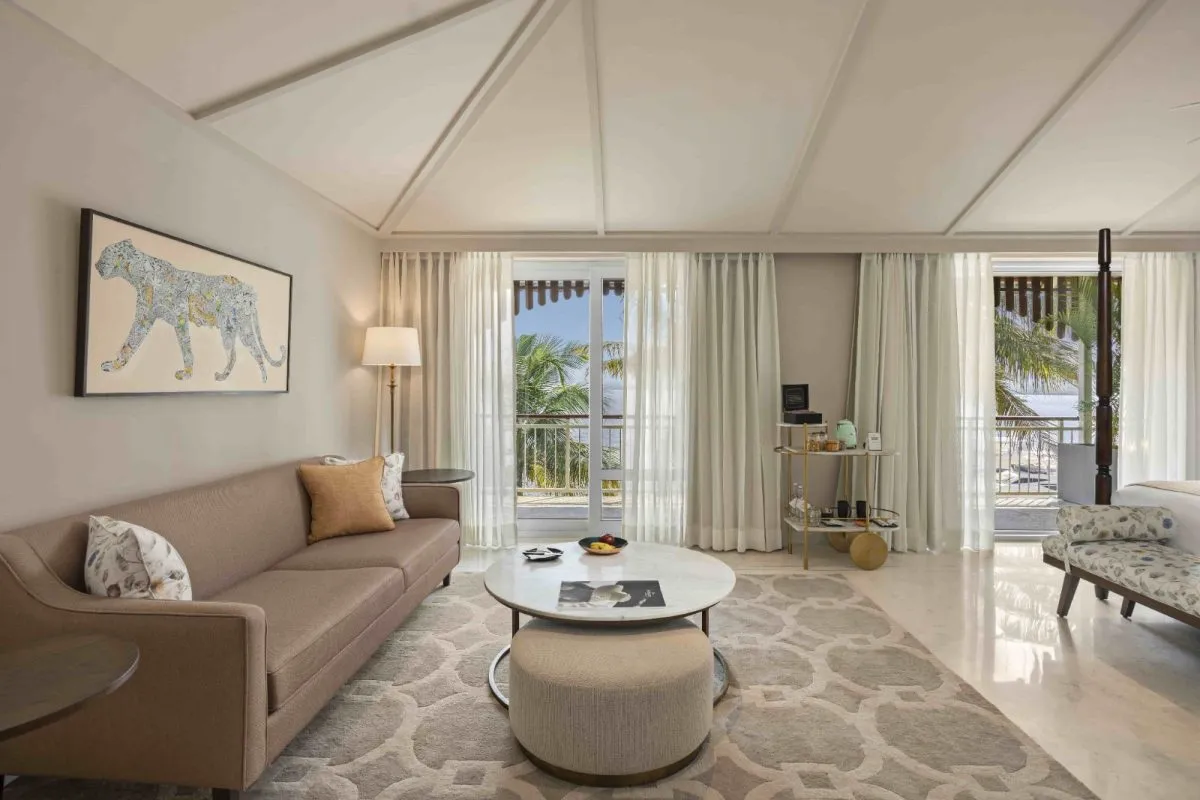
NEW DELHI, INDIA – October 26, 2023 – In a significant strategic pivot set to redefine its brand identity, The Postcard Hotel, renowned for its collection of exquisite, leisure-led retreats nestled in remote, idyllic locations across South Asia, has announced an ambitious foray into the bustling urban landscapes of India. Founder and CEO Kapil Chopra, a veteran luminary of the Indian luxury hospitality sector, revealed in an exclusive interview with Skift that the brand is poised to introduce an innovative urban format, characterized by nearly all-suite hotels seamlessly integrated with exclusive private members’ clubs. This bold move signals a calculated evolution for a brand that has, until now, meticulously cultivated an image synonymous with tranquil escapes and experiential luxury far from the madding crowd.
The initial phase of this metropolitan expansion targets India’s most prominent economic and cultural hubs: Delhi, Mumbai, Bengaluru, and Hyderabad. Chopra confirmed that The Postcard Hotel is already in advanced discussions for three prime locations across these cities, underscoring the seriousness and accelerated pace of this strategic shift. The "financially workable format," as described by Chopra, will hinge on three core tenets: securing prime, coveted real estate, offering an all-suite or nearly all-suite accommodation experience, and the distinctive integration of a private members’ club directly within the hotel premises. This dual-purpose model aims to cater to both the discerning luxury traveler seeking refined urban stays and a select cohort of local elites desiring an exclusive social and professional nexus.
This strategic diversification marks a pivotal moment for The Postcard Hotel, which since its inception in 2018, has carved a formidable niche in the experiential luxury segment. Its existing portfolio of 12 properties spans picturesque destinations, from the sun-kissed beaches of Goa and the verdant tea estates of Assam to the captivating wildlife sanctuaries of Gujarat’s Gir Forest. The transition from these remote havens to the heart of India’s most dynamic cities represents not just a geographical expansion, but a profound reinterpretation of the brand’s luxury ethos, promising to inject its unique blend of personalized service and understated elegance into the urban hospitality narrative.
Main Facts: A Strategic Leap into Urban Luxury
The core announcement from Kapil Chopra signals a fundamental shift in The Postcard Hotel’s growth trajectory. For five years, the brand has meticulously curated a portfolio of destination-led properties that emphasize tranquility, local immersion, and bespoke luxury experiences. These hotels, often smaller and more intimate than traditional luxury chains, have thrived by offering an antidote to mass tourism, focusing instead on exclusivity and a deep connection to their natural surroundings. The decision to now venture into the urban fabric of India’s largest cities is a direct acknowledgment of the evolving demands within the luxury hospitality market and a strategic move to tap into new revenue streams and customer demographics.
The proposed urban format is meticulously designed to differentiate Postcard from established players in the city luxury segment. The commitment to "nearly all-suite" accommodations immediately positions these forthcoming properties at the premium end of the market, offering spaciousness and privacy that are highly coveted by both high-net-worth individuals and corporate travelers. This design philosophy directly addresses a growing preference for more residential-style hotel experiences, where guests can enjoy extended stays with enhanced comfort and amenities typically found in luxury apartments.
Crucially, the integration of a private members’ club within each urban hotel is the true differentiator. This concept, while popular in global luxury markets, is gaining significant traction in India’s rapidly expanding tier-one cities. These clubs are envisioned as exclusive sanctuaries where members can network, socialize, and conduct business in a sophisticated environment, enjoying bespoke services and amenities that extend beyond typical hotel offerings. This dual-revenue model not only enhances the hotel’s financial viability but also creates a symbiotic relationship between the hotel guests and the local elite, fostering a vibrant, exclusive community around the brand. Kapil Chopra’s vision is to replicate the Postcard brand’s hallmark of personalized service and understated luxury within these urban enclaves, creating a seamless experience that transcends location.
Chronology: From Niche Beginnings to Metropolitan Aspirations
The journey of The Postcard Hotel began in 2018 with a clear, albeit niche, vision. Kapil Chopra, drawing upon his extensive experience from leadership roles at The Oberoi Group, recognized a significant gap in the Indian luxury hospitality market. While large international chains and established Indian brands dominated the luxury segment, there was a burgeoning demand for boutique, experiential hotels that offered a more intimate, localized, and design-led alternative to conventional luxury offerings.
2018: The Genesis of an Experiential Brand
The brand launched with a promise to deliver "old-world charm meets new-world luxury," focusing on unique destinations and immersive experiences. The initial properties, such as The Postcard Moira and The Postcard Velha in Goa, exemplified this philosophy. They were not just hotels but gateways to local culture, offering curated experiences, exceptional culinary journeys, and a deep sense of place. This approach quickly resonated with discerning travelers weary of generic luxury.
2018-2023: Cultivating a Portfolio of Remote Retreats
Over the next five years, The Postcard Hotel strategically expanded its footprint, adding properties in diverse, picturesque locations across India. This period saw the brand grow to 12 properties, each carefully selected for its unique appeal and ability to offer distinct experiential luxury.
- Goa: Beyond its initial two, Postcard expanded its presence in Goa, leveraging the state’s appeal as a premier leisure destination.
- Assam: The Postcard Tea Estate in Assam offered guests an intimate look into India’s famed tea country, combining luxury with agricultural immersion.
- Gir Wild, Gujarat: Venturing into wildlife tourism, The Postcard Gir Wild offered a luxurious base for exploring the Asiatic lion sanctuary, marrying adventure with comfort.
- Himalayan Foothills: Other properties extended into regions offering mountain views and spiritual tranquility, further cementing its image as a purveyor of serene escapes.
Each property was designed with a keen eye for architectural authenticity, local craftsmanship, and a commitment to sustainable practices, reinforcing the brand’s core values. The success of these remote retreats demonstrated the viability of Postcard’s unique luxury proposition and built a loyal customer base that valued exclusivity and authentic experiences.
2023 Onwards: The Urban Evolution
The announcement of the urban expansion marks the next logical step in the brand’s evolution. Having firmly established its credentials in the leisure-led retreat segment, The Postcard Hotel is now leveraging its brand equity and operational expertise to tackle the more competitive, yet equally lucrative, urban luxury market. This move is not merely an expansion but a strategic diversification, aiming to capture a broader spectrum of the luxury traveler, including business executives, urban dwellers seeking exclusive amenities, and international tourists who typically begin or end their Indian journeys in major cities. The timeline indicates active discussions are already in progress, suggesting an aggressive rollout in the coming years.
Supporting Data: Market Dynamics and Strategic Justification
The decision by The Postcard Hotel to enter India’s urban luxury market is underpinned by robust economic indicators and evolving consumer preferences. India’s hospitality sector is experiencing a significant boom, driven by a burgeoning middle class, increasing disposable incomes, a rise in domestic tourism, and renewed interest from international travelers.
Growth of India’s Luxury Hospitality Market:
According to various industry reports, India’s luxury hotel market is projected to grow at a Compound Annual Growth Rate (CAGR) of over 10% in the coming years. This growth is fueled by:
- Economic Prosperity: India’s sustained economic growth has led to an expansion of its high-net-worth individual (HNI) population, creating a larger consumer base for luxury goods and services, including high-end hospitality.
- Domestic Tourism: Post-pandemic, domestic tourism has surged, with Indians increasingly opting for luxury stays within the country. This trend has been particularly beneficial for brands offering unique experiences.
- Business Travel: Major cities like Delhi, Mumbai, Bengaluru, and Hyderabad are the economic powerhouses of India, attracting significant business travel, MICE (Meetings, Incentives, Conferences, Exhibitions) events, and corporate relocation.
- Inbound Tourism: While still recovering to pre-pandemic levels, India remains a significant destination for international luxury travelers seeking cultural immersion, wellness, and adventure.
The Appeal of the All-Suite and Private Club Model:
The specific format chosen by Postcard – nearly all-suite hotels with integrated private members’ clubs – is a shrewd response to contemporary luxury market demands:
- All-Suite Configuration: This model appeals to guests seeking spaciousness, privacy, and enhanced amenities. Business travelers often require separate living and working areas, while leisure travelers appreciate the comfort of a larger footprint. This design also caters to longer stays, which are increasingly common in urban luxury hotels. From a revenue perspective, suites command higher average daily rates (ADRs) and contribute significantly to overall profitability.
- Private Members’ Clubs: This concept represents a powerful differentiator and a robust revenue stream. These clubs offer an exclusive ecosystem for networking, socializing, and personal enrichment. They attract a loyal local clientele, ensuring a consistent revenue base independent of hotel occupancy. For hotel guests, access to such a club enhances the perceived value of their stay, offering a curated experience that extends beyond traditional hotel amenities like gyms or pools. These clubs often include bespoke F&B offerings, co-working spaces, wellness facilities, and exclusive event programming.
Strategic City Selection:
The choice of Delhi, Mumbai, Bengaluru, and Hyderabad is strategically sound:
- Mumbai: India’s financial capital, a hub for banking, entertainment, and fashion, with a high concentration of HNIs and corporate demand.
- Delhi: The national capital, a center for government, diplomacy, and a gateway for international arrivals, also boasting a significant corporate presence and affluent population.
- Bengaluru: The Silicon Valley of India, a magnet for tech professionals, entrepreneurs, and a rapidly expanding affluent class.
- Hyderabad: A growing tech and pharmaceutical hub, attracting substantial corporate investment and a burgeoning population of high-income professionals.
These cities collectively represent the economic engine of India and offer a dense concentration of the target demographic for Postcard’s urban luxury concept.
Competitive Landscape and Differentiation:
The urban luxury segment in India is highly competitive, dominated by established players such as Taj, Oberoi, ITC, Marriott International (St. Regis, Ritz-Carlton, JW Marriott), Hyatt, Four Seasons, and Rosewood. Postcard’s differentiation will hinge on:
- Boutique Luxury Ethos: Replicating the personalized service and intimate atmosphere of its retreats in an urban setting.
- All-Suite Focus: Standing out from hotels that offer a mix of standard rooms and suites.
- Integrated Members’ Club: A unique value proposition that creates a distinct community and social hub.
- Kapil Chopra’s Vision: Leveraging his reputation for innovation and quality in Indian hospitality.
The financial implications of developing such properties are substantial, requiring significant capital investment in prime real estate and high-end fit-outs. However, the premium pricing power of the all-suite and private club model, coupled with the strong demand in these markets, suggests a potentially strong return on investment.
Official Responses: Chopra’s Vision and Industry Perspectives
Kapil Chopra’s articulation of The Postcard Hotel’s urban strategy is clear, confident, and rooted in a deep understanding of the luxury market. His emphasis on a "financially workable format" underscores a pragmatic approach to expansion, balancing aspirational luxury with sound business principles.
Kapil Chopra’s Elaboration:
"Our journey with Postcard has always been about offering unparalleled luxury experiences, whether it’s the quietude of a tea estate or the vibrancy of a beach," Chopra told Skift. "Now, we are bringing that same commitment to personalized service, exceptional design, and authentic luxury into the heart of India’s most dynamic cities. The urban format is not just about a change in location; it’s an evolution of our brand promise."
He further detailed the rationale behind the all-suite and private club model: "In a city, space is the ultimate luxury. Our nearly all-suite configuration ensures our guests enjoy an elevated sense of comfort and privacy. But the true game-changer is the integrated private members’ club. This is where the Postcard community truly comes alive – a curated space for networking, relaxation, and bespoke experiences, fostering a sense of belonging that transcends a typical hotel stay. It’s about creating a destination within a destination, a sanctuary in the city."
Chopra also hinted at the meticulous selection process for locations. "Prime location is non-negotiable. We are looking for addresses that offer both exclusivity and connectivity, ensuring our members and guests have seamless access to the city’s pulse while enjoying the tranquility of their Postcard sanctuary." His confidence stems from the brand’s proven track record in delivering high-quality, high-yield luxury properties.
Industry Analyst Commentary (Hypothetical):
"This move by The Postcard Hotel is a shrewd strategic play," comments Anjali Sharma, a Mumbai-based hospitality market analyst. "Kapil Chopra has consistently demonstrated an ability to identify and capitalize on underserved luxury segments. While the urban luxury market is fiercely competitive, the ‘all-suite plus private club’ model offers a distinct value proposition that can carve out a strong niche. It taps into the growing desire for exclusivity and community among India’s affluent population."
However, Sharma also notes potential challenges. "The primary hurdle will be real estate acquisition costs in these tier-one cities, which are astronomical. Maintaining the brand’s ‘remote, experiential’ DNA in a bustling urban environment will also require careful execution to avoid brand dilution. The success will hinge on how effectively they can translate their unique service culture and design philosophy to a metropolitan context, and how quickly they can build membership for their clubs."
Another analyst, Dr. Rajeev Mehta, specializing in luxury brand management, adds, "Postcard’s strength lies in its ability to offer a differentiated product. If they can replicate the intimacy and bespoke nature of their retreats in an urban setting, they stand a good chance. The private club aspect is crucial for building loyalty and recurring revenue, acting as a strong barrier to entry for competitors and a powerful draw for the target demographic."
Implications: Reshaping Brand Identity and Market Dynamics
The Postcard Hotel’s urban expansion carries significant implications, not only for the brand itself but for the broader Indian luxury hospitality landscape. This strategic maneuver is poised to reshape its identity, intensify competition, and potentially set new benchmarks for urban luxury experiences.
Reshaping The Postcard Brand Identity:
Until now, The Postcard Hotel has been synonymous with serene escapes and remote luxury. This urban foray will fundamentally alter that perception. The brand will transition from being solely a ‘retreat’ brand to a more holistic luxury lifestyle brand, offering both tranquil getaways and sophisticated urban sanctuaries. The challenge will be to maintain the core tenets of the Postcard experience – personalized service, authentic design, and a sense of place – within the contrasting environment of a bustling city. Successfully integrating the "Postcard DNA" into an urban context will elevate its prestige and broaden its appeal, transforming it into a versatile luxury brand capable of catering to diverse travel motivations. This could also create a synergistic effect, with urban properties acting as a gateway to introduce guests to the brand’s retreat portfolio, and vice-versa.
Impact on the Competitive Landscape:
The entry of a niche, design-led brand like Postcard with a unique all-suite and private club model will undoubtedly intensify competition in India’s urban luxury segment. Established players, who typically offer a mix of room types and more conventional amenities, may be compelled to re-evaluate their offerings, particularly in the premium suite and exclusive club segments. This could lead to a wave of innovation, with other brands exploring similar bespoke, community-focused luxury models. The private members’ club concept, in particular, could see accelerated growth as competitors seek to replicate its success in fostering loyalty and creating exclusive ecosystems.
Evolution of Urban Luxury Hospitality:
Postcard’s strategy signals a broader trend in luxury travel: the demand for hyper-personalized, exclusive, and experience-rich offerings, even in urban environments. The concept of a hotel as merely a place to sleep is rapidly being replaced by the desire for a comprehensive lifestyle hub. The integration of private clubs caters to a desire for curated social and professional spaces that transcend the transient nature of hotel stays. This model suggests a future where urban luxury hotels are not just accommodations but vibrant community centers that offer a full spectrum of services, from high-end dining and wellness to exclusive networking opportunities.
Future Growth Trajectory and Challenges:
If successful, this urban expansion could unlock significant future growth for The Postcard Hotel. Beyond the initial four cities, there could be opportunities to expand to other tier-one and tier-two cities in India, and potentially even into international urban markets, leveraging the brand’s now-diversified portfolio. The "financially workable format" could become a template for rapid, yet sustainable, growth.
However, challenges remain. The immense capital outlay for prime urban real estate is a significant hurdle. Navigating regulatory complexities, securing necessary permits, and managing construction timelines in dense urban areas will require robust project management. Furthermore, the brand will need to invest heavily in marketing and membership acquisition for its private clubs to ensure their financial viability and cultivate the desired exclusive community. Maintaining brand consistency across vastly different geographical and experiential offerings will also be a continuous operational challenge.
In conclusion, The Postcard Hotel’s strategic pivot into urban luxury is a bold and calculated move. By leveraging its established reputation for bespoke experiences and introducing an innovative all-suite and private members’ club model, Kapil Chopra aims to not only diversify his brand’s footprint but also to redefine the contours of urban luxury hospitality in India. The success of this ambitious endeavor will be closely watched, as it holds the potential to significantly impact the future trajectory of India’s dynamic luxury travel market.


 Nana
Nana
 Reynand Wu



