 Iffa Jayyana
In a landmark case that has sent shockwaves through the cybersecurity industry, 26-year-old Canadian national Connor Riley Moucka has pleaded guilty to orchestrating one of the most consequential cyber-extortion campaigns in recent memory. Operating under a web of digital aliases, most notably “Judische” and “Waifu,” Moucka stood at the center of a sophisticated conspiracy that breached over 165 organizations, compromised the cloud infrastructure of Snowflake, and siphoned the private communications of over 100 million AT&T customers.
The U.S. Department of Justice (DOJ) confirmed that the guilty plea encompasses charges of computer fraud, wire fraud, conspiracy, and aggravated identity theft. As the legal proceedings move toward sentencing, the case serves as a harrowing reminder of the vulnerability of modern cloud-hosted data and the terrifying reach of decentralized, profit-motivated cyber-syndicates.
Chronology of a Digital Onslaught
The scope of the operation, which spanned from February to October 2024, reveals a highly methodical approach to digital exploitation. Moucka and his co-conspirators leveraged stolen login credentials to bypass the defenses of a major U.S.-based software-as-a-service provider, Snowflake.
The campaign did not rely on complex “zero-day” vulnerabilities; rather, it exploited the Achilles’ heel of modern enterprise security: the lack of mandatory multi-factor authentication (MFA) on customer accounts. By gaining unauthorized access, the threat actors exfiltrated massive datasets—terabytes of information that included everything from banking details and payroll records to Drug Enforcement Administration (DEA) registration numbers and sensitive personally identifiable information (PII).
Key Phases of the Operation:
- Early 2024: The group begins systematic exploitation of Snowflake customer accounts that lacked MFA, focusing on high-value targets.
- Mid-2024: The extortion scheme hits a fever pitch. Major corporations, including Ticketmaster, Lending Tree, Advance Auto Parts, and Neiman Marcus, are targeted. Ransom demands are issued with the threat of public data exposure.
- September 2024: Investigative reporting by KrebsOnSecurity exposes the link between the alias “Judische” and a software engineer in Ontario, marking the beginning of the end for the syndicate.
- October 2024: Canadian authorities arrest Moucka following a provisional warrant issued by the United States.
- July 2025 – Present: The broader network unravels, with key co-conspirators like Cameron Wagenius pleading guilty, shedding light on the international scope of the conspiracy.
The Syndicate: A Trio of Digital Outlaws
The investigation has unmasked a trio of individuals whose combined efforts represented a significant threat to global data integrity.

Connor Riley Moucka (“Judische” / “Waifu”)
Moucka was the operational hub of the syndicate. Based in Kitchener, Ontario, he managed multiple identities, often playing different roles simultaneously to facilitate his attacks. His background as a software engineer provided him with the technical acumen to weaponize data breaches. Perhaps most chillingly, Moucka was known for “re-extortion”—a tactic where he would demand additional payments from victims even after an initial ransom was paid, often using the private data of government officials and their families to apply leverage.
Cameron “Kiberphant0m” Wagenius
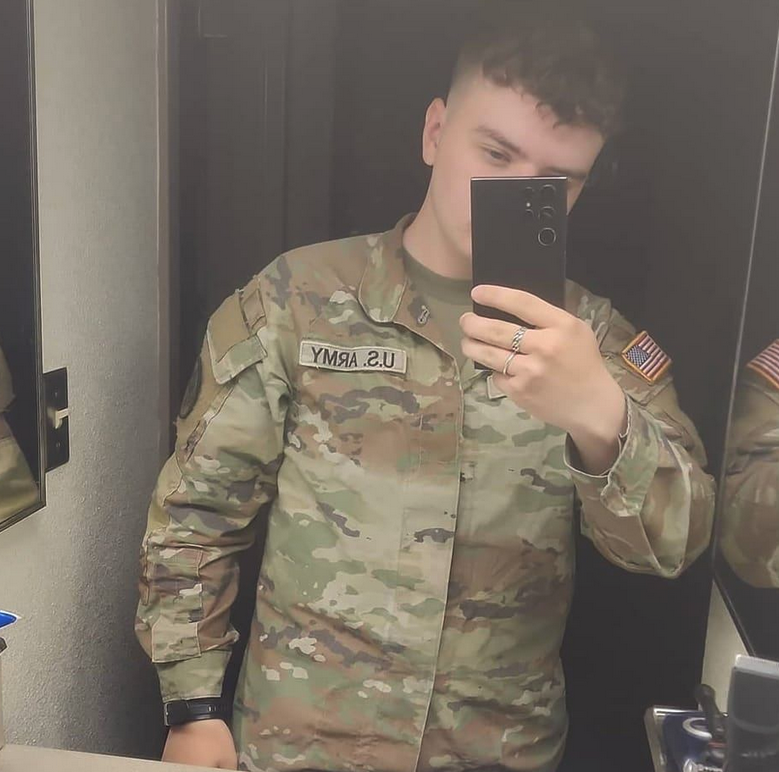
Wagenius, a U.S. Army soldier, served as a primary accomplice. His involvement underscored a disturbing trend of insider threats. Operating from his station in South Korea, Wagenius focused on telecommunications giants, extorting AT&T and Verizon. His brazenness was notable; after Moucka’s arrest, Wagenius reportedly posted alleged internal data belonging to high-level U.S. officials, including President-elect Donald Trump and Vice President Kamala Harris, on various hacker forums. He is currently awaiting sentencing in September 2026.
John Erin “IRDev” Binns
The third pillar of the group, Binns, represents the challenges of international law enforcement. Previously indicted for his role in the 2021 T-Mobile breach that exposed 76 million records, Binns fled the U.S. and sought refuge in Turkey. Despite being incarcerated for a period, reports indicate that Binns has secured Turkish citizenship, effectively insulating him from extradition under local laws. He remains a prominent, albeit untouchable, figure in the dark-web intelligence ecosystem.
Supporting Data and Security Failures
The sheer volume of stolen data in this case is staggering. The group managed to steal billions of records. The types of data compromised included:
- Telecommunications: Call and text history logs for over 100 million individuals.
- Financial/Corporate: Payroll documents, banking credentials, and proprietary corporate schematics.
- Government/Identity: Passport numbers, Social Security numbers, driver’s licenses, and DEA registration identifiers.
The primary systemic failure identified by investigators was the lack of rigor in account security. Snowflake, in response to the massive data exfiltration, moved swiftly to enforce more stringent password complexity requirements and, crucially, to mandate MFA for all customer accounts. However, the damage had already been done, and the financial impact—totaling over $2.5 million in ransom payments alone—underscores the profitability of modern cybercrime.
Official Responses and Legal Implications
The U.S. Justice Department has framed the case against Moucka as a pivotal victory for national and corporate security. The charges brought against him carry severe weight:
- Aggravated Identity Theft: A mandatory minimum of two years, to be served consecutively to other sentences.
- Computer and Wire Fraud: A maximum penalty of 30 years, reflecting the severity of the economic harm caused to the 165+ victim organizations.
“Moucka represents a new breed of cyber-actor: tech-savvy, indifferent to morality, and willing to target both private individuals and the infrastructure of government,” a DOJ official noted in a recent statement.
For Cameron Wagenius, the consequences are equally grave. His service in the U.S. Army did not grant him leniency; instead, his role in the breach of major telecommunications providers has resulted in a potential 20-year prison sentence for wire fraud, alongside other charges.
Implications for the Future of Cybersecurity
The Moucka case is more than just a successful prosecution; it is a diagnostic of the current state of digital security. It highlights three critical shifts in the threat landscape:
- The MFA Imperative: The breach of Snowflake serves as a harsh lesson for the SaaS industry. When cloud providers handle vast swaths of customer data, the burden of security must be shared. The transition from "optional" to "mandatory" MFA is no longer a best practice—it is a baseline requirement for survival.
- The Professionalization of Harassment: The overlap between traditional cyber-extortion and the targeting of minors, government officials, and researchers signals a move toward psychological warfare. Threat actors are no longer just seeking financial gain; they are leveraging personal trauma and political instability to force compliance.
- Jurisdictional Complexity: The case of John Erin Binns exposes the limitations of international cooperation. As cybercriminals move across borders, obtaining citizenship in "safe-haven" countries, the ability for the U.S. to prosecute these individuals becomes increasingly difficult, necessitating a more robust global framework for cyber-extradition.
As the legal system prepares for the sentencing hearings in late 2025 and 2026, the tech community remains on high alert. The "Snowflake Extortions" have effectively closed a chapter on one of the most prolific crime sprees of the decade, but they have also opened the door to a new reality: one where the data of millions can be held hostage by a small, highly coordinated group of individuals operating from the shadows of the internet. For organizations, the mandate is clear: identify the gaps, enforce authentication, and prepare for a threat environment that is increasingly sophisticated, relentless, and global.

 Ali Ikhwan
 Sagoh
Sagoh