Evan Lee Salim
London, UK – May 15, 2026 – The global hotel sector, while demonstrating remarkable resilience in overall demand, is experiencing a period of increasingly uneven growth. While occupancy rates remain stable across many key markets, the engine of revenue expansion is proving to be highly concentrated, favouring premium-tier assets and specific, high-demand destinations. This nuanced market dynamic signals a shift from broad-based recovery to a more selective and quality-driven growth environment, requiring strategic adaptation from industry stakeholders.
Demand Holds Steady, But Not Uniformly
The foundational demand for accommodation remains robust in 2026, buoyed by the sustained momentum of international tourism and the enduring appeal of leisure travel. Furthermore, a gradual but steady recovery in business activity is contributing to the overall stability. However, the days of uniform growth across all markets are a receding memory. The post-pandemic recovery phase has transitioned into a more measured and discerning growth trajectory, where performance is less a function of sheer demand volume and more intricately tied to pricing power within specific niches and geographies.
Leisure Travel: The Unwavering Backbone
Leisure travel continues to be the most potent and consistent driver of hotel occupancy. Post-pandemic wanderlust, coupled with a desire for experiences, has cemented leisure as the primary pillar of demand. Families, couples, and solo adventurers are actively seeking out unique destinations and memorable stays, translating into consistently high occupancy rates in popular tourist hotspots.
Business Travel: A Prudent Return
Business travel, while stable, has not yet fully recaptured its pre-pandemic patterns in all regions. Companies are demonstrating a more cautious and strategic approach to travel expenditure, with a heightened focus on return on investment. While essential business trips and conferences are occurring, the frequency of routine business travel appears to have been recalibrated. This has led to a more event-driven demand profile, where significant business conferences and industry gatherings can create concentrated periods of high occupancy, rather than a sustained, daily influx of corporate guests.
Event-Driven Occupancy: Peaks and Valleys
The influence of large-scale events – from global music festivals and major sporting championships to seasonal tourism surges – is becoming increasingly pronounced. These occurrences are capable of generating short, intense bursts of high occupancy in affected destinations. However, the sustainability of this demand beyond the event itself remains a key consideration. Markets heavily reliant on such sporadic events may experience significant fluctuations, necessitating agile operational strategies to capitalize on peak periods and mitigate the impact of quieter times.
Luxury Segments Lead the Charge in Revenue Growth
A defining characteristic of the current global hotel landscape is the pronounced outperformance of the luxury and upper-upscale segments. These categories are consistently achieving higher average daily rates (ADRs) and more dependable occupancy levels when compared to their midscale and economy counterparts.
The Allure of the Premium Experience
The demand for premium experiences, driven by affluent travellers and a growing appreciation for bespoke services, is underpinning pricing power at the higher end of the market. Luxury hotels, particularly those situated in prime global destinations, are adept at capturing a disproportionately large share of the sector’s revenue growth. These establishments are not merely offering a place to stay; they are curating immersive experiences that justify premium pricing.
Midscale and Economy Face Margin Pressures
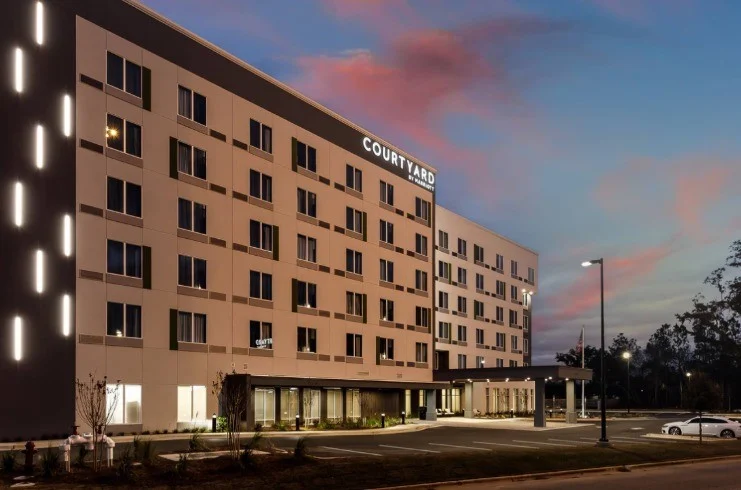
Conversely, midscale and budget hotels are navigating a more challenging operational environment. The persistent rise in operating costs, encompassing labour, utilities, and supplies, is placing significant pressure on profit margins. Concurrently, demand growth in many of these segments remains constrained, forcing operators to rely on price increases to offset rising expenses, rather than achieving growth through enhanced occupancy.
Widening Performance Gap

This divergence in performance between premium and lower-tier hotel segments is creating a noticeable gap. In markets experiencing slower economic growth or a less diverse demand mix, this disparity can become particularly acute. The ability to command higher rates, driven by perceived value and exclusive offerings, is becoming a critical differentiator in today’s hotel market.
Investment Remains Highly Selective and Strategically Focused
While capital is gradually returning to the global hotel sector, investment activity remains decidedly selective. Improved financing conditions and sustained investor interest in hospitality assets are positive indicators. However, the focus of these investments is increasingly narrowed to properties of exceptional quality and prime locations.
Prime Assets Attract Capital
Urban hotels in globally recognized gateway cities, sought-after resort destinations, and high-performing luxury portfolios are currently drawing the strongest investor appetite. These assets are perceived as offering greater stability, resilience, and potential for capital appreciation. Investors are prioritizing properties with established brands, strong operational track records, and demonstrable demand drivers.
Secondary Assets Require Repositioning
Conversely, secondary market assets and properties that are considered outdated or require significant refurbishment are experiencing more limited investor interest. For these assets to attract capital, they typically need to present a clear and compelling case for repositioning, redevelopment, or a significant operational overhaul that can unlock new value.
Development Constrained by Costs and Financing
New hotel development continues to be constrained in many regions due to elevated construction costs and tighter financing conditions. This supply-side limitation is, in some areas, contributing to the pricing power of existing, well-located assets. While luxury development persists in select destinations where projected returns justify the substantial investment, broad-based new supply growth is generally more subdued.
Implications for the Global Hotel Sector
The current landscape of uneven growth in the global hotel sector carries significant implications for various stakeholders:
-
For Hotel Operators: A strategic imperative exists to differentiate offerings, particularly within the luxury and upper-upscale segments. Investing in guest experience, leveraging technology to enhance service delivery, and focusing on strong brand positioning will be crucial. For midscale and economy operators, operational efficiency, cost management, and exploring innovative revenue streams will be paramount. Adaptability to event-driven demand patterns will also be key.
-
For Investors: A discerning approach to asset acquisition is essential. Investors will need to conduct thorough due diligence, focusing on the intrinsic value of location, asset quality, and the potential for future revenue growth. Understanding the specific demand drivers of a particular market and segment will be critical in identifying resilient and profitable opportunities.
-
For Destinations: Regions that can consistently attract high-spending leisure travellers and secure major international events are likely to continue experiencing strong performance. Investment in infrastructure, cultural attractions, and a commitment to quality tourism experiences will be vital for maintaining a competitive edge. Destinations relying heavily on a single demand driver may need to diversify their appeal.
-
For the Broader Economy: The hotel sector’s performance is intrinsically linked to broader economic health, international travel policies, and consumer confidence. The uneven nature of growth suggests that the benefits of recovery may not be evenly distributed across all economies, potentially exacerbating existing regional disparities.
In conclusion, the global hotel sector in 2026 is a study in contrasts. While overall demand remains a source of strength, the path to revenue growth is increasingly bifurcated. The emphasis has shifted from broad market expansion to a more nuanced appreciation of asset quality, strategic location, and the ability to cater to discerning traveller preferences. Navigating this landscape successfully will require agility, foresight, and a deep understanding of the evolving dynamics that are shaping the future of hospitality.

 Lina Hope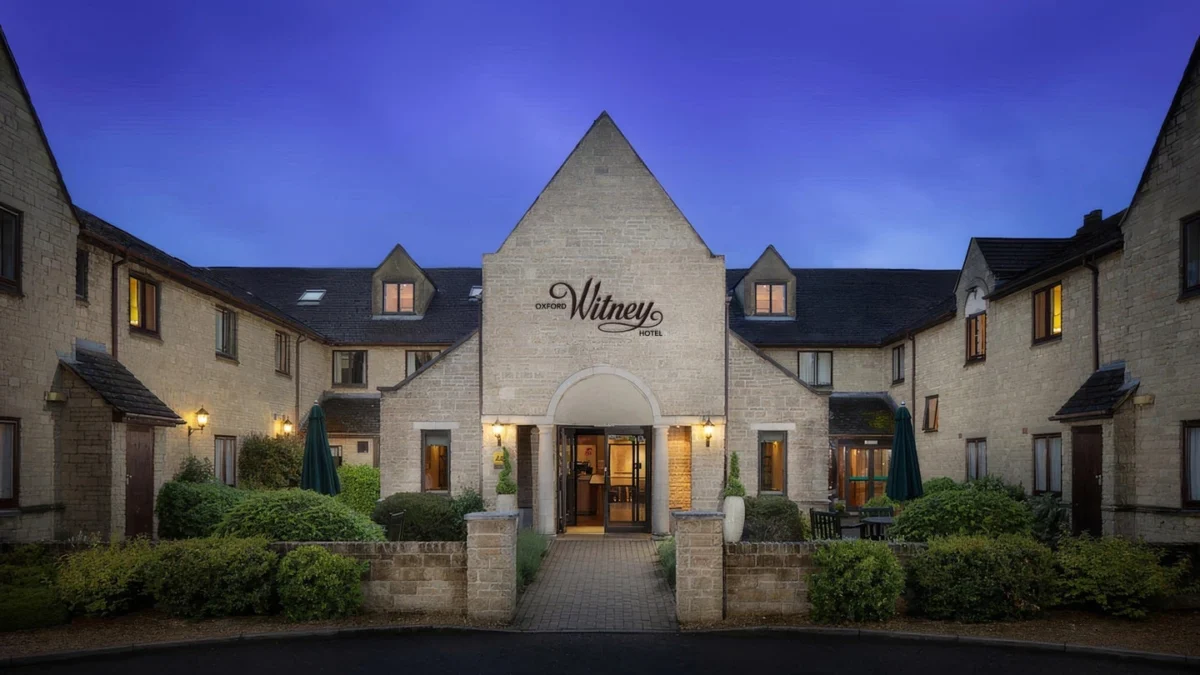
 Layla Zulfa