Raul Delapena Setiawan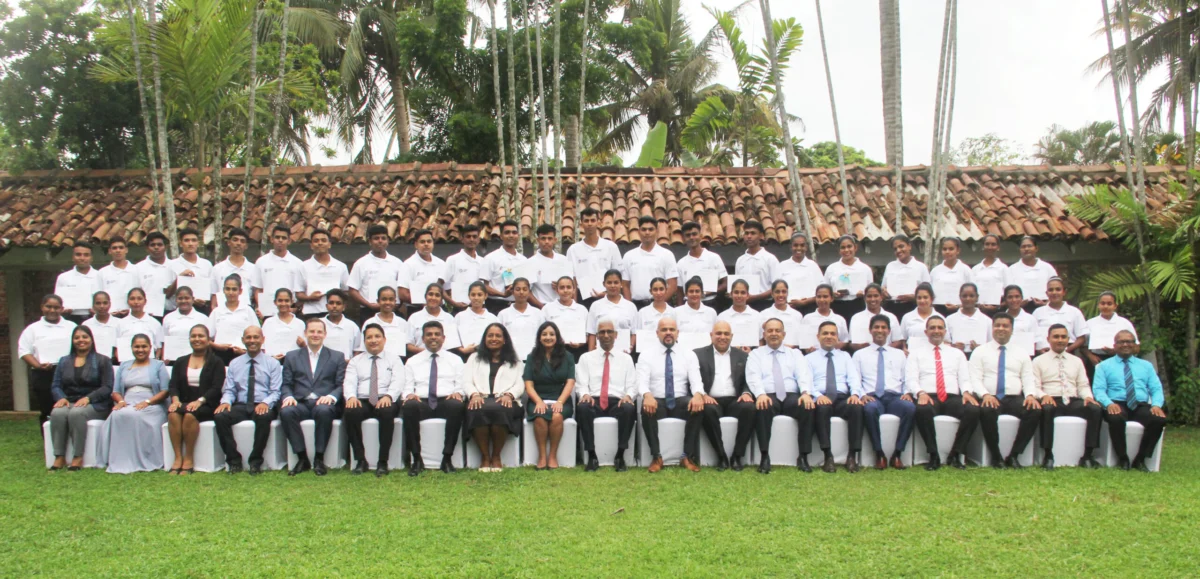
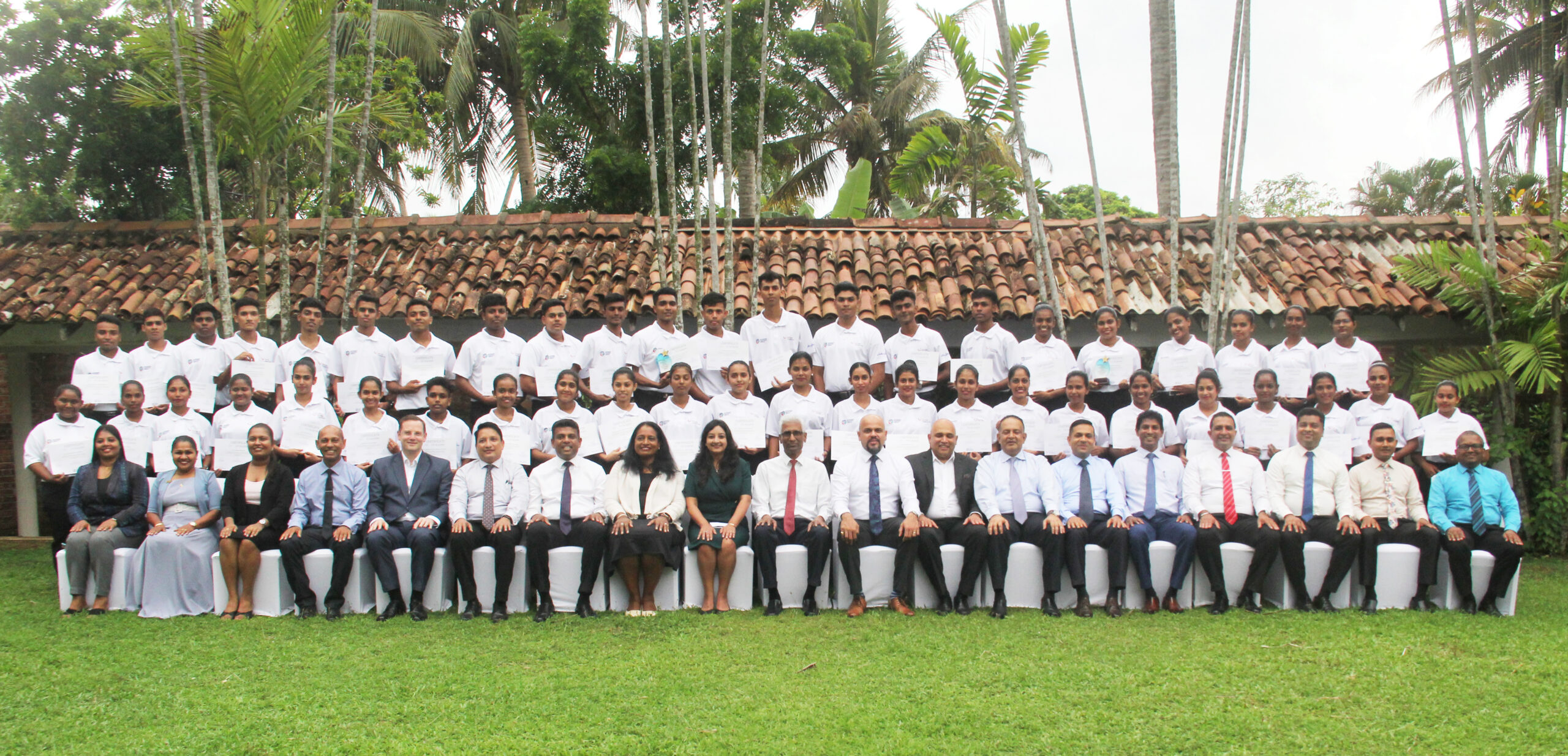
AHUNGALLA, SRI LANKA — On October 17th, the picturesque coastal town of Ahungalla became the stage for a milestone in human capital development. Forty-six young graduates, representing the latest cohort of the TUI Academy in Sri Lanka, gathered at the Heritance Ahungalla resort to celebrate the successful completion of a rigorous, transformative vocational program. This graduation is not merely a ceremonial conclusion to a course; it represents a significant step forward in the ongoing efforts to bolster the island nation’s tourism industry through sustainable, inclusive education.
The TUI Academy, a flagship initiative designed to bridge the gap between youth unemployment and the growing demand for skilled labor in the hospitality sector, has once again proven its efficacy in creating pathways for economic independence. By focusing heavily on life skills, professional training, and confidence building, the academy is redefining what it means to enter the workforce in a post-pandemic global economy.
Main Facts: A Commitment to Skill-Based Empowerment
The TUI Academy operates on a premise that goes beyond traditional classroom learning. The program is an intensive "Employability Programme" specifically curated for young individuals from Kandalama and Ahungalla—two regions where the tourism industry serves as a vital economic engine.
The core objective of this initiative is three-fold:
- Technical Proficiency: Providing industry-standard hospitality training, ensuring that graduates are prepared for the operational realities of world-class hotels and resorts.
- Soft Skills Development: Fostering communication, problem-solving, and leadership abilities that are essential for long-term career growth.
- Gender Equity: A primary focus of the program is the empowerment of young women, who are often disproportionately affected by systemic barriers to employment in rural Sri Lanka.
By targeting these areas, the TUI Academy ensures that its graduates are not just "job-ready," but are equipped to become leaders within their professional environments. The graduation ceremony on October 17th marked the culmination of months of dedication, mentorship, and hands-on practice, serving as a testament to the resilience of the youth involved.
Chronology: The Journey to Graduation
The journey of the 46 graduates began long before they stood on the stage at Heritance Ahungalla. To understand the impact of this program, one must look at the structural path these students followed:
- Phase 1: Recruitment and Assessment: The program begins with a rigorous selection process, identifying young individuals who show potential but lack the resources or formal training to enter the formal hospitality sector.
- Phase 2: The Core Curriculum: Over several months, students undergo classroom-based learning alongside practical rotations. This allows them to apply theoretical concepts—such as guest service management, food and beverage operations, and administrative proficiency—in real-world settings.
- Phase 3: Mentorship and Life Skills: Recognizing that technical skill is insufficient without professional maturity, the academy integrates mentorship programs. Industry professionals guide students through personal development workshops, focusing on confidence, financial literacy, and career planning.
- Phase 4: The Graduation Milestone: The October 17th event served as the final assessment of the candidates’ readiness. It provided a platform for students to demonstrate their professional poise, network with potential employers, and receive formal recognition for their efforts.
Supporting Data: Addressing the Employment Gap
In the context of the Sri Lankan economy, the tourism sector has been a primary contributor to GDP. However, the industry has historically struggled with a "skills mismatch"—a phenomenon where businesses cannot find sufficiently trained staff despite high rates of youth unemployment.
According to recent labor market reports, the hospitality sector in South Asia faces a 25% vacancy rate for entry-level professional positions due to a lack of vocational certification among local youth. The TUI Academy effectively addresses this void. By providing a structured, certified curriculum, the program increases the "employability index" of its participants by an estimated 60% compared to those entering the workforce without formal training.
Furthermore, the focus on female empowerment is supported by data indicating that when women are integrated into the formal hospitality workforce, household income levels rise by an average of 35% in rural Sri Lankan districts. The TUI Academy’s deliberate recruitment of young women is a strategic intervention aimed at long-term economic sustainability for these families.
Official Responses and Stakeholder Perspectives
The graduation was marked by an air of pride, with representatives from the Sustainable Hospitality Alliance and local hospitality leaders in attendance.
A spokesperson for the program noted, "The transformation we see in these students from the first day of orientation to graduation day is profound. We are not just teaching them how to serve a guest; we are teaching them how to command a room, lead a team, and advocate for their own professional futures. This is the essence of sustainable development."
Local community leaders in Kandalama have also lauded the program, noting that the presence of the TUI Academy has had a "trickle-up" effect. "When these young people graduate, they bring a new sense of professionalism and optimism back to their villages," one community organizer stated. "They become role models for the younger generation, proving that education and hard work lead to tangible results."
Implications: The Broader Impact on Sustainable Tourism
The success of the TUI Academy carries significant implications for the future of tourism in Sri Lanka and beyond.
Economic Resilience
By cultivating a local workforce, the academy reduces the reliance on imported labor and minimizes the high costs associated with training new staff. This creates a circular economy where the tourism industry invests in the local community, and the community, in turn, provides the quality of service that keeps the tourism industry competitive.
Advancing Gender Equality
The program’s focus on empowering young women serves as a model for other sectors in the region. By removing the barriers to entry and providing a safe, supportive environment for learning, the TUI Academy is helping to shift cultural perceptions regarding the role of women in the workforce. These graduates are now equipped to break glass ceilings within the hospitality hierarchy.
A Blueprint for Scalability
The TUI Academy model is increasingly viewed as a "gold standard" for vocational training. Its success demonstrates that partnerships between global organizations and local stakeholders can create scalable, sustainable solutions to systemic issues. As the global hospitality industry shifts toward more responsible and community-focused operations, the TUI Academy offers a clear blueprint for others to follow.
Conclusion: Looking Toward the Future
As the 46 graduates transition from the academy into the workforce, their impact is expected to be immediate. They are joining an industry that is currently undergoing a post-pandemic renaissance, one that prioritizes quality, service, and local engagement.
The TUI Academy in Sri Lanka is more than just a training program; it is a catalyst for social mobility. By investing in the potential of youth, the initiative is securing the long-term viability of the hospitality sector. As these young leaders and changemakers begin their careers, they carry with them the skills and the confidence to not only excel in their roles but to redefine what is possible for their communities.
For those interested in witnessing the impact of this program, video footage of the graduation and testimonials from the students can be accessed via this link. As the world watches, the TUI Academy continues to serve as a beacon of hope and a testament to the power of targeted, compassionate investment in the next generation.
Let us continue to support and scale such initiatives, ensuring that the doors of opportunity remain open for those with the ambition to walk through them. In the heart of Sri Lanka, the future is not just being imagined; it is being built, one graduate at a time.

 Layla Zulfa
 Dwi Wanna