Rifan Muazin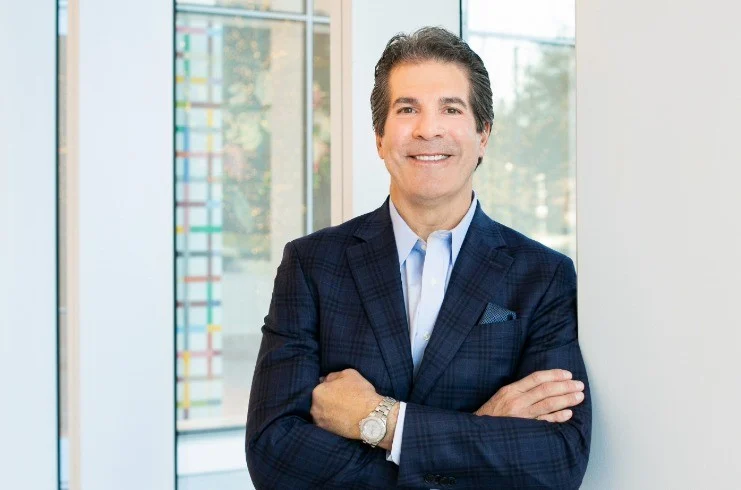
ROCKVILLE, MD – As the hospitality industry continues its dynamic evolution, marked by unprecedented challenges and transformative shifts, one company stands poised to celebrate a remarkable milestone: Crescent Hotels & Resorts. Founded in 2001 by visionary Chairman and Chief Executive Officer Michael Thomas George, Crescent is set to commemorate its 25th anniversary in 2026, a testament to a steadfast core philosophy that has not only weathered economic storms and global pandemics but has consistently redefined the landscape of third-party hotel management.
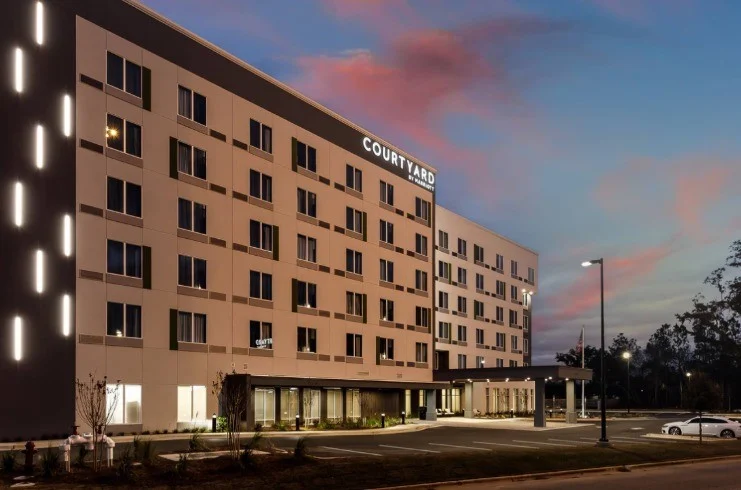
From its inception, Crescent Hotels & Resorts embarked on a mission to challenge conventional wisdom, advocating for a business model deeply rooted in the concept of "ownership alignment." This principle, championed by George, posits that every hotel under Crescent’s management must operate with the same meticulous care and strategic foresight as if the company itself held the ownership stake. This foundational belief has been the bedrock of its durability, guiding its growth from a nascent idea into a robust portfolio of 120 hotels and resorts spanning the United States and Canada, and cementing its reputation as a trusted partner in the upper-upscale and luxury segments of the hospitality market.
The Genesis of a Philosophy: Challenging the Status Quo
In the early 2000s, the prevailing model for third-party hotel management often prioritized volume over value, with many operators focused on expanding their portfolios through sheer numbers rather than deeply integrating with the specific needs and long-term interests of individual hotel owners. Michael Thomas George, with a discerning eye for industry inefficiencies and a profound understanding of an owner’s perspective, identified a critical misalignment in this approach. He recognized that a disconnect often existed between the operational goals of management companies and the financial imperatives of property owners, leading to suboptimal performance and strained relationships.
It was this observation that fueled the creation of Crescent Hotels & Resorts. George envisioned a different path, one where the management company would act as a true fiduciary, making decisions that mirrored those of an owner deeply invested in the asset’s success. "Every hotel we manage has to perform as if we own it," George succinctly articulated to LODGING magazine, a philosophy that became the company’s rallying cry and its most significant differentiator. This wasn’t merely a slogan; it was a fundamental operational mandate that permeated every aspect of Crescent’s strategy, from capital allocation and asset management to property-level decisions and guest experience.
The initial years were critical for proving the validity of this ambitious strategy. It required not only a clear, compelling point of view from Crescent but also a leap of faith from early hotel owners willing to bet on an unconventional approach. As Crescent began to secure marquee assignments, its unique model started to yield demonstrable results, showcasing how an operator truly built around ownership alignment could "win" in the highly competitive upper-upscale luxury hotel tier. These early successes were instrumental in building a reputation for performance and trust, laying the groundwork for future growth and solidifying its distinctive market position.
Early Triumphs and Ascending the Ranks
One of Crescent’s most significant early victories, a moment that underscored its burgeoning influence and the efficacy of its model, came with an unprecedented achievement in brand relations. The company was simultaneously approved across the full-service luxury portfolios of four of the world’s leading hospitality giants: Marriott, Hilton, IHG, and Hyatt. This was not merely a procedural approval; it was a profound endorsement from industry behemoths, signaling their recognition of Crescent’s operational excellence and financial acumen.
Michael Thomas George highlighted the rarity of this accomplishment, noting that "most management companies never reach this milestone." For a third-party operator, gaining such comprehensive approval meant unlocking access to a caliber of assets and an owner base that remained largely inaccessible to competitors. "It opened a tier of opportunity that wasn’t accessible to most third-party operators—a structural competitive advantage that has to be re-earned every day," George reflected. This achievement was a powerful validation of Crescent’s deep understanding of brand standards, its capacity for sophisticated asset management, and its unwavering commitment to delivering superior performance. It positioned Crescent as a premier partner for owners seeking to maximize the value of their high-end, branded properties, further solidifying its niche in the luxury and upper-upscale segments.
The ability to operate across these diverse luxury brands required a unique blend of flexibility, expertise, and a consistent adherence to best practices. Crescent demonstrated its capacity to adapt its "ownership alignment" philosophy to various brand cultures while maintaining its core operational discipline. This versatility became a cornerstone of its competitive edge, allowing it to attract a broader spectrum of high-value properties and owners who sought an operator capable of navigating complex brand ecosystems with finesse and strategic insight.
Built for Durability: Navigating Economic Storms
The true test of any business model lies in its resilience during times of crisis. For Crescent Hotels & Resorts, its foundational philosophy of "ownership alignment" proved to be not just a growth strategy but a framework "built for durability." The company successfully navigated two of the most profound economic disruptions of the 21st century: the 2008 global financial crisis and the unprecedented challenges posed by the COVID-19 pandemic.

The 2008 economic crisis sent shockwaves through the global economy, leading to widespread downturns in travel, decreased occupancy rates, and significant financial distress for many hotel owners. During this period, companies without deep, trust-based relationships with their owners often saw their portfolios shrink as assets were divested or management contracts terminated. Crescent, however, leveraged its emphasis on transparent communication, proactive asset management, and shared commitment with owners to sustain and even strengthen its portfolio. By making decisions that prioritized the long-term health of the assets, mirroring the actions an owner would take, Crescent fostered an environment of mutual support that allowed it to emerge from the crisis with its core relationships intact and its operational integrity enhanced.
Years later, the arrival of the COVID-19 pandemic presented an existential threat to the hospitality industry, unprecedented in its scope and severity. Travel came to a near standstill, occupancy plummeted, and revenue streams evaporated overnight. Hotels across the globe faced agonizing decisions regarding staffing, operations, and even survival. It was during this turbulent time that Crescent’s character truly shone through, distinguishing it from many of its peers.
Reflecting on this period, George highlighted a critical differentiator: "Crescent was the only major league manager who did not lay off any of our corporate team." This decision, made at a time when many companies were aggressively furloughing or terminating staff to cut costs, spoke volumes about Crescent’s unwavering commitment to its people and its long-term vision. It was a calculated risk that underscored the company’s belief in its human capital as its most valuable asset. By retaining its corporate talent, Crescent ensured continuity of expertise, preserved institutional knowledge, and, crucially, maintained morale at a time of immense uncertainty. This allowed the company to pivot swiftly, support its properties with consistent leadership, and prepare for recovery with an intact, motivated team. "We went into the pandemic strong, and we emerged even stronger," George proudly stated, attributing this resilience directly to the company’s deeply ingrained philosophy and its commitment to its employees. This strategy not only fostered profound loyalty among its staff but also reassured owners that their assets were being managed by a stable, dedicated, and capable team, even in the darkest hours.
Strategic Growth and a Curated Portfolio
Through these formidable obstacles and the overall progression of the hospitality industry, Crescent has demonstrated a remarkable ability to grow strategically while remaining true to its core values. The company has expanded its portfolio to include 120 hotels and resorts across diverse markets in the United States and Canada, serving a complex array of business partners, including sophisticated hotel REITs and discerning developers. These partners seek an operator who not only understands the intricacies of property management but also possesses a deep grasp of broader business principles, including capital allocation, asset management, and market dynamics.
Crescent’s growth has never been about simply increasing the number of doors under management. Instead, it has been a deliberate, selective process, a testament to its values and overall approach. "We haven’t tried to be the largest management company in North America," George explained. "We’ve tried to be the most trusted one inside a specific tier of asset. When Crescent delivers, it creates the next opportunity." This commitment to selectivity ensures that each property receives the full weight of Crescent’s expertise and resources, rather than a diluted version that might come with an overly expansive, undifferentiated portfolio.
This curated approach has allowed Crescent to maintain consistently high standards of performance across its portfolio, which encompasses luxury resorts, urban boutique hotels, and prominent full-service properties. By focusing on quality over quantity, Crescent has cultivated a reputation for reliability and superior returns, making it an attractive partner for owners who prioritize long-term value creation. Its ability to engage deeply in capital allocation strategies and sophisticated asset management ensures that properties are not merely maintained but are continuously enhanced and positioned for optimal market performance. This strategic alignment with owner objectives has been a powerful engine for organic growth, as satisfied clients repeatedly turn to Crescent for new assignments, reinforcing the cycle of trust and performance.
The Cornerstone of Culture: Valuing Talent and Empowerment
While portfolio growth and financial metrics are important indicators of success, Michael Thomas George emphasized that what truly stands out when reflecting on Crescent’s journey is its talent. The longevity of its staff, particularly among general managers and regional leaders, many of whom have been with the company for over 15 years, speaks volumes about the credibility of Crescent’s culture. This retention rate is exceptionally high in an industry known for its transient workforce, underscoring a work environment that fosters loyalty, professional development, and a sense of belonging.
Crescent’s approach to talent management is characterized by a deliberate prioritization of "operators over administrators." George intentionally veered away from traditional hierarchical models, choosing instead to empower on-property teams with significant authority, necessary resources, and direct access to corporate leadership. This decentralized yet supported structure ensures that decisions are made closer to the guest and the asset, allowing for agility, responsiveness, and a deeper understanding of local market conditions. By trusting its front-line and property-level management, Crescent cultivates a culture of ownership and accountability at every level.
"The achievement isn’t 25 years of longevity," George clarified, delving deeper into the essence of Crescent’s success. "It’s that early owners are still with us because we never drifted from why they hired us. That consistency requires saying no to opportunities that do not fit and ensuring every hotel receives the full weight of Crescent’s offerings—not a diluted version. That discipline is the legacy." This statement encapsulates the profound connection between staff longevity, cultural integrity, and enduring client relationships. It highlights that the company’s success is not merely about surviving for 25 years, but about consistently upholding the foundational principles that attracted its first partners, even if it means foregoing certain growth opportunities that might compromise its core identity. This discipline, George asserts, is the true mark of Crescent’s legacy.

An Evolving Industry, An Enduring Vision
The hospitality industry is in a perpetual state of flux, driven by technological advancements, evolving guest expectations, shifting economic landscapes, and global events. From the rise of online travel agencies and dynamic pricing models to the imperative of sustainable operations and personalized guest experiences, the demands on hotel management companies are constantly escalating. Crescent Hotels & Resorts’ enduring success in this ever-changing environment can be attributed to its foundational philosophy, which inherently promotes adaptability and strategic foresight.
The "ownership alignment" model inherently encourages innovation and proactive management. Because Crescent views each property as if it were its own, there is a strong incentive to invest in cutting-edge technology, embrace sustainable practices, and continuously refine operational efficiencies to maximize long-term value. This perspective allows Crescent to anticipate industry trends rather than merely reacting to them, positioning its managed properties at the forefront of guest preferences and market competitiveness. The deep engagement with capital allocation and asset management further enables strategic investments in property upgrades and technological infrastructure, ensuring that each hotel remains relevant and appealing to the modern traveler.
This proactive approach extends to understanding the nuanced needs of various business partners, from institutional investors managing vast REITs to individual developers bringing a single, unique property to market. Crescent’s ability to engage with these partners on multiple levels, speaking the language of finance, development, and operations with equal fluency, reinforces its value proposition. It’s not just about managing a hotel; it’s about strategically positioning an asset within a broader investment portfolio, optimizing its performance, and mitigating risks in an increasingly complex global market.
The Path Forward: Sustaining a Legacy and Building for the Future
As Crescent Hotels & Resorts looks beyond its 25th anniversary, Michael Thomas George’s mission remains as clear and potent as it was on day one: to allow Crescent’s business model to speak for itself, not just through its past successes but through its continued performance and unwavering commitment to its core tenets.
"I want Crescent to be known as the company that proved ownership alignment is a repeatable, scalable model that produced better outcomes than every alternative the industry tried over the same period," George articulated with conviction. This aspiration transcends mere market leadership; it speaks to a desire to establish a new benchmark for third-party hotel management, challenging the very paradigms that once dominated the industry. By consistently demonstrating superior outcomes, Crescent aims to solidify its position as the unequivocal choice for hotel owners seeking not just management, but true partnership and fiduciary responsibility.
Referencing the company’s impressive track record of navigating economic downturns and unprecedented global crises, George stated his desire for Crescent to be an owner’s "first call" when they face an asset challenge. This implies a level of trust and expertise that transcends transactional relationships, positioning Crescent as the go-to partner at moments of "highest consequence"—when strategic decisions can make or break an investment. This trust is earned through years of consistent performance, transparent communication, and a shared commitment to the long-term success of each asset.
Furthermore, George highlighted that Crescent was "built to last," emphasizing that its next chapter of leadership is already being carefully cultivated. This focus on succession planning is crucial for ensuring the enduring legacy of the company’s unique culture and philosophy. Years from now, future generations of leadership will be tasked with continuing to bolster the robust culture that George established in 2001, while simultaneously evolving it to meet the new demands of an ever-changing industry. This ensures that the core principles of ownership alignment, strategic growth, and empowered talent will remain at the heart of Crescent Hotels & Resorts, allowing it to continue shaping the future of hotel management for decades to come.
In celebrating 25 years of operation, Crescent Hotels & Resorts stands not just as a successful business entity, but as a living testament to the power of a clear vision, unwavering principles, and a deep-seated commitment to partnership. Its journey exemplifies how challenging conventional wisdom, prioritizing trust, and empowering people can lead to sustained success and a lasting impact on an entire industry.

 Lina Hope
 Layla Zulfa